
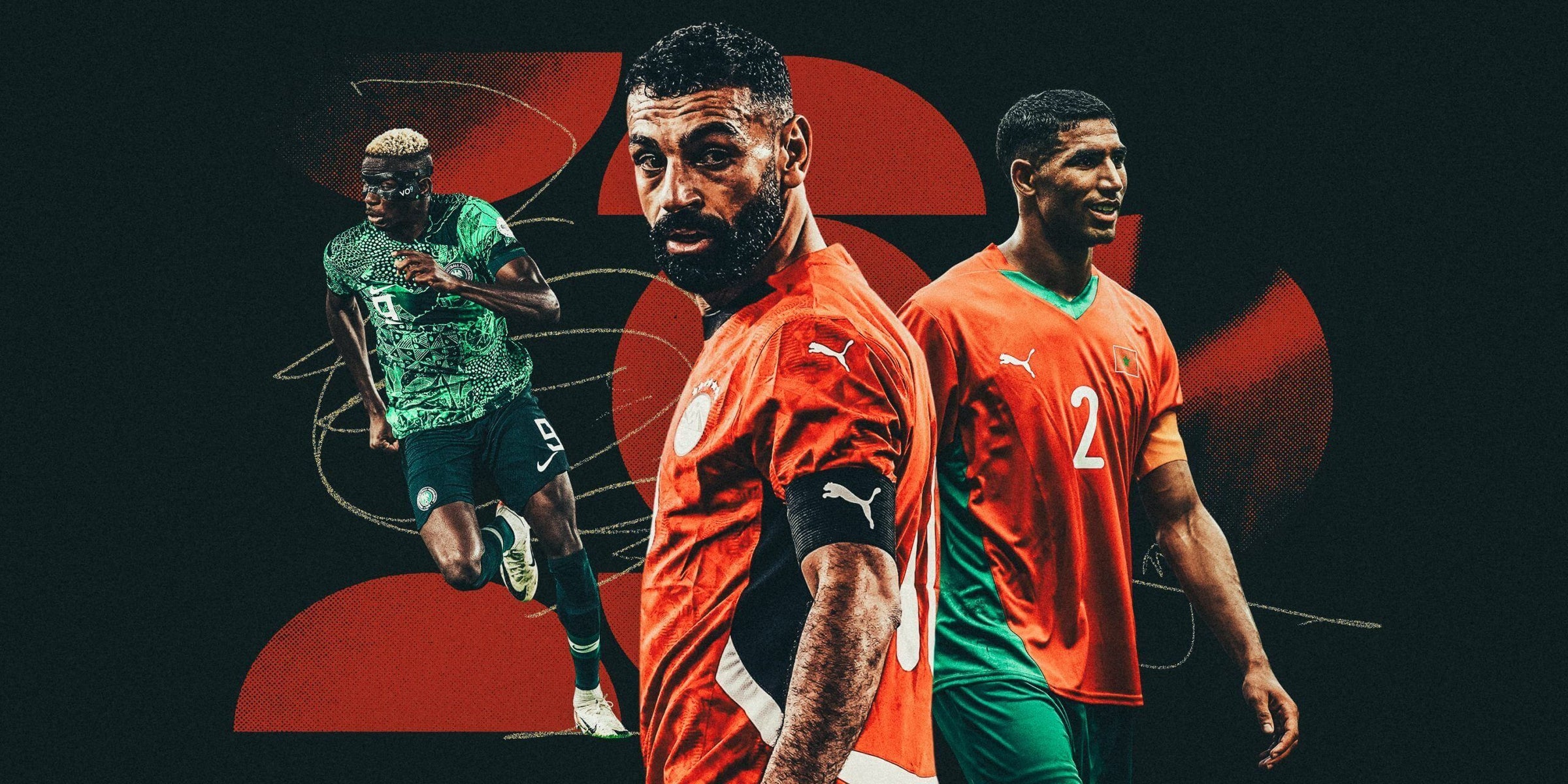
“Welcome to The Radar — Africa Cup of Nations edition. What you are about to read is the result of a lot of hard work from our team of writers, data analysts and designers, who have combined to bring you a guide to the 24 players we think you should pay particularly close attention to at the 2023 (yes, it’s being held in 2024) Africa Cup of Nations in Ivory Coast, starting on January 13 and finishing on February 11. Below, you will find some of the tournament’s best and most exciting players split into three categories. There are eight superstars — globally renowned players from some of the biggest African footballing nations, all of whom have the ability and experience to dominate the upcoming tournament. …”
The Athletic
Will an African nation win the World Cup in the next decade?
“With Morocco’s performance at the last World Cup, do you see an African nation winning the tournament in the next decade? Honestly, no. The World Cup is a slightly odd tournament in that it’s pretty much never had a shock winner – maybe West Germany in 1954, but their subsequent performances have diminished what a surprise that felt at the time. Perhaps all that means is that we’re due a shock but there seems to be something about the magnitude of the occasion in the latter stages of the competition that ultimately benefits the elite. …”
Guardian – Jonathan Wilson
AFCON: Your guide to the games, the stars and the storylines
“The 34th edition of the Africa Cup of Nations starts on Saturday, with hosts Ivory Coast taking on Guinea-Bissau. The biennial competition, which first took place in 1957, sees 24 teams battle it out to be crowned Africa’s champions. At the last AFCON, Senegal beat Egypt on penalties to win the tournament for the first time. …”
The Athletic
The footballers who escaped one of the most dangerous countries on Earth
“David is an Eritrean footballer, a refugee who thinks government agents are still watching him even though he fled the country a long time ago and is now thousands of miles away. Though he has claimed asylum abroad, his fears mean that he often sleeps with a chair pressed against the door of his bedroom. Sometimes he will have nightmares about a group of men armed with weapons bursting in and taking him away. …”
The Athletic
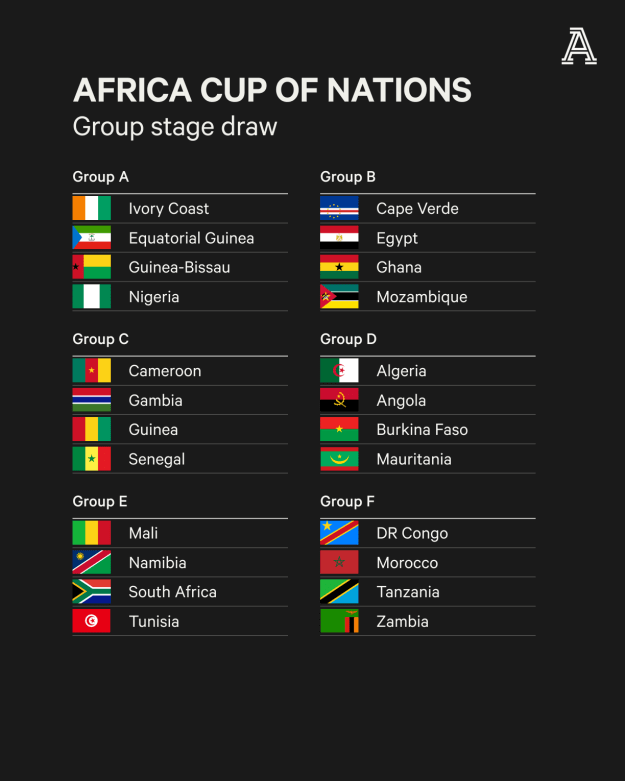
 “The qualifiers for the 2027 Africa Cup of Nations begin on Thursday, with 48 countries competing to earn spots in Africa’s biggest football tournament. Tanzania, Kenya and Uganda will cohost AFCON 2027, as the competition returns to East Africa for the first time in 51 years. Divided into 12 groups, the teams will be involved in a six-round qualifying process that runs to March next year. Here’s everything to know about AFCON 2027. …”
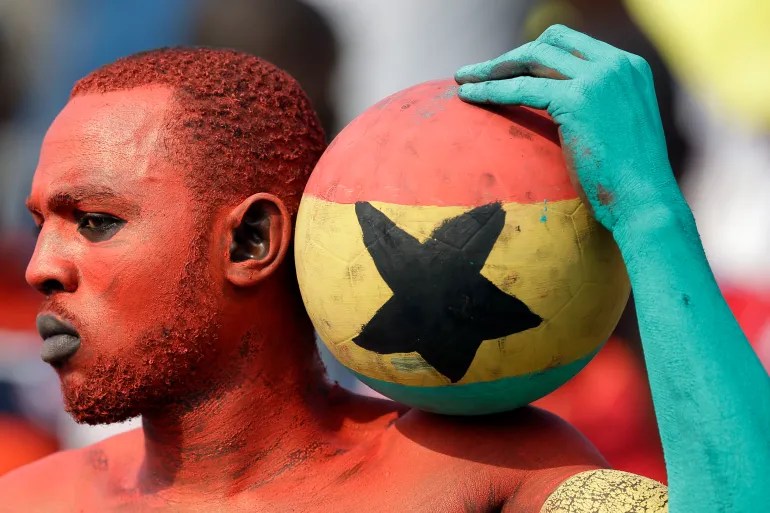
 Ghana’s Inaki Williams celebrates after a scoreless draw against England in the World Cup in Foxborough last month.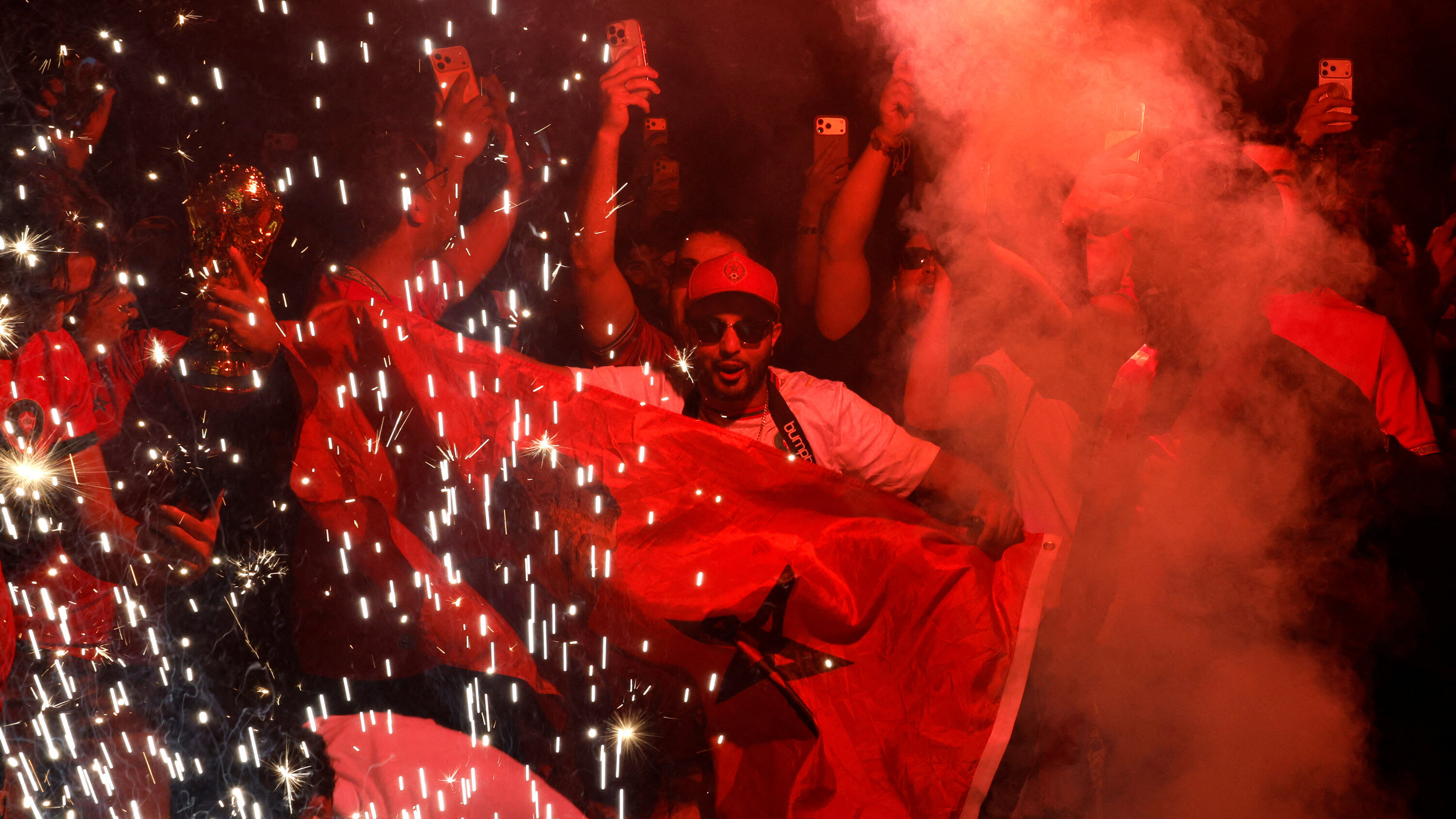

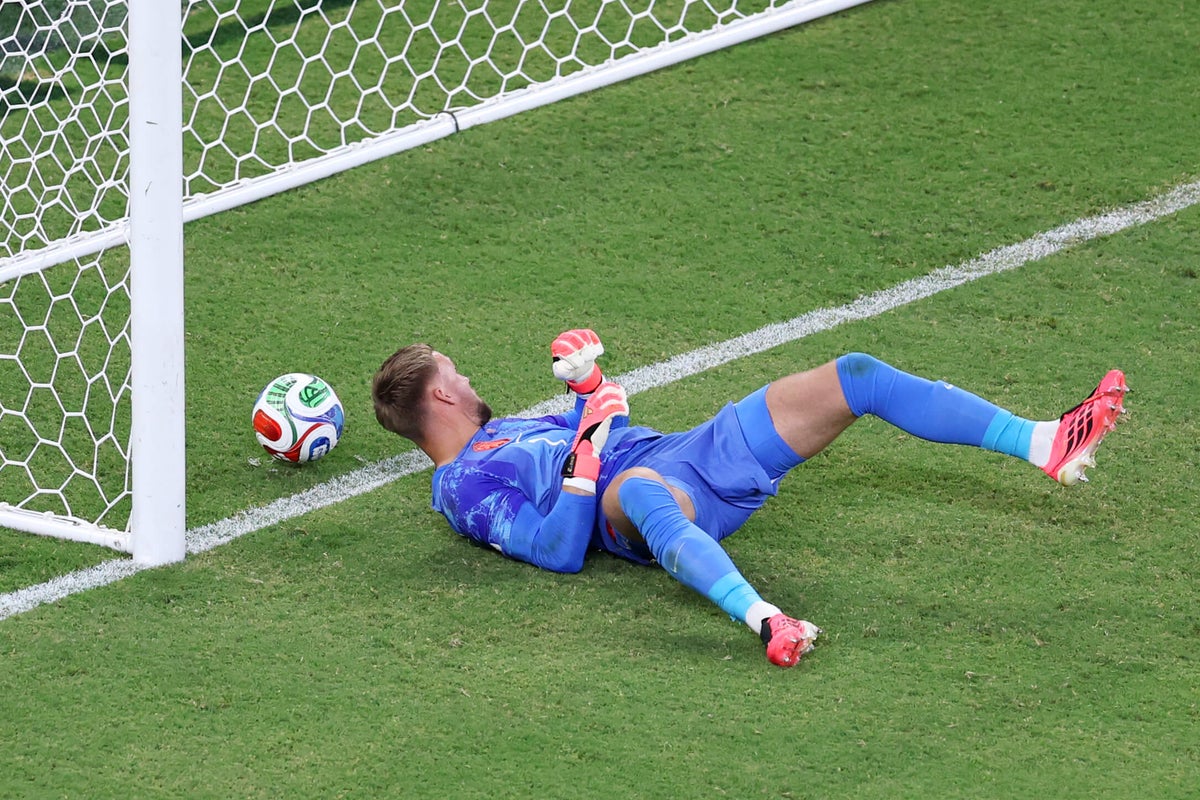 Morocco beat the Netherlands 3-2 on penalties after the game finished 1-1
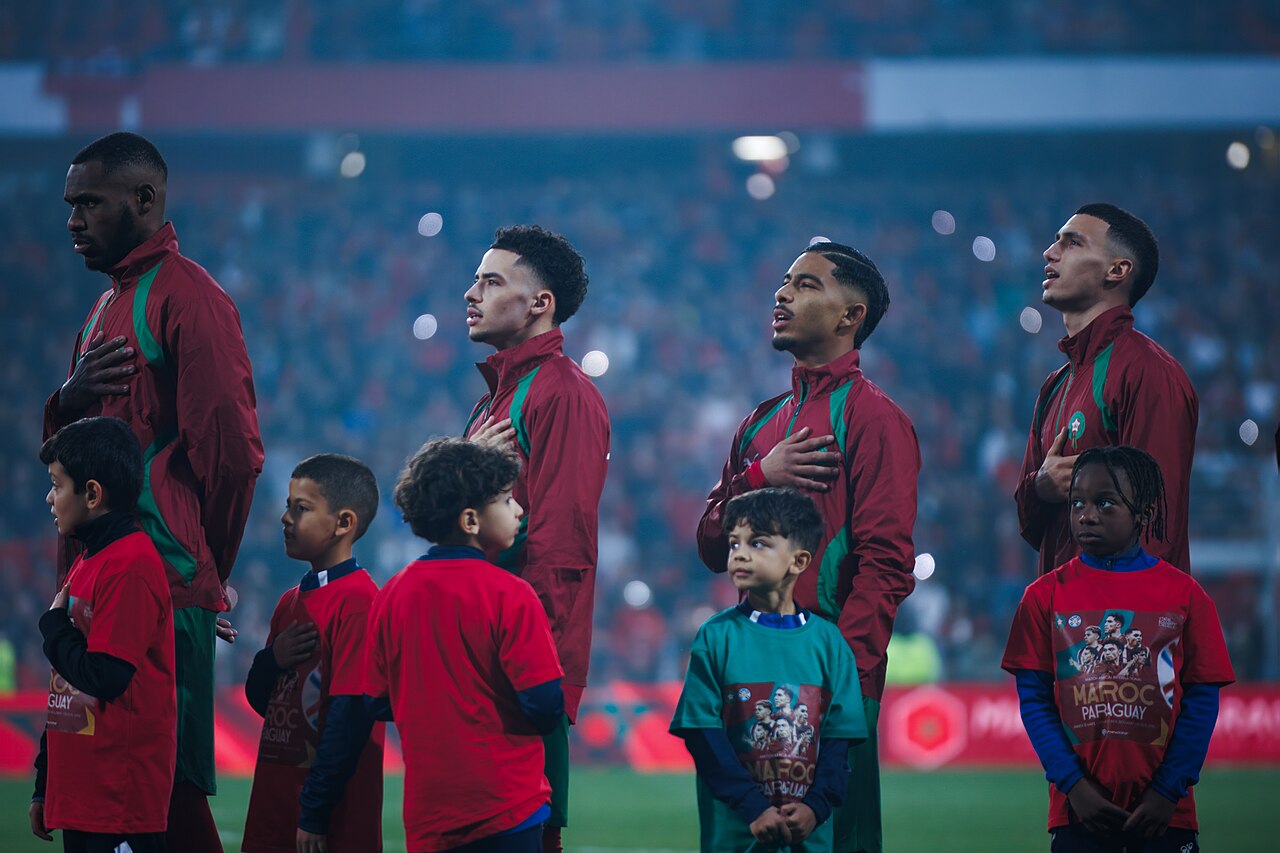 Members of the Moroccan national team line up for the national anthem ahead of a friendly match against Paraguay in Lens, France, on 31 March 2026.
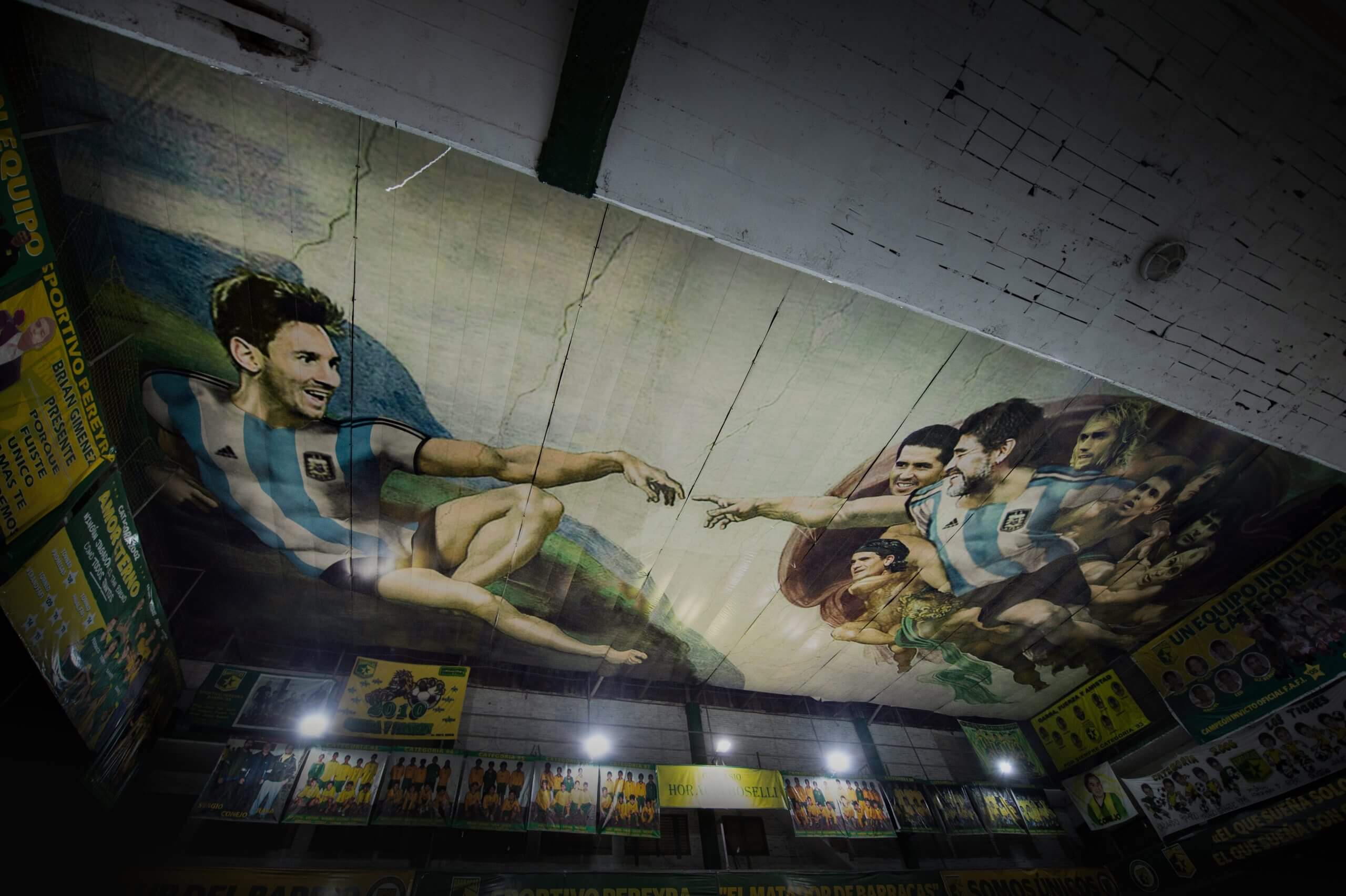 “To watch Argentina at the World Cup feels like a religious experience: the spiritual fervour, the adoration, the total devotion to someone seen as a supreme being. It was like that in the 1980s when Diego Maradona was at the peak of his extraordinary powers; in the 1990s, when they waited for a new saviour to come and for decades until Lionel Messi led them to glory in 2022. Many of the supporters’ banners carry echoes of religious iconography. The most famous is a mocked-up image of Maradona and Messi together, fingers touching, like Michelangelo’s fresco of The Creation of Adam. …”
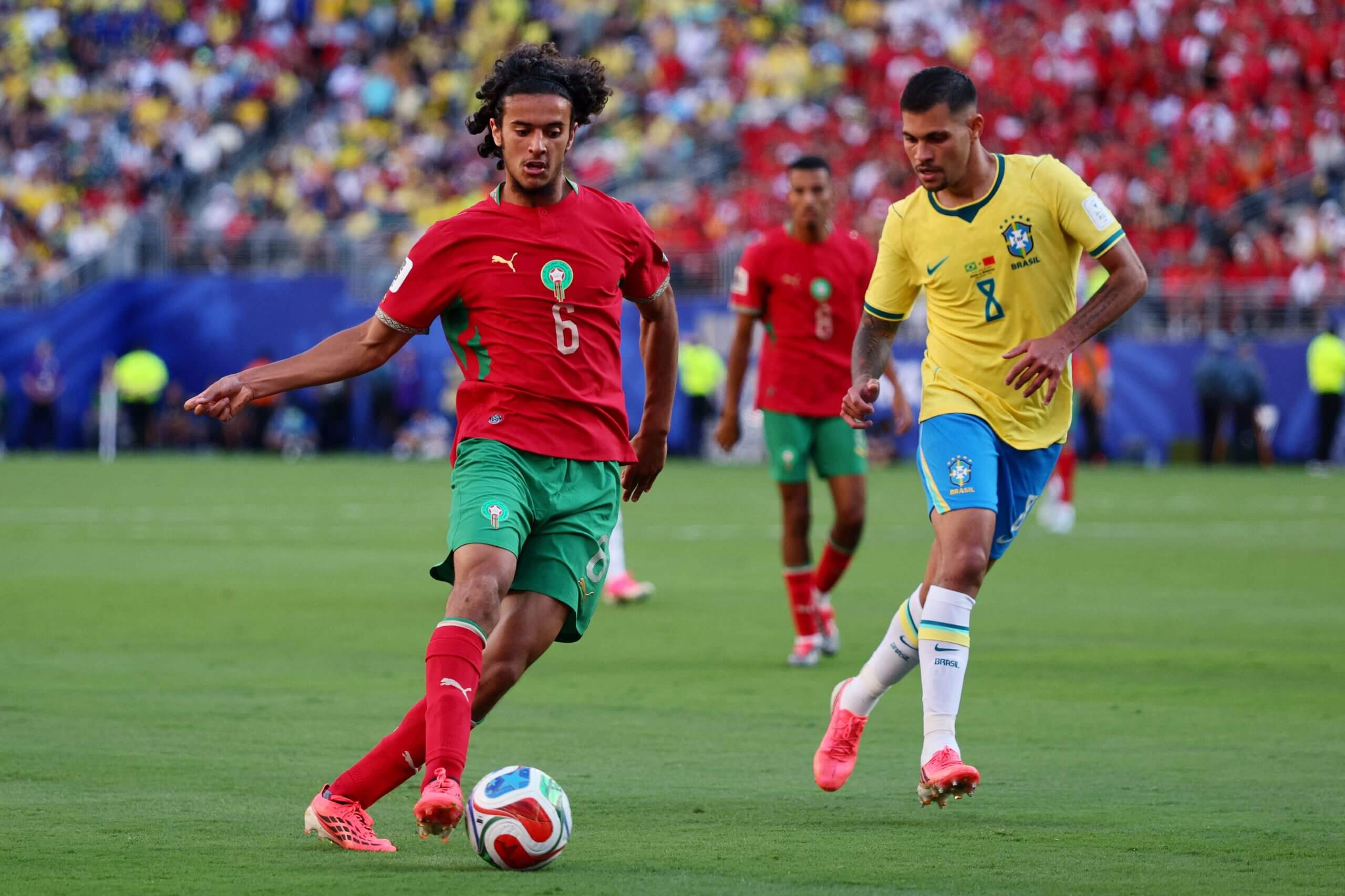 “The five-time World Cup champions Brazil were outplayed by Morocco for large parts of their 1-1 draw in front of a sell-out crowd at MetLife Stadium. Morocco scored an excellent goal to take the lead when Ismael Saibari chipped the ball over the Brazil goalkeeper Alisson, after racing on to a brilliant pass from Brahim Diaz. Brazil were struggling but a moment of magic from Vinicius made it 1-1 with a superb individual goal, cutting in from the left and lashing a shot beyond Yassine Bounou. Brazil had made four of their allocated five substitutes before 65 minutes, in a clear sign of Ancelotti’s thoughts on the performance. …”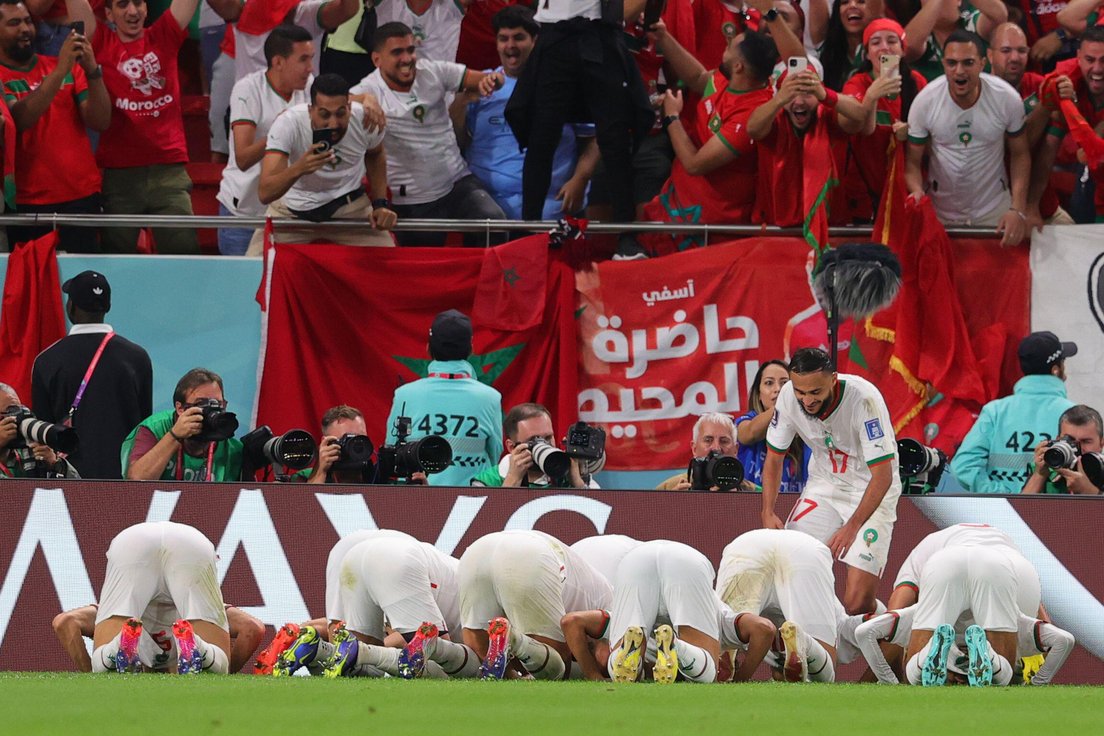
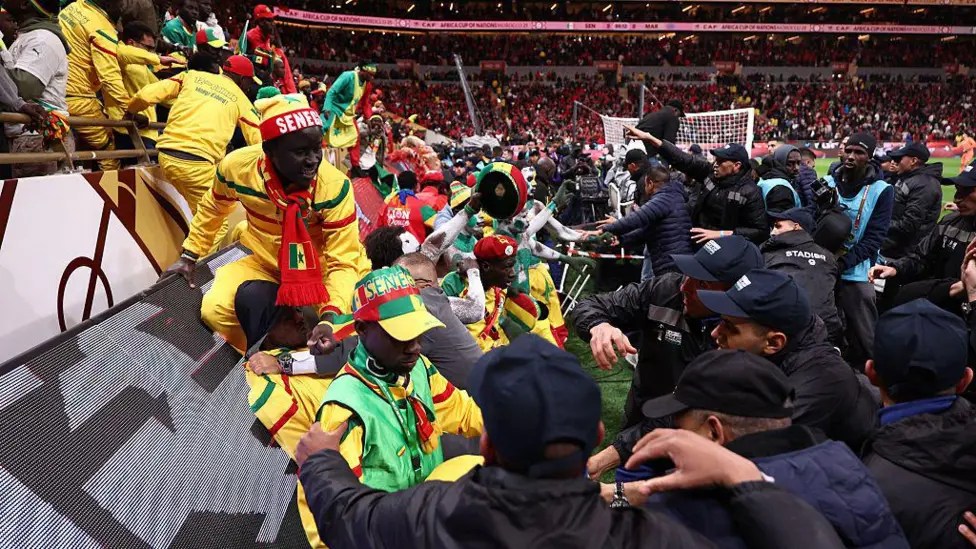
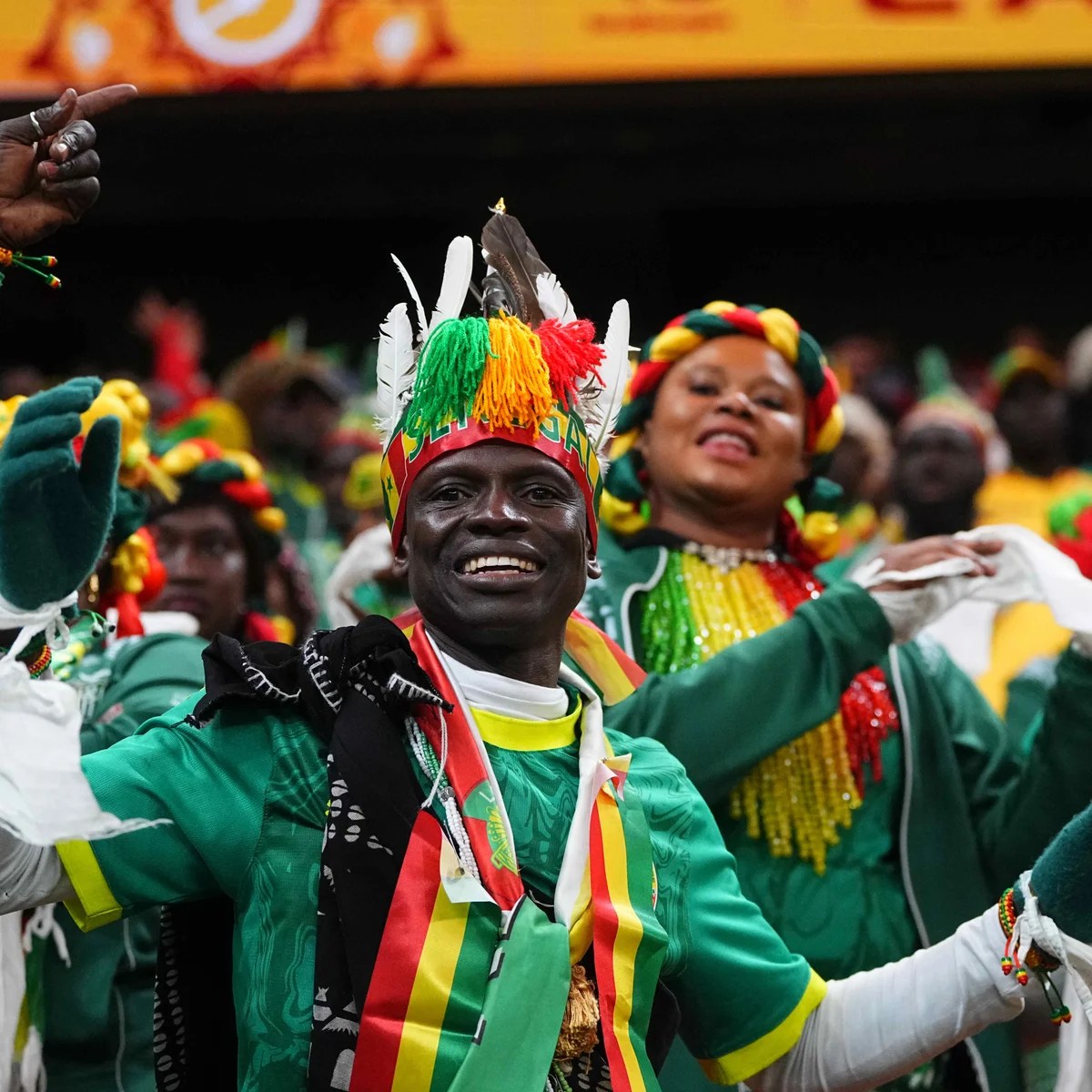 Senegal fans enjoy the Afcon final in Rabat in January, even if their team were stripped of the title after the controversy in the win against Morocco.
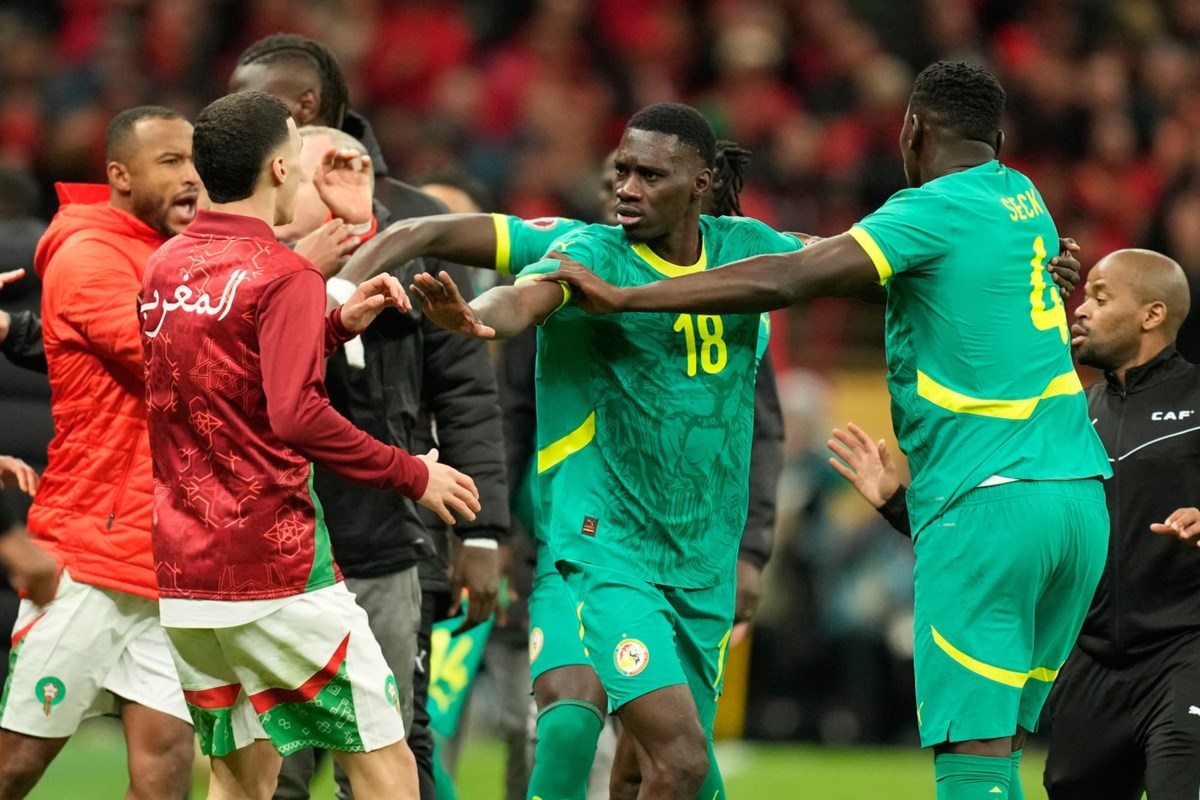
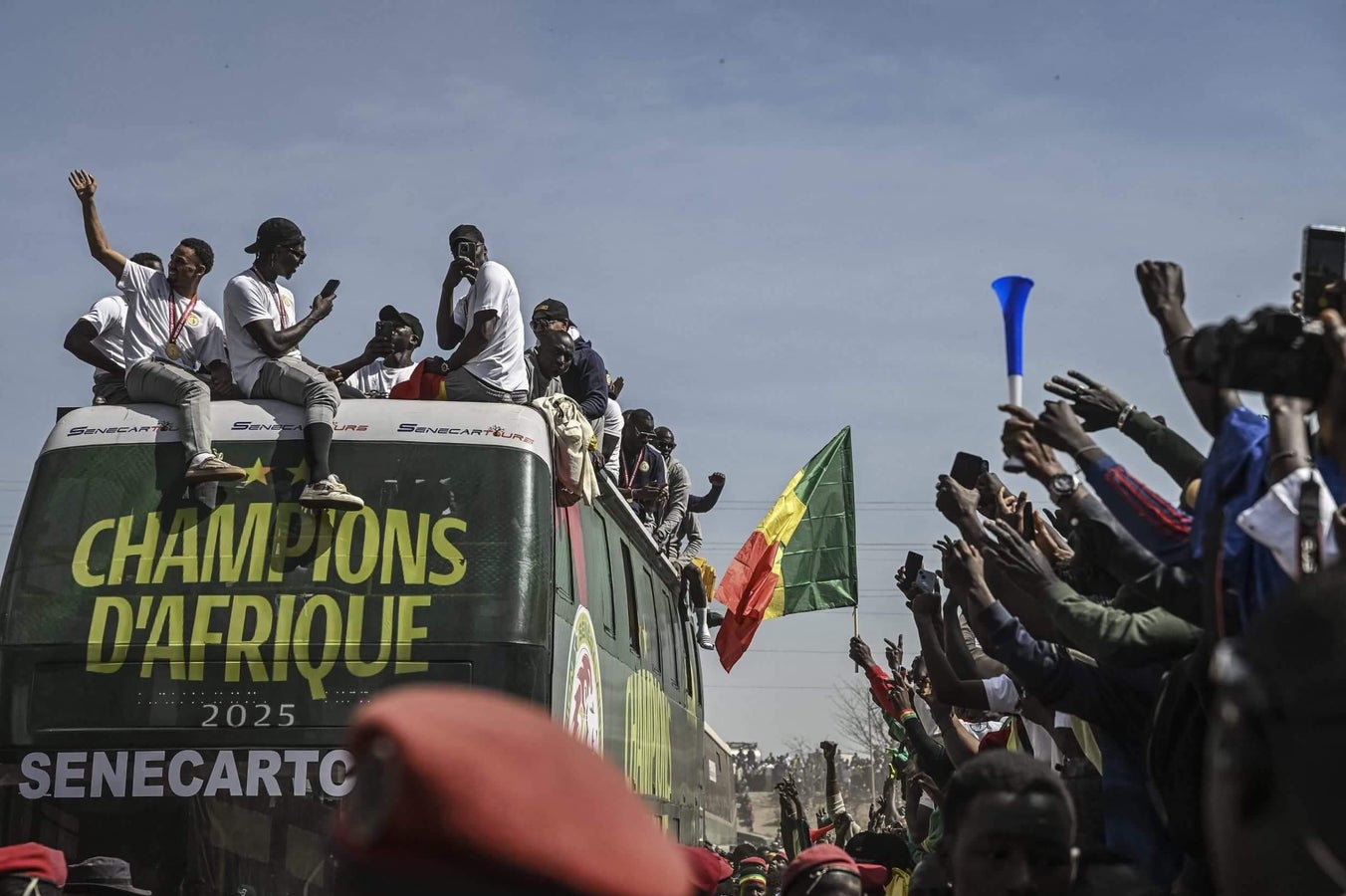 “On Tuesday, Senegal were stripped of their Africa Cup of Nations (AFCON) title, two months after beating Morocco in the final. The Confederation of African Football (CAF) appeal board named Morocco as the new champions. This came after Senegal manager Pape Thiaw and his players walked off the pitch in protest at decisions made by referee Jean-Jacques Ndala during that final, leading to a 17-minute delay before they returned and eventually won the match 1-0 following extra time. However, CAF has awarded Morocco a 3-0 victory in a move that has stunned observers across Africa and the football world. William Troost-Ekong is a former Nigeria captain who won the Player of the Tournament at AFCON 2023 and featured at the 2018 World Cup. …”
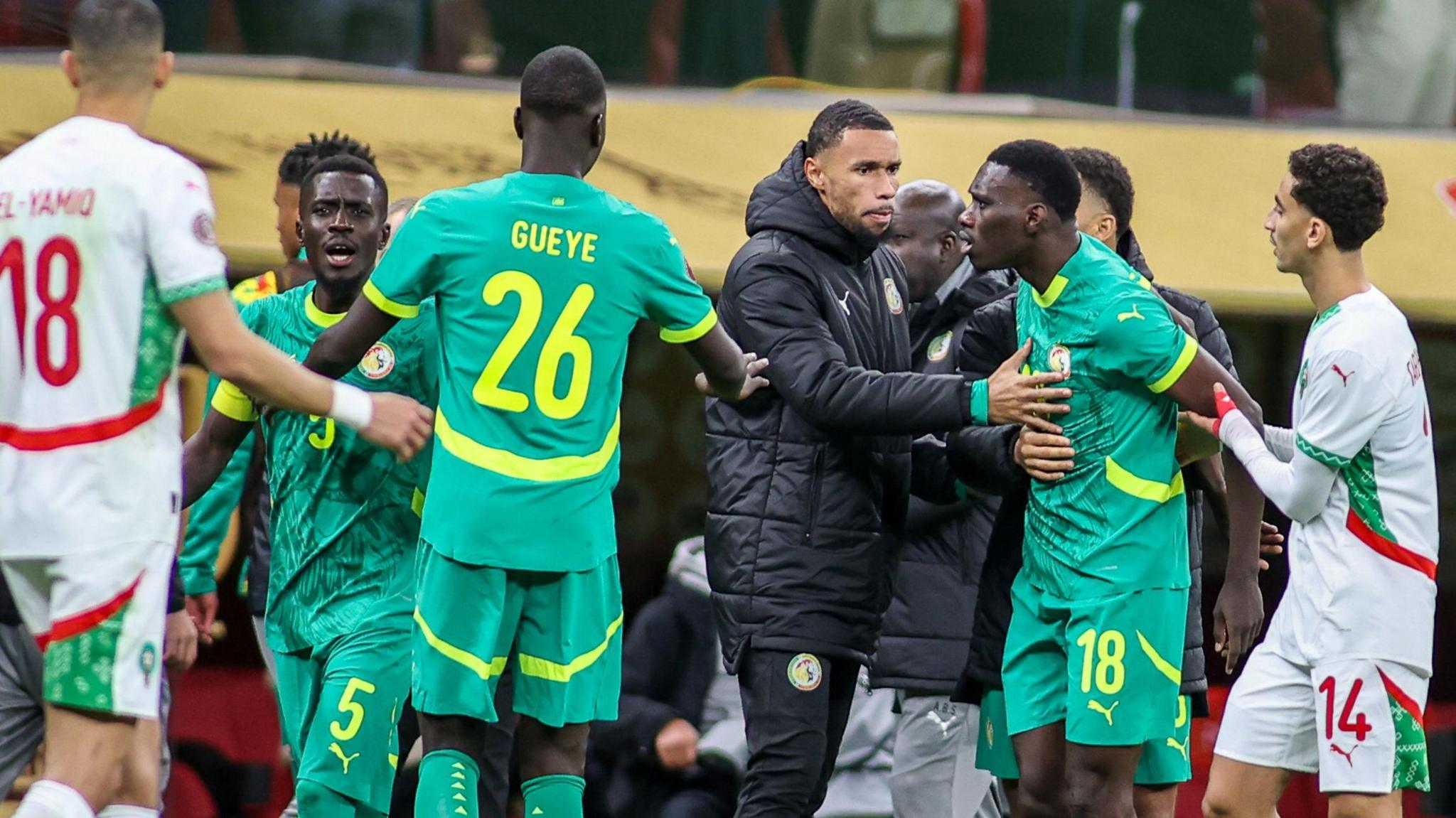 “You could be forgiven for thinking that the final of the latest Africa Cup of Nations was decided on a patch of grass inside the Prince Moulay Abdellah Stadium in Rabat two months ago. If only it were that simple. A final judgment on its winners will now be made by the Court of Arbitration for Sport (CAS) in Lausanne, Switzerland, with Senegal challenging the Confederation of African Football’s (CAF) verdict, which instead
 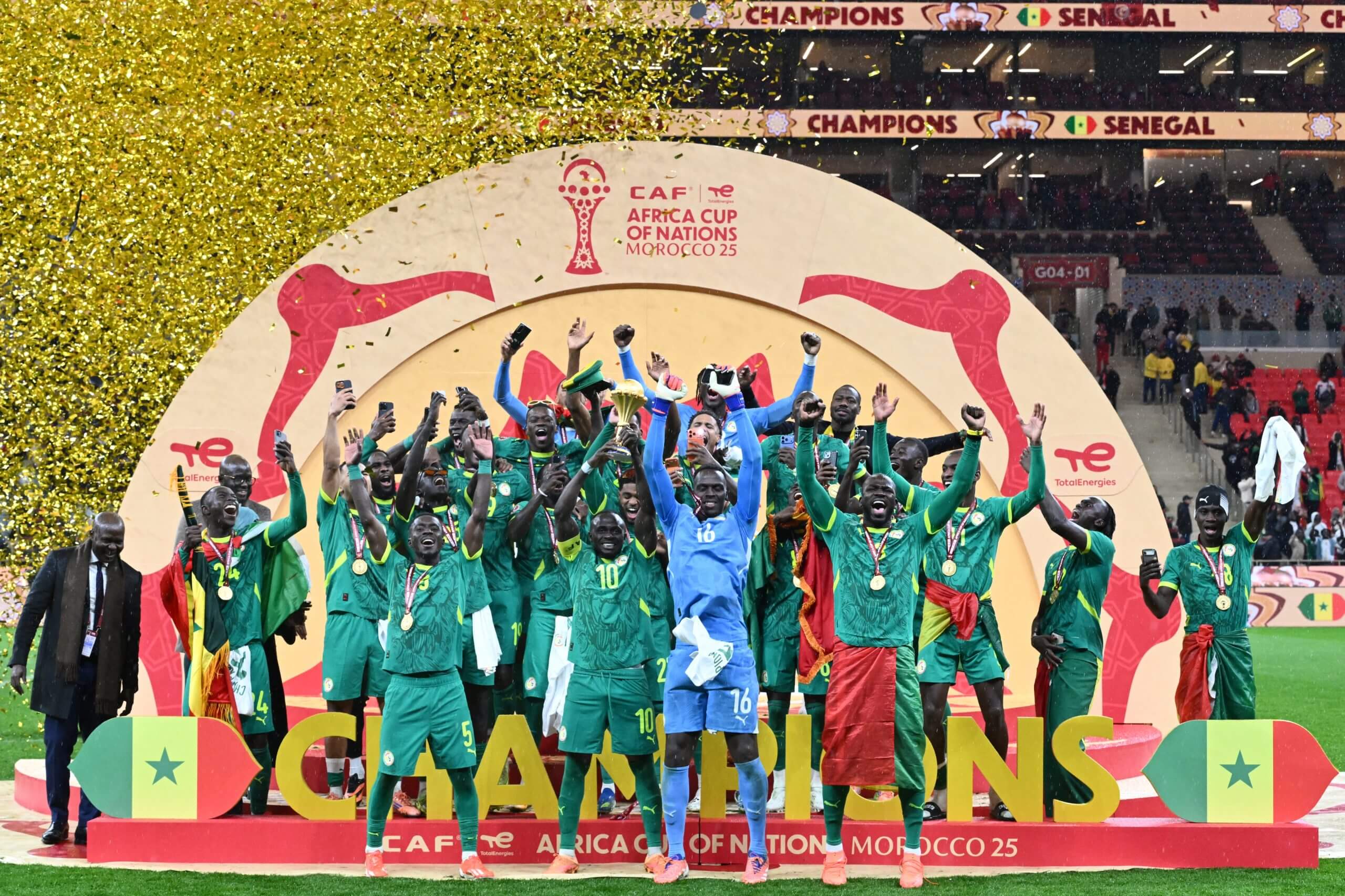 “The result of the 2025 Africa Cup of Nations final has been reversed, with hosts Morocco now standing as 3-0 winners after a stunning decision from the competition organisers. The Confederation of African Football released a statement on Tuesday evening, 57 days after the final, saying that its appeal board had declared that Senegal have now forfeited the game, which they had won 1-0 on January 18. CAF said the decision came after an appeal from the Royal Moroccan Football Federation (FRMF) following that match, which Senegal won in extra time
 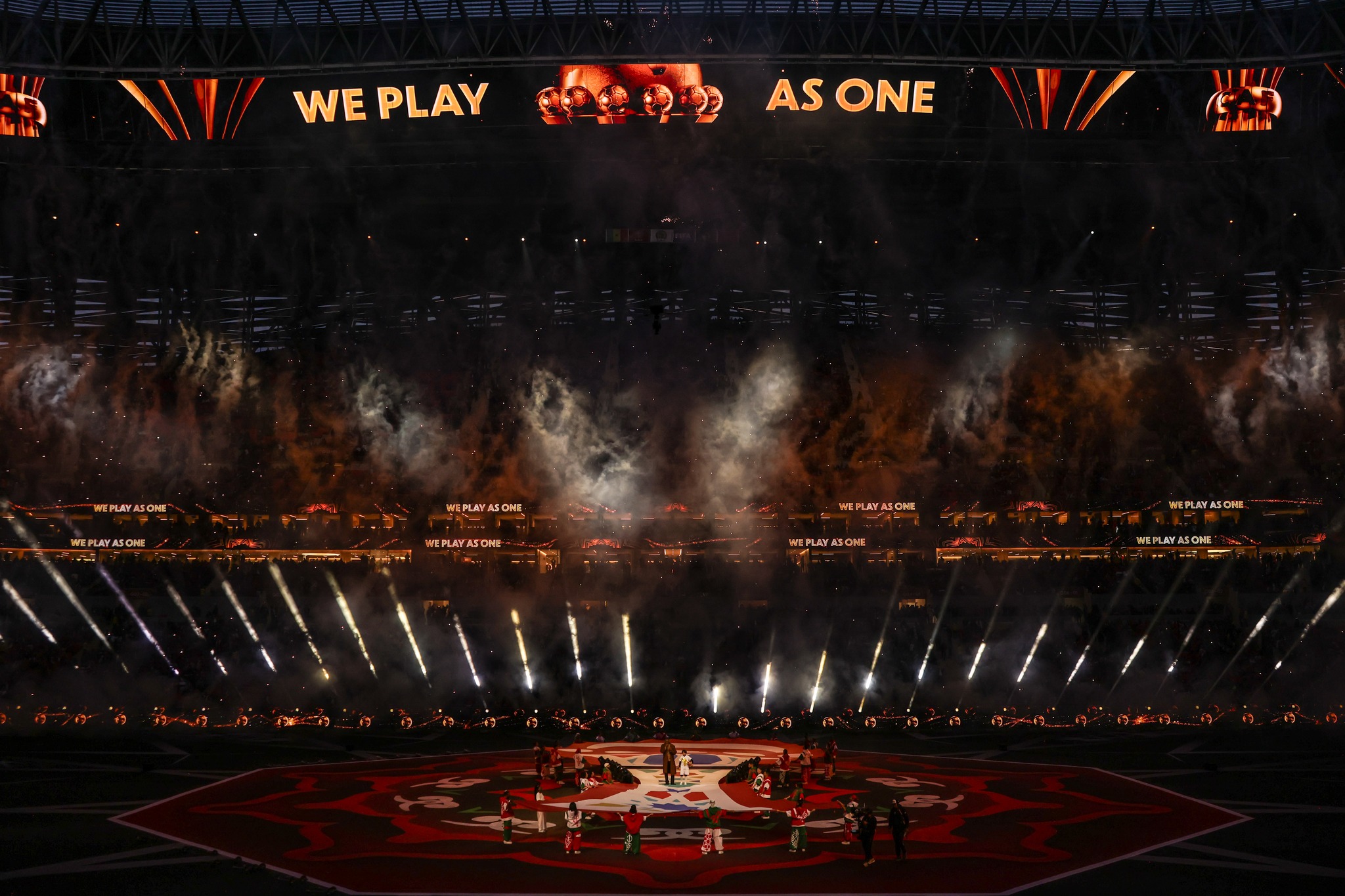 “Although Senegal’s AFCON final victory against Morocco drew a full crowd, the tournament confirmed a persistent reality. Outside of host-nation matches, stadiums stands remained sparse. With twenty-four teams competing, representing nearly half of Africa’s nations, one might have expected significant traveling support for each country’s games. Yet, even with impeccable organization and world-class facilities, attendance remained sparse, revealing deeper, systemic issues that extend well beyond sport. This phenomenon is not new. In Egypt (2019), to fill empty stands, organizers had recourse to soldiers dressed in team colors (BBC Sport, 2019). The sparse stands that television production cannot hide are a recurring characteristic of many AFCON matches. …”
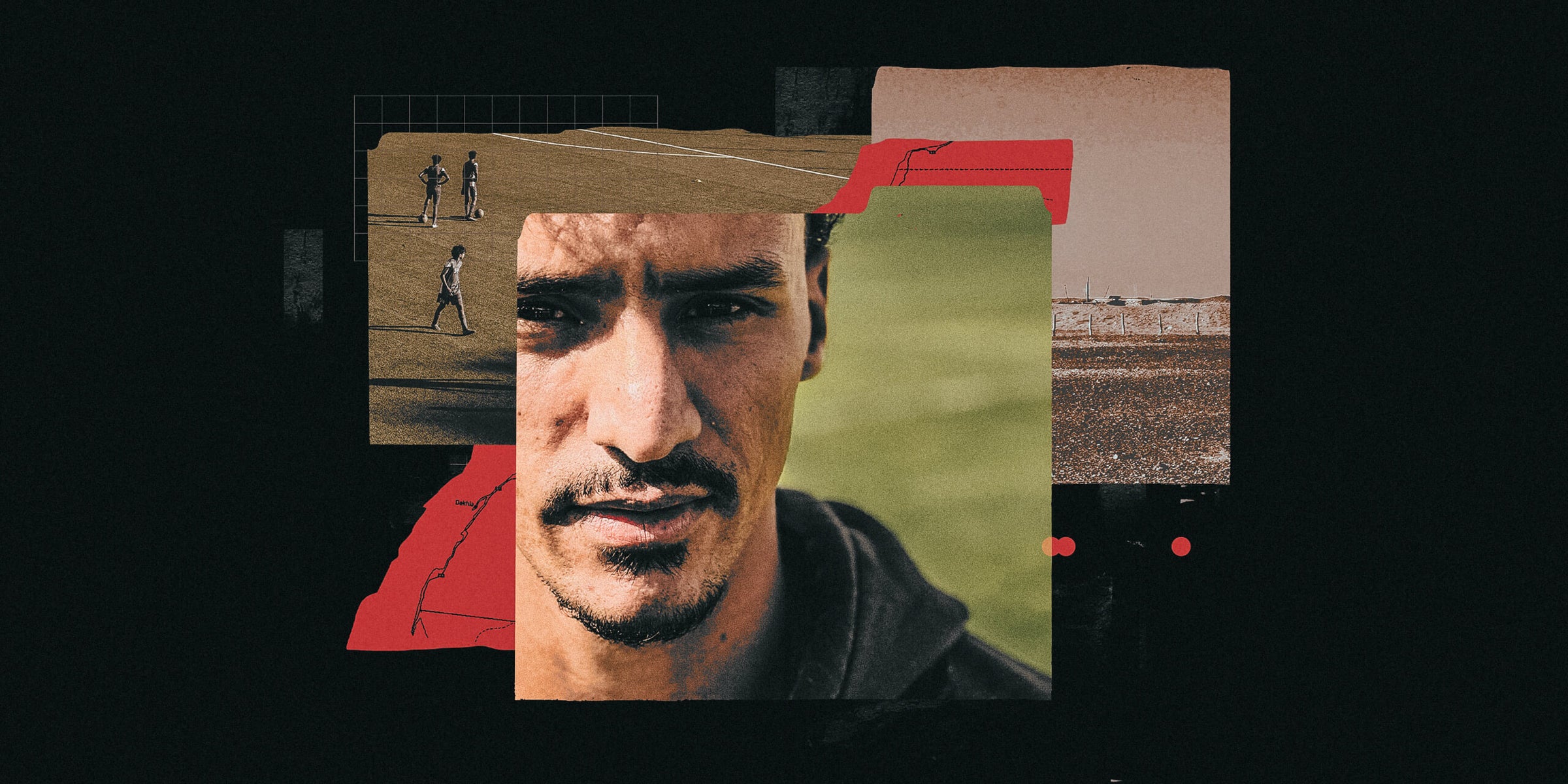 “Ali Radjel’s teeth are stained yellow and brown but he does not mind showing them because it gives him an opportunity to talk about the disputed territory he represents as a footballer. Dentists in Spain, where Radjel now lives, have told him the discolouration is a consequence of drinking too much salt water (fluoride) as a child in Tindouf, a refugee camp associated with Western Sahara, a region also known as the last colony of Africa. He says many of his friends from the same camp have this problem: ‘It is like a tattoo — it tells everyone, ‘We come from the desert… where it is hard to survive…’ …He loves Spain for giving him a future, but he longs for Western Sahara, even though he has never been able to truly call it home. Spain withdrew from the territory after 92 years of control in 1975, transferring power initially to Morocco, located to the north, and Mauritania to the south. …”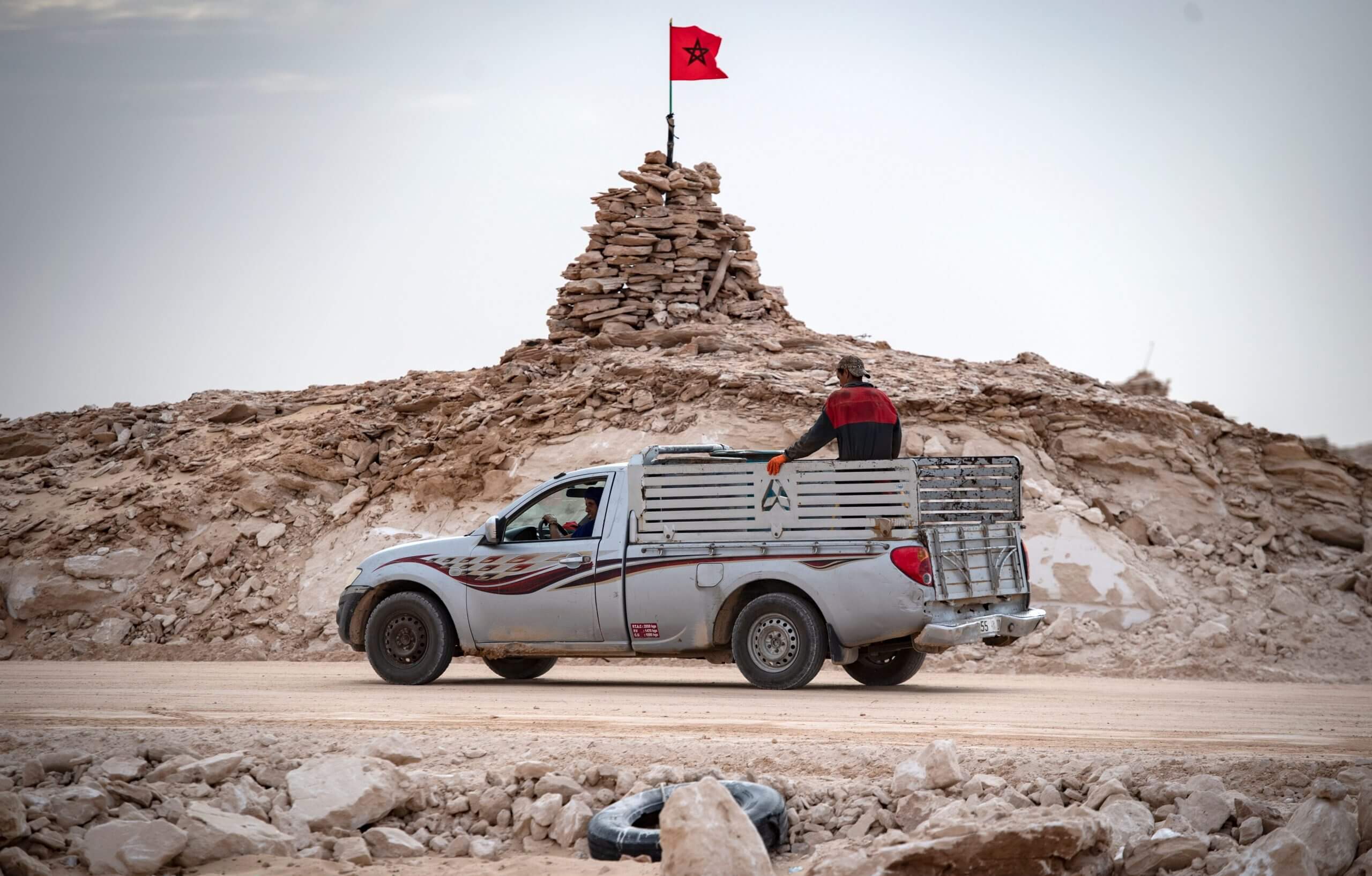
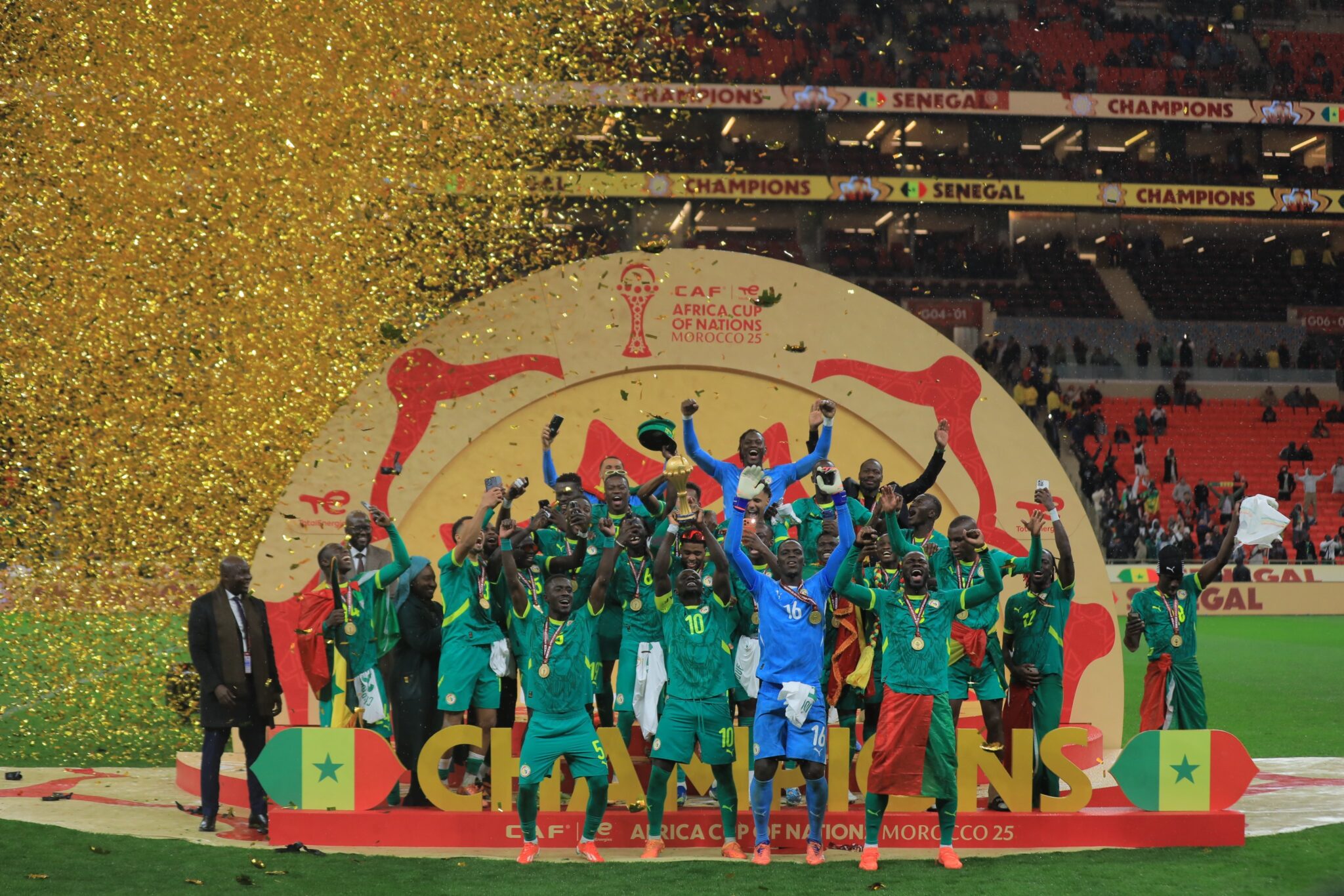 “Youssou N’Dour’s ‘Gaindé’ is the perfect music to listen to during a trophy ceremony. It is rhythmic, uplifting, and irresistibly catchy. That’s what I was thinking to myself as it blared through the Prince Moulay Abdellah Stadium sound system and confetti cannons blasted golden ribbons into the rainy Rabat night. Moments later, Sadio Mané lifted the 2025 Africa Cup of Nations in front of the photographer corps furiously clicking their shutters, immortalizing the 35th champion of our continent’s flagship tournament. To be honest, the rest of the night feels like a fever dream. I only remember flashes burned into my mind like overexposed film. …”
 “
“
 Lailah Khallouk, left, and Saoud Talsi outside Trellick Tower. Football ‘has completely united the Moroccan diaspora’.
 “Reading the Africa Cup of Nations through its stands alone means missing what it produces socially. The stands give the tournament a visible form, but they offer only a partial account of how the tournament is lived. The stands bring together, in a single place, gestures that give meaning to the tournament. Michel Kuka Mboladinga’s performance, which reproduced the posture of Lumumba, is a striking illustration of this. Such a scene resonates because it condenses, in a single moment, a political memory and a sporting event. The stadium offers a stage to gestures that then take on a different dimension. It concentrates, and makes legible what would otherwise remain diffuse. This is why the stands continue to occupy a central place in how a tournament is perceived, evaluated, and judged. But a decisive part of the tournament’s experience unfolds in more ordinary spaces, where engagement takes other forms. In cafés, public spaces, and informal settings, often well before the question of going to the stadium even arises. …”
 Morocco’s goalkeeper Yassine Bounou makes a crucial penalty save against Nigeria Morocco’s goalkeeper Yassine Bounou makes a crucial penalty save against Nigeria
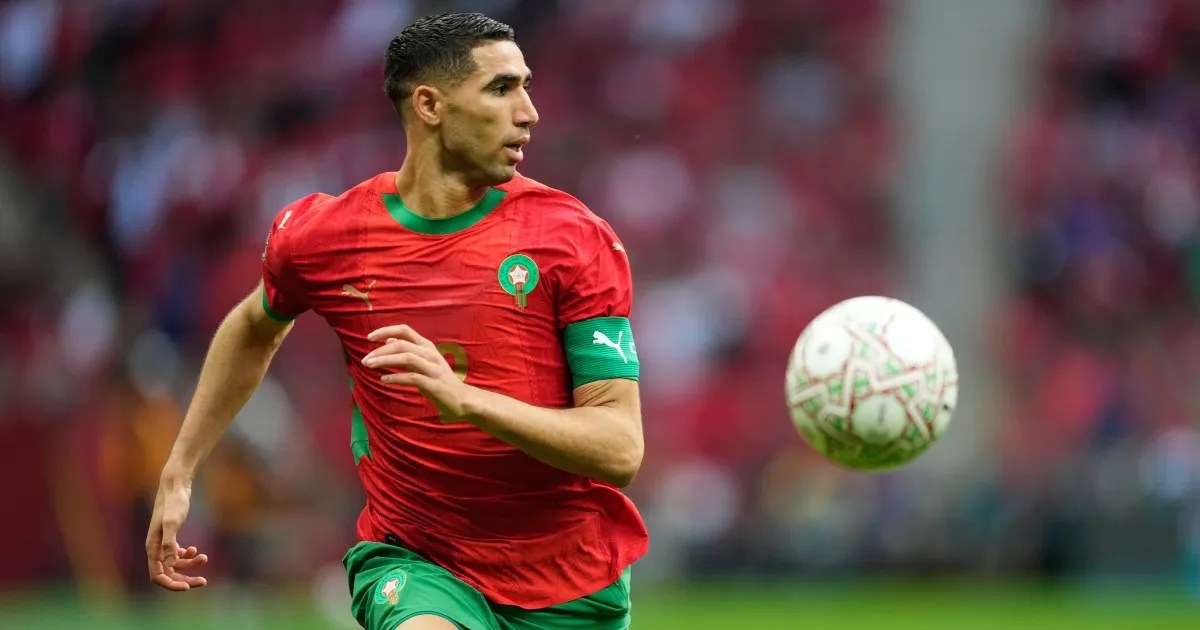 “At last, Morocco have arrived at the tournament they are hosting. For four games they had played scratchy, crabbed football. Finally, in a spiky, ill-tempered quarter-final, there was something more like the Morocco that reached the semi-final of the World Cup two years ago. If the game wasn’t fluent, that was largely Cameroon’s doing as they spoiled and delayed and sought treatment for injuries. But the hosts, for the most part, retained their cool, protecting a lead earned with verve in the first half with maturity in the second. …”
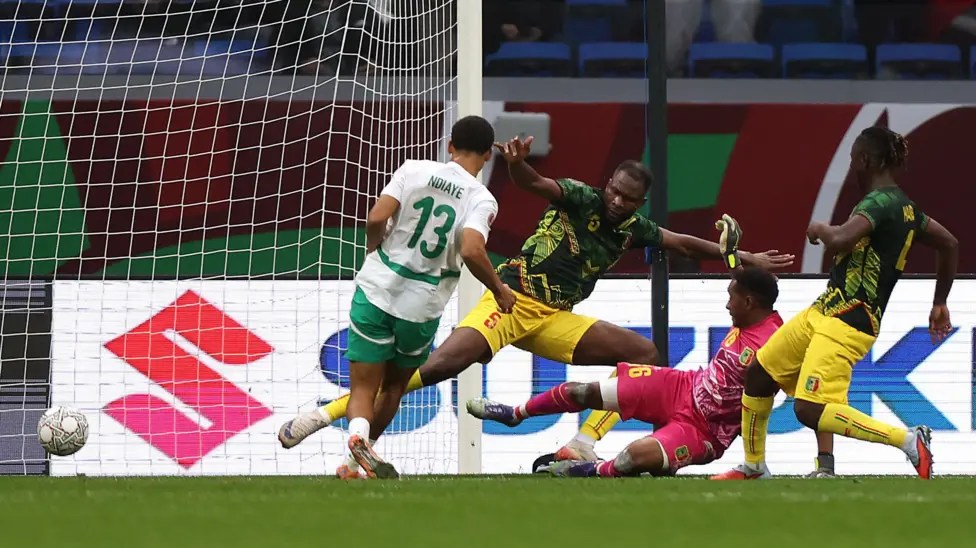 Iliman Ndiaye netted his first goal at Afcon 2025 to send 2021 champions Senegal into the last four
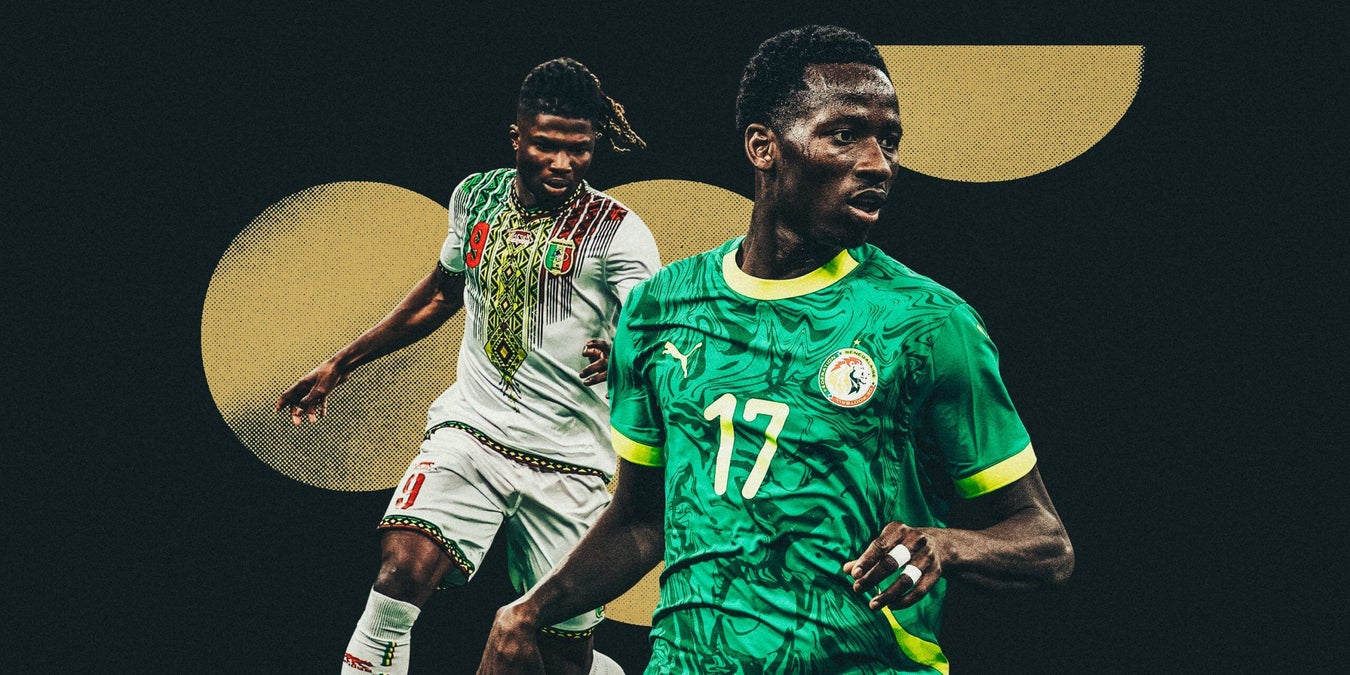 “The Africa Cup of Nations (AFCON) is in full swing, and while you will have mostly been concerning yourself with the business of who’s winning and who’s losing, there is one very important thing to consider. Yes, that’s right: the kits. At past AFCONs, the kits on display have varied wildly: there have been the good, the bad, the garish, the boring, the outlandish and the plain mad. Happily, this tournament is no different. So read on to discover the definitive verdict on who has worn the best threads out in Morocco (we’ve only included the kits that have actually been worn as, sadly, some have not yet seen the light of day). …”
 “The residents of Asni, a village in the foothills of the Atlas Mountains, describe the snow-capped view as ‘paradise’. Above them is the tallest peak in North Africa, Mount Toubkal, which seems right there but is in fact a two-to-three-day hike from the nearest road — getting to which is itself a treacherous drive of several hours, usually requiring a 4×4 vehicle to coil around bone-dry gorges and navigate hairpin bends. The russet-coloured valley that leads towards Toubkal is a beautiful, sweeping land where the silence is amplified only by the sudden noises that break it: a farmer collecting twigs for a fire, dogs barking, or a muezzin’s cry from the mosque. Not so long ago, the unique sense of place was marked also by the sight of the Berber communities on the mountainside, with their low, flat-topped homes and rough-textured dried mud walls. …”
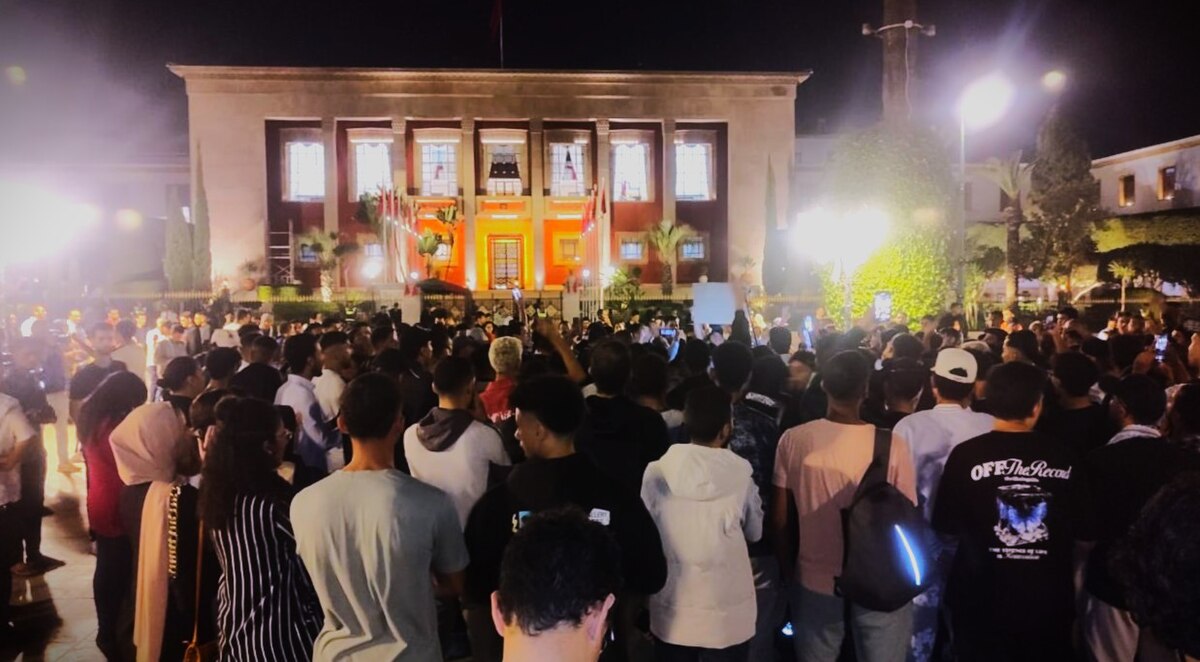 Demonstrations in front of Parliament in Rabat

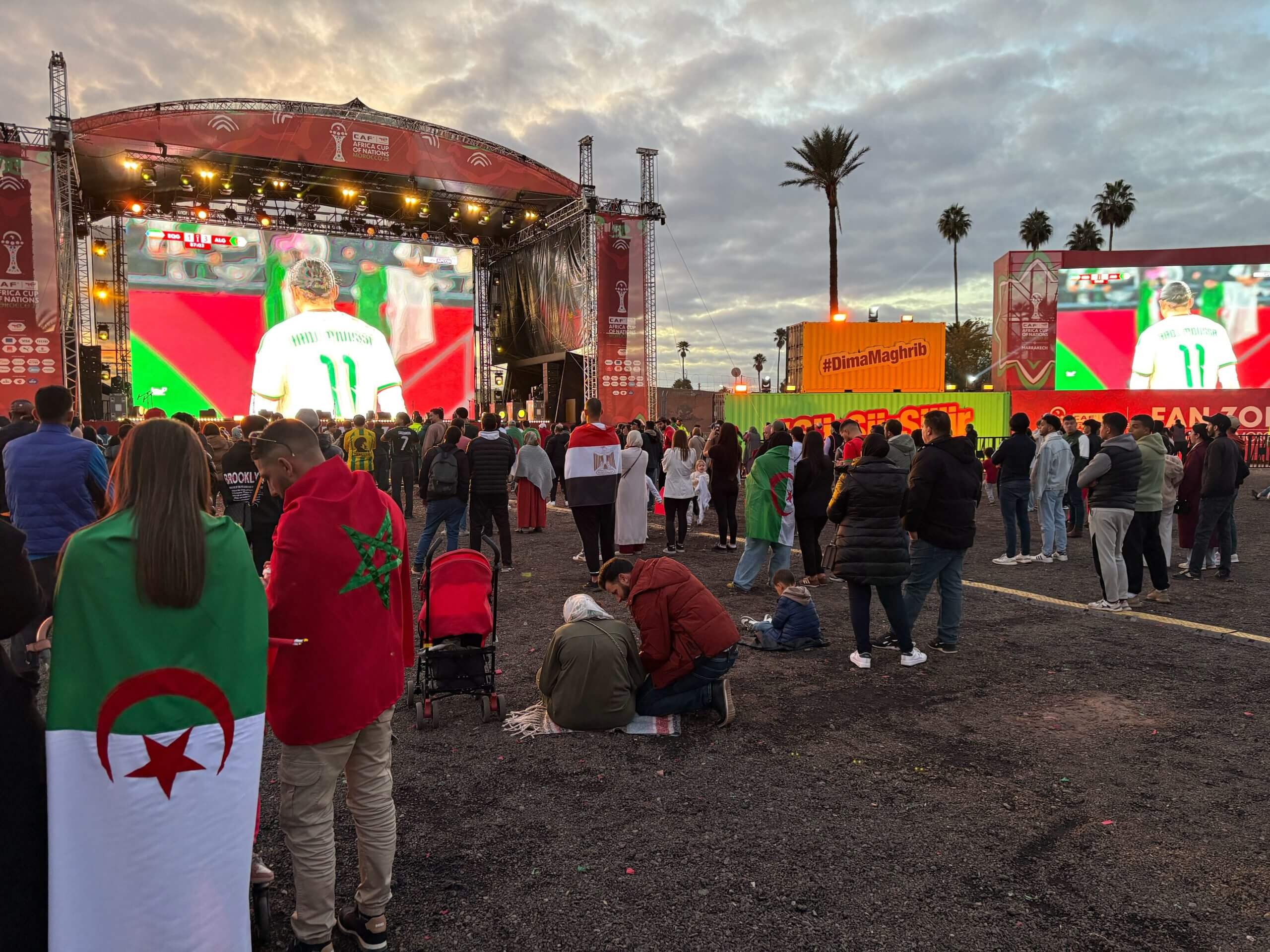
 “Ahead of South Africa’s final group match against Zimbabwe, Bafana Bafana head coach Hugo Broos sat down with a gaggle of South African journalists, and in a moment of candor sparked a debate that has since rippled across the African footballing world. ‘In the Ivory Coast and in Gabon, every second of the tournament you felt that you were in a tournament,’ Broos said. ‘When we went by bus to training, people were waving flags, running alongside us. Here, you see nothing. There is no vibe. There is no typical AFCON vibe. I don’t feel it here.’ The remarks proved divisive. Some echoed Broos’ assessment, while they angered others. Those who agreed with him drew comparisons between the ongoing 2025 Africa Cup of Nations and the 2023 edition in Côte d’Ivoire, arguing that the current tournament lacks some of the spontaneity, warmth, and energy that defined the last AFCON. …”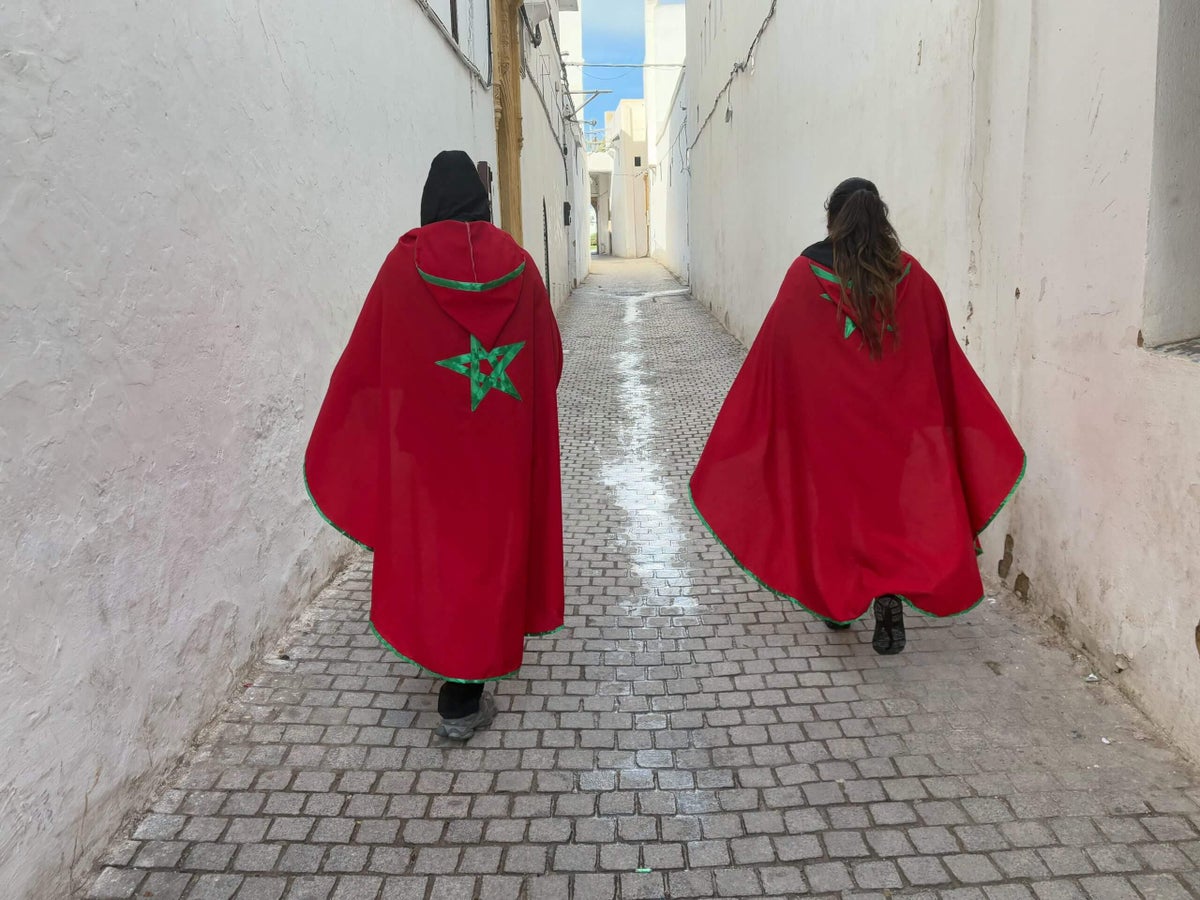
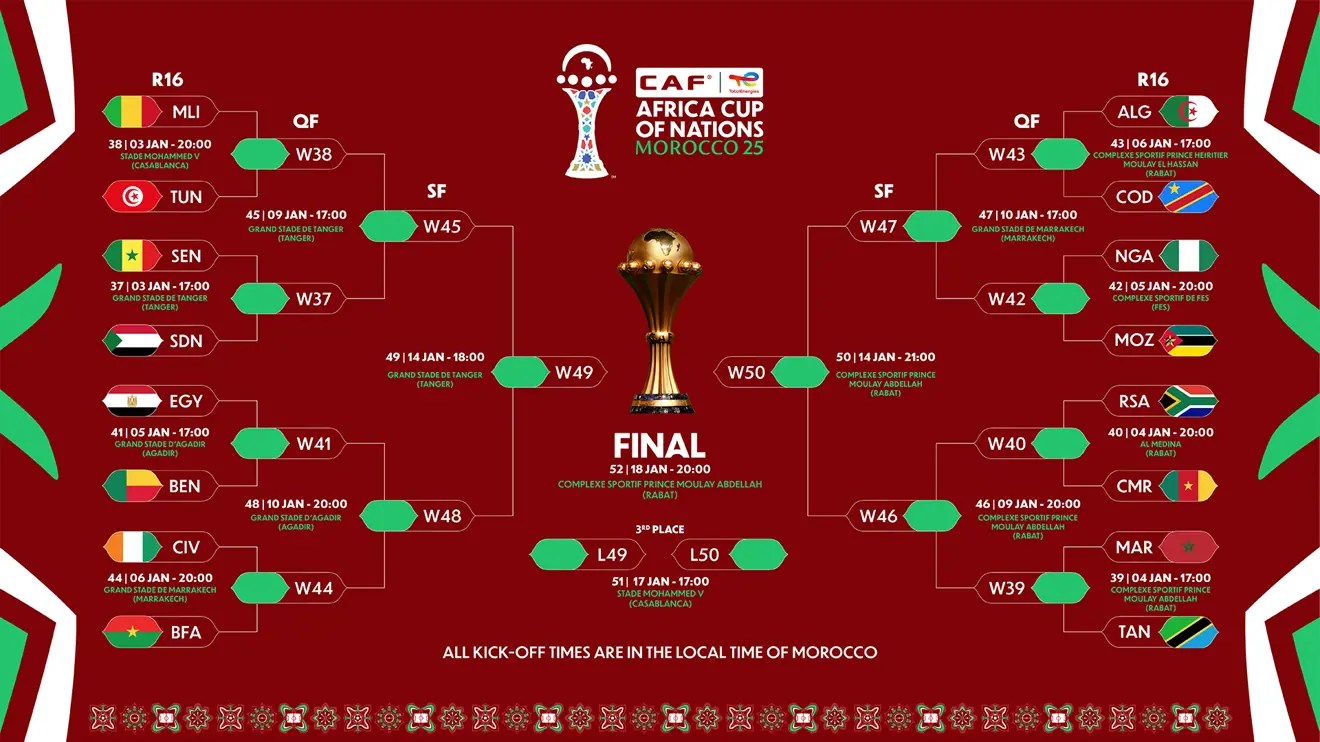 “The knockout stage of the
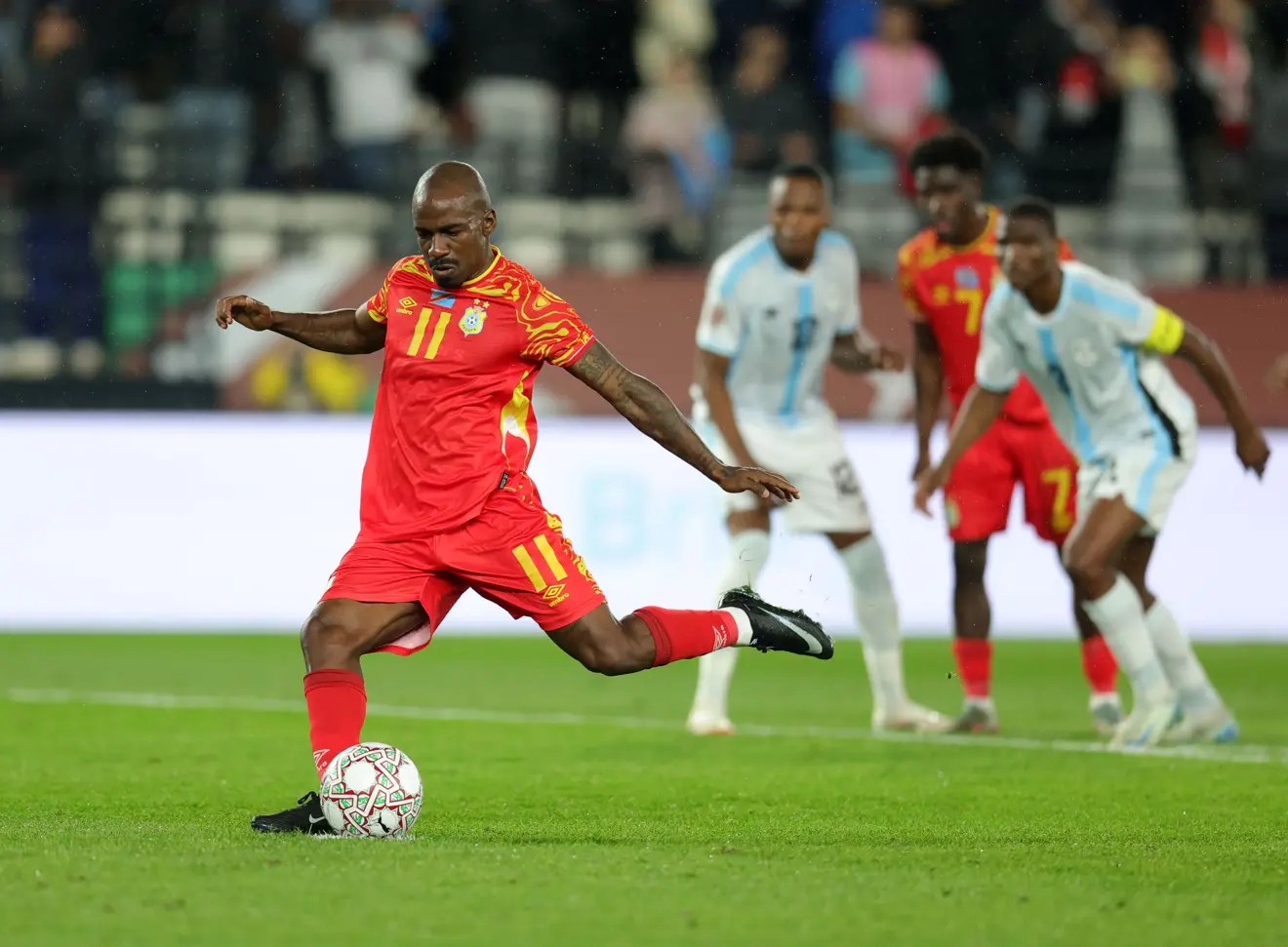 “Senegal underlined their TotalEnergies CAF AFCON title credentials with a commanding 3-0 victory over Benin in their final Group D encounter, in an entertaining contest played in Tangiers on Tuesday evening. The former African champions made a purposeful start and were rewarded in the 38th minute, when Abdoulaye Seckrose highest to power home a header from Krépin Diatta’s well-delivered set piece, giving Senegal a deserved lead at the interval. Benin showed greater urgency after the restart, testing Édouard Mendy through efforts from Aiyegun Tosin and Junior Olaïtan, but Senegal remained well organised at the back and clinical in their attacking play. Senegal doubled their advantage in the 62nd minute, with star forward Sadio Mané turning provider, slipping a neat pass into the area for Habib Diallo, who made no mistake with a composed left-footed finish from close range. …”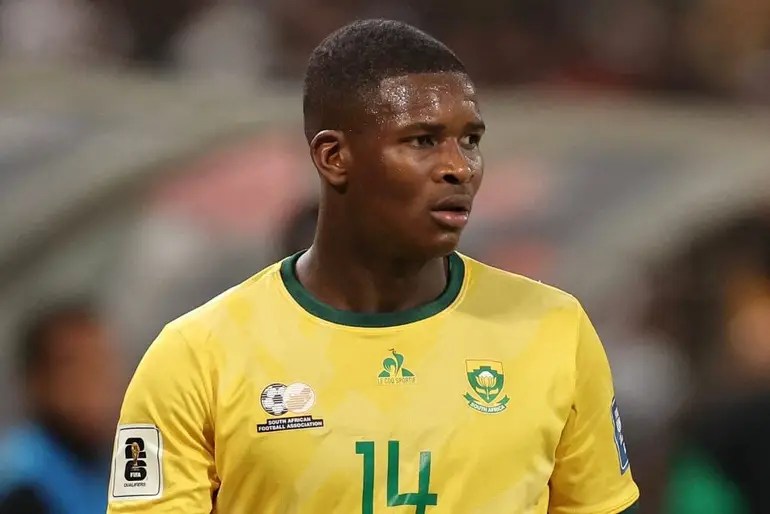
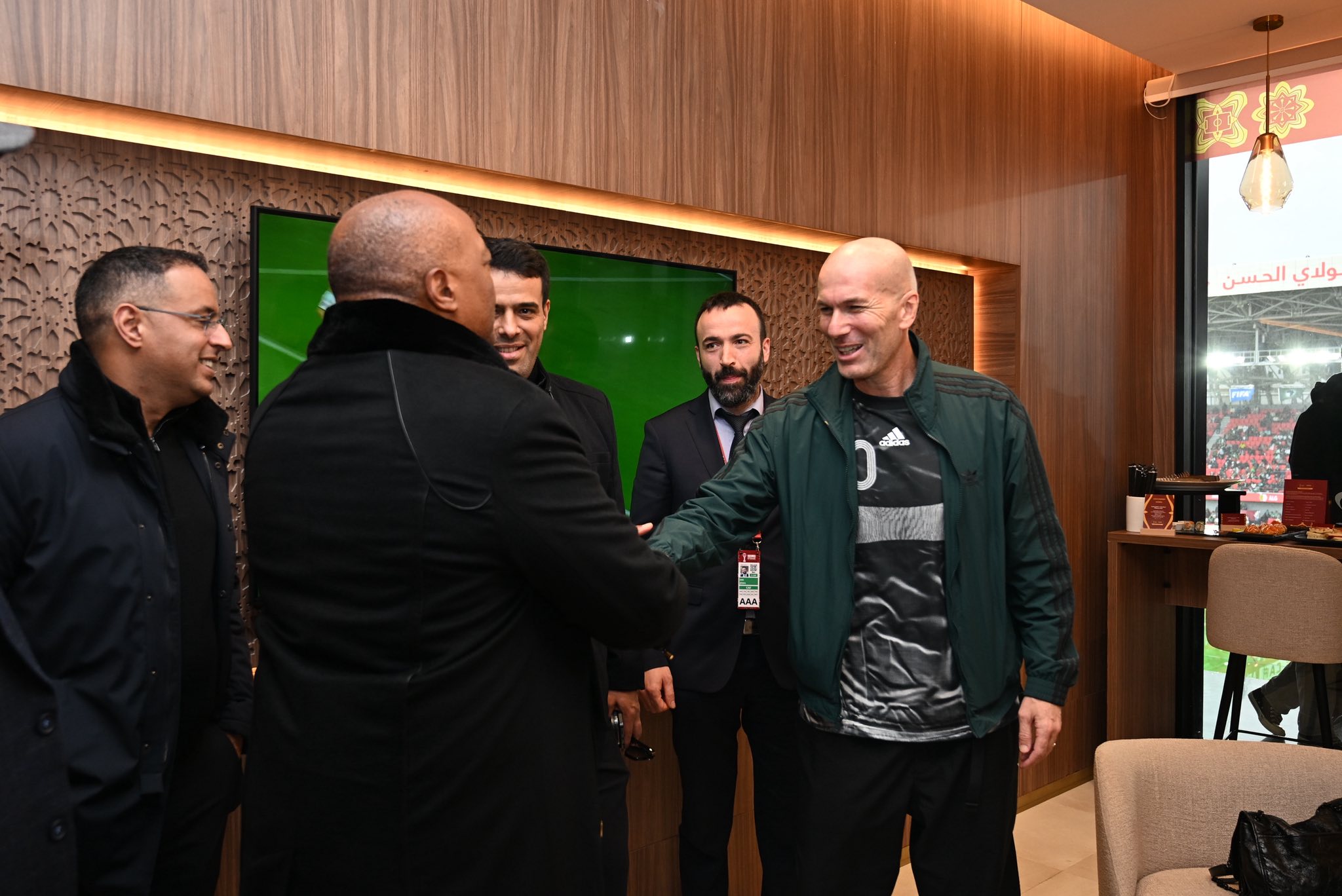
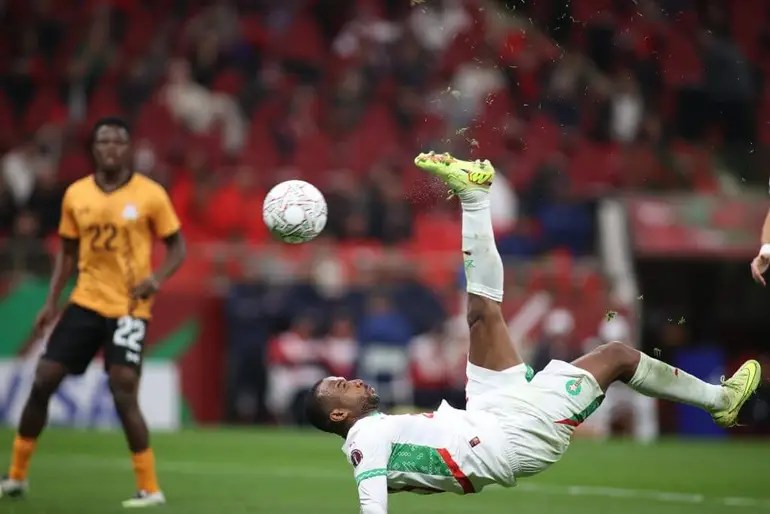
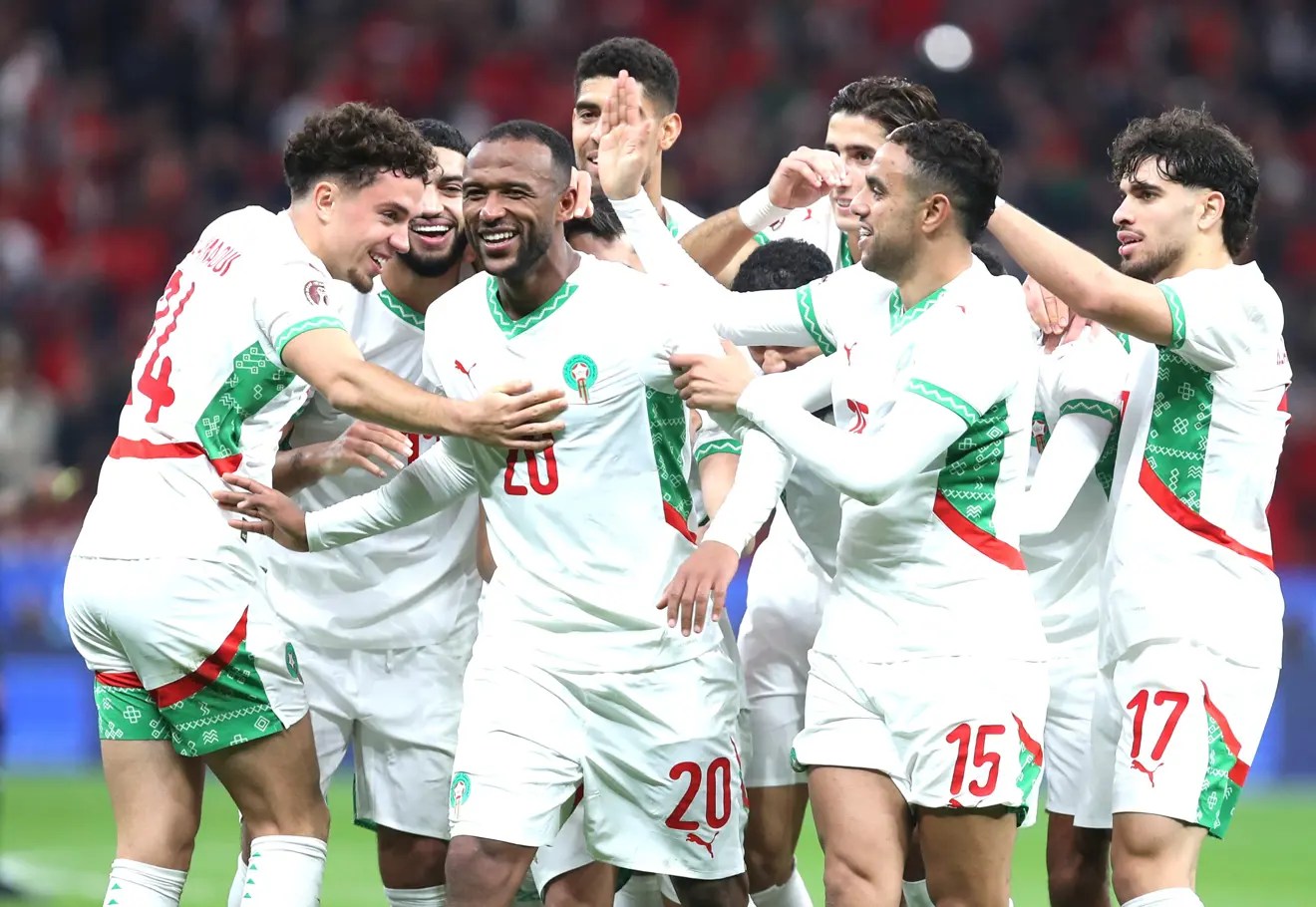 “Morocco responded emphatically to the pressure of a decisive final group match, producing a commanding 3–0 victory over Zambia on Monday night to finish top of Group A at the TotalEnergies CAF Africa Cup of Nations 2025. The hosts set the tone early, playing with urgency and clarity from the opening exchanges. Their dominance was rewarded inside nine minutes when Ayoub El Kaabi opened the scoring. A cleverly worked short corner from the right saw Azzedine Ounahi float an inviting delivery to the far post, where El Kaabi rose unchallenged to head home from close range. The second goal arrived in the 27th minute, once again highlighting Ounahi’s creative influence. The midfielder slipped a perfectly weighted pass down the left to Abde Ezzalzouli, whose low cross evaded El Kaabi but fell invitingly to Brahim Diaz. The winger showed composure to guide a left-footed finish past goalkeeper Toaster Nsabata Mwanza, doubling the lead before half-time. …”
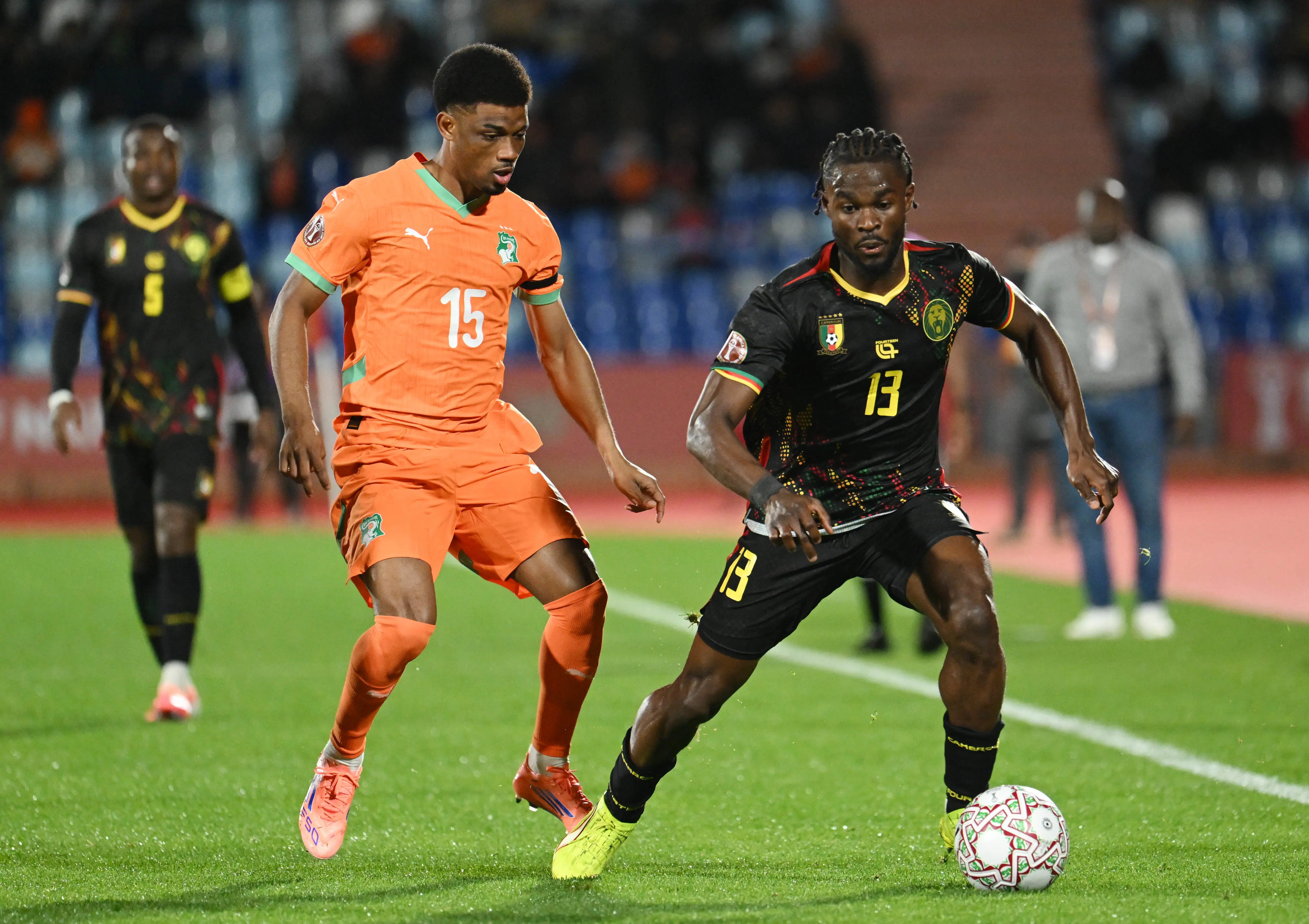 “Cameroon and defending champions Côte d’Ivoire shared the spoils in a pulsating 1–1 draw in their second Group F fixture at the TotalEnergies Africa Cup of Nations (AFCON), Morocco 2025. At the end of 90 minutes, neither side could find a decisive edge in a gripping encounter in Marrakesh. Junior Tchamadeu’s deflected effort midway through the second half cancelled out a moment of brilliance from Amad Diallo, whose stunning opener had put the Ivorians ahead in a contest rich in quality, intensity and goal-mouth action. The opening exchanges were tight and tactical, with both sides showing caution. Cameroon came close to breaking the deadlock after 20 minutes when Christian Kofane rose highest to meet a cross from the left, only to see his header crash against the crossbar. …”
 “
“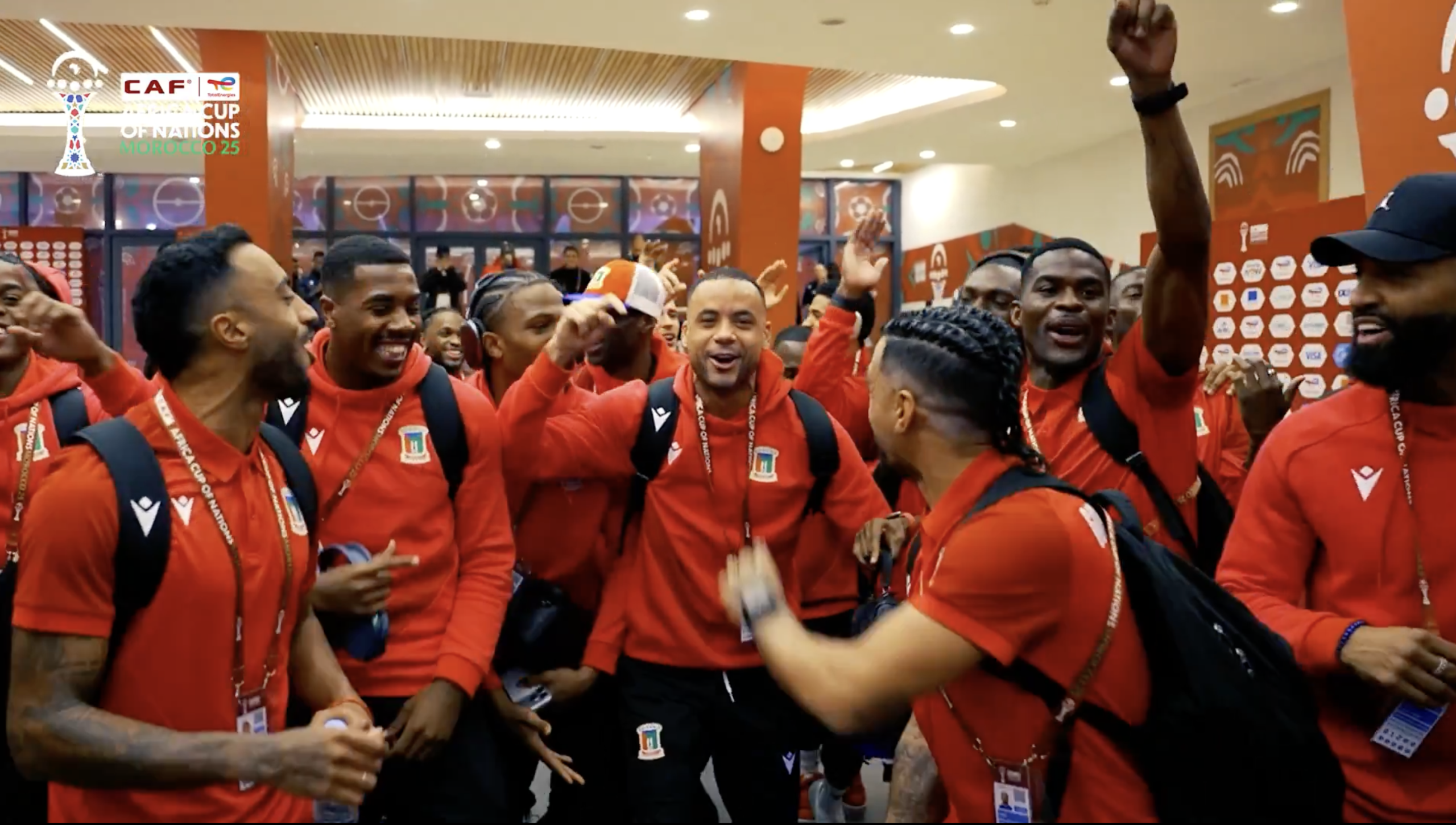 “It is impossible to imagine the Africa Cup of Nations without music. The opening ceremony is always launched with a commissioned anthem. It is rare to catch sight of young African players without headphones on. Increasingly, teams now arrive at stadiums with loudspeakers in tow, breaking into synchronized chants or dances as they make their way to the dressing room. Now that Matchday 1 of the 2025 AFCON is in the books, we’ve had enough time to get a sense of what everyone has been listening to at Africa’s biggest football party. Here’s a round-up of what players and fans are listening to after the opening matchday of the tournament. Stadium arrivals have become one of the defining features of the AFCON. In no other competition do teams step off their bus chanting in unison as they enter the stadium and walk toward the dressing room. …”
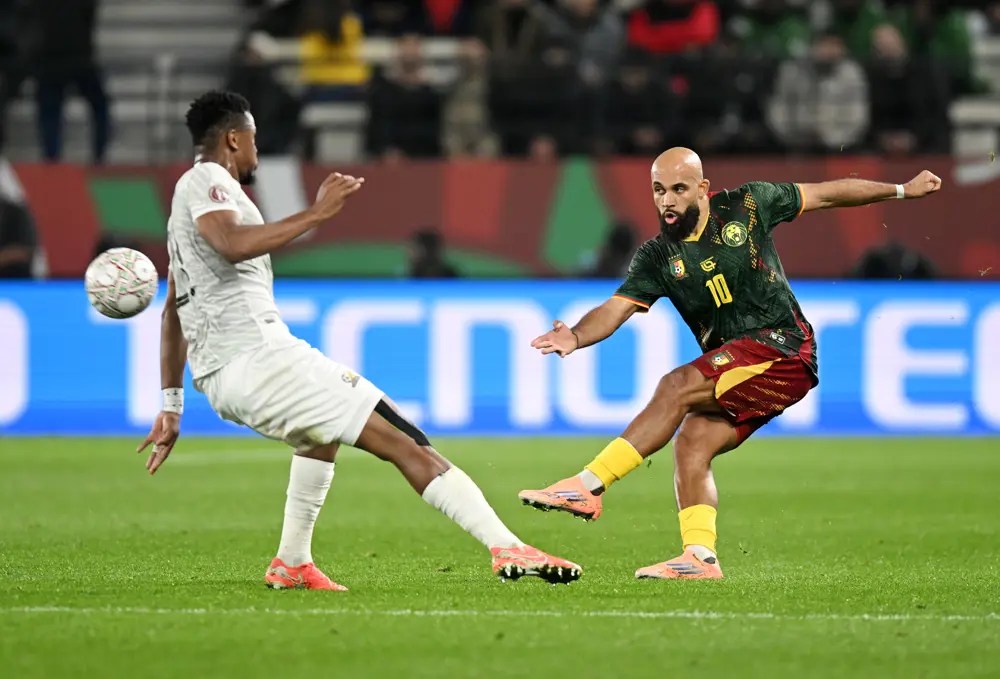
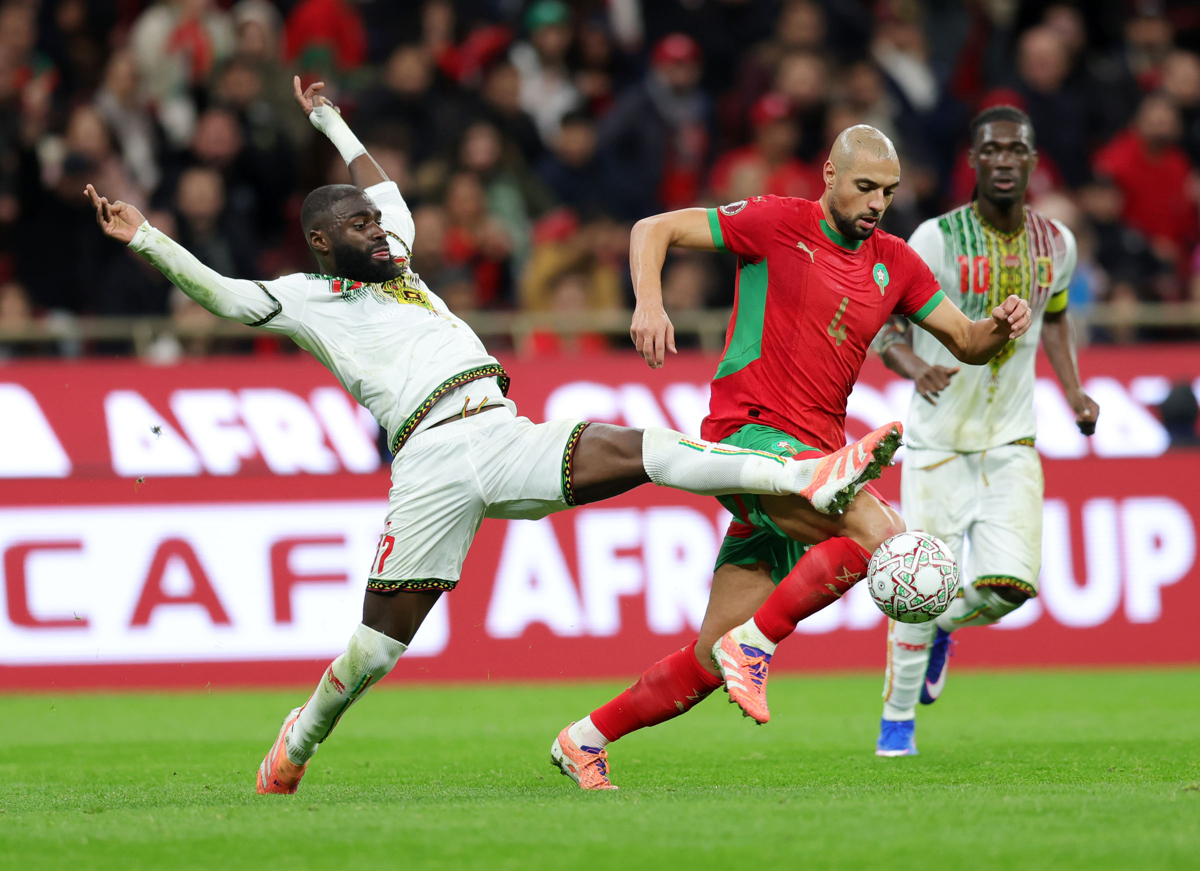 Sofyan Amrabat of Morocco challenged by Lassine Sinayoko of Mali during the 2025 Africa Cup of Nations AFCON match between Morocco and Mali at the Prince Moulay Abdellah Stadium in Rabat, Morocco on 26 December 2025

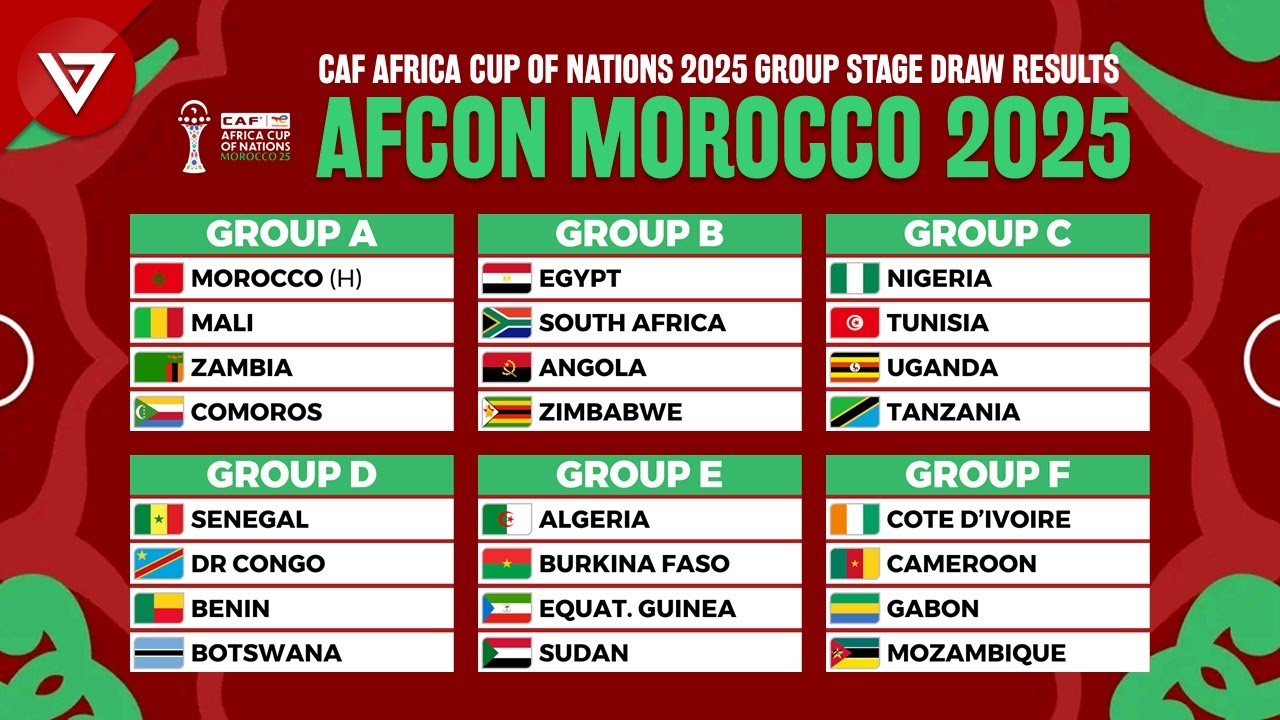
 “The 2025 Africa Cup of Nations, known in short as the 2025 AFCON or CAN 2025and for
  Ayoub El Kaabi scores an incredible goal for Morocco
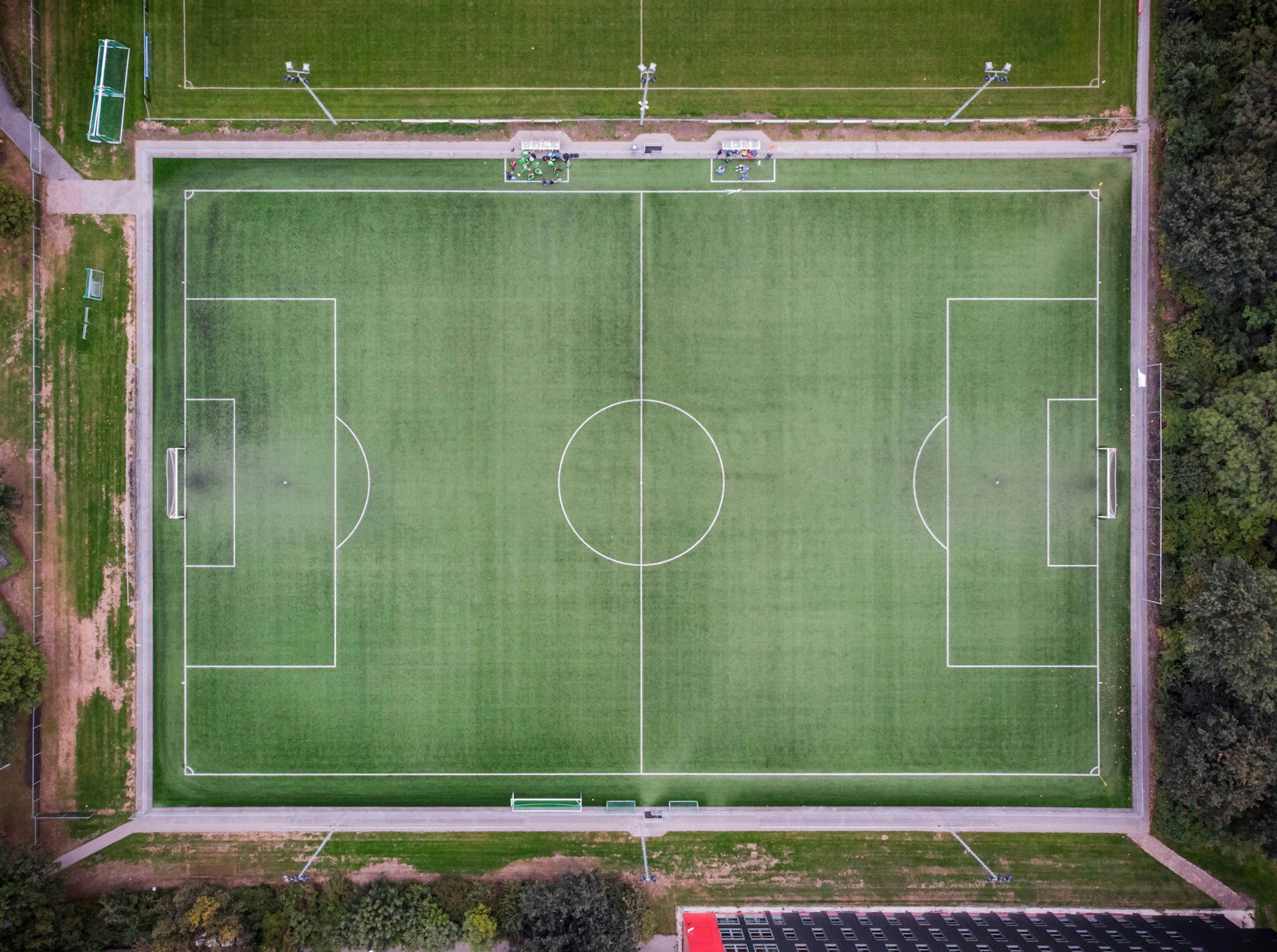 “There is something stubbornly anachronistic about the pitch. A rectangle of grass, marked out with chalk or paint, governed by rules that are simple enough to learn when you’re young and serious enough to demand a lifetime’s attention. As the old saying goes, ‘of all unimportant things, football is the most important.’ Time on the pitch is not optimized or personalized, but is shared. Ninety minutes pass whether you are ready or not, and nothing can be paused, rewound, or skipped. Bodies gather, not to curate an experience, but to submit to one whose outcome cannot be known in advance. For all its compromises, football remains one of the few mass rituals left in public life that still insists on collective presence—on being there, together, in the same place, at the same time. …”
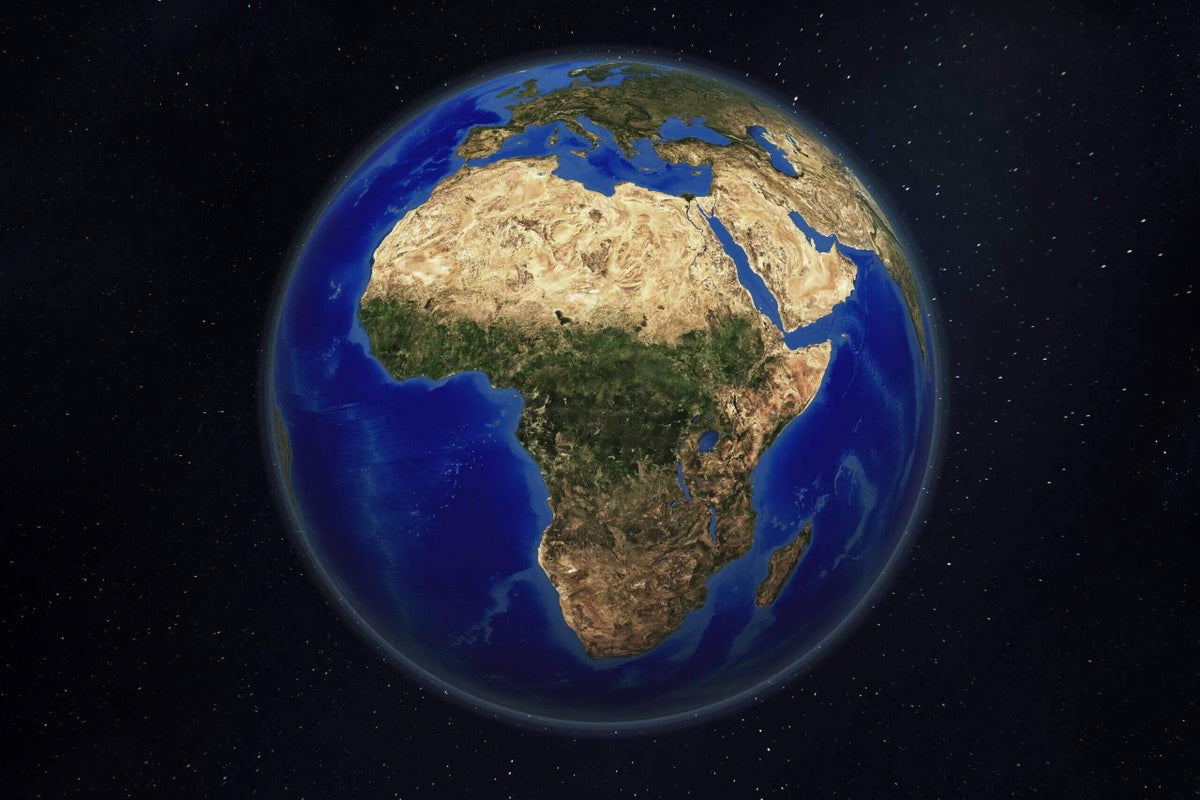 “The fingers of Europe and Africa were almost touching and between them, at the end of a golden hour, the sun merged with the horizon. With the sky turning from orange to purple, the serrated edges of Morocco’s extreme north became clearer. The Port of Tarifa in Spain was getting smaller, yet it never disappeared. Laurie Lee described the town as ‘washed-up Africa’ because of its proximity to the continent, which is just nine nautical miles away. From the eastward-facing deck of the Balearia ferry, you could see the white cliffs of Gibraltar. There, you have warm beer, Marks & Spencer, red phone boxes and cannons facing towards the invisible enemies. On the other side, you could see Morocco, with Jebel Musa brooding and the sparsity of the Rif mountain range behind it, which forks sharply like a sheath of daggers. …”
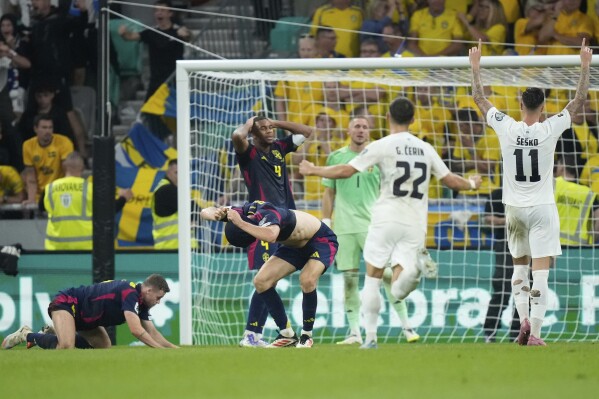 “France struck early through Michael Olise and sealed the points with a late Kylian Mbappé breakaway to open their World Cup qualifying campaign with a 2-0 victory over Ukraine in Wroclaw, Poland. Mbappé’s 82nd-minute strike, set up by his Real Madrid teammate Aurélien Tchouaméni at the end of a rapid counterattack, took the forward to 51 international goals, drawing him level with Thierry Henry in second place on France’s all-time scoring list behind Olivier Giroud, who has scored 57. … Italy opened Gennaro Gattuso’s reign as coach with a 5-0 home win over Estonia in World Cup qualifying, wasting chances for almost an hour before exploding in the final stages of the second half to turn dominance into a rout. …”
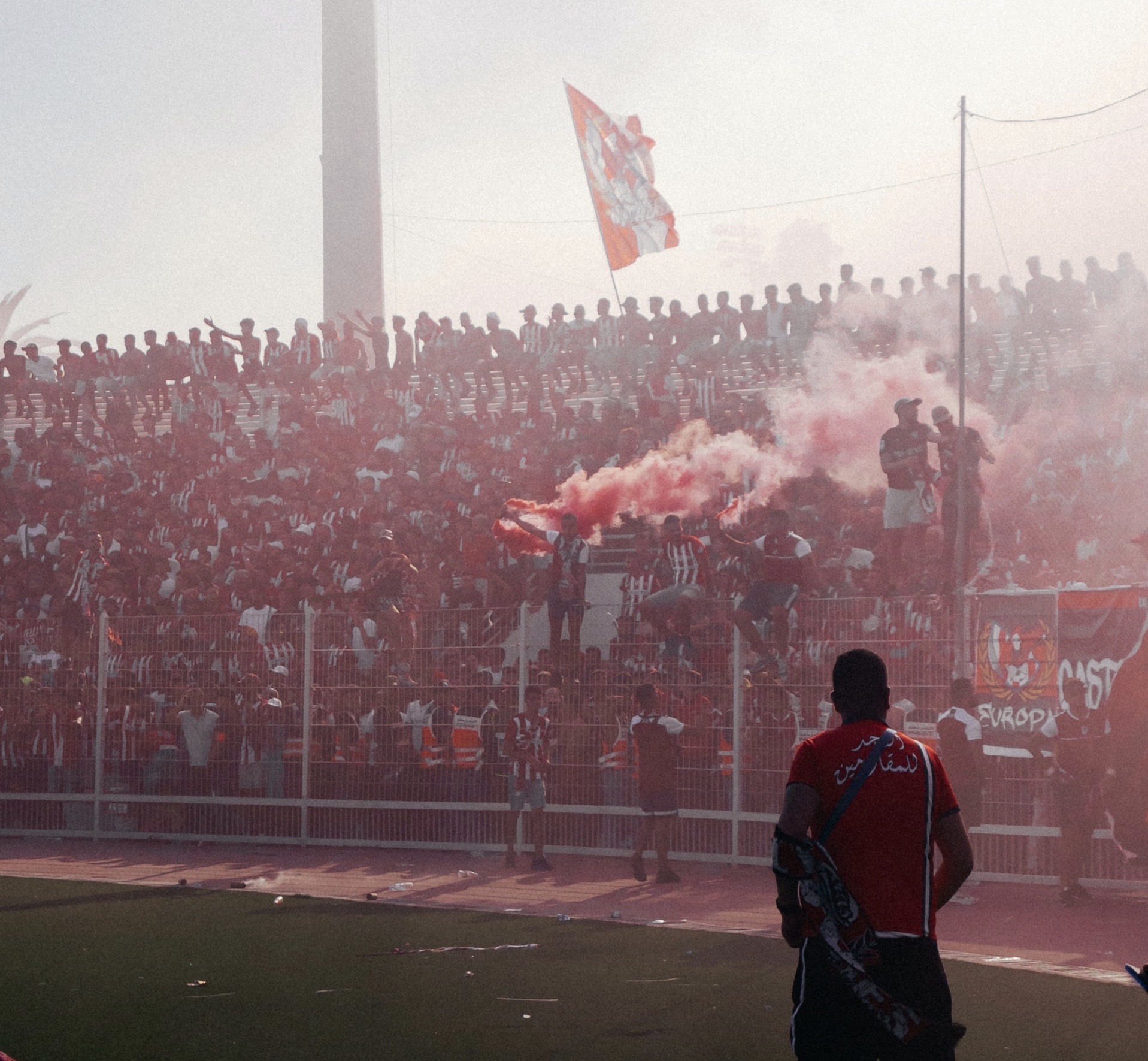 “Morocco’s run in this World Cup has been exhilarating. Led by Paris-born coach Walid Regragui, who took over only three months ago, the Atlas Lions have exceeded all expectations, defeating three former European colonial powers (Belgium, Spain, and Portugal) and are now up against France. From the mass prayer sessions in Indonesia to the celebrations on the streets of Somalia and Nigeria, this team has won the hearts of millions—Africans, Arabs, Muslims, and migrants who see themselves in this team. Images that will endure: playmaker Hakim Ziyech’s light-footed turns, midfielder Sofian Amrabet—dubbed Minister of Defense—and his barreling runs, and team captain Achraf Hakimi’s post-match embrace of his mother, who worked as a domestic in Madrid, Spain, while raising her children. But for Moroccans, it’s also the Moroccan takeover of the Qatari stadiums that has captivated the world: the pulsating drums, castanets, colorful outfits, and elaborate songs. …”
 “Before every training session, the Sudan men’s football team line up together and link arms. The captain calls them to attention for a moment of silence, which is broken by another shout before they clap three times in unison. It doesn’t matter where they are; it’s when they put everything else to one side and focus solely on football. They can’t play matches at home because, since April 2023, the north-east African country has been gripped by a bitter civil war between the government-led national army and the rebel Rapid Support Forces (RSF). As many as 150,000 people have been killed,
 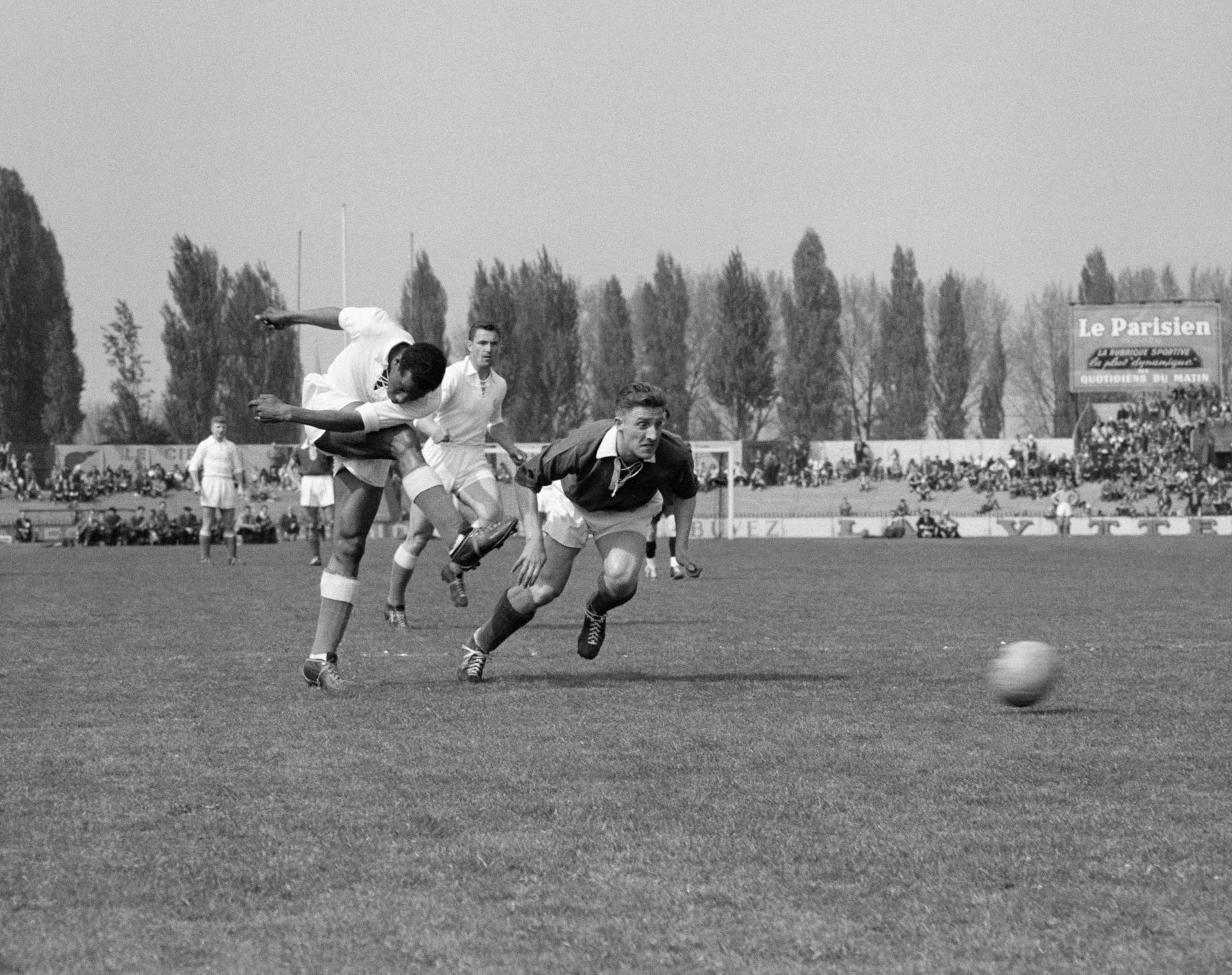 Larbi Ben Barek of Marseille and Eloy of Sedan during a French Cup quarterfinals match in 1954.
 “There was a chaotic end to the Olympic men’s football match between


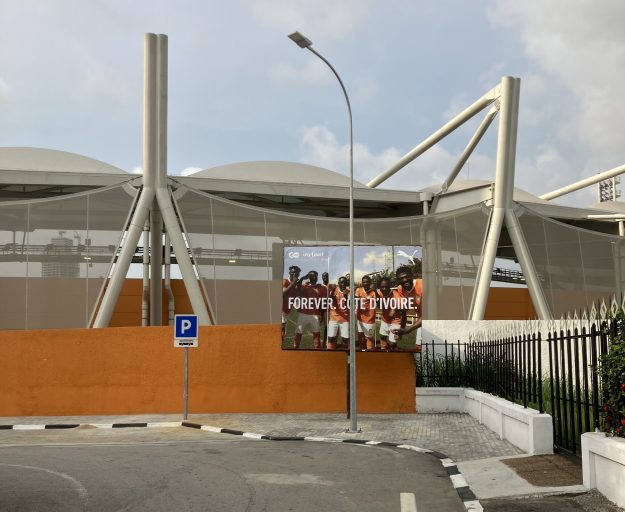

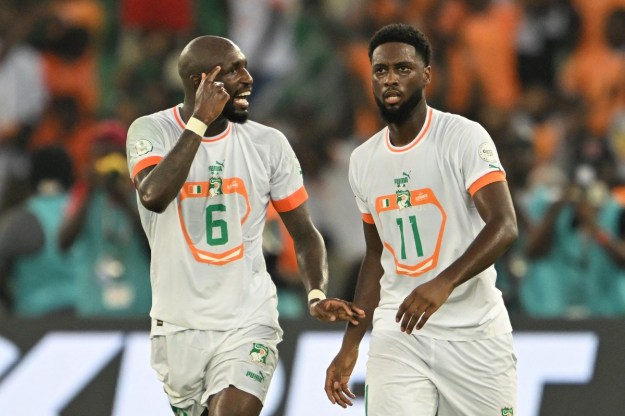
 “Music and African football have always been inextricably linked. Think of some of Africa’s most iconic moments in football: Roger Milla and his dance at the corner flag, Siphiwe Tshabalala and Bafana Bafana on the half-turn in synchronized rhythm, and Robert Kidiaba bum-bouncing after a goal. It’s not just the players that punctuate the rhythm of play with dance, at times the terraces at Cup of Nations tournaments can turn into impromptu flash mobs. With just a few days to go before we kick off the 2023 Africa Cup of Nations, we’ve put together our official Africa Is A Country playlist, exploring some of the most iconic songs in African football and explaining why they mean so much to so many on the continent. …”


