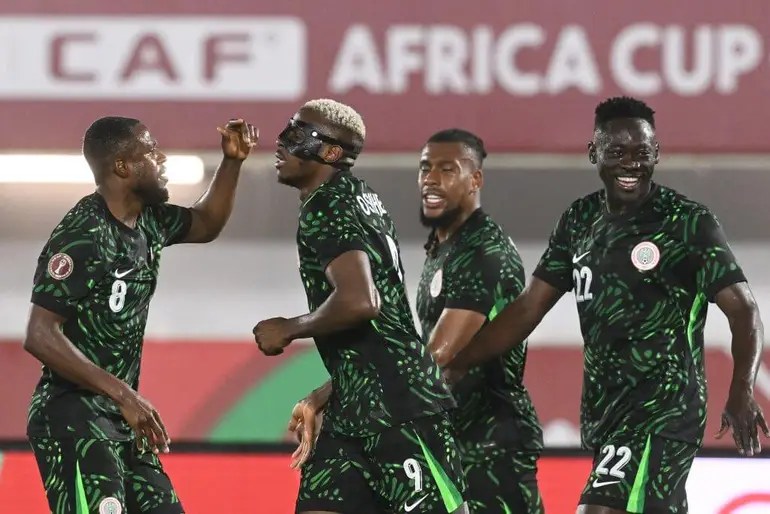
 “Nigeria outclassed Mozambique to set up an Africa Cup of Nations (AFCON) quarter-final against Algeria or DR Congo. The Super Eagles were runners-up in 2023 and, while they were always likely to beat outsiders Mozambique, this performance and their form so far in Morocco suggest they will take some stopping. They won all three group games and were dominant in Fes on Monday, with Ademola Lookman opening the scoring, Victor Osimhen netting twice and Akor Adams also on target. …”
NY Times/The Athletic
YouTube: Nigeria vs Mozambique | EXTENDED HIGHLIGHTS
Africa’s superpowers assemble for Cup of Nations knockout stages – Jonathan Wilson
“For a decade or more, a familiar theme of Cups of Nations has been how the pyramid of African football has been growing little taller but much broader. African sides came no closer to really challenging at a World Cup, but the range of teams capable of beating the continent’s elite, of getting to the knockout stage of the Cup of Nations, was becoming more diverse. Perhaps, though, a new phase is beginning. It’s dangerous always to read too much into the performance of one side at one tournament, but in Qatar in 2022 Morocco at last broke through the quarter-final barrier and became the first African side to reach a World Cup semi-final. …”
Guardian
Mohamed Salah is enjoying a rare dose of tranquillity with Egypt at the Africa Cup of Nations
“In Tamraght, a dry village on a hillside 15 kilometres north of Agadir, the main street is nicknamed for a laugh because the Champs-Elysees is a broken mess of rock where rains bring water pools, causing havoc for drivers. Its popularity, however, has accelerated over the past decade, especially amongst hippie types, following a boom in the nearby surf town, Taghazout. They come for the waves, to eat vegan food and wind down the evening in a hostel. This low-key settlement is separated from the Atlantic Ocean by the N1 road, which runs all the way up to Casablanca, but often gets closed in remoter parts when there are red weather warnings, like last weekend. Nearer to the beach, international hotel companies spotted the potential of the geography and moved in. …”
NY Times/The Athletic
YouTube: Egypt vs Benin | EXTENDED HIGHLIGHTS
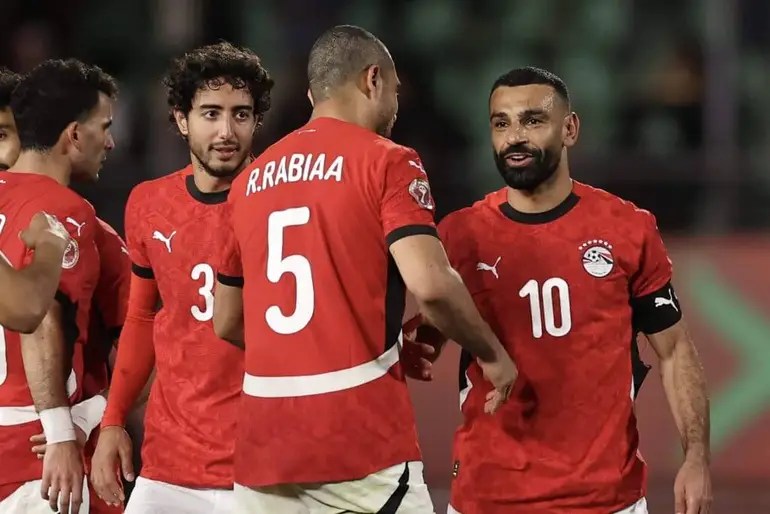
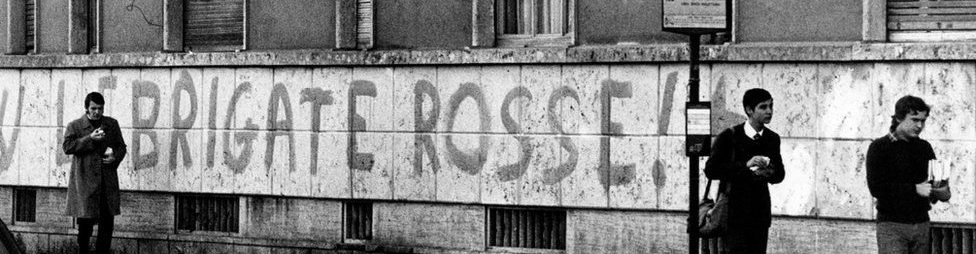
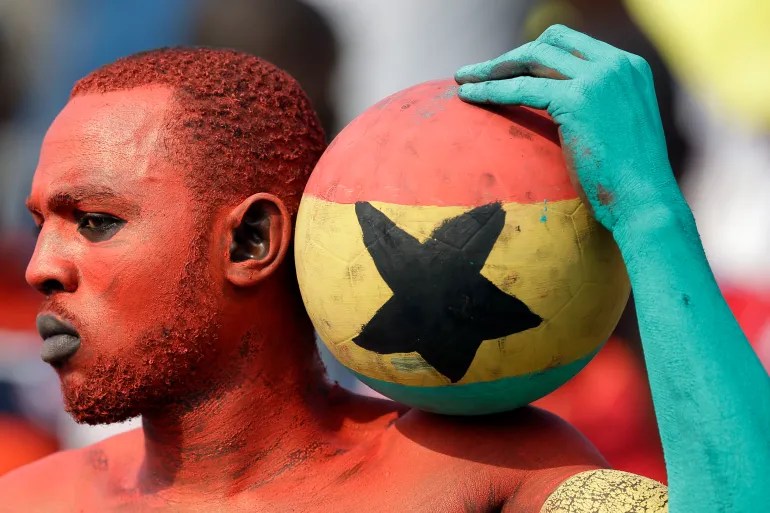 “The qualifiers for the 2027 Africa Cup of Nations begin on Thursday, with 48 countries competing to earn spots in Africa’s biggest football tournament. Tanzania, Kenya and Uganda will cohost AFCON 2027, as the competition returns to East Africa for the first time in 51 years. Divided into 12 groups, the teams will be involved in a six-round qualifying process that runs to March next year. Here’s everything to know about AFCON 2027. …”
 Ghana’s Inaki Williams celebrates after a scoreless draw against England in the World Cup in Foxborough last month.
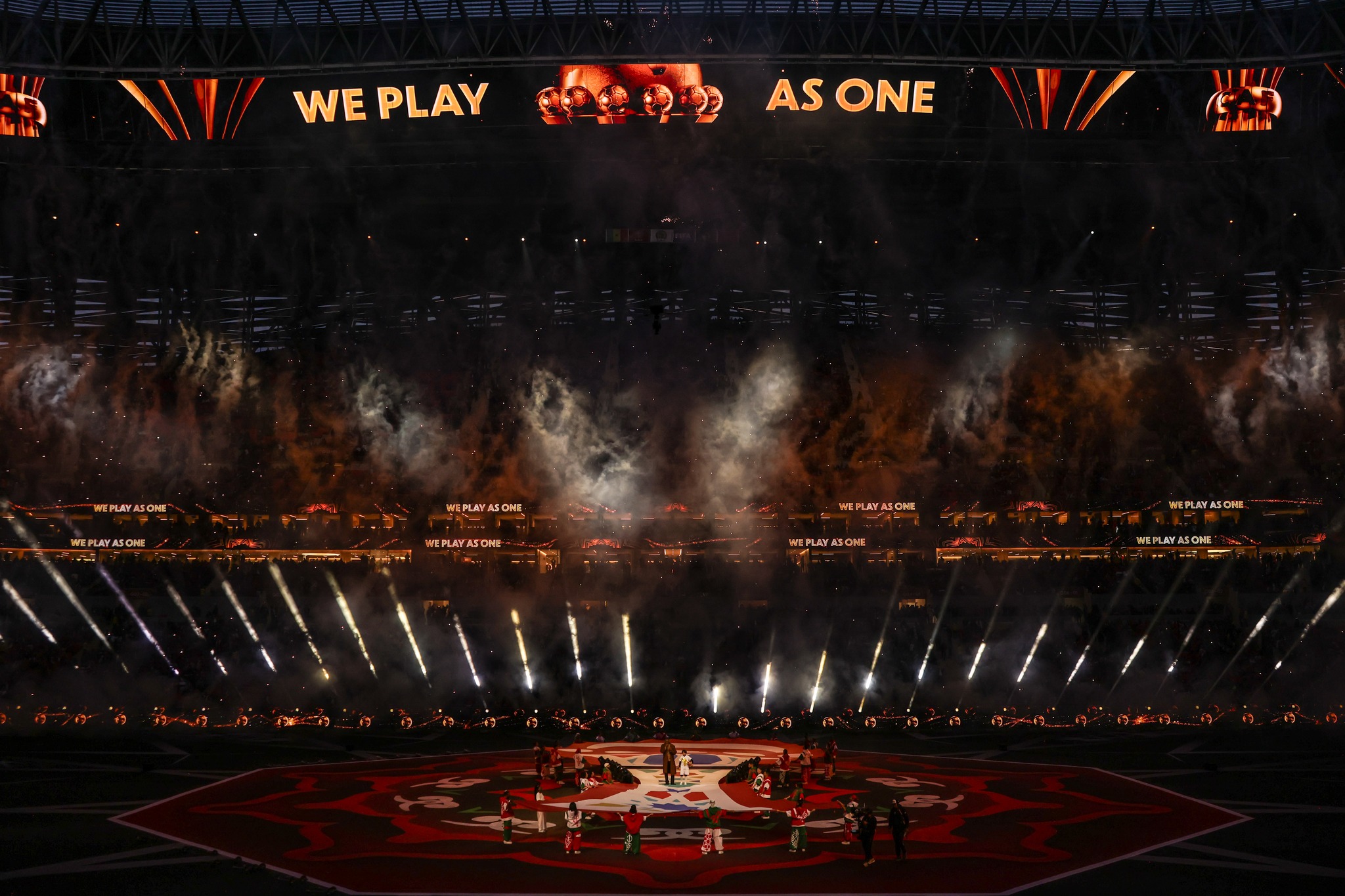
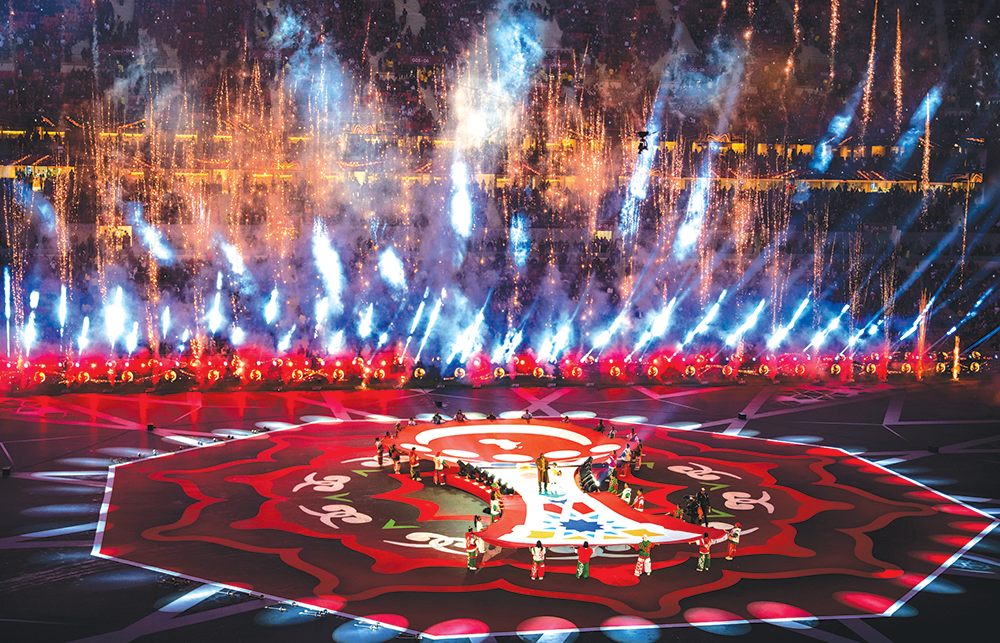 The closing ceremony of the 2025 Africa Cup of Nations in January 2026 at the Prince Moulay Abdellah Stadium in Rabat, Morocco.
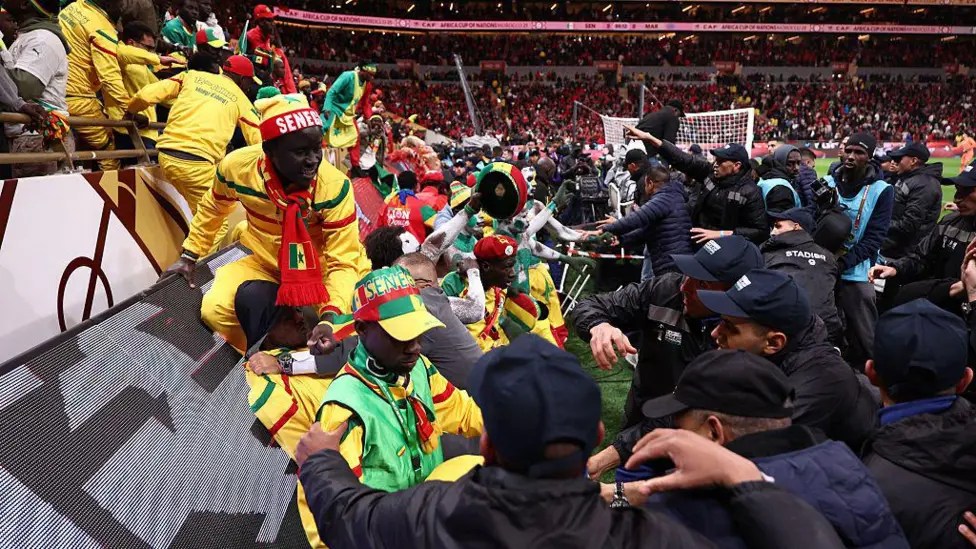
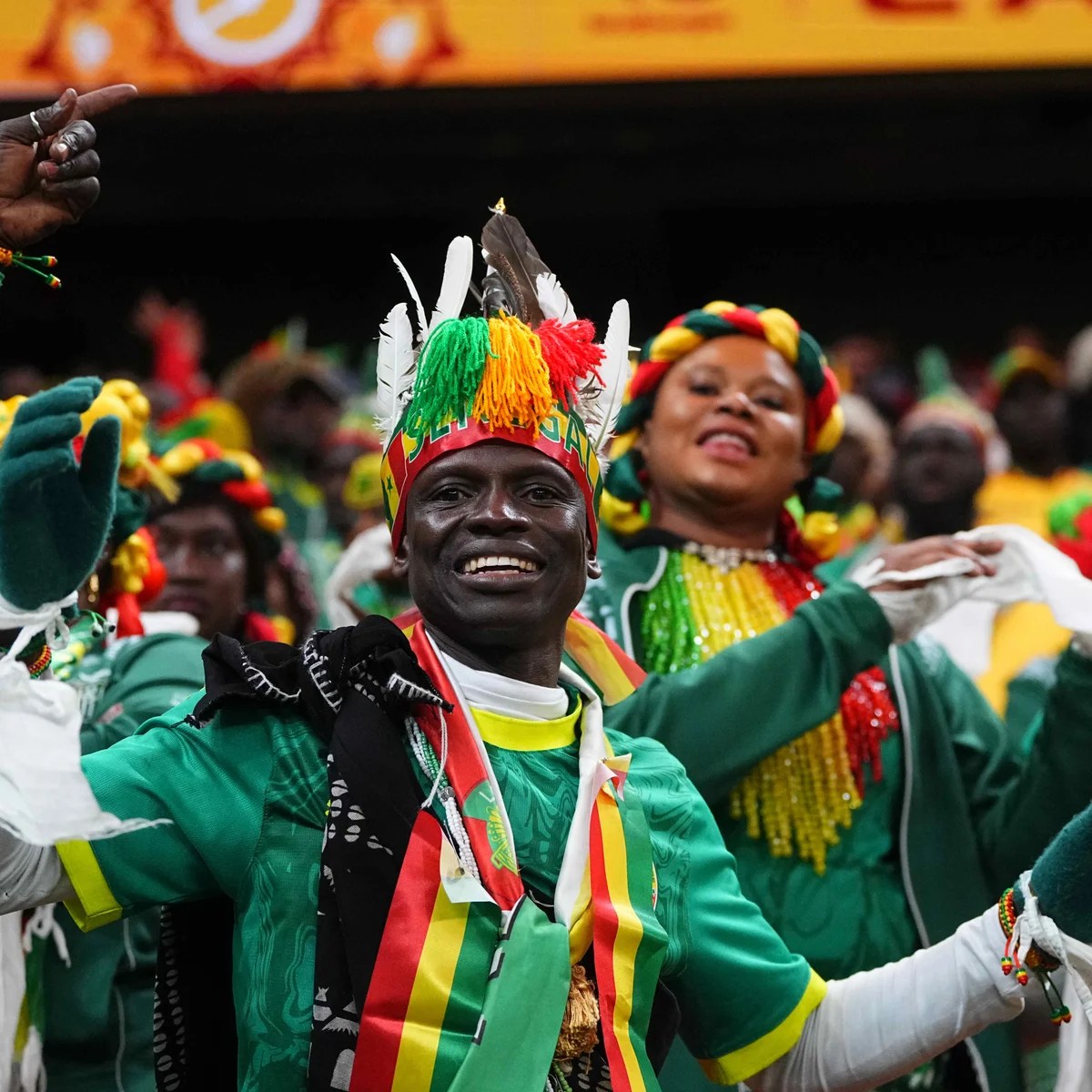 Senegal fans enjoy the Afcon final in Rabat in January, even if their team were stripped of the title after the controversy in the win against Morocco.
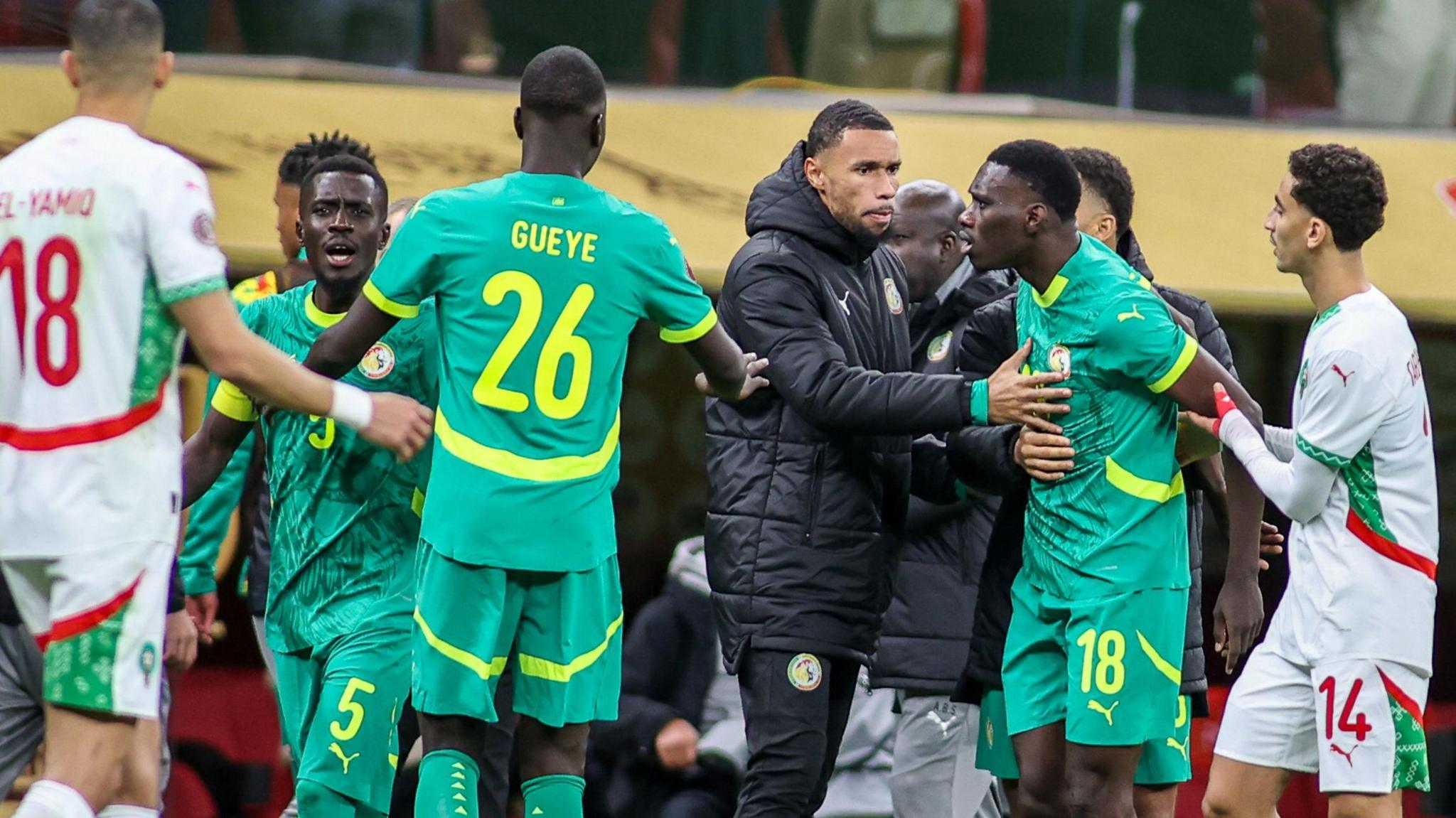
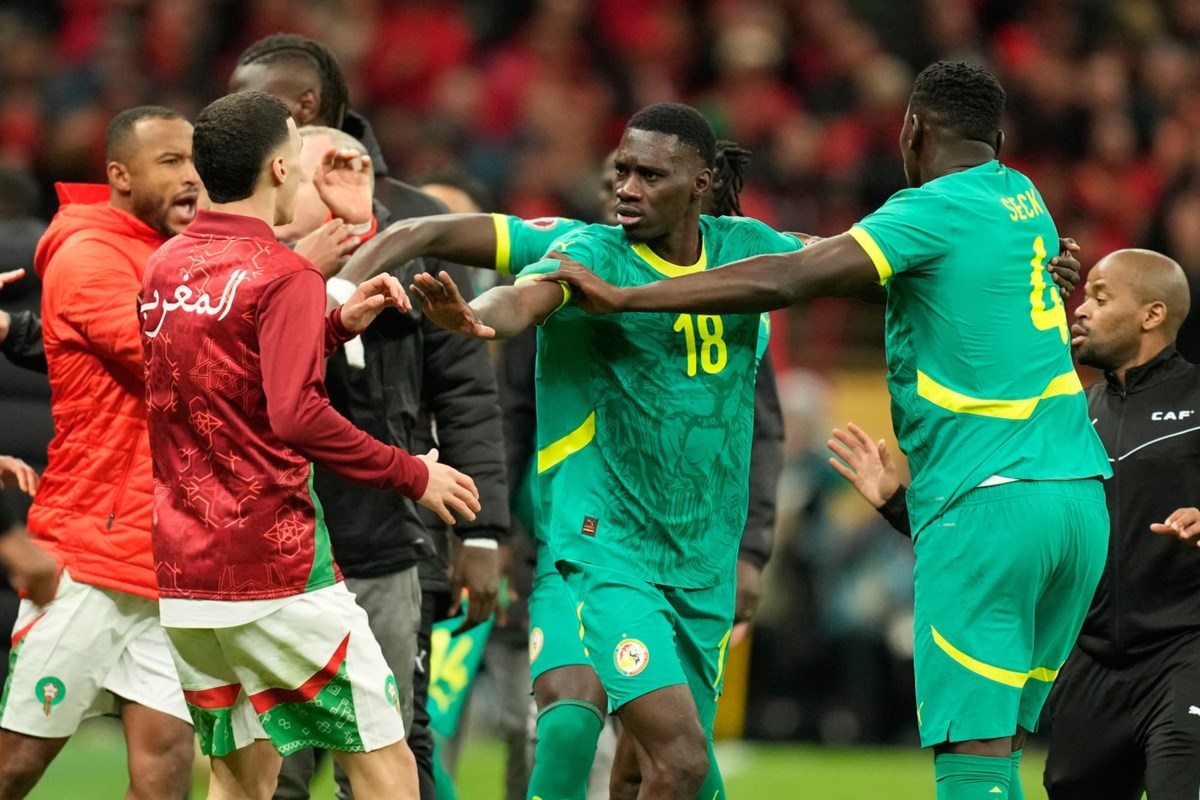
 “On Tuesday, Senegal were stripped of their Africa Cup of Nations (AFCON) title, two months after beating Morocco in the final. The Confederation of African Football (CAF) appeal board named Morocco as the new champions. This came after Senegal manager Pape Thiaw and his players walked off the pitch in protest at decisions made by referee Jean-Jacques Ndala during that final, leading to a 17-minute delay before they returned and eventually won the match 1-0 following extra time. However, CAF has awarded Morocco a 3-0 victory in a move that has stunned observers across Africa and the football world. William Troost-Ekong is a former Nigeria captain who won the Player of the Tournament at AFCON 2023 and featured at the 2018 World Cup. …”
 “You could be forgiven for thinking that the final of the latest Africa Cup of Nations was decided on a patch of grass inside the Prince Moulay Abdellah Stadium in Rabat two months ago. If only it were that simple. A final judgment on its winners will now be made by the Court of Arbitration for Sport (CAS) in Lausanne, Switzerland, with Senegal challenging the Confederation of African Football’s (CAF) verdict, which instead
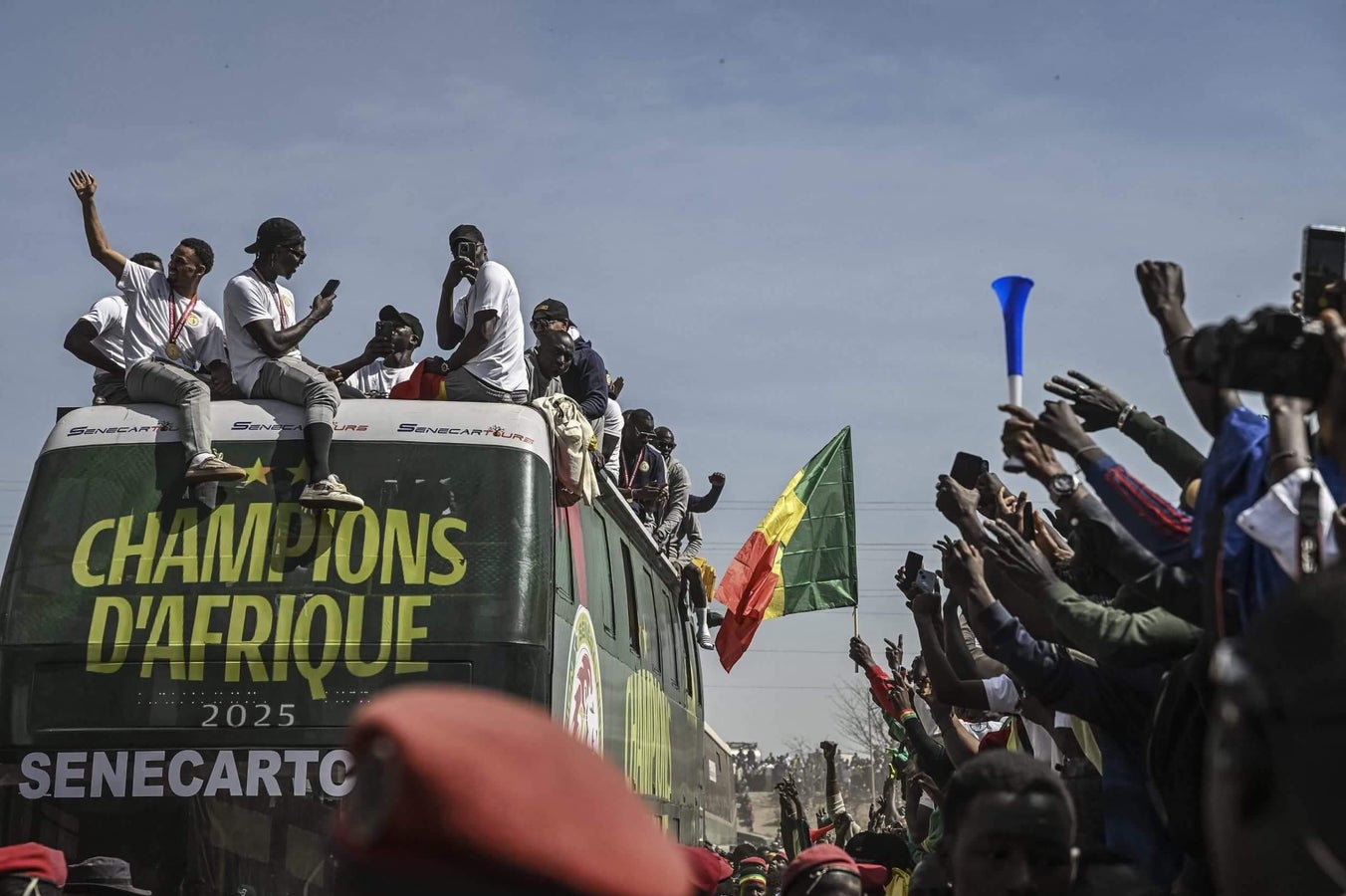
 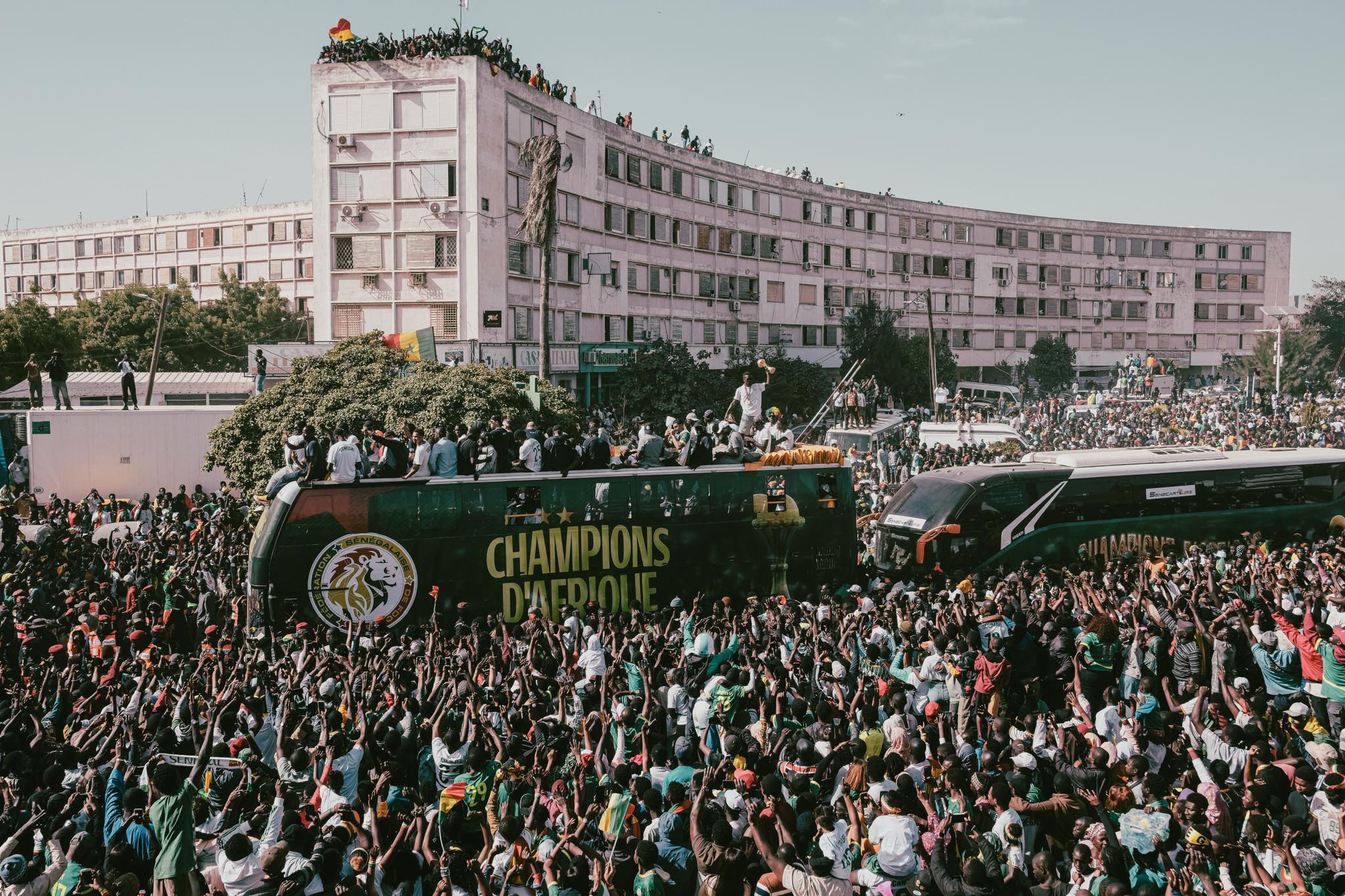 Fans fill the streets of Dakar as Senegal celebrate their victory parade following their triumph over Morocco in the 2025 Africa Cup of Nations final.
 “Although Senegal’s AFCON final victory against Morocco drew a full crowd, the tournament confirmed a persistent reality. Outside of host-nation matches, stadiums stands remained sparse. With twenty-four teams competing, representing nearly half of Africa’s nations, one might have expected significant traveling support for each country’s games. Yet, even with impeccable organization and world-class facilities, attendance remained sparse, revealing deeper, systemic issues that extend well beyond sport. This phenomenon is not new. In Egypt (2019), to fill empty stands, organizers had recourse to soldiers dressed in team colors (BBC Sport, 2019). The sparse stands that television production cannot hide are a recurring characteristic of many AFCON matches. …”
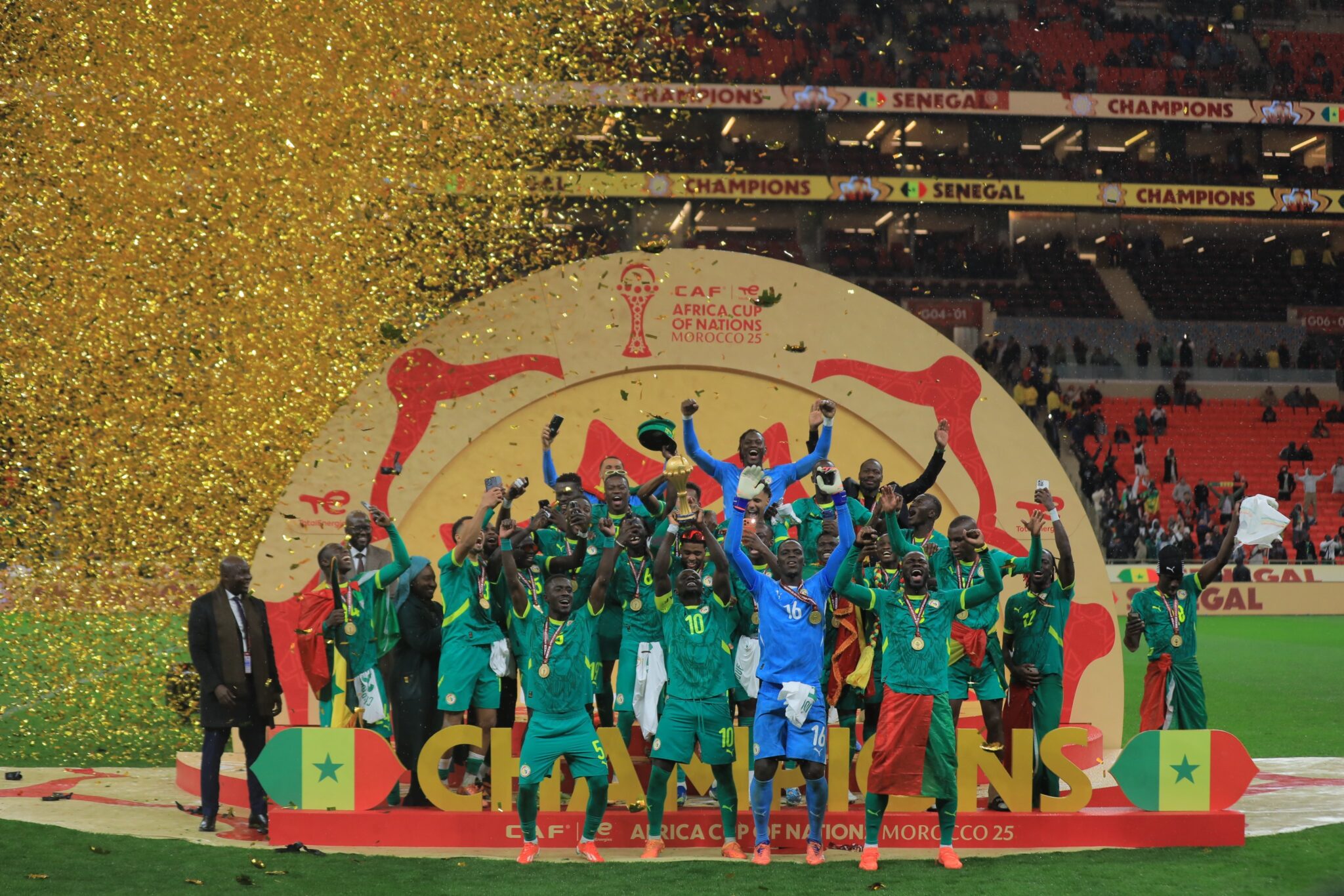 “Youssou N’Dour’s ‘Gaindé’ is the perfect music to listen to during a trophy ceremony. It is rhythmic, uplifting, and irresistibly catchy. That’s what I was thinking to myself as it blared through the Prince Moulay Abdellah Stadium sound system and confetti cannons blasted golden ribbons into the rainy Rabat night. Moments later, Sadio Mané lifted the 2025 Africa Cup of Nations in front of the photographer corps furiously clicking their shutters, immortalizing the 35th champion of our continent’s flagship tournament. To be honest, the rest of the night feels like a fever dream. I only remember flashes burned into my mind like overexposed film. …”
 “
“
 Lailah Khallouk, left, and Saoud Talsi outside Trellick Tower. Football ‘has completely united the Moroccan diaspora’.
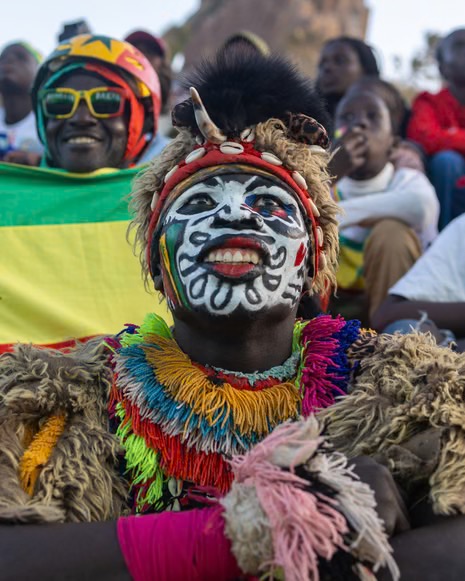
 “Reading the Africa Cup of Nations through its stands alone means missing what it produces socially. The stands give the tournament a visible form, but they offer only a partial account of how the tournament is lived. The stands bring together, in a single place, gestures that give meaning to the tournament. Michel Kuka Mboladinga’s performance, which reproduced the posture of Lumumba, is a striking illustration of this. Such a scene resonates because it condenses, in a single moment, a political memory and a sporting event. The stadium offers a stage to gestures that then take on a different dimension. It concentrates, and makes legible what would otherwise remain diffuse. This is why the stands continue to occupy a central place in how a tournament is perceived, evaluated, and judged. But a decisive part of the tournament’s experience unfolds in more ordinary spaces, where engagement takes other forms. In cafés, public spaces, and informal settings, often well before the question of going to the stadium even arises. …”
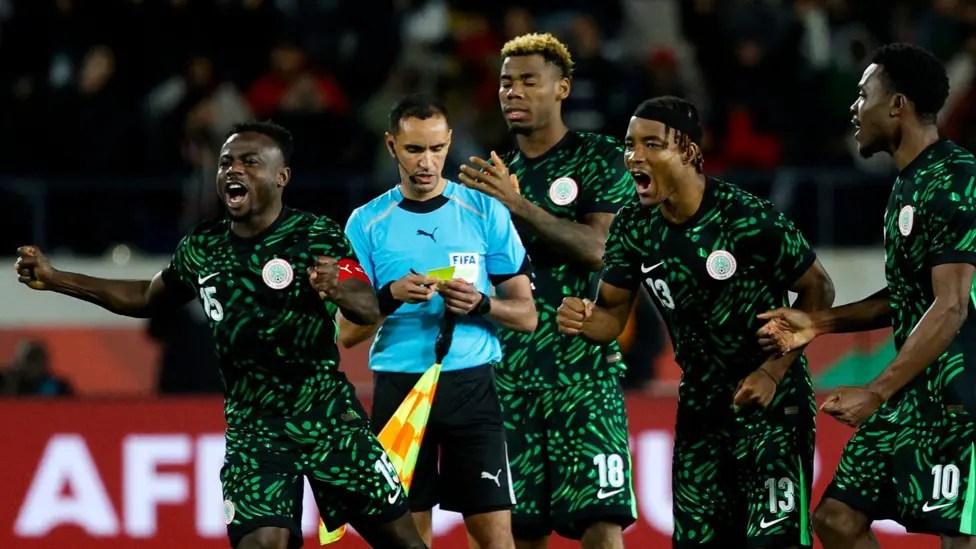 “Nigeria ended their penalty hoodoo by beating Egypt in a shootout to claim third place at the 2025 Africa Cup of Nations following a goalless draw. Super Eagles goalkeeper Stanley Nwabali brilliantly saved efforts from Mohamed Salah and Omar Marmoush, allowing Ademola Lookman to settle it despite attempted mind games from Pharaohs keeper Mostafa Shobeir. The West Africans had
 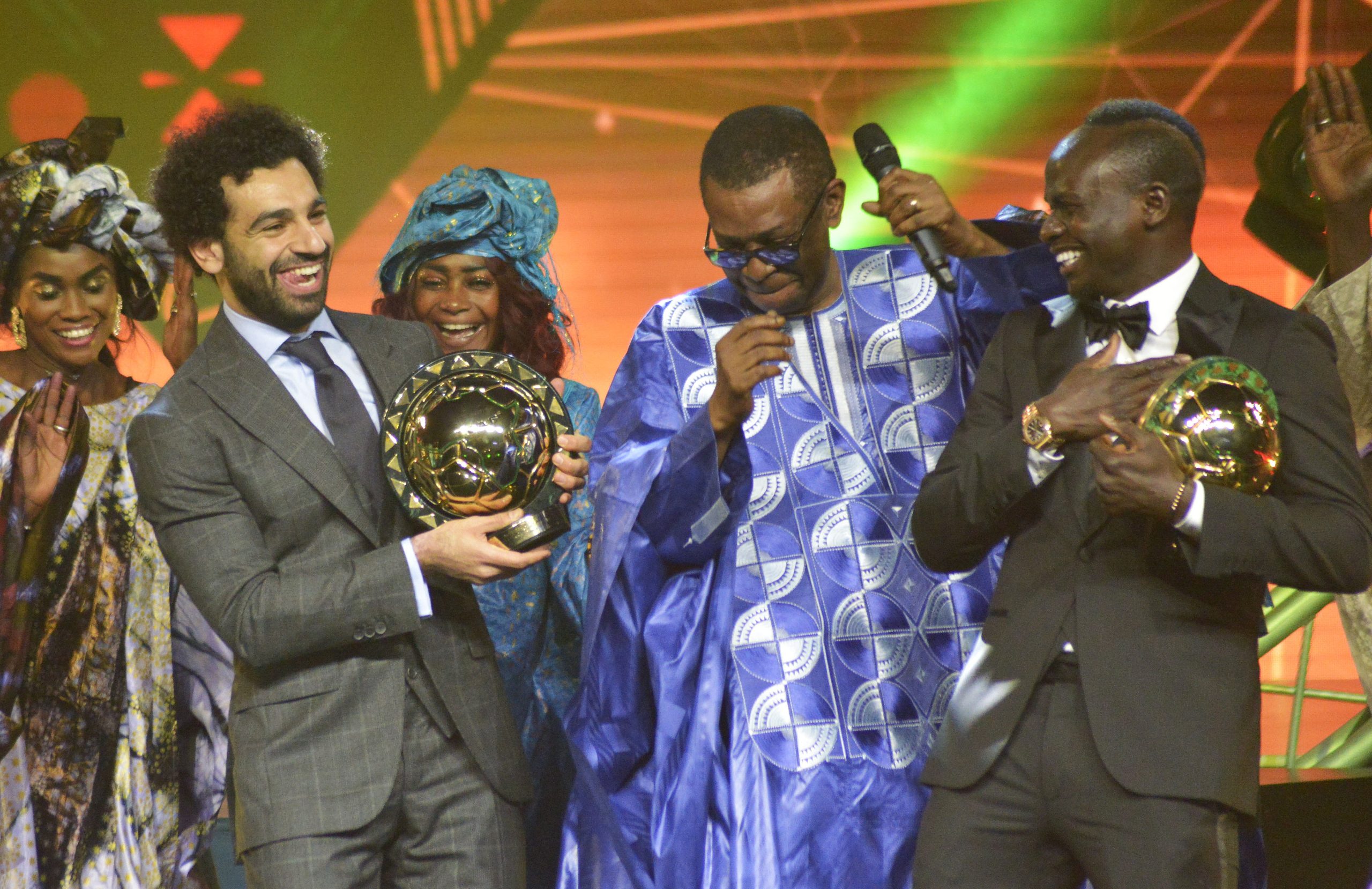 “The best thing about the Africa Cup of Nations is its ability to shrink our vast continent. It spins connections between places assumed to be distant and disconnected, only to reveal how deeply Africans are bound by shared dreams and struggles. The semi-final of the 2025 Africa Cup of Nations between Senegal and Egypt does precisely that, drawing an unlikely line from Bambali, Senegal, to Nagrig, Egypt. Until recently, both villages were unknown even to most Senegalese and Egyptians, let alone the wider footballing world. It was only with the rise of their most famous sons, Sadio Mané and Mohamed Salah, into global stardom that their names began to circulate beyond borders. …”
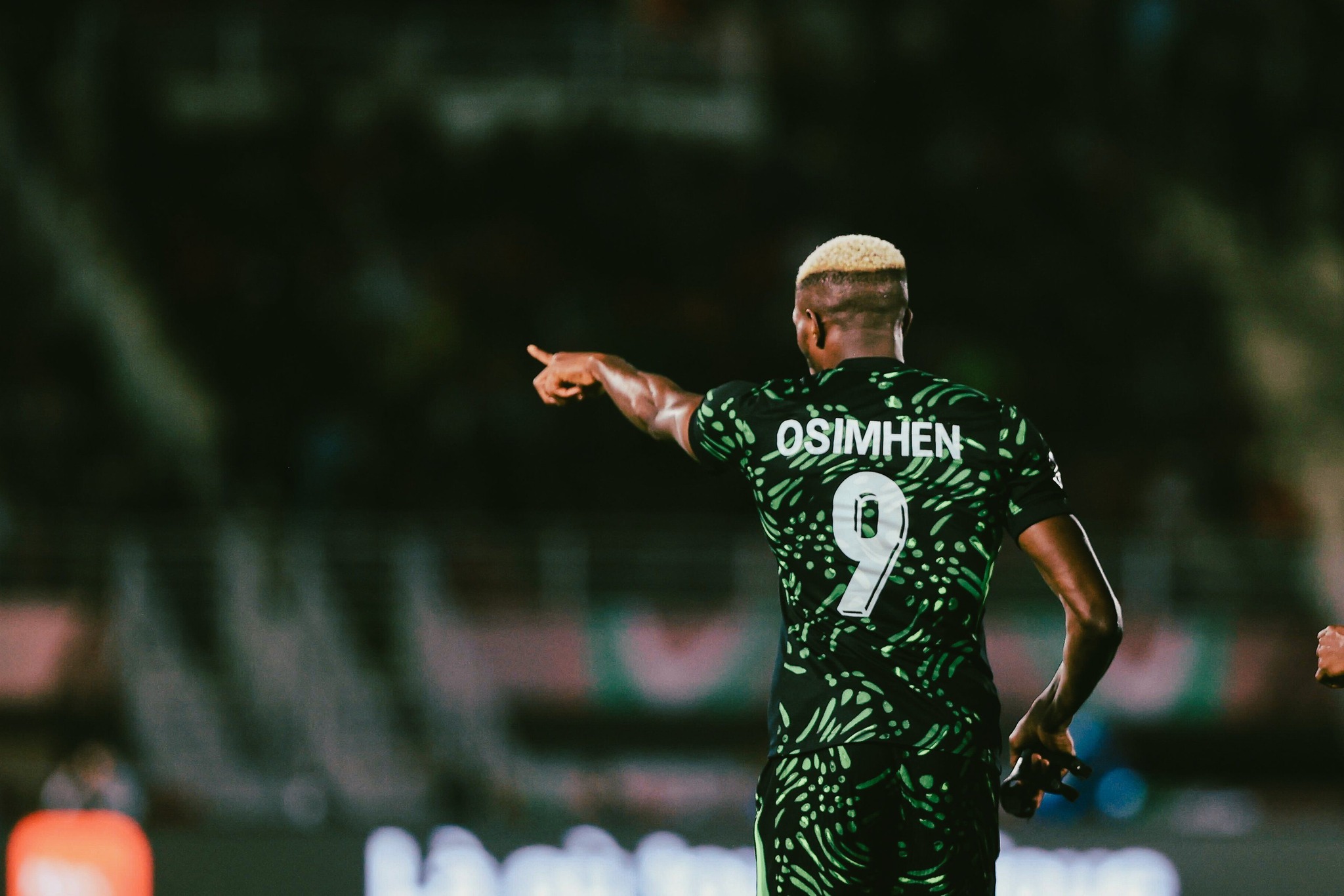 “There is a class of footballer, to which Victor Osimhen now unmistakably belongs, against whom the only useful preparation is a steeling of the mind. To face up against those in this cadre is to know what is coming, but be powerless to prevent it. Against Algeria in the 2025 Africa Cup of Nations quarterfinal, poor Ramy Bensebaini had the best view in Stade Marrakech, bearing witness as the striker took flight, laughed in the face of gravity, and headed home. As has been his wont for half a decade now. Dread it, run from it, Osimhen arrives just the same, with the certitude of destiny. …”
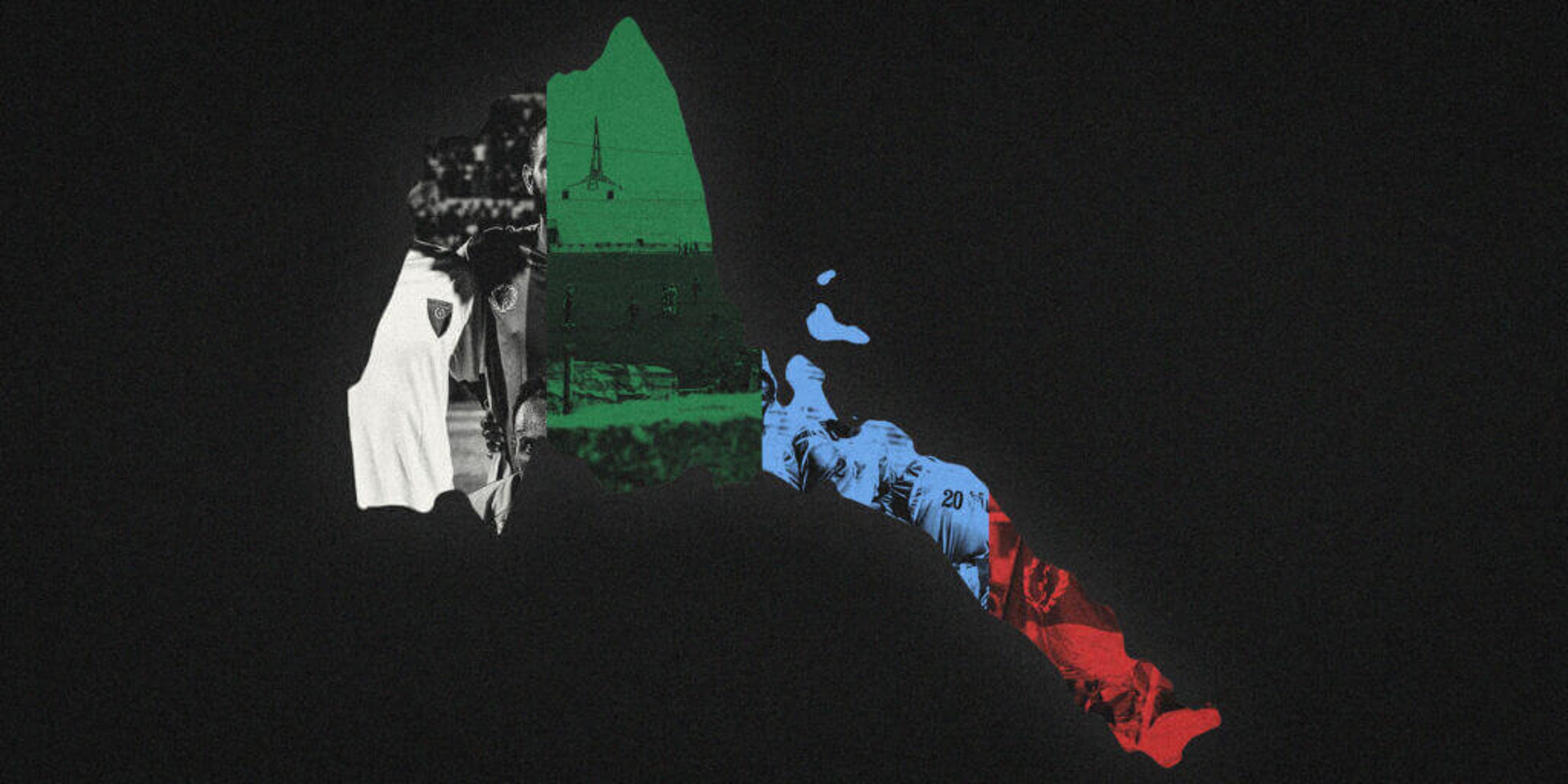 “‘We see potential spies and enemies everywhere,’ says David. ‘It can be at border control or it can be in a cafe. The other day, a guy was looking at me strangely, so I left without finishing my breakfast, and jumped in a taxi — asking the driver to take me to the wrong address.’ David is an Eritrean footballer, a refugee who — when we speak in late 2023 — thinks government agents are still watching him even though he fled the country a long time ago and is now thousands of miles away. Though he has claimed asylum abroad, his fears mean he often sleeps with a chair pressed against the door of his bedroom. Sometimes he will have nightmares about a group of men armed with weapons bursting in and taking him away. …”
 Morocco’s goalkeeper Yassine Bounou makes a crucial penalty save against Nigeria Morocco’s goalkeeper Yassine Bounou makes a crucial penalty save against Nigeria


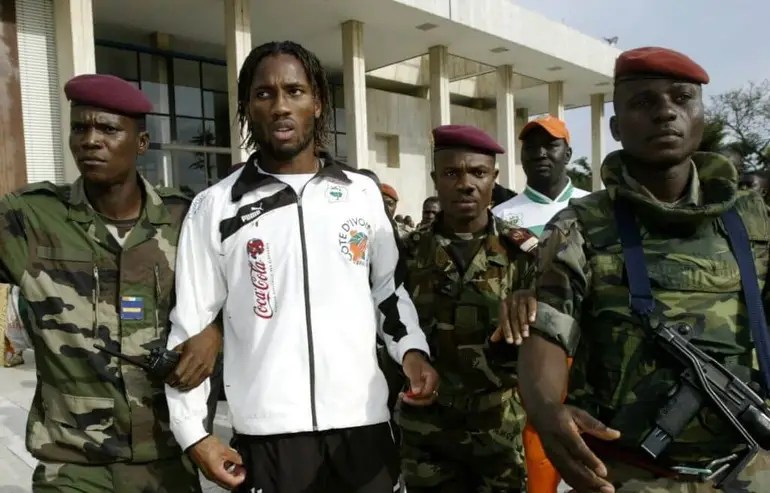 Didier Drogba leaves the presidential palace in October 2005 after a ceremony to celebrate World Cup qualification
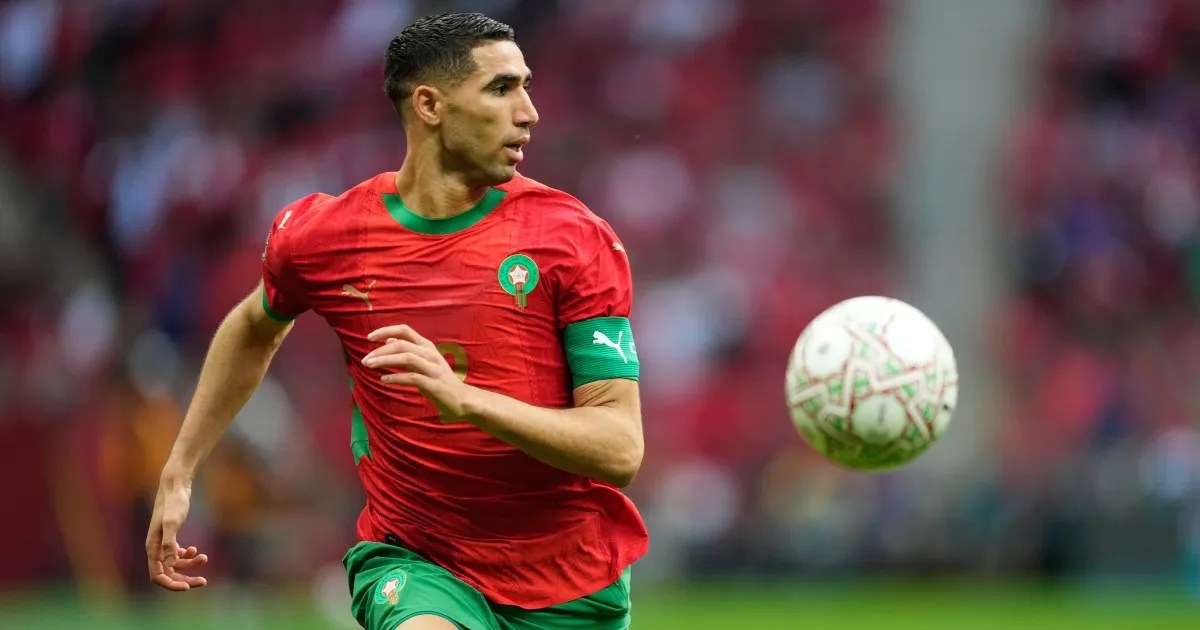 “At last, Morocco have arrived at the tournament they are hosting. For four games they had played scratchy, crabbed football. Finally, in a spiky, ill-tempered quarter-final, there was something more like the Morocco that reached the semi-final of the World Cup two years ago. If the game wasn’t fluent, that was largely Cameroon’s doing as they spoiled and delayed and sought treatment for injuries. But the hosts, for the most part, retained their cool, protecting a lead earned with verve in the first half with maturity in the second. …”
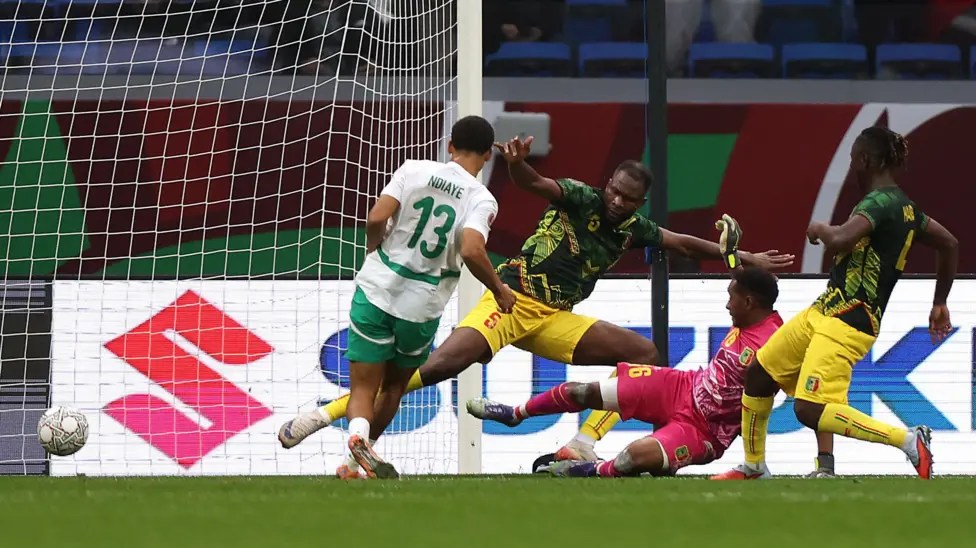 Iliman Ndiaye netted his first goal at Afcon 2025 to send 2021 champions Senegal into the last four
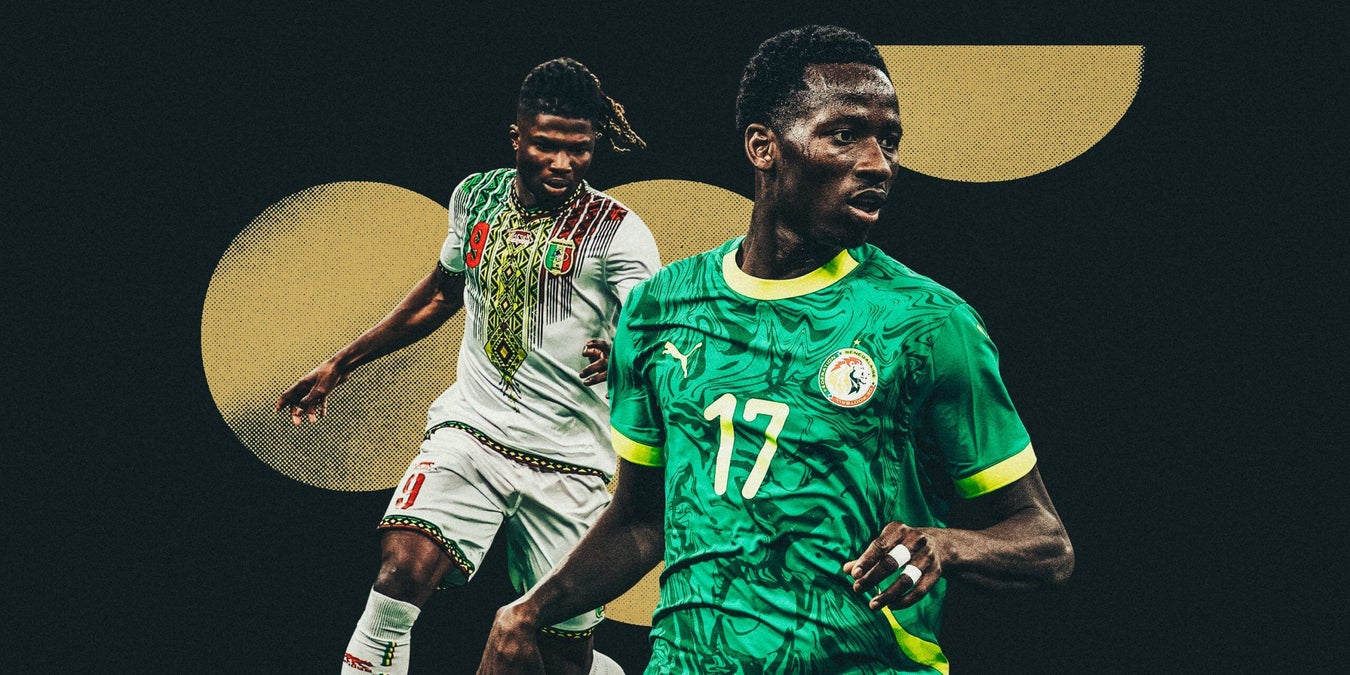 “The Africa Cup of Nations (AFCON) is in full swing, and while you will have mostly been concerning yourself with the business of who’s winning and who’s losing, there is one very important thing to consider. Yes, that’s right: the kits. At past AFCONs, the kits on display have varied wildly: there have been the good, the bad, the garish, the boring, the outlandish and the plain mad. Happily, this tournament is no different. So read on to discover the definitive verdict on who has worn the best threads out in Morocco (we’ve only included the kits that have actually been worn as, sadly, some have not yet seen the light of day). …”
 “The residents of Asni, a village in the foothills of the Atlas Mountains, describe the snow-capped view as ‘paradise’. Above them is the tallest peak in North Africa, Mount Toubkal, which seems right there but is in fact a two-to-three-day hike from the nearest road — getting to which is itself a treacherous drive of several hours, usually requiring a 4×4 vehicle to coil around bone-dry gorges and navigate hairpin bends. The russet-coloured valley that leads towards Toubkal is a beautiful, sweeping land where the silence is amplified only by the sudden noises that break it: a farmer collecting twigs for a fire, dogs barking, or a muezzin’s cry from the mosque. Not so long ago, the unique sense of place was marked also by the sight of the Berber communities on the mountainside, with their low, flat-topped homes and rough-textured dried mud walls. …”
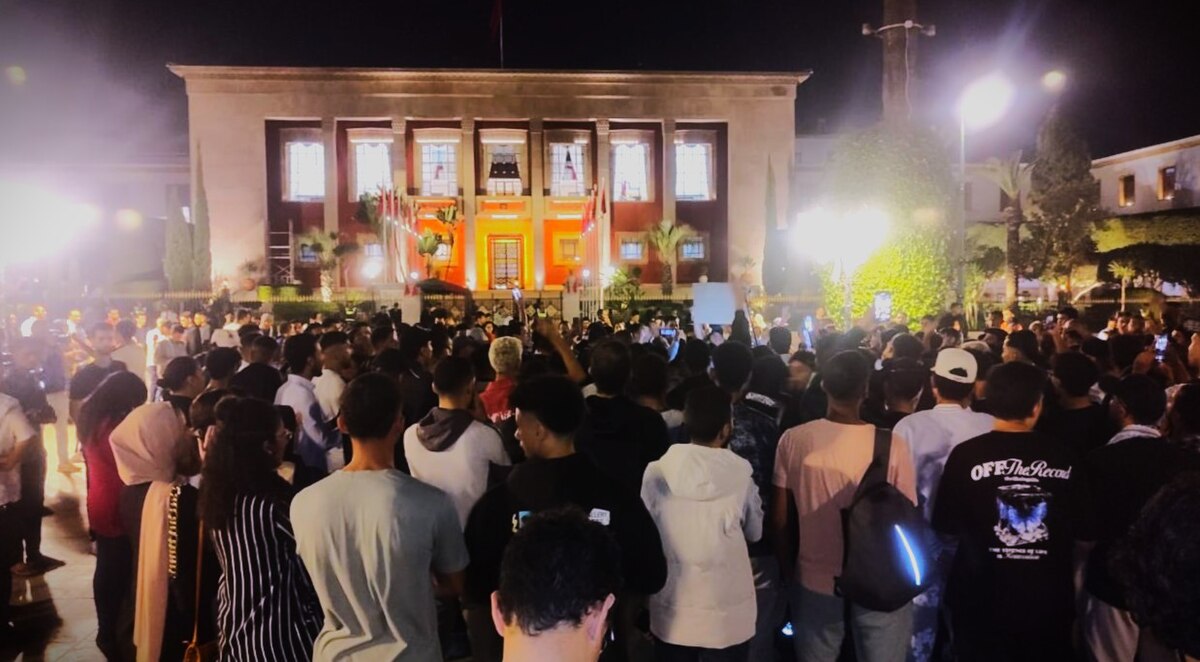 Demonstrations in front of Parliament in Rabat
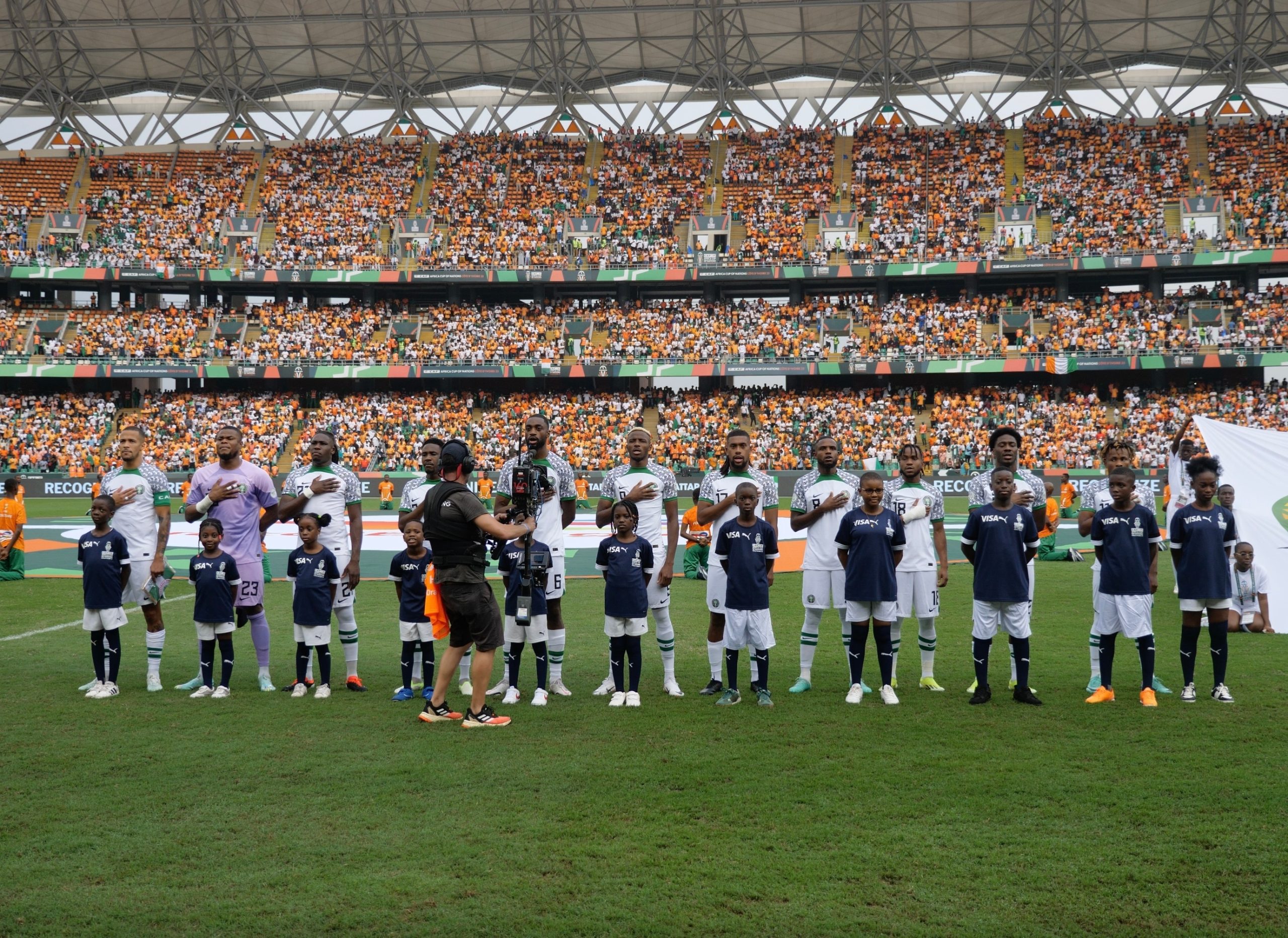 “Ahmed Musa’s retirement from international football was more than just the second recent departure of a Super Eagles captain, following on from that of his successor, William Troost-Ekong. It marked an interesting milestone—Musa was the last surviving member of the victorious 2013 African Cup of Nations side. In the subsequent period, Nigeria failed to defend its title at the next tournament. It didn’t qualify for the 2017 edition either, before two podium finishes sandwiched by a round-of-16 knockout by Tunisia in 2021. Similarly, it made the 2014 and 2018 World Cups but has failed to qualify since, most recently after being knocked out of the continental playoffs by a resurgent DR Congo side, drawing the furor of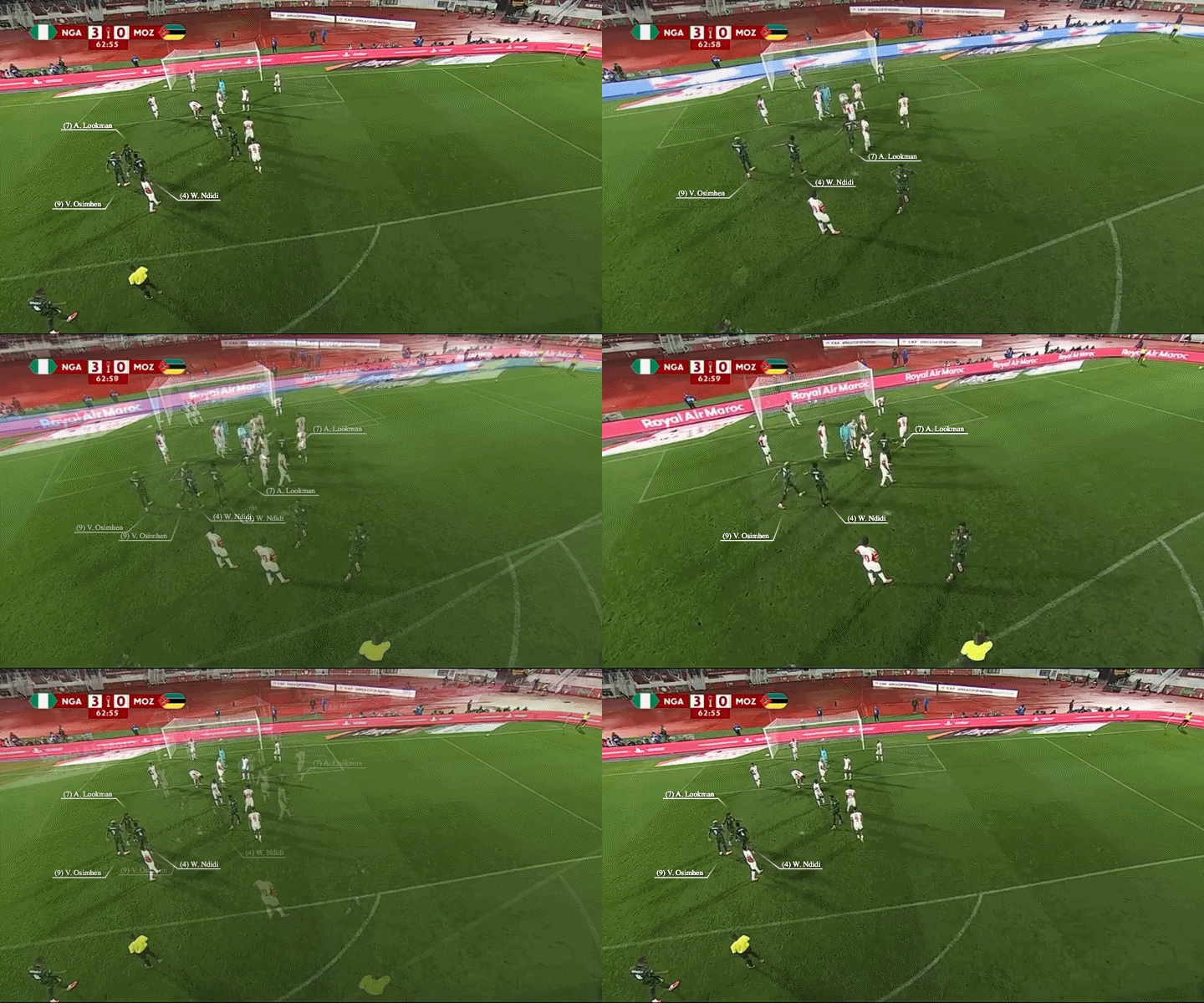

 “Speaking to the sporting press in Agadir last week, a calm Hossam Hassan, coach of the Egyptian national team, expressed his distaste for holding the Africa Cup of Nations in four year cycles. The 59-year-old’s words were strong, albeit in a much calmer demeanor than what Egyptian football fans have come to expect from him: ‘Can you change the European system? You can’t. I’m not speaking in my capacity as the Egypt national team coach, but as an African player. God willing, we will fight for our rights.’ His words were uncharacteristically lacking self-recognition, referring to himself as ‘an African player.’ Just an African player, as if to blend with the myriad players who belong to this illustrious continent and its rich footballing history. …”
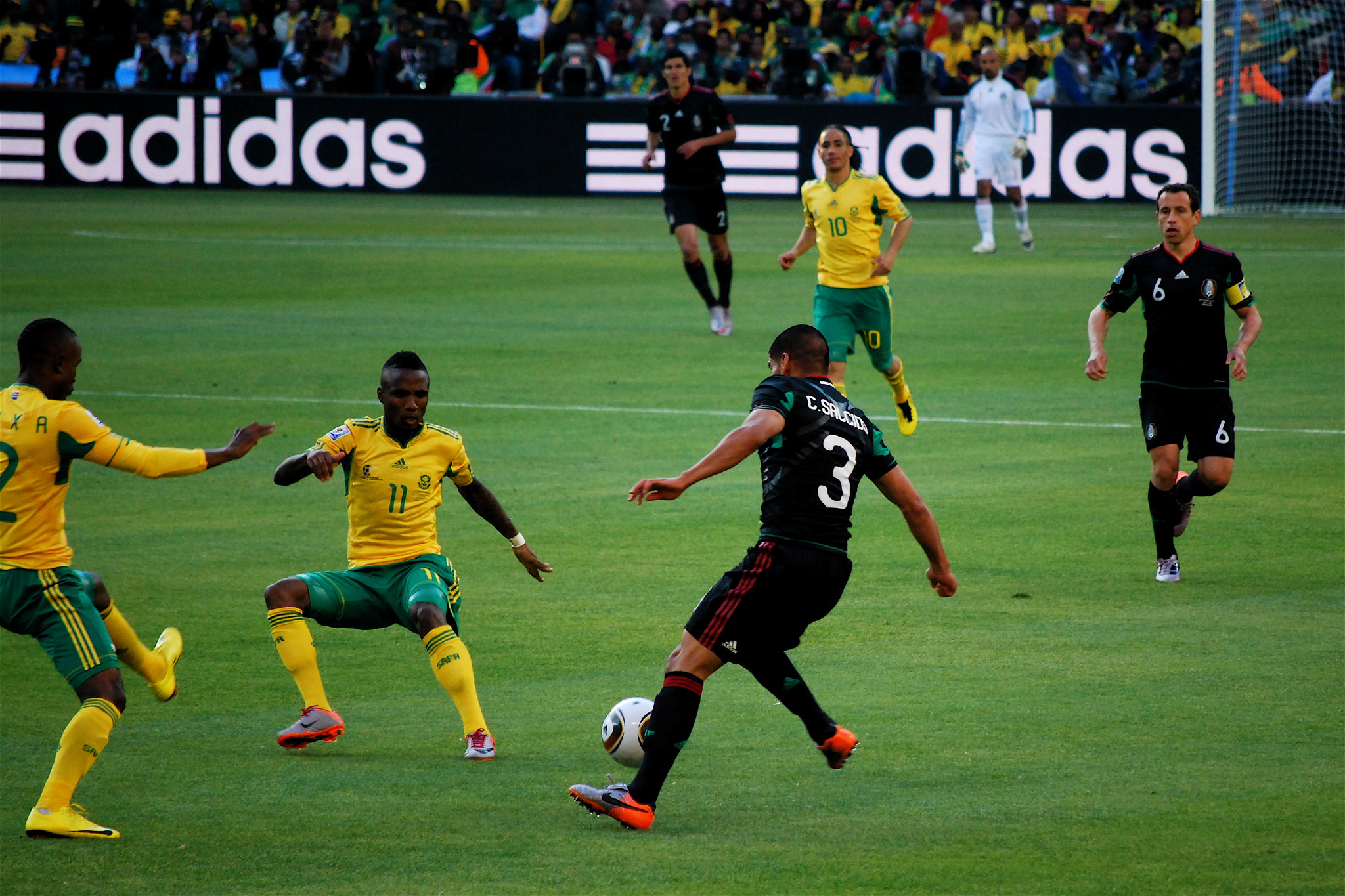 “The connection between sport and politics is implicit, particularly in African football. The beautiful game has long functioned as a site of resistance, liberation, identity, and togetherness. These politics surface at every level of the game: from the federation to the team, from players to fans. But, then there is Bafana Bafana. The South African men’s national football team exists in a curious parallel universe. Despite football being the country’s most popular sport, the national selection can shrug off political codes in a way others cannot. This is uncharacteristic, especially considering how the country’s affinity for political discourse permeates elsewhere. …”
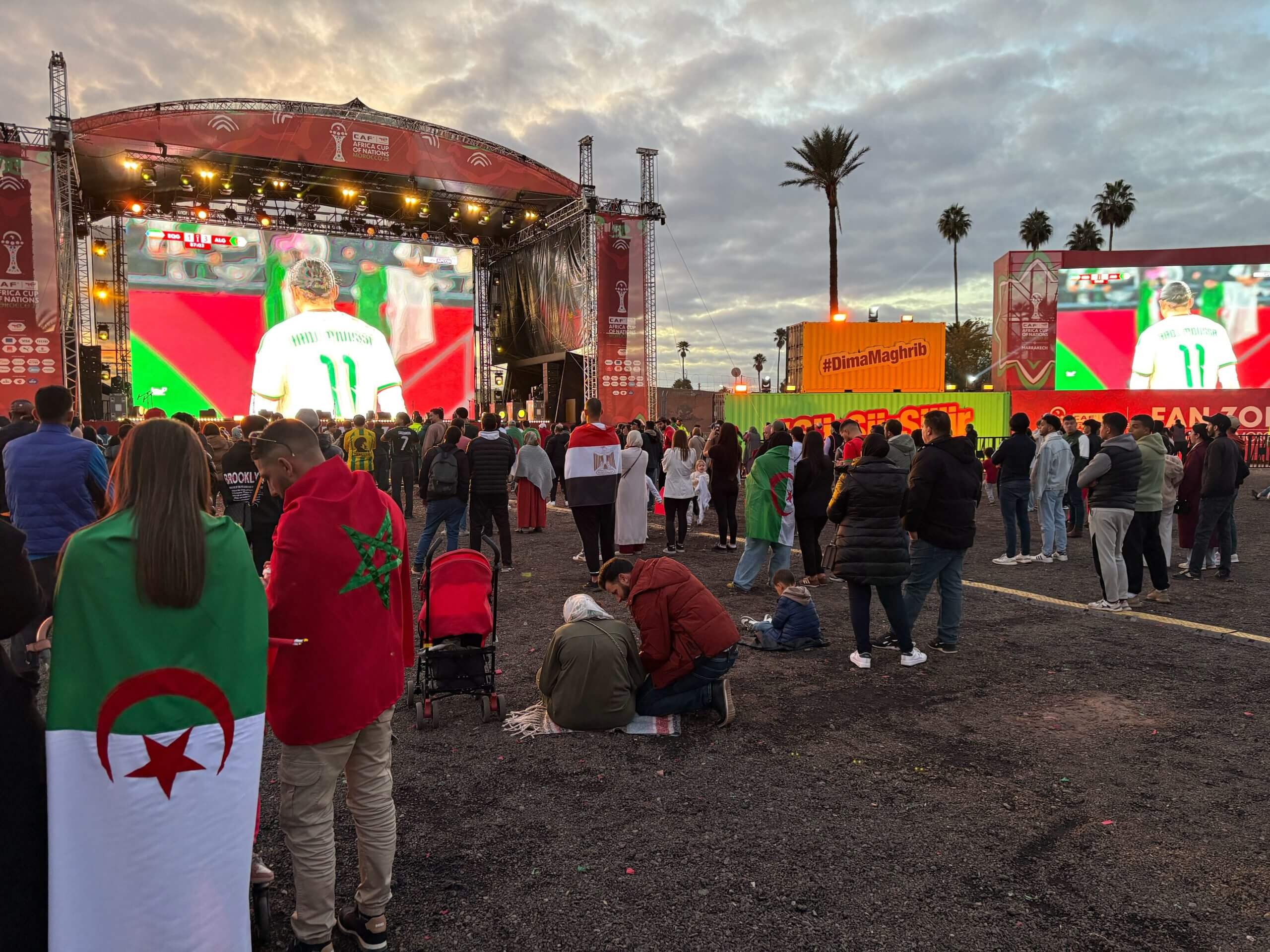
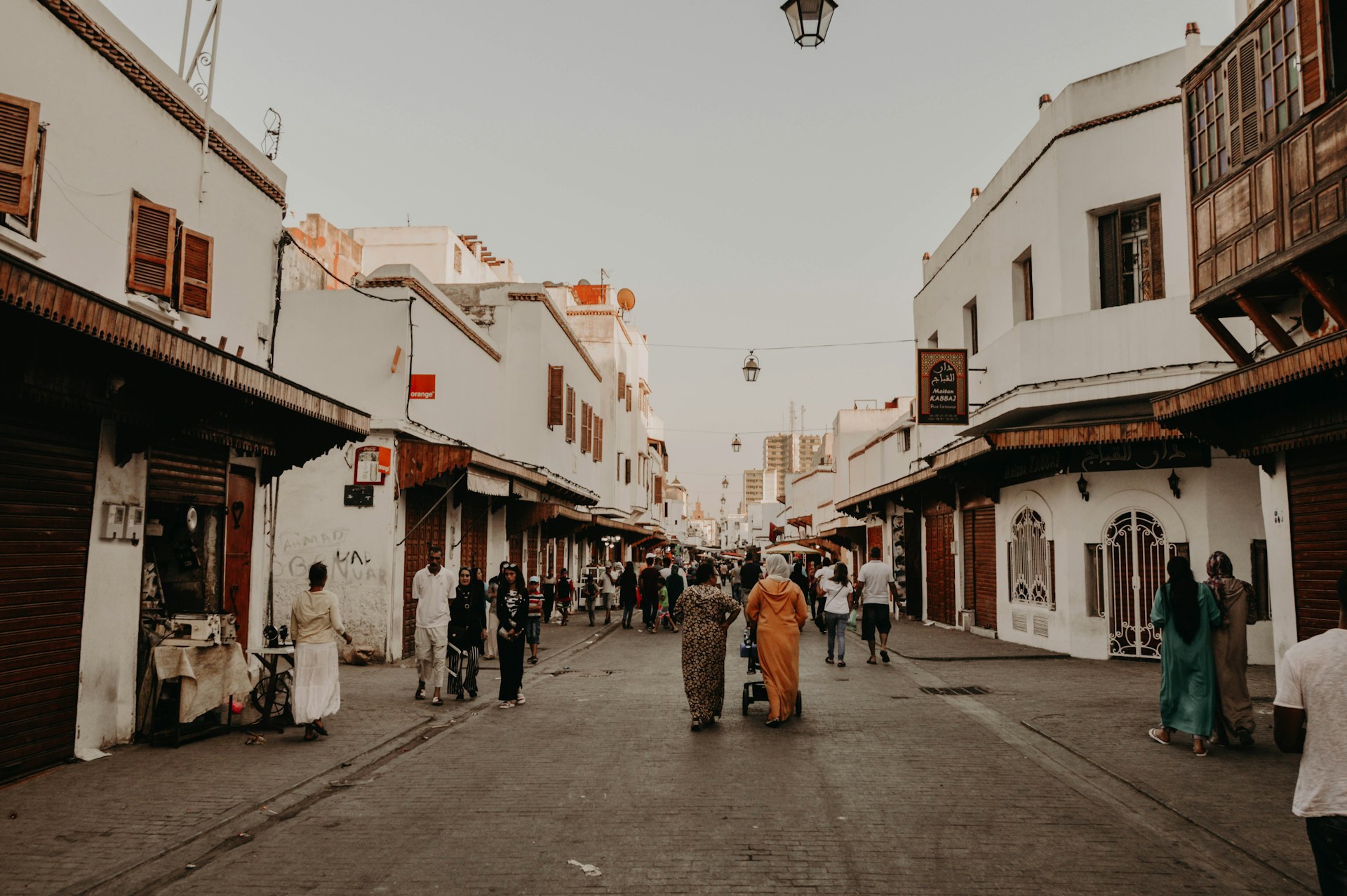 “Ahead of South Africa’s final group match against Zimbabwe, Bafana Bafana head coach Hugo Broos sat down with a gaggle of South African journalists, and in a moment of candor sparked a debate that has since rippled across the African footballing world. ‘In the Ivory Coast and in Gabon, every second of the tournament you felt that you were in a tournament,’ Broos said. ‘When we went by bus to training, people were waving flags, running alongside us. Here, you see nothing. There is no vibe. There is no typical AFCON vibe. I don’t feel it here.’ The remarks proved divisive. Some echoed Broos’ assessment, while they angered others. Those who agreed with him drew comparisons between the ongoing 2025 Africa Cup of Nations and the 2023 edition in Côte d’Ivoire, arguing that the current tournament lacks some of the spontaneity, warmth, and energy that defined the last AFCON. …”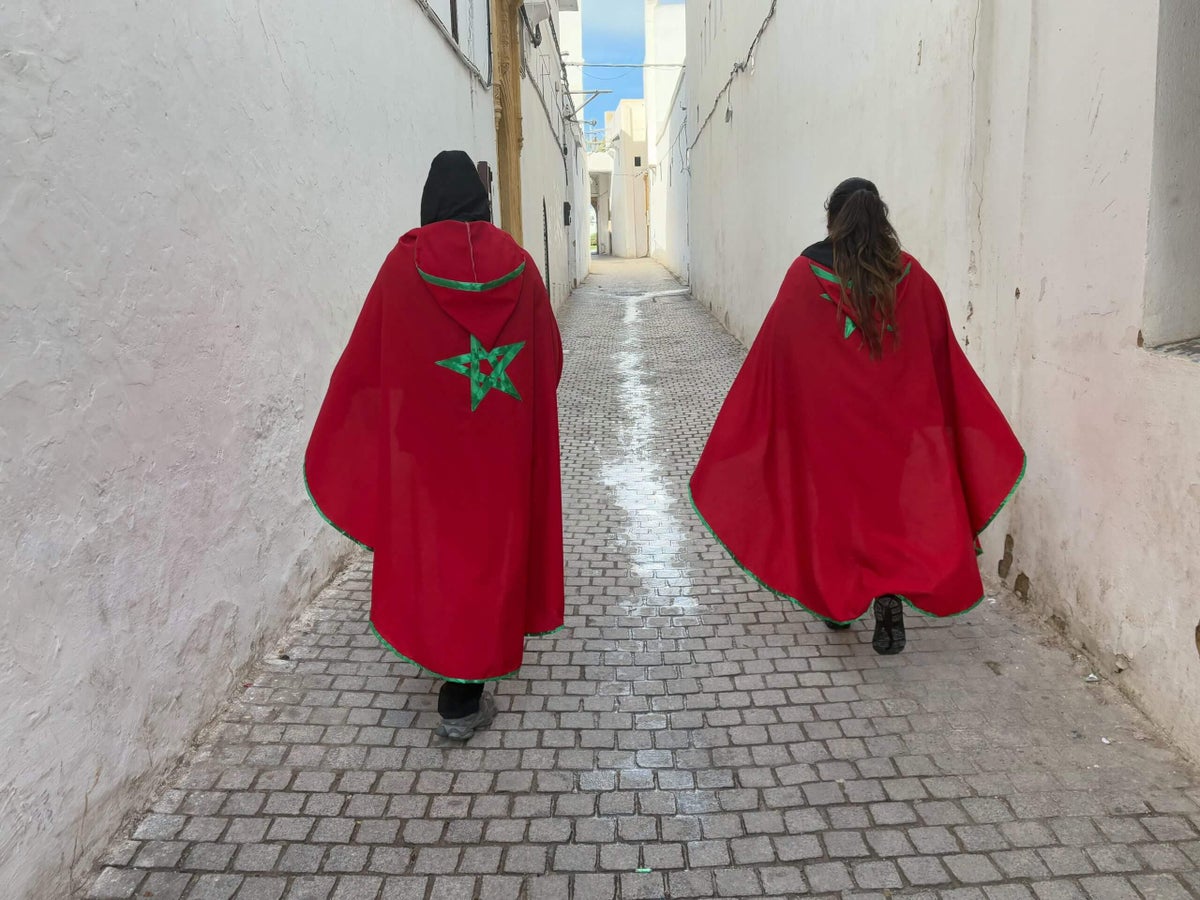
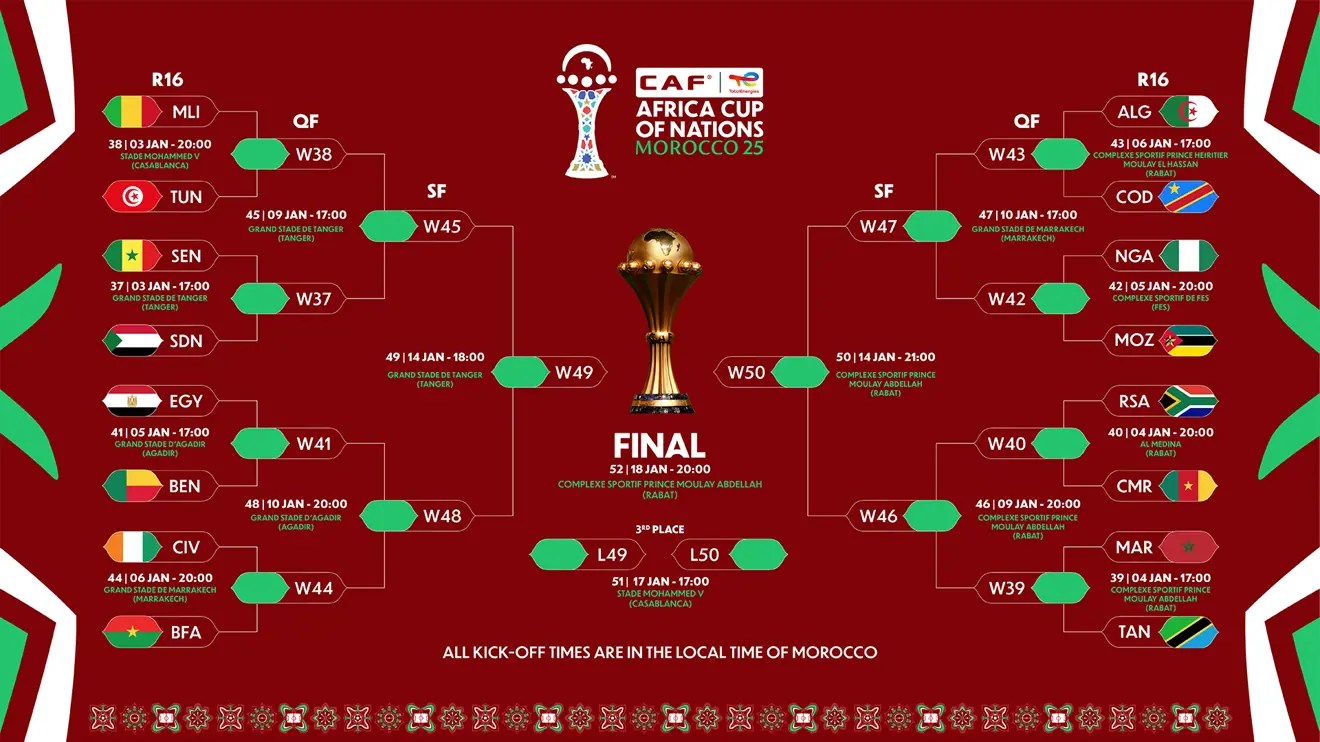 “The knockout stage of the
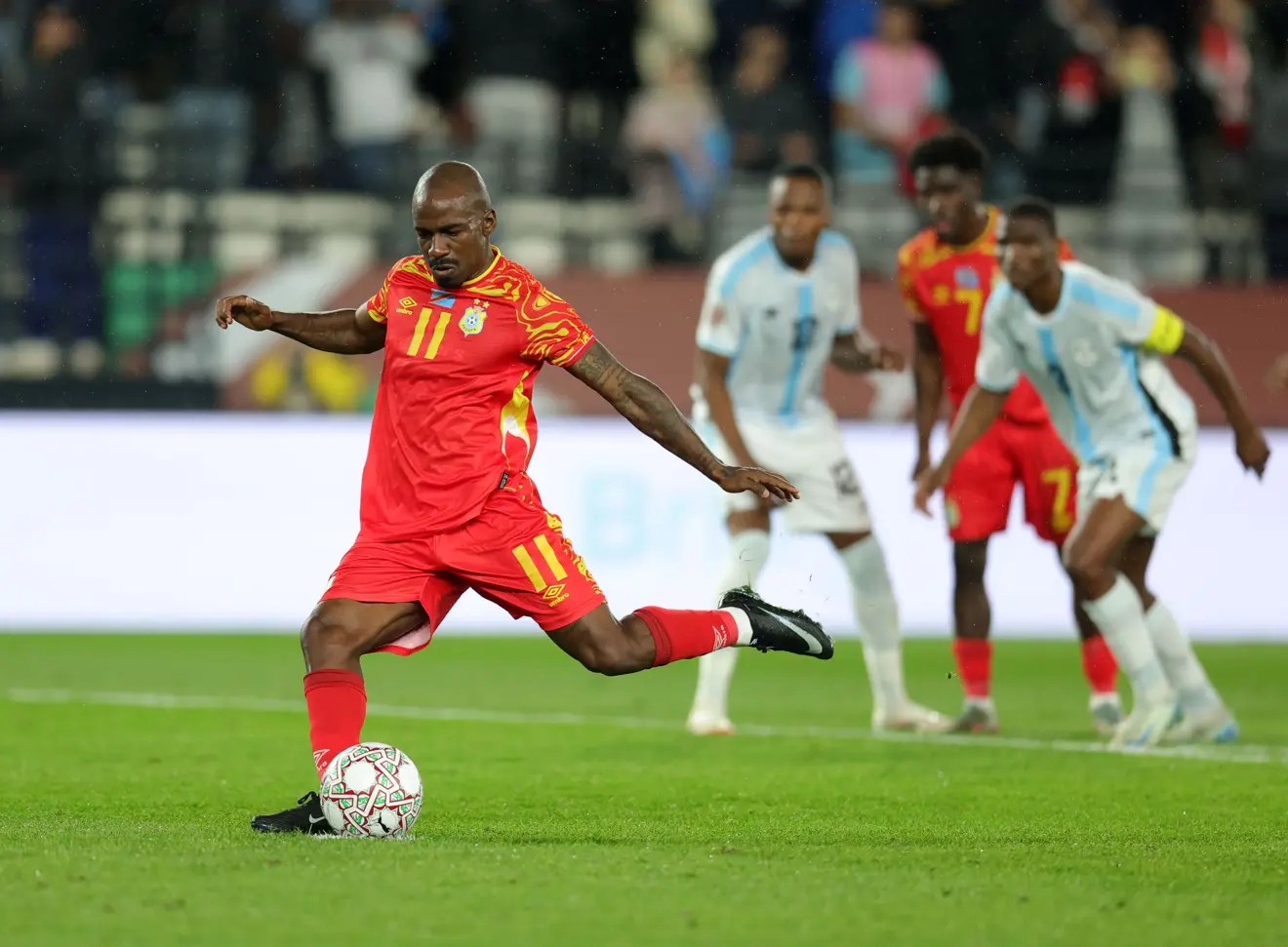 “Senegal underlined their TotalEnergies CAF AFCON title credentials with a commanding 3-0 victory over Benin in their final Group D encounter, in an entertaining contest played in Tangiers on Tuesday evening. The former African champions made a purposeful start and were rewarded in the 38th minute, when Abdoulaye Seckrose highest to power home a header from Krépin Diatta’s well-delivered set piece, giving Senegal a deserved lead at the interval. Benin showed greater urgency after the restart, testing Édouard Mendy through efforts from Aiyegun Tosin and Junior Olaïtan, but Senegal remained well organised at the back and clinical in their attacking play. Senegal doubled their advantage in the 62nd minute, with star forward Sadio Mané turning provider, slipping a neat pass into the area for Habib Diallo, who made no mistake with a composed left-footed finish from close range. …”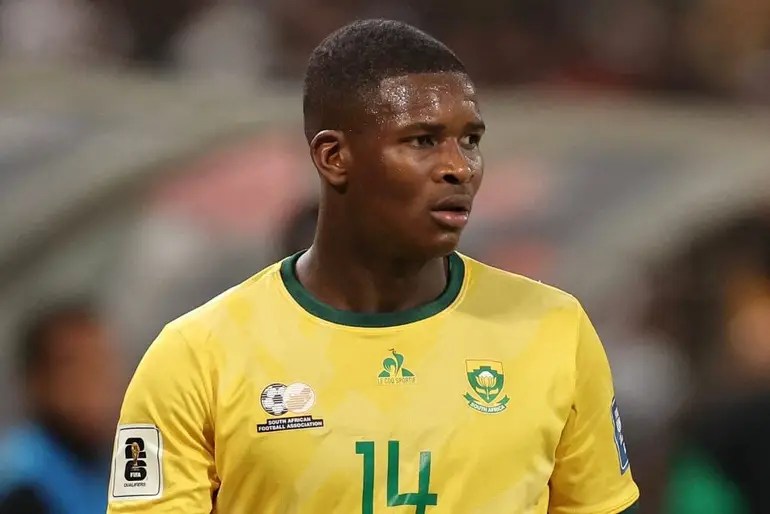
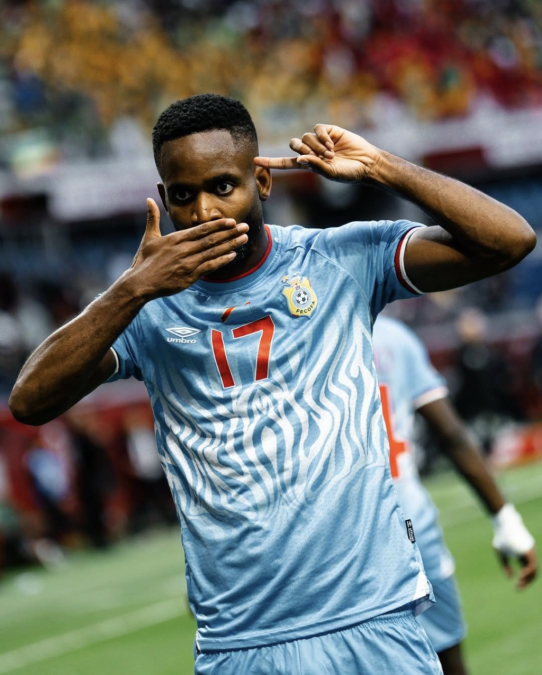
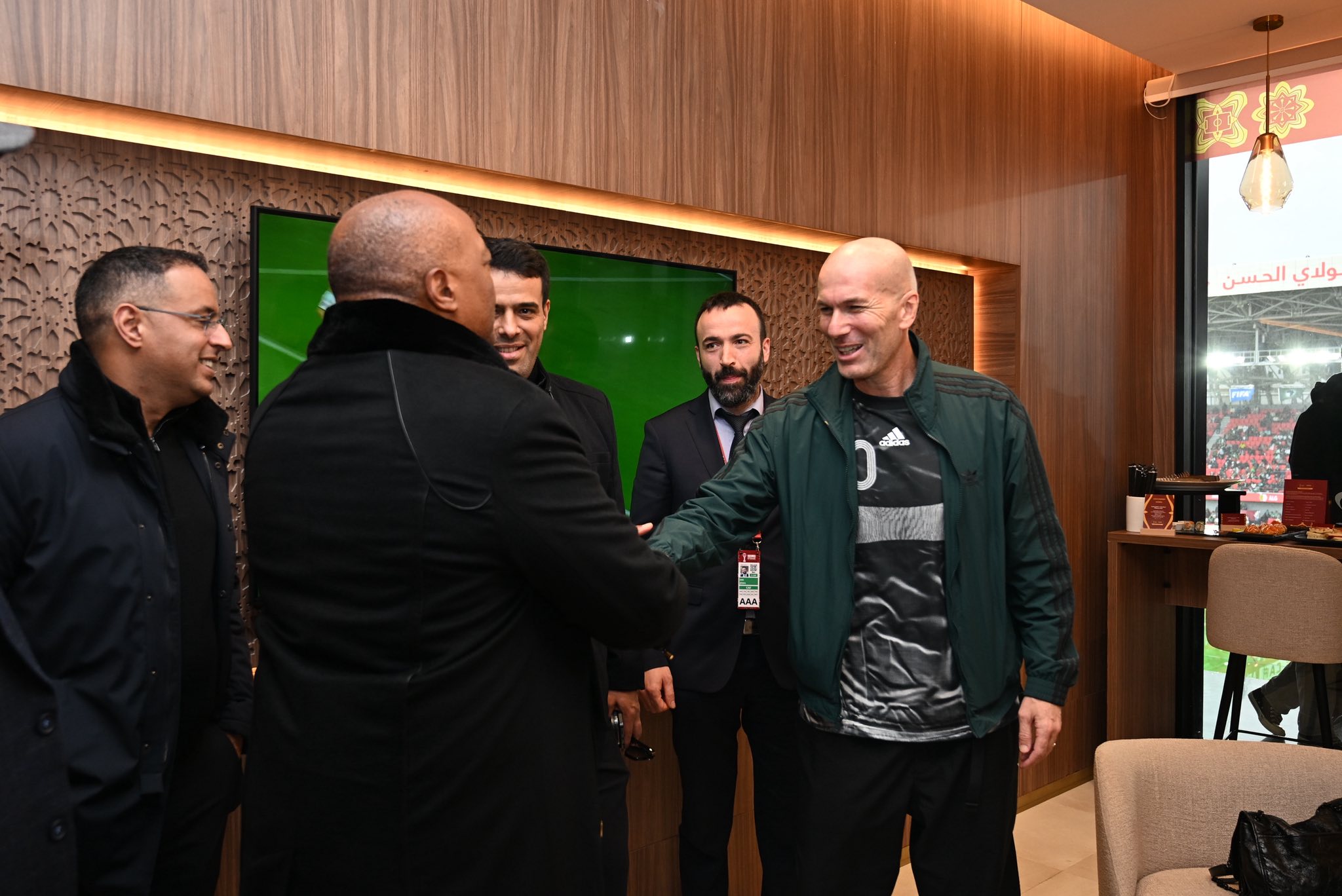
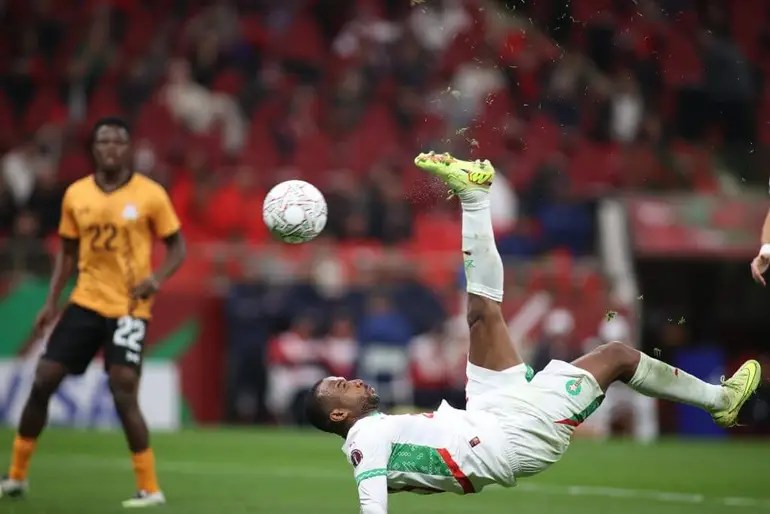
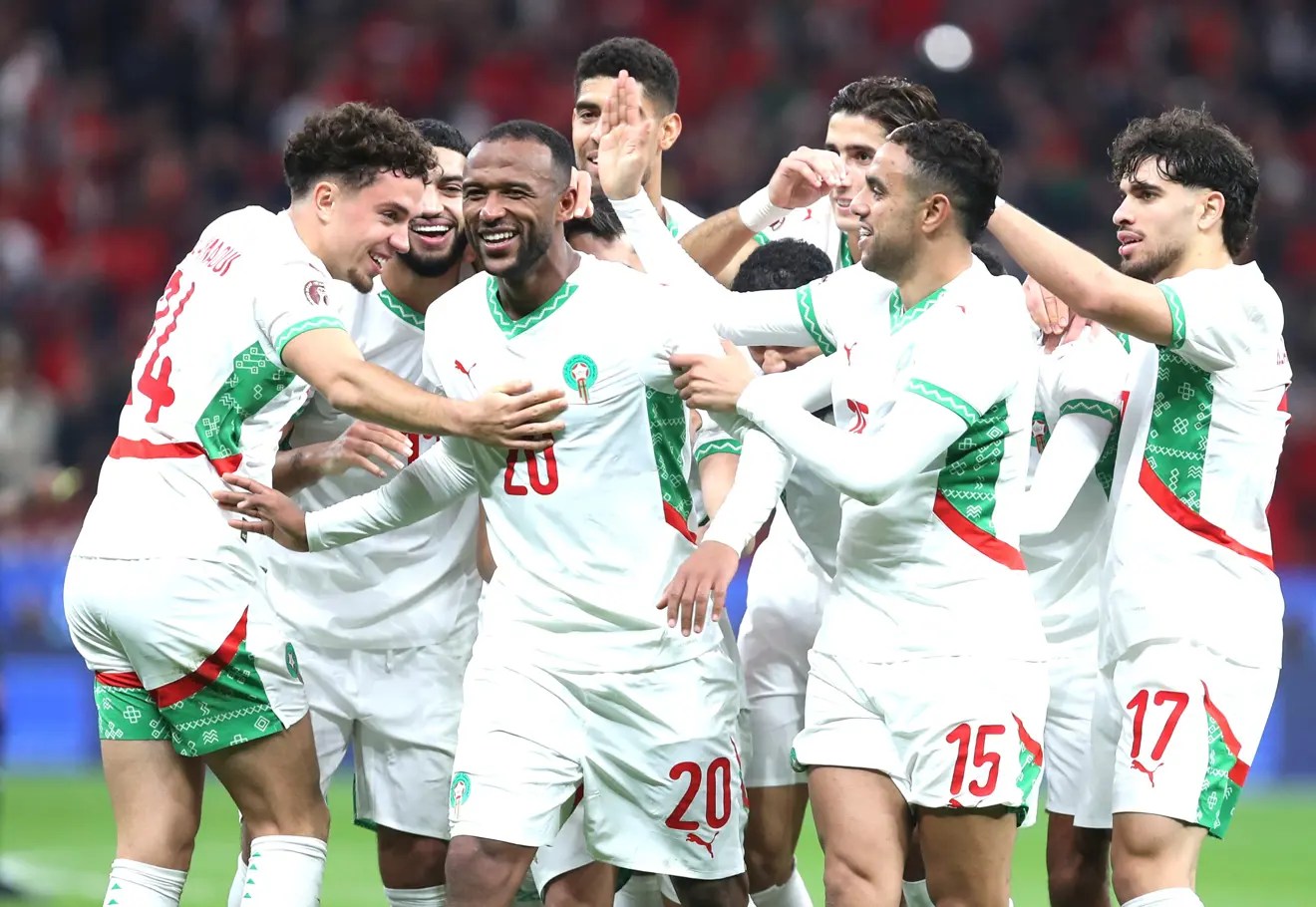 “Morocco responded emphatically to the pressure of a decisive final group match, producing a commanding 3–0 victory over Zambia on Monday night to finish top of Group A at the TotalEnergies CAF Africa Cup of Nations 2025. The hosts set the tone early, playing with urgency and clarity from the opening exchanges. Their dominance was rewarded inside nine minutes when Ayoub El Kaabi opened the scoring. A cleverly worked short corner from the right saw Azzedine Ounahi float an inviting delivery to the far post, where El Kaabi rose unchallenged to head home from close range. The second goal arrived in the 27th minute, once again highlighting Ounahi’s creative influence. The midfielder slipped a perfectly weighted pass down the left to Abde Ezzalzouli, whose low cross evaded El Kaabi but fell invitingly to Brahim Diaz. The winger showed composure to guide a left-footed finish past goalkeeper Toaster Nsabata Mwanza, doubling the lead before half-time. …”
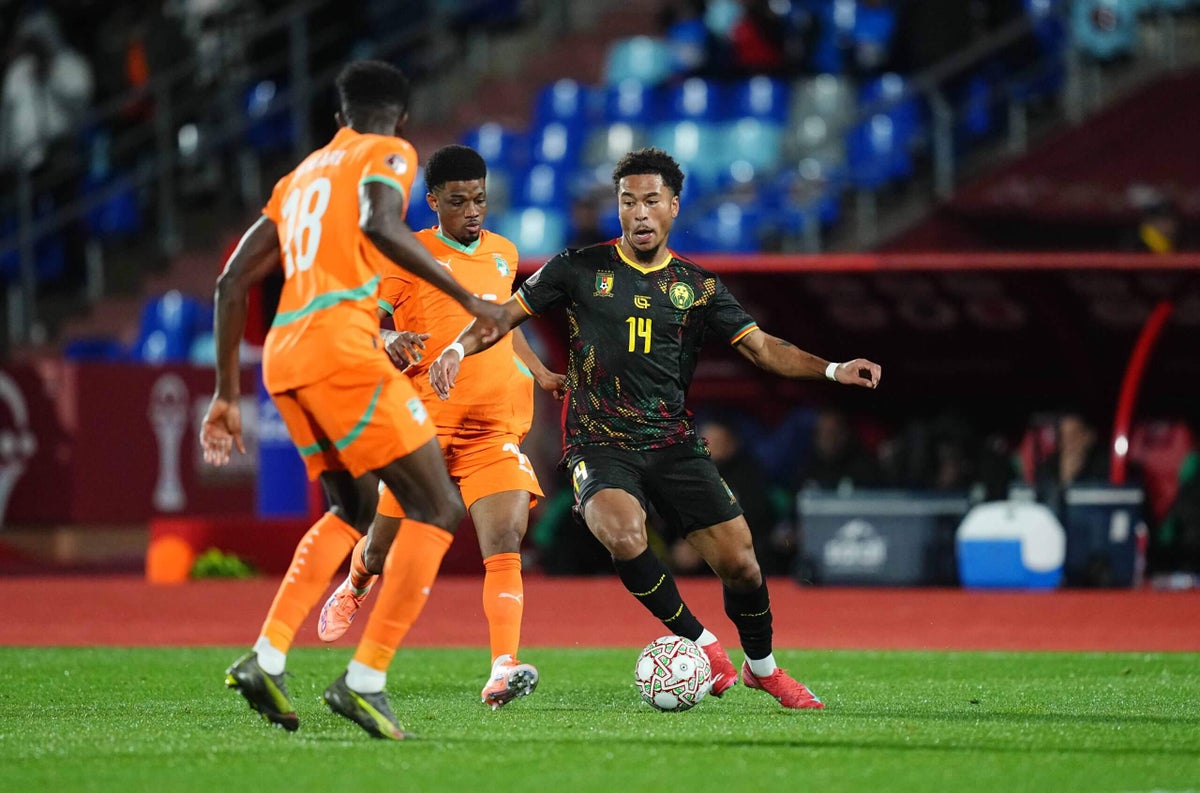 “When the uncapped Valerenga midfielder Brice Ambina withdrew from the Cameroon squad on the eve of the Africa Cup of Nations, new coach David Pagou responded with a surprise call-up. Arnold Mael Kamdem, a 25-year-old midfielder, was a vaguely familiar name to Cameroonians, but only those with a decent memory, seeing as he had left the country for a career in Brazil in 2020. Kamdem has since bounced around so many clubs that even the teamsheet from Sunday night’s game against the Ivory Coast was out of date. …”
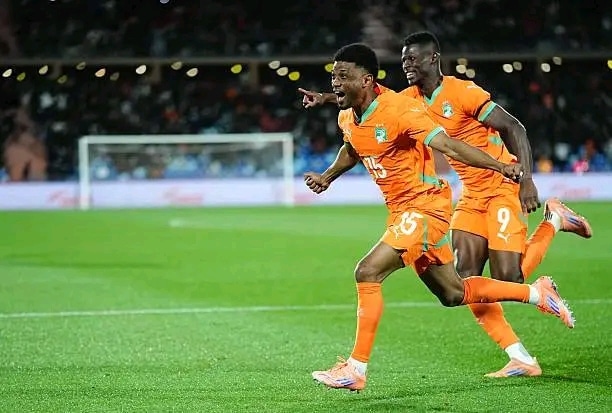
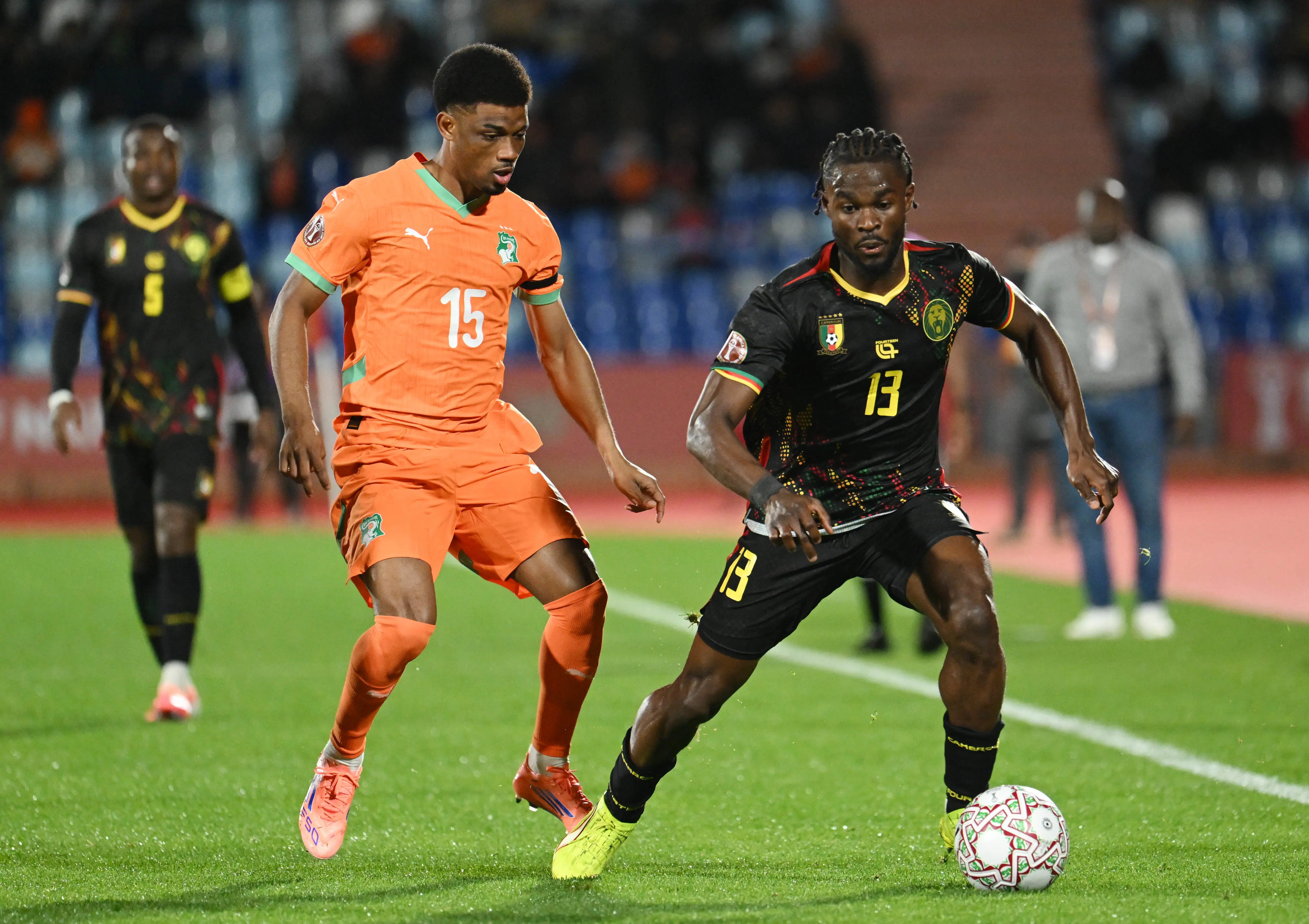 “Cameroon and defending champions Côte d’Ivoire shared the spoils in a pulsating 1–1 draw in their second Group F fixture at the TotalEnergies Africa Cup of Nations (AFCON), Morocco 2025. At the end of 90 minutes, neither side could find a decisive edge in a gripping encounter in Marrakesh. Junior Tchamadeu’s deflected effort midway through the second half cancelled out a moment of brilliance from Amad Diallo, whose stunning opener had put the Ivorians ahead in a contest rich in quality, intensity and goal-mouth action. The opening exchanges were tight and tactical, with both sides showing caution. Cameroon came close to breaking the deadlock after 20 minutes when Christian Kofane rose highest to meet a cross from the left, only to see his header crash against the crossbar. …”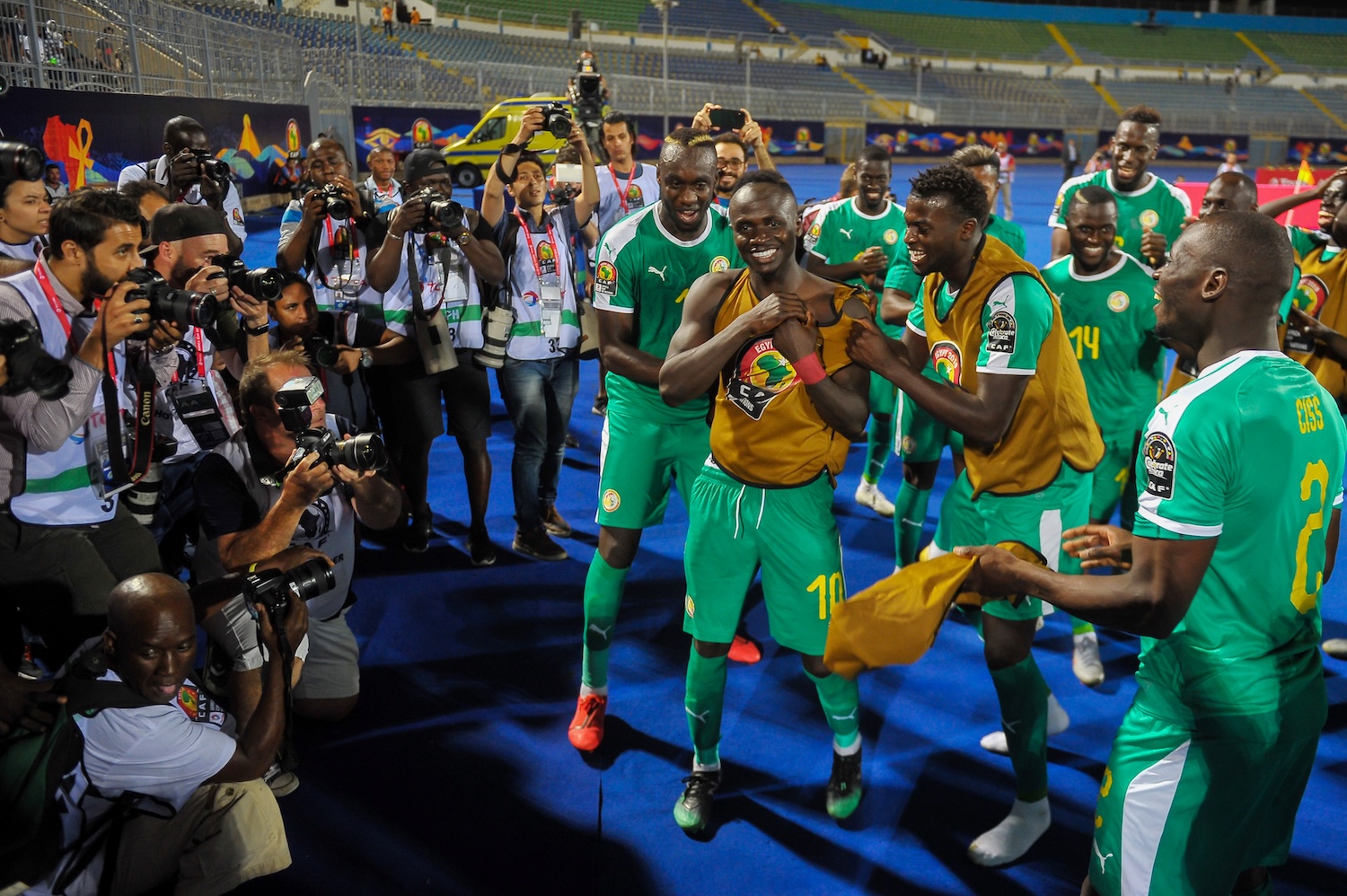
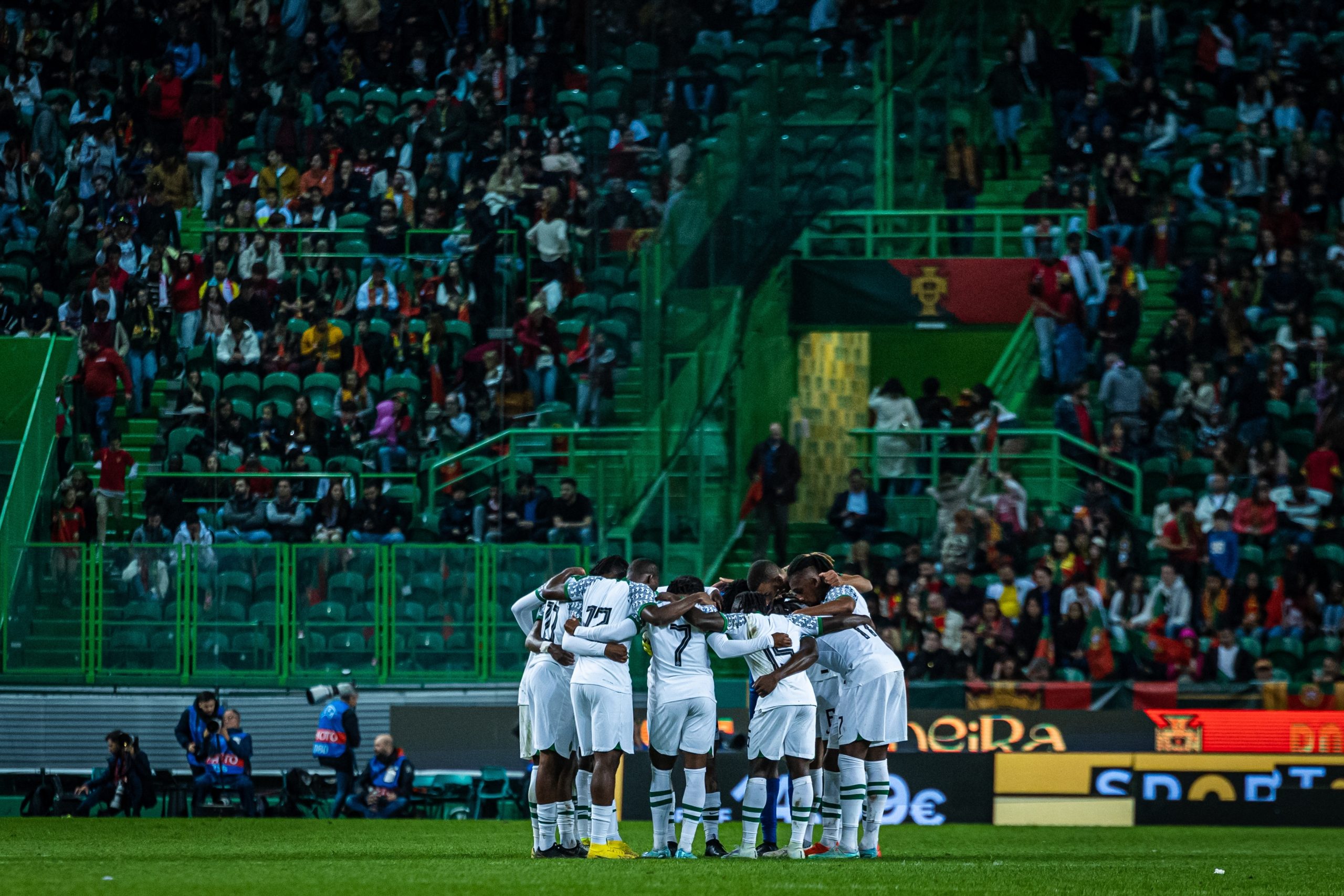 “For more than four decades, Nigeria has lived inside a carefully constructed narrative of greatness. In the years that followed the civil war, successive governments turned to soft propaganda in an attempt to rebuild national confidence. Slogans such as “Giant of Africa, Africa’s most populous nation, and Good People, Great Nation were promoted as unquestionable truths. …”
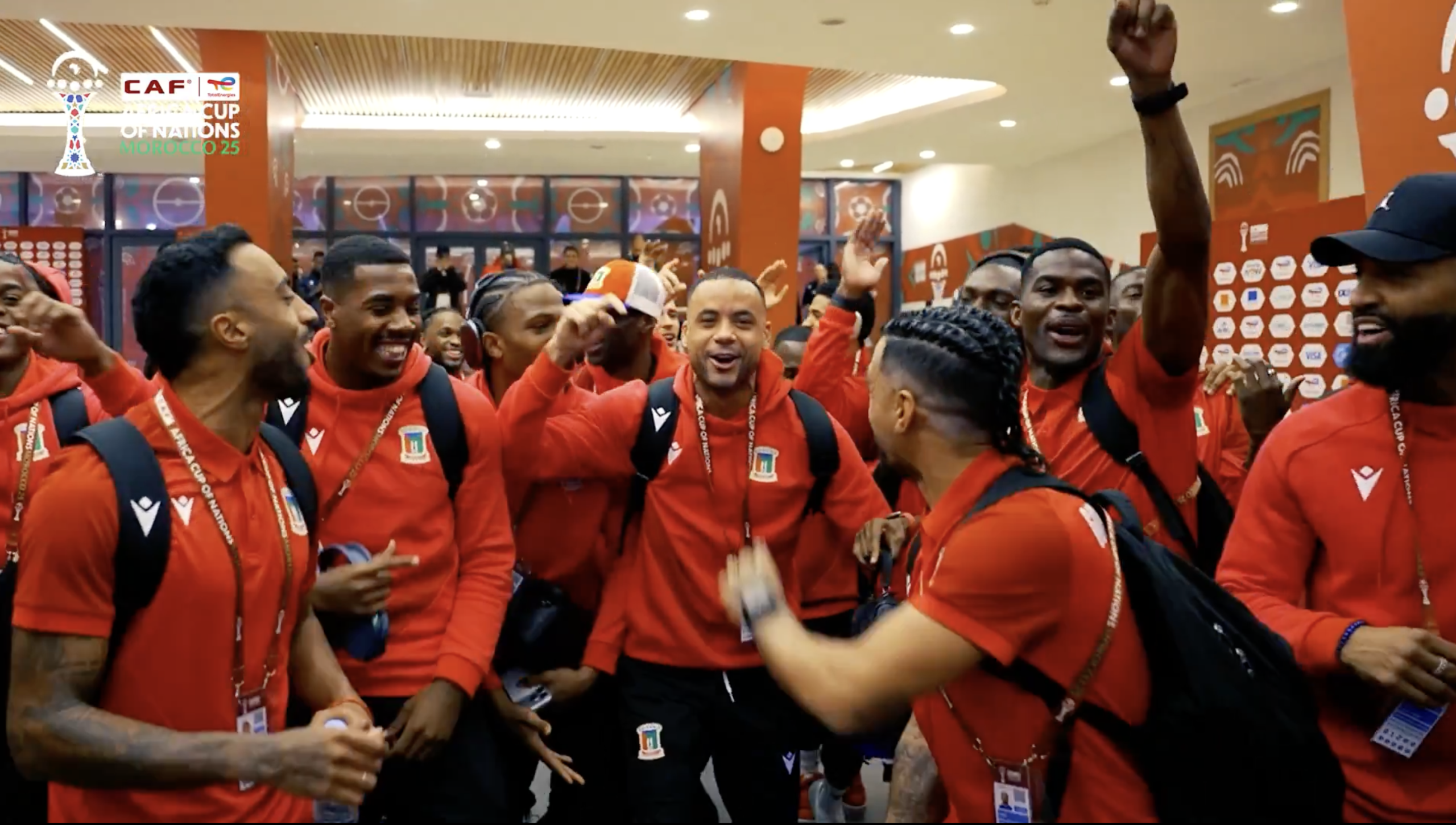 “It is impossible to imagine the Africa Cup of Nations without music. The opening ceremony is always launched with a commissioned anthem. It is rare to catch sight of young African players without headphones on. Increasingly, teams now arrive at stadiums with loudspeakers in tow, breaking into synchronized chants or dances as they make their way to the dressing room. Now that Matchday 1 of the 2025 AFCON is in the books, we’ve had enough time to get a sense of what everyone has been listening to at Africa’s biggest football party. Here’s a round-up of what players and fans are listening to after the opening matchday of the tournament. Stadium arrivals have become one of the defining features of the AFCON. In no other competition do teams step off their bus chanting in unison as they enter the stadium and walk toward the dressing room. …”
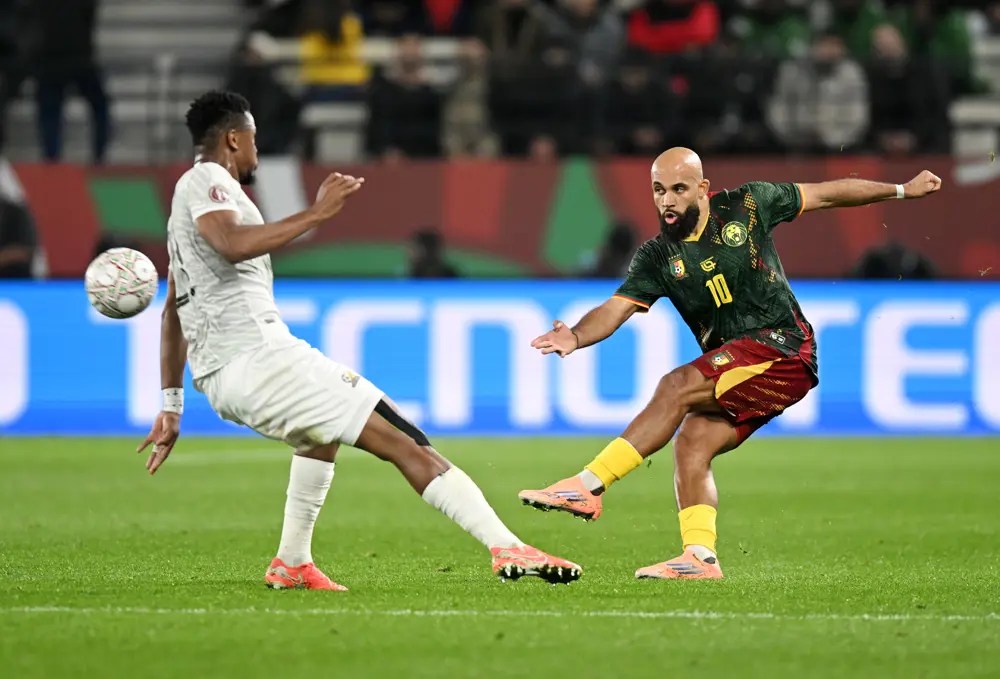
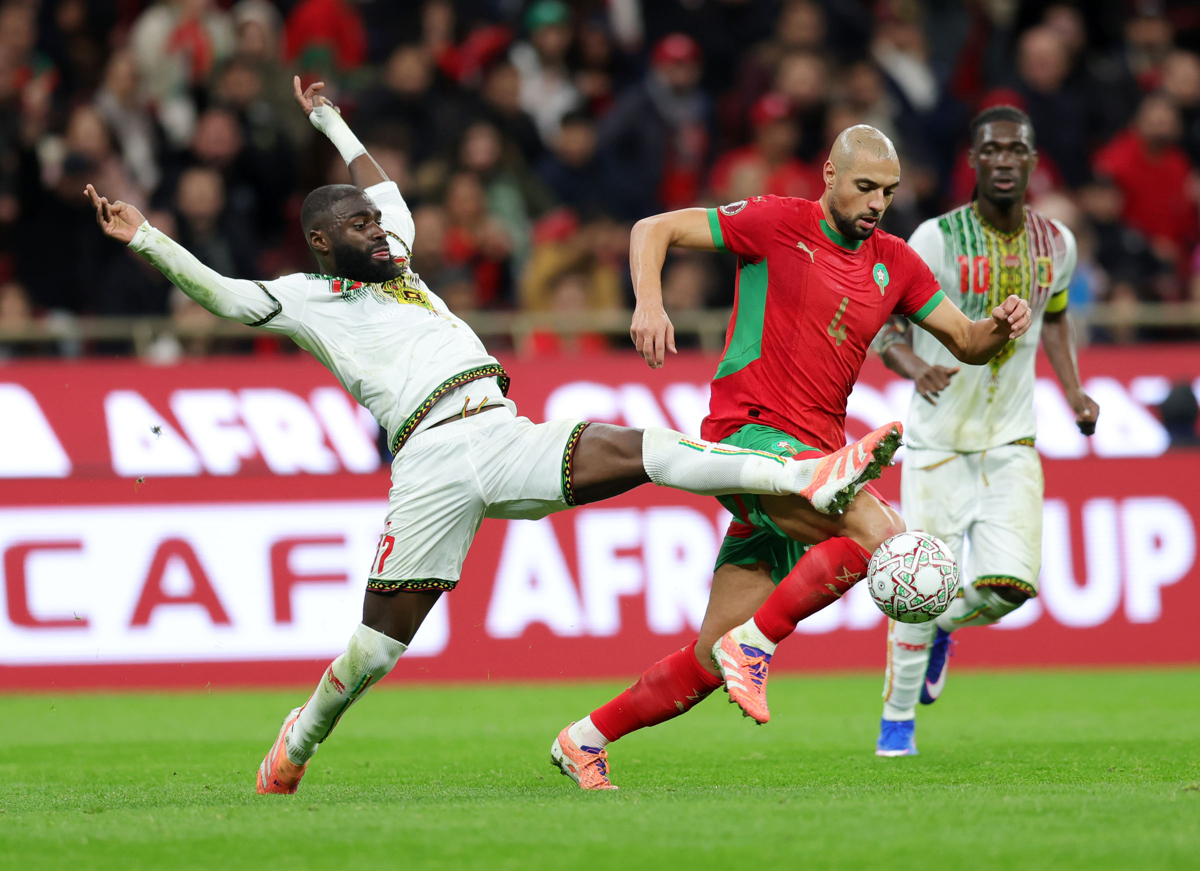 Sofyan Amrabat of Morocco challenged by Lassine Sinayoko of Mali during the 2025 Africa Cup of Nations AFCON match between Morocco and Mali at the Prince Moulay Abdellah Stadium in Rabat, Morocco on 26 December 2025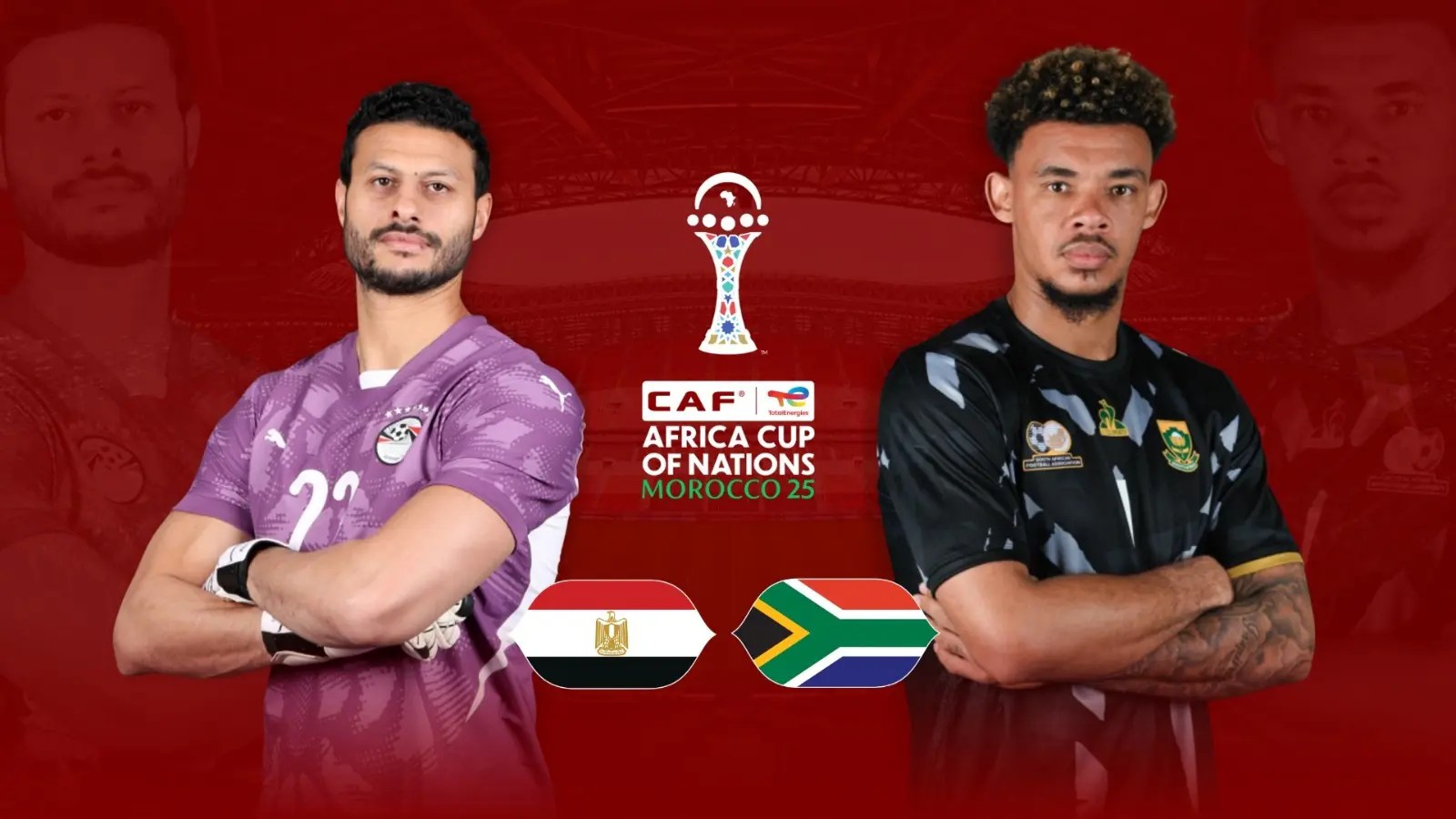
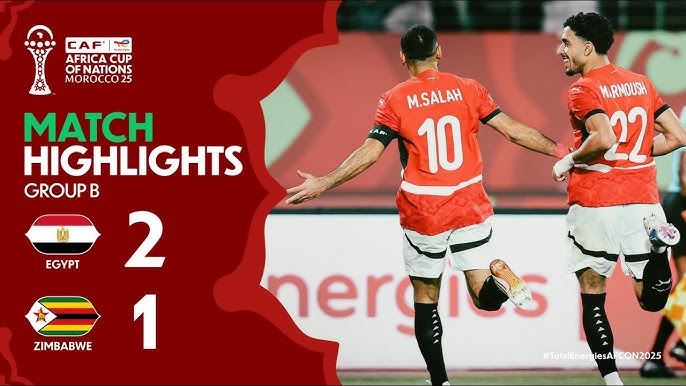


 “Nigeria got their AFCON campaign off to a winning start, but they were made to work by Tanzania. The two nations have met once before at AFCON, in 1980. Nigeria won that game 3-1 and went on to win the tournament, their first. Nigeria head coach Eric Chelle will be hoping the goals from Hull City’s Semi Ajayi and Atalanta’s Ademola Lookman will equally send his side on a successful run at this year’s tournament in Morocco. …”
 “The 2025 Africa Cup of Nations, known in short as the 2025 AFCON or CAN 2025and for
  Ayoub El Kaabi scores an incredible goal for Morocco
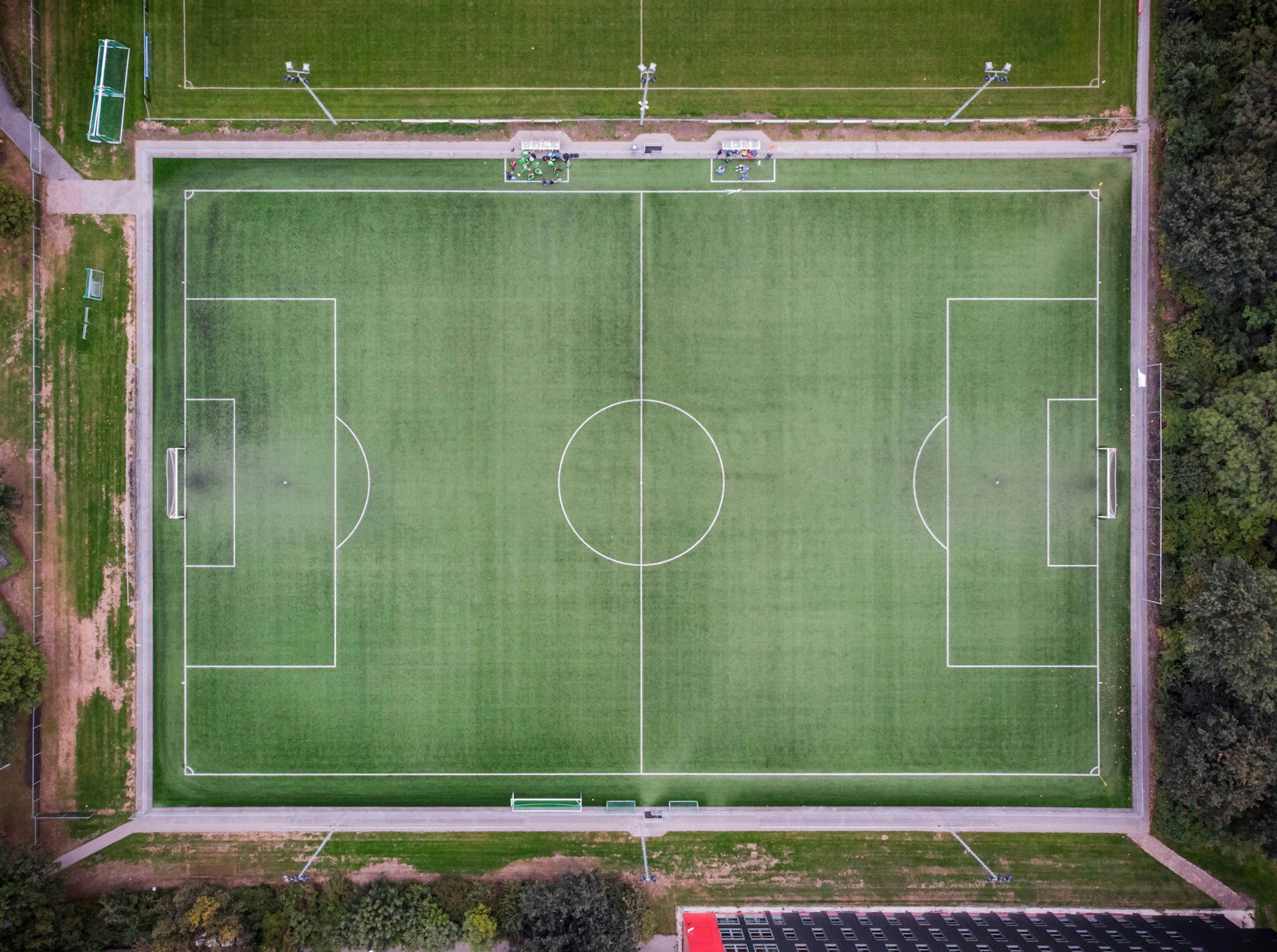 “There is something stubbornly anachronistic about the pitch. A rectangle of grass, marked out with chalk or paint, governed by rules that are simple enough to learn when you’re young and serious enough to demand a lifetime’s attention. As the old saying goes, ‘of all unimportant things, football is the most important.’ Time on the pitch is not optimized or personalized, but is shared. Ninety minutes pass whether you are ready or not, and nothing can be paused, rewound, or skipped. Bodies gather, not to curate an experience, but to submit to one whose outcome cannot be known in advance. For all its compromises, football remains one of the few mass rituals left in public life that still insists on collective presence—on being there, together, in the same place, at the same time. …”
 “The fingers of Europe and Africa were almost touching and between them, at the end of a golden hour, the sun merged with the horizon. With the sky turning from orange to purple, the serrated edges of Morocco’s extreme north became clearer. The Port of Tarifa in Spain was getting smaller, yet it never disappeared. Laurie Lee described the town as ‘washed-up Africa’ because of its proximity to the continent, which is just nine nautical miles away. From the eastward-facing deck of the Balearia ferry, you could see the white cliffs of Gibraltar. There, you have warm beer, Marks & Spencer, red phone boxes and cannons facing towards the invisible enemies. On the other side, you could see Morocco, with Jebel Musa brooding and the sparsity of the Rif mountain range behind it, which forks sharply like a sheath of daggers. …”
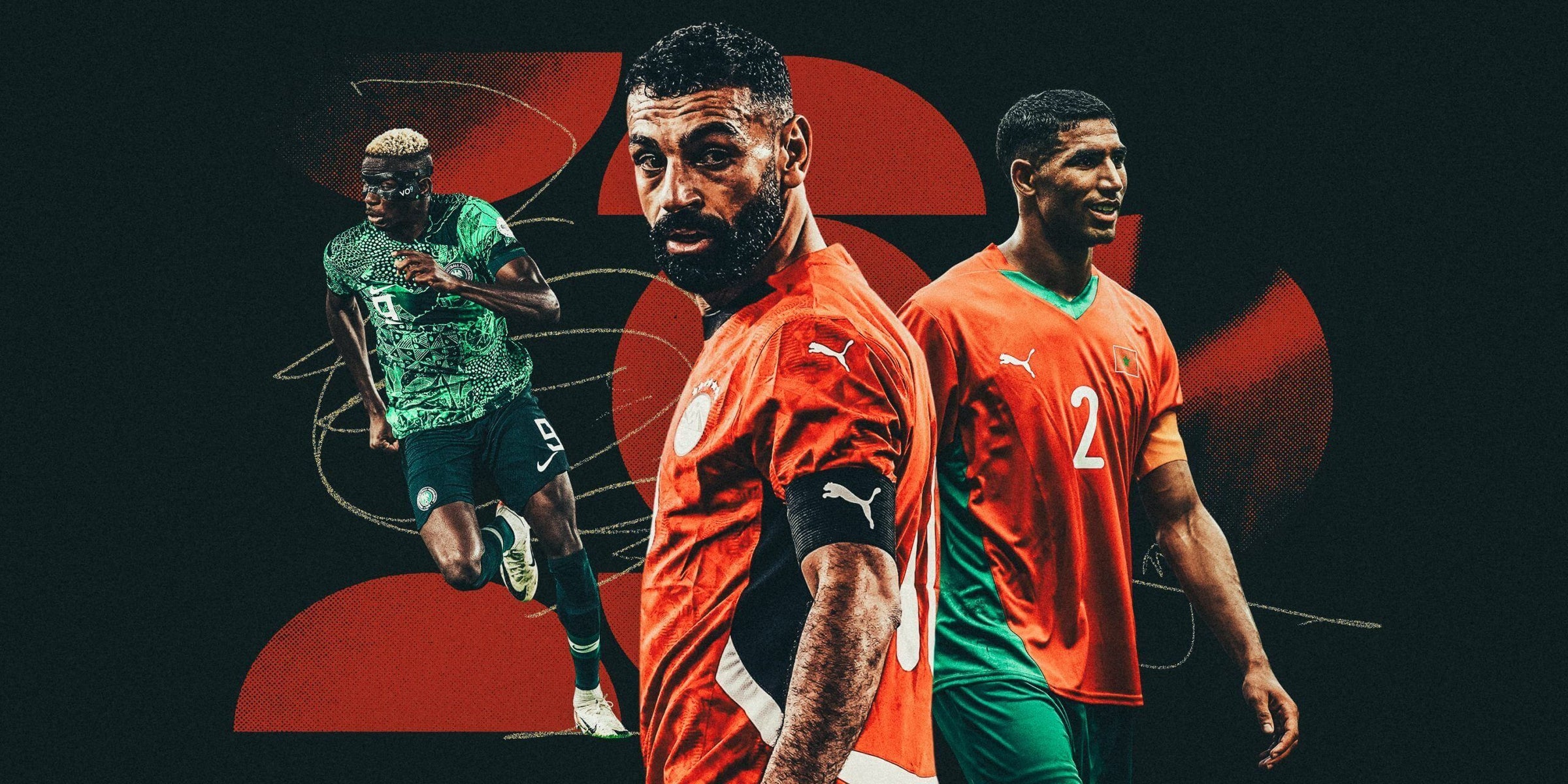

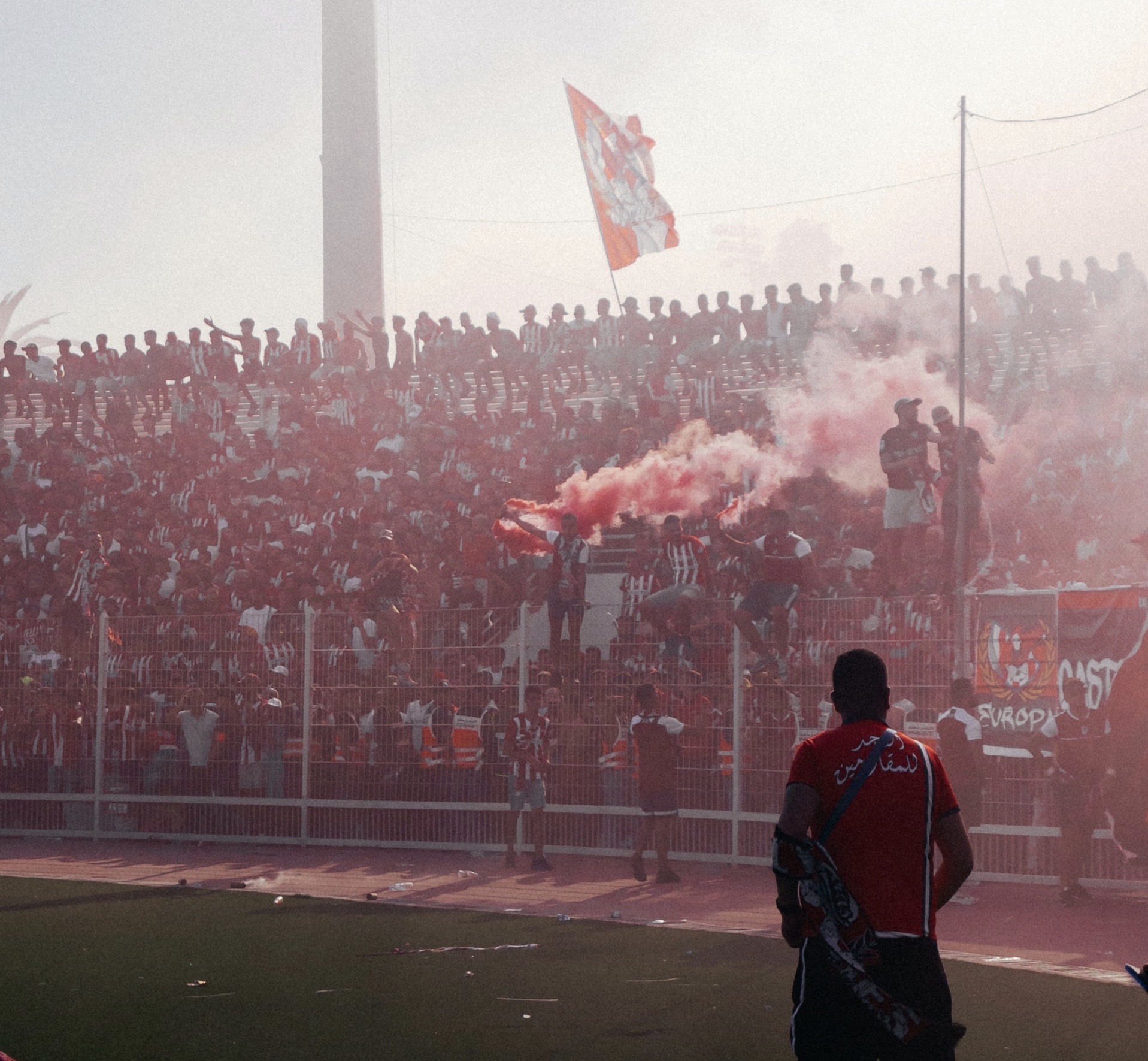 “Morocco’s run in this World Cup has been exhilarating. Led by Paris-born coach Walid Regragui, who took over only three months ago, the Atlas Lions have exceeded all expectations, defeating three former European colonial powers (Belgium, Spain, and Portugal) and are now up against France. From the mass prayer sessions in Indonesia to the celebrations on the streets of Somalia and Nigeria, this team has won the hearts of millions—Africans, Arabs, Muslims, and migrants who see themselves in this team. Images that will endure: playmaker Hakim Ziyech’s light-footed turns, midfielder Sofian Amrabet—dubbed Minister of Defense—and his barreling runs, and team captain Achraf Hakimi’s post-match embrace of his mother, who worked as a domestic in Madrid, Spain, while raising her children. But for Moroccans, it’s also the Moroccan takeover of the Qatari stadiums that has captivated the world: the pulsating drums, castanets, colorful outfits, and elaborate songs. …”
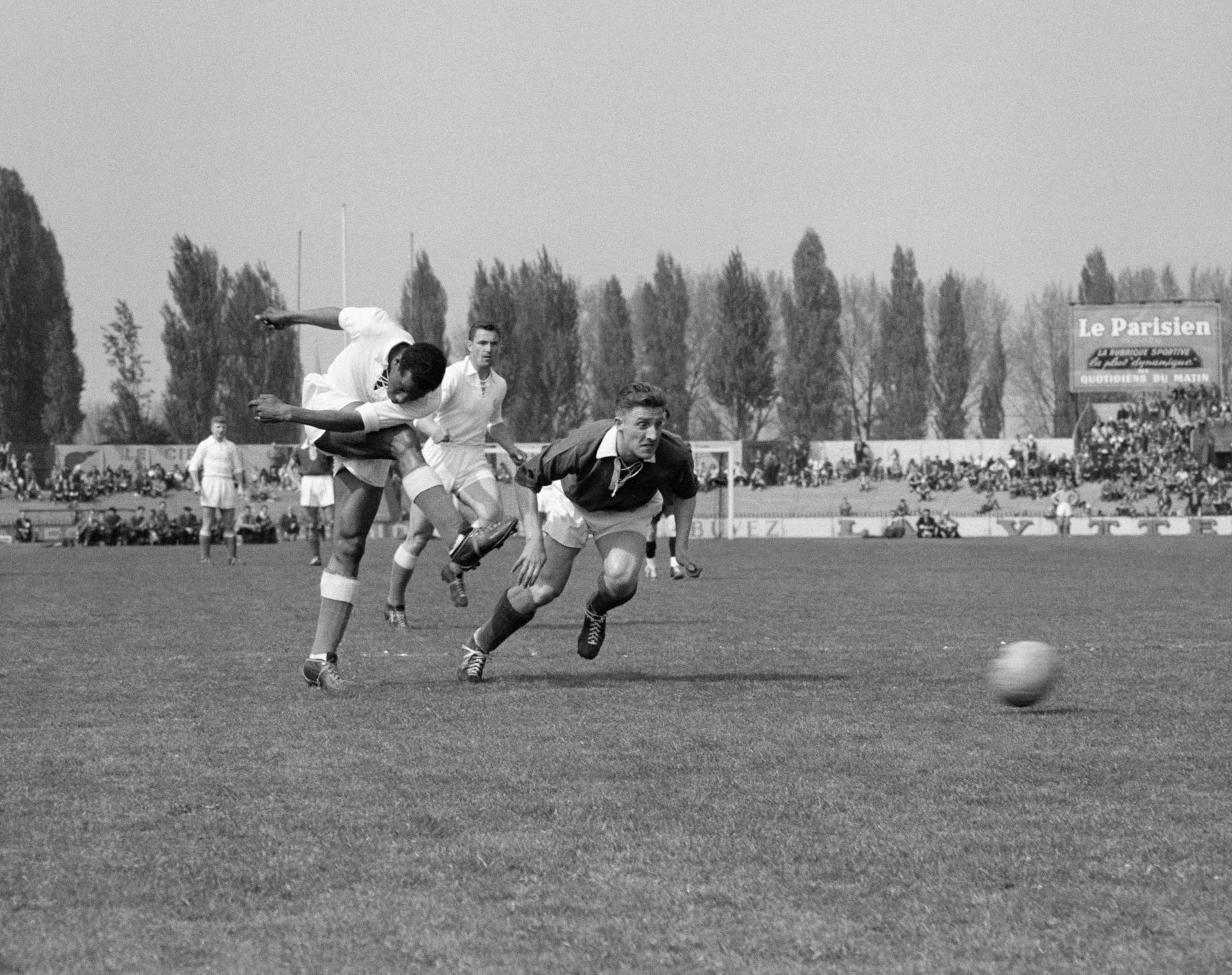 Larbi Ben Barek of Marseille and Eloy of Sedan during a French Cup quarterfinals match in 1954.
