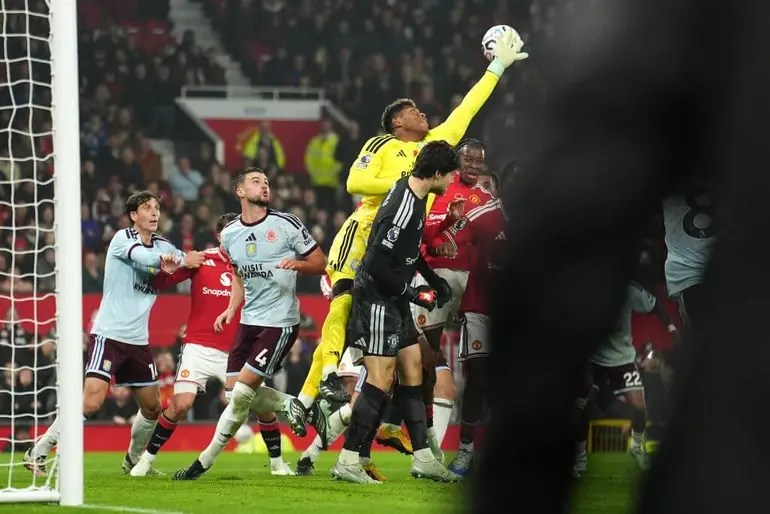
“Seconds before the final whistle in Chelsea’s 1-0 victory away Manchester City in 2013-14, Jose Mourinho made a very unusual substitution. In isolation, bringing on striker Demba Ba in place of Eden Hazard wasn’t particularly strange. But Mourinho’s rationale was. As he explained afterwards, Mourinho expected City goalkeeper Joe Hart to go forward for a corner in stoppage time and decided he needed a tall player to mark him. As it happens, Hart didn’t go forward for the corner. Ba defended the near post space instead and headed away the corner. Maybe only Mourinho, the master of formulating a tactical plan by working backwards from the opponents’ strengths, would decide to deploy a player specifically to mark the opposition goalkeeper. But why not? …”
NYT/ATH
Do good club managers necessarily make good international managers?
“Although the salary I’m sure will be excellent, I think the US job is going to be a really difficult sell to a top-level coach. The 2030 World Cup is a long way away and I’m not sure the Concacaf Nations League, the Gold Cup or even the 2028 Copa América carry much appeal for a manager with European experience or aspirations. But I’m not entirely sure that sort of coach is necessarily a great idea. The last two World Cups, after all, have been won by low-key coaches who have come from within the federation and have worked with many of the players at youth level. That’s the positive from appointing from within; appointing from without is almost certainly more expensive and there’s the danger the next foreign manager does just what Mauricio Pochettino does, and has his head turned by the first vaguely attractive European job that comes calling. …”
Guardian – Jonathan Wilson
More than F1 – Monza’s captivating football story
“… Sporting theatre on four wheels is not all that this northern Italian city has to offer, though. Just under four miles from the historic home of motor racing’s Italian Grand Prix sits the 17,000-capacity Stadio Brianteo, home to Serie A football club AC Monza. It’s not easy for the club to capture attention, given European giants AC Milan and Inter Milan play at the San Siro, a 20-minute drive away, while the romantic lure of Como is less than an hour from here by train. But Monza have their own captivating story to tell. Founded in 1912, the Biancorossi – white and reds – did not even play in Serie B for the first time until 1951. As recently as 2017, they were playing part-time in Serie D. …”
BBC
Spain in pain as historic run ends but De la Fuente feels best is yet to come
“‘With every game, defeat gets closer,” Luis de la Fuente had said and on Sunday night it finally came. Spain had lost only one competitive game since Scotland in March 2023 back when the coach hadn’t won anything and didn’t look like he ever would – and that solitary loss was on penalties in the 2025 Nations League final. Statistically, they said, penalties don’t count, so while Portugal lifted the trophy that night, the team that won the European Championship and World Cup in the summers either side also claimed a Fifa record of 44 official games unbeaten. And then England turned up at the Metropolitano. …”
Guardian
Andy Burnham is correct: English football’s 3pm blackout is worth protecting
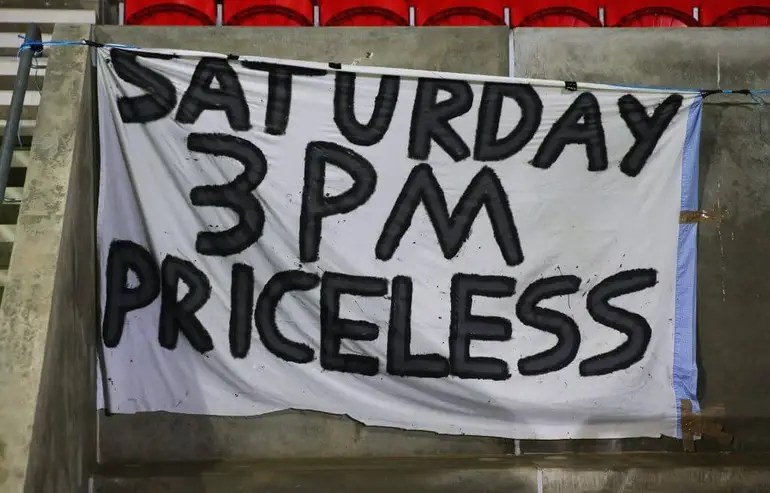
“The 3pm blackout is regularly called ‘ridiculous’, ‘pointless’ and ‘out of date’. Some consider it an affront to supporters and bad business for the Premier League. It is rarely defended, even though the blackout policy is noble, logical and serves its purpose. But on Monday, UK Prime Minister Andy Burnham “urged caution” on lifting the Saturday 3pm broadcast blackout, saying the game’s priority should be to protect the football pyramid. The point of the 3pm blackout rule is to protect attendances — not at the matches that would actually be televised in that slot, but at others being played at the same time at lower levels of the game. …”
NYT/ATH (Video)
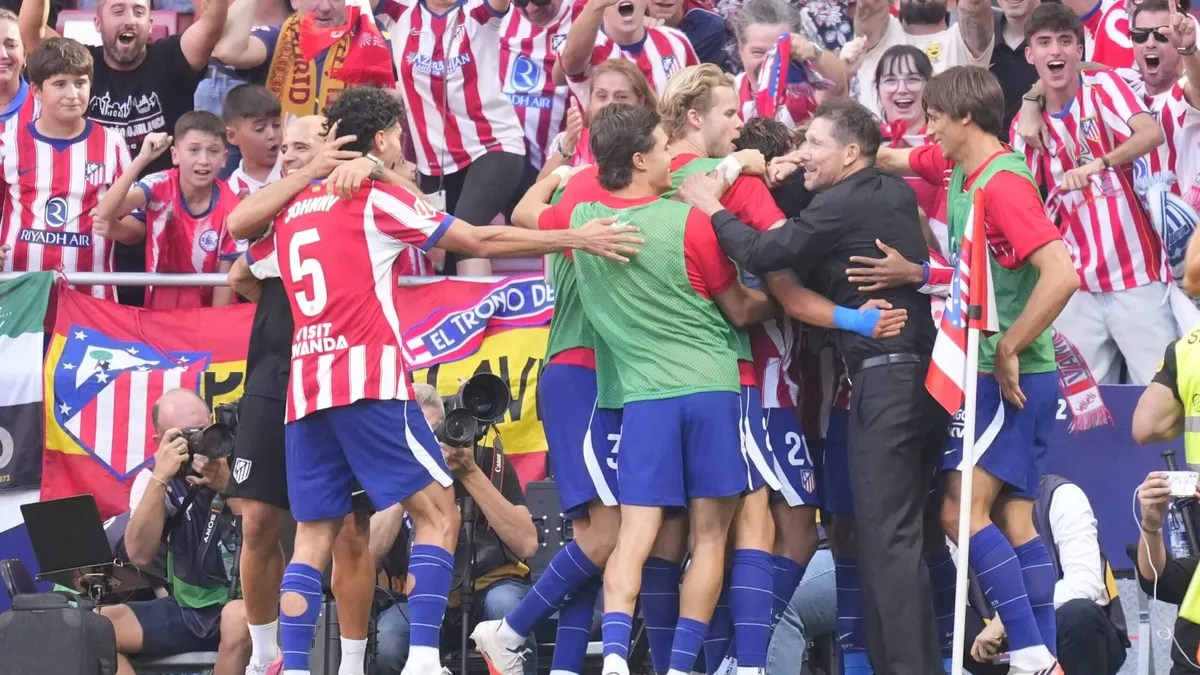 “Diego Simeone is such an established part of top-level European football that you sometimes forget how unusual his tenure is. Approaching 15 years in charge of Atletico Madrid, ‘only’ winning two league titles doesn’t quite summarise his considerable impact on European football, and the extent to which he has overachieved in a division that had become a two-horse race. Atletico had spent the previous decade as a mid-table side in La Liga, even dropping into Spain’s second tier for a couple of seasons. It is one of the most impressive dynasties in the modern game, and all the more special because of something we all know, but take for granted: Simeone is South American. For all the South American playing talent in European football over the decades, it’s very rare for a South American manager or head coach to succeed in Europe. …”
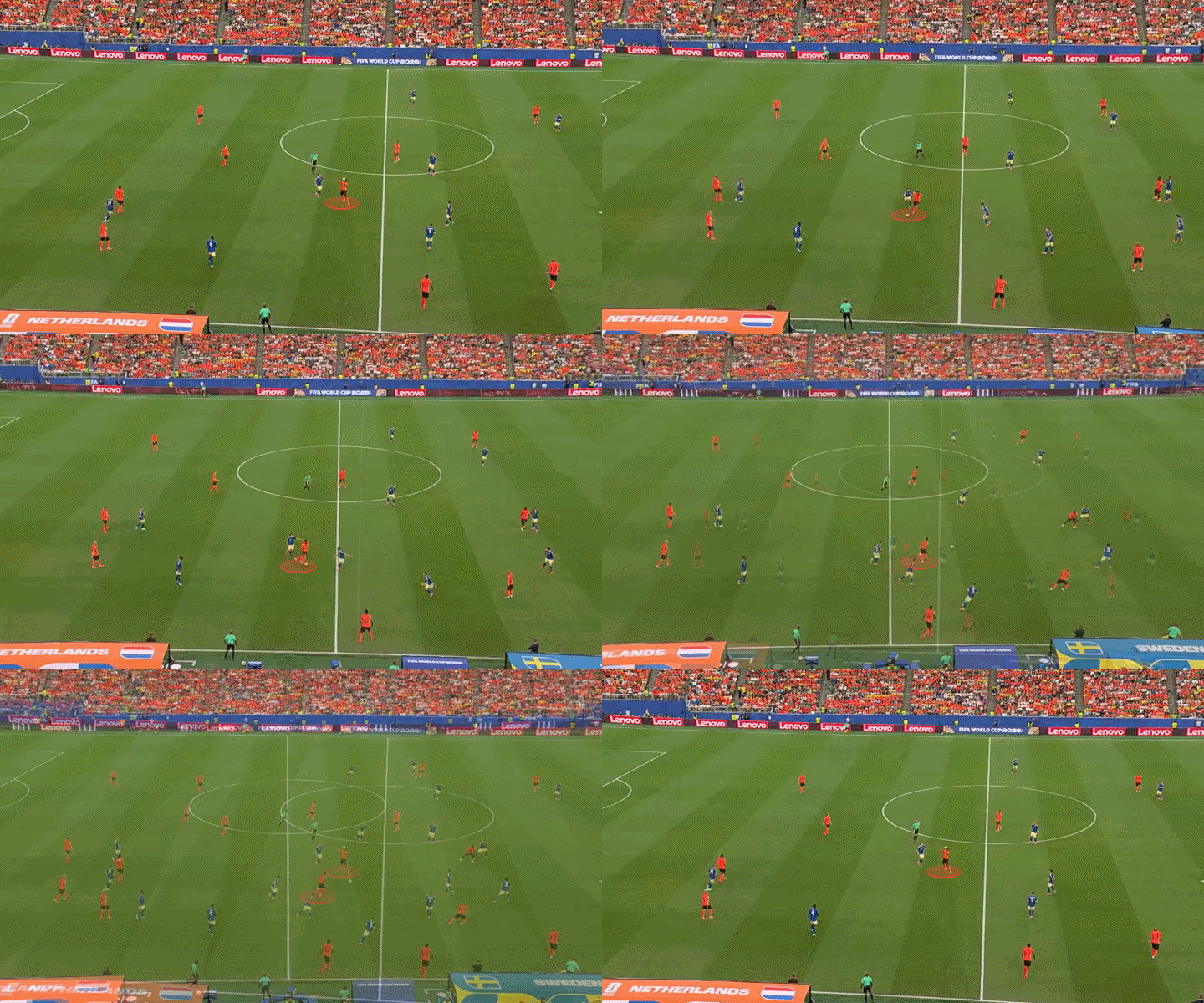 “Netherlands’ 5-1 thrashing of Sweden in Houston was the most tactically interesting contest of the World Cup so far; a perfect demonstration of how formations and shapes can dictate the flow of matches. Sweden’s strike partnership of Alexander Isak and Viktor Gyokeres worked effectively in their win over Tunisia — also a 5-1 scoreline — including assisting one another for goals. But in truth, they’ve rarely looked like an effective partnership for Sweden over the years. Although at times they combine well, it’s rare to see top-level international sides use two proper No 9s together, for good reason — the other eight outfielders are invariably overrun. Saturday’s game was a prime example. …”
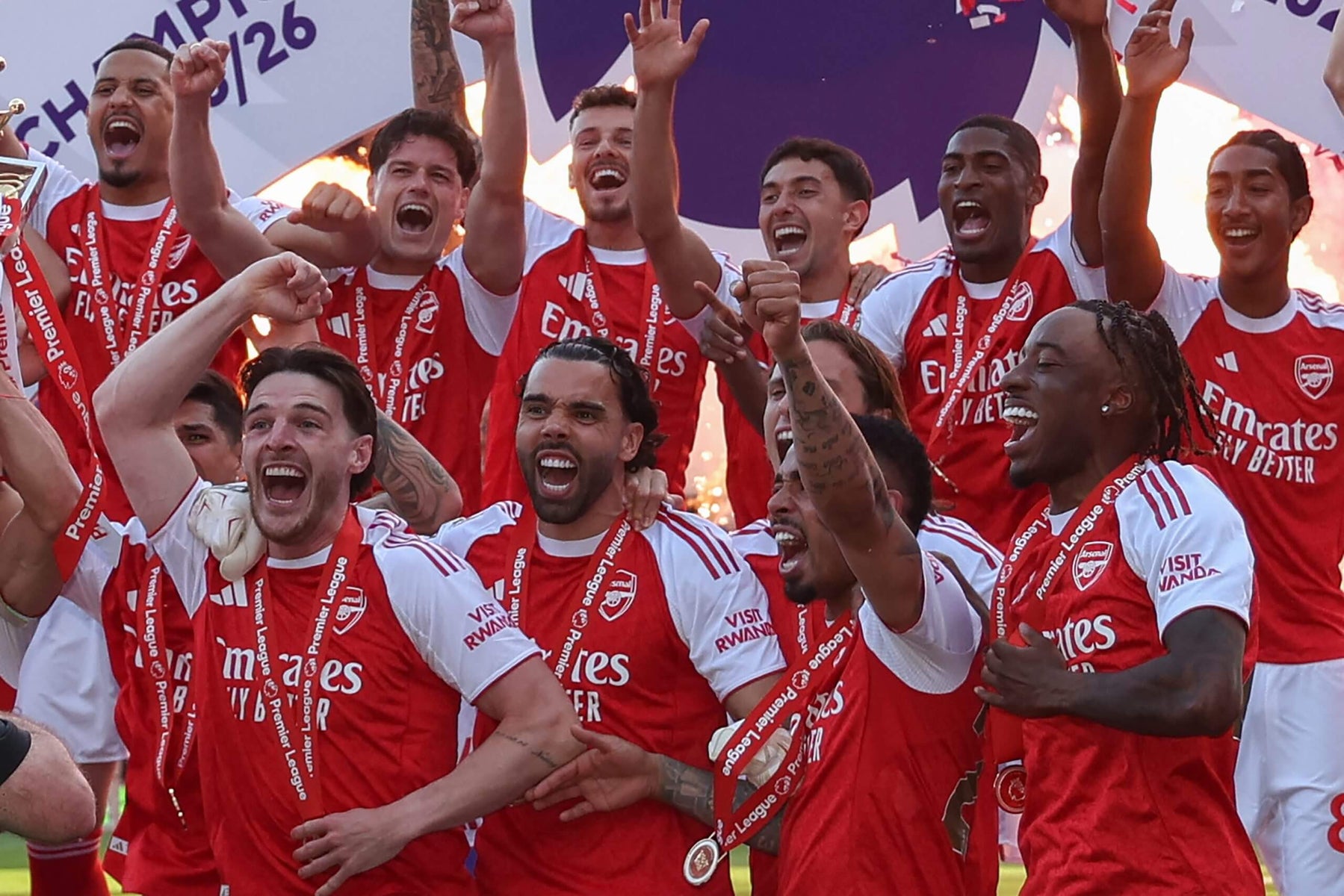 “The 2025-26 Premier League season was a strange one — the bottom-half clubs were good, the top-half clubs were inconsistent, and there was a major focus on intensity and set pieces at the expense of interplay and creativity. Three hundred and eighty games is a lot to digest. But what if the whole Premier League season could be boiled down into 10 matches, with each side featuring once? Well, it would look something like this. …”
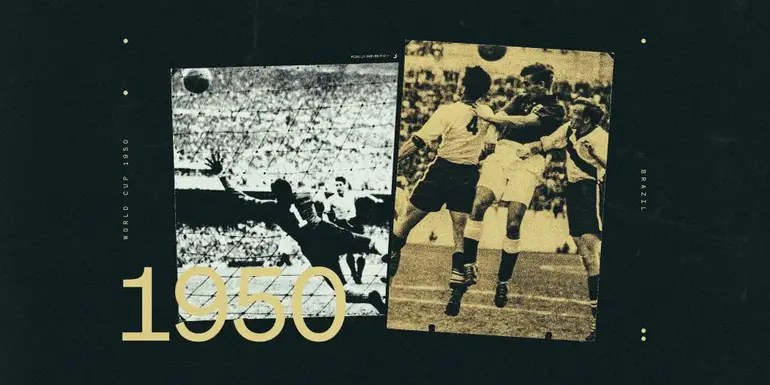
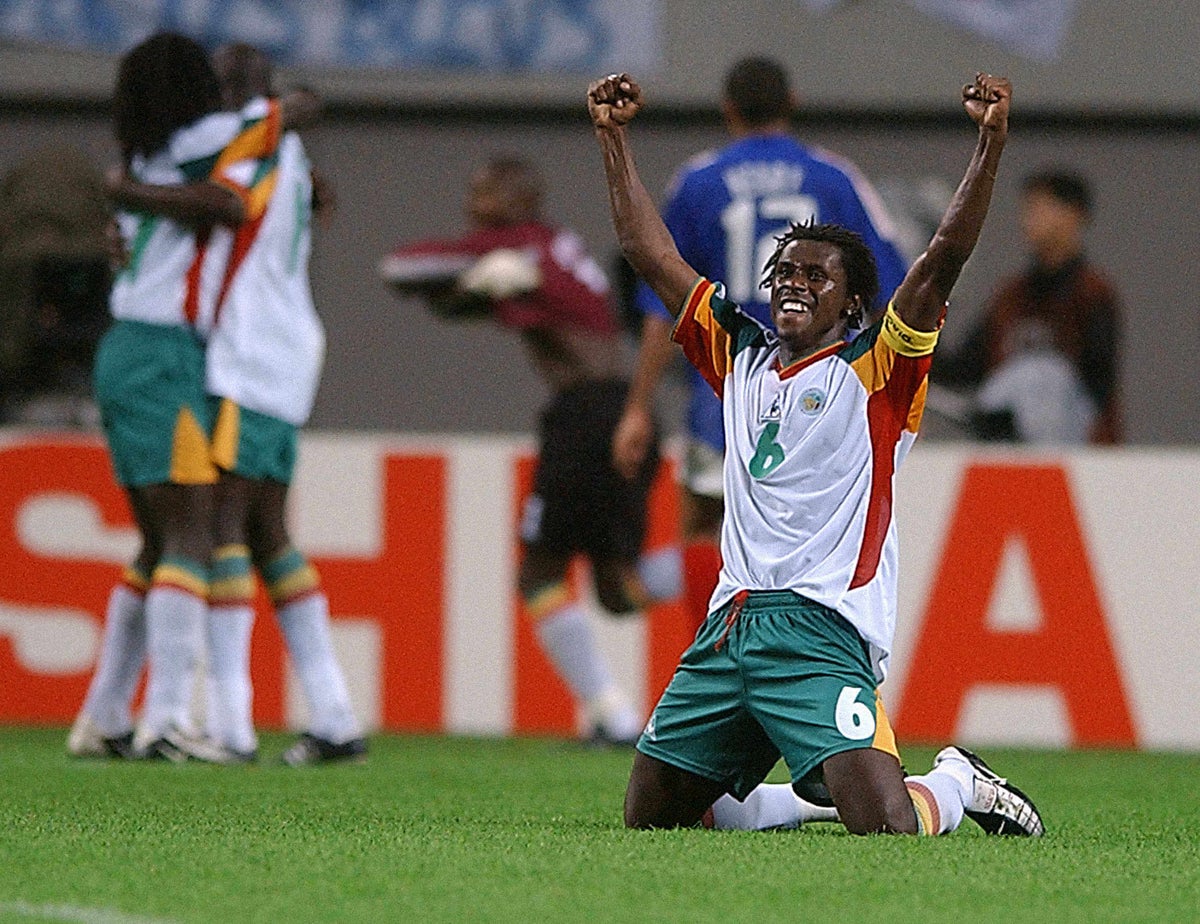 “World Cups are frequently remembered for magnificent goals, heroic performances and famous wins, but shock results play a huge role in our collective memory of the tournaments too. Here, then, is our attempt to quantify the five biggest upsets of all-time. USA 1-0 England, 1950 It’s difficult to fully explain the vast difference in expectations for England and the United States going into World Cup 1950. For England, this was their first World Cup appearance having boycotted the first three editions, but they remained convinced that English football was the strongest in the world. Their team included legendary players like Billy Wright, Tom Finney and Stan Mortensen, all amongst the greatest in their position in the world, as well as defender Alf Ramsey, who would manage England to World Cup success 16 years later. Soccer in the United States was yet to take off, and they sent a hastily assembled side managed by William Jeffrey, a Scot whose day job was coaching the Penn State University side. The players were amateurs — some regular first-teamers couldn’t travel because of the demands of their day jobs. …”
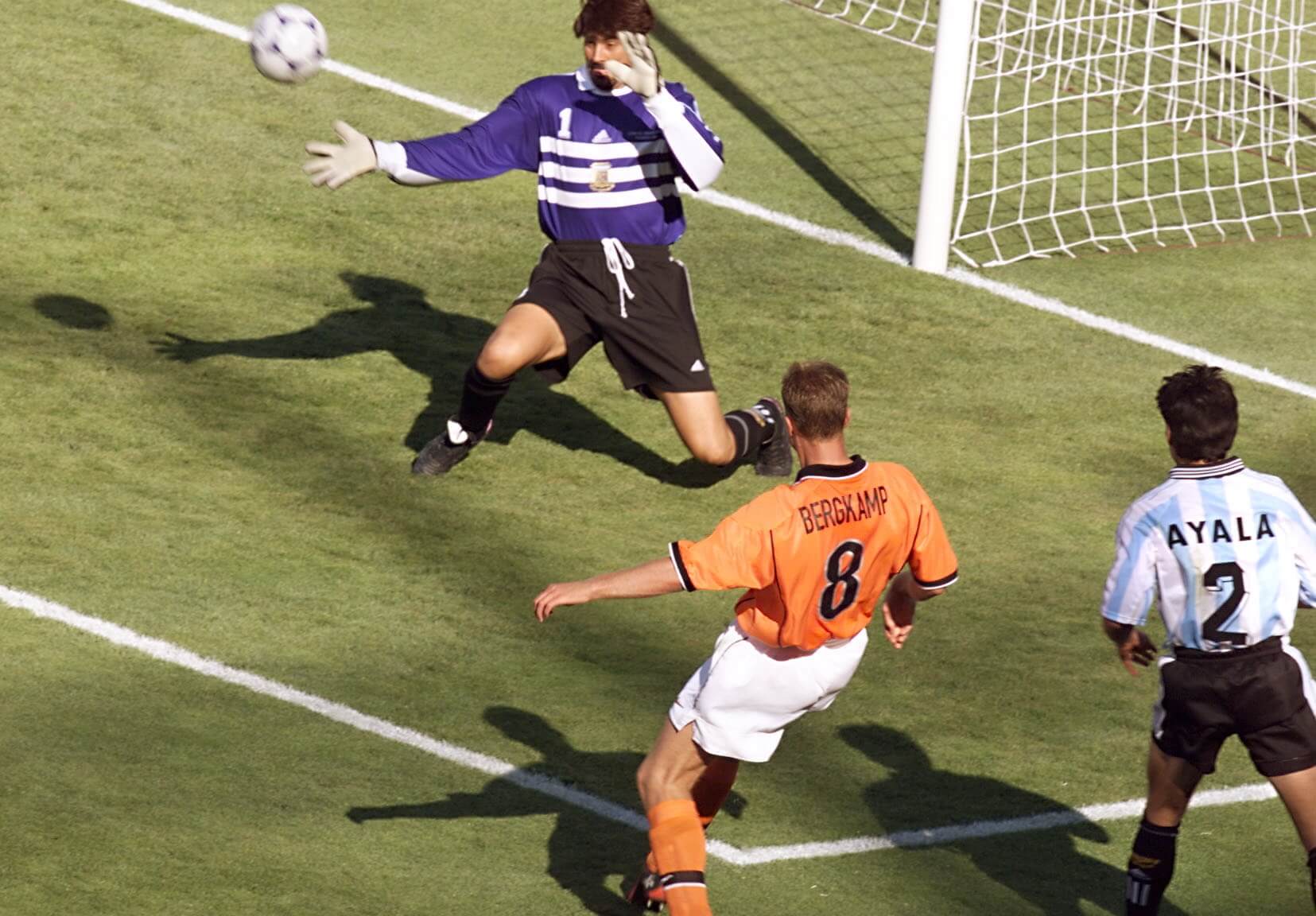
 “There have been 2,548 goals scored at men’s World Cups since the first tournament in 1930. Trying to select five as the greatest in the history of the competition is perhaps a foolish task. But the nice thing about great goals in football is that there are so many different types. Some are individual dribbles, some are one-off strikes out of nowhere, some are flowing team moves, some are about outrageous close control, and some are largely about emotion. Here, then, is an attempt at working out the World Cup’s greatest goal in each of those categories. …”
 “Who remembers the holding midfielder? The no-nonsense anchorman who sat in front of the defence, protected that space, and contributed little in attack? The current trend in the Premier League is for players in that mould to push up, to press, to make runs into attack, and
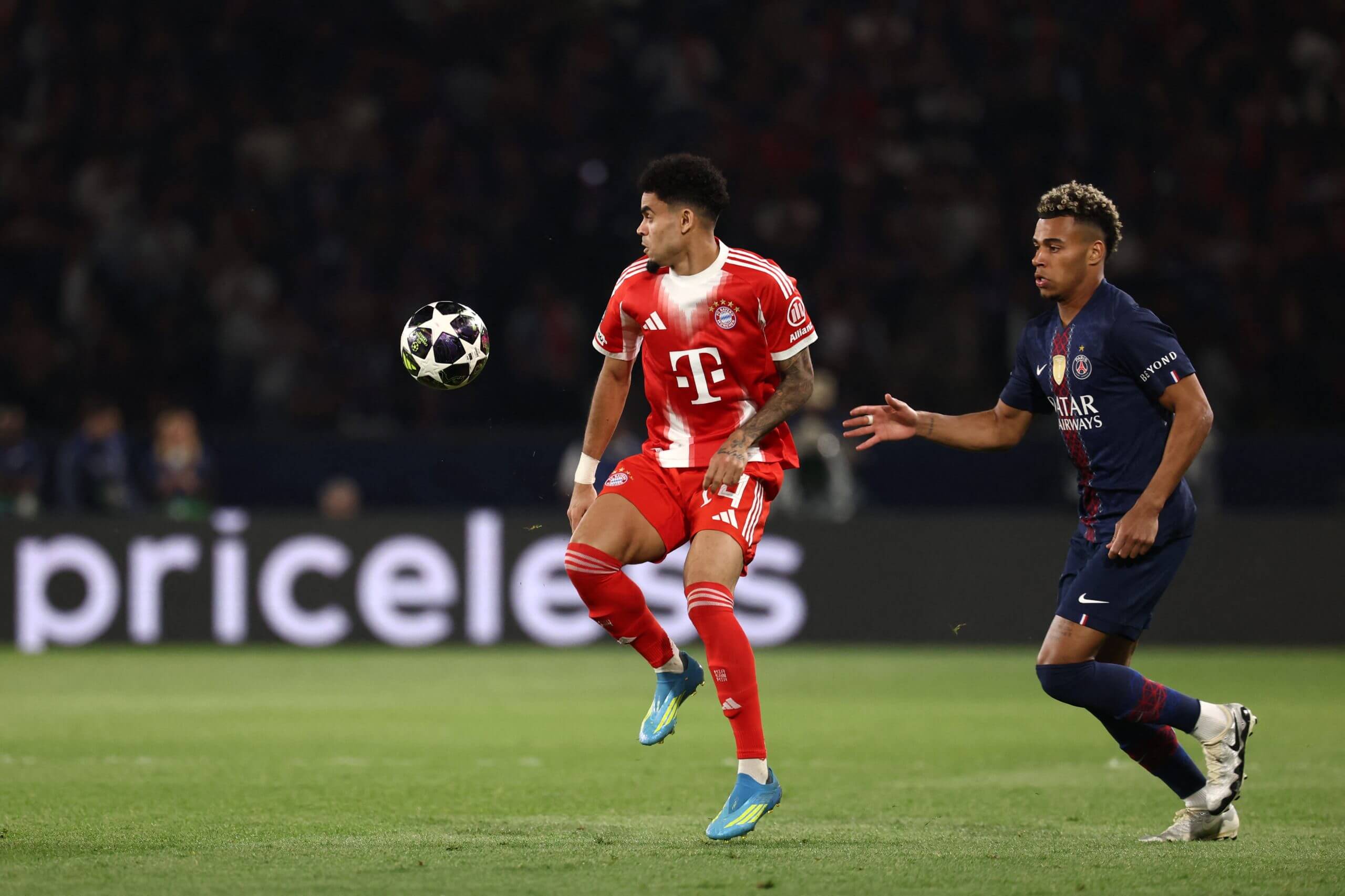 “… That statement was completely illogical yet also made perfect sense, and therefore proved a fitting appraisal of a truly logic-defying game in Paris on Tuesday. This first leg of a Champions League semi-final was unquestionably the best match of the European season, probably the best of the decade so far and presumably the best many people watching it around the world have ever seen. Football is not generally a sport where you need to check the scoreboard to understand the state of play. Here, with so much going on, sometimes you needed to double-check: yes, it really was
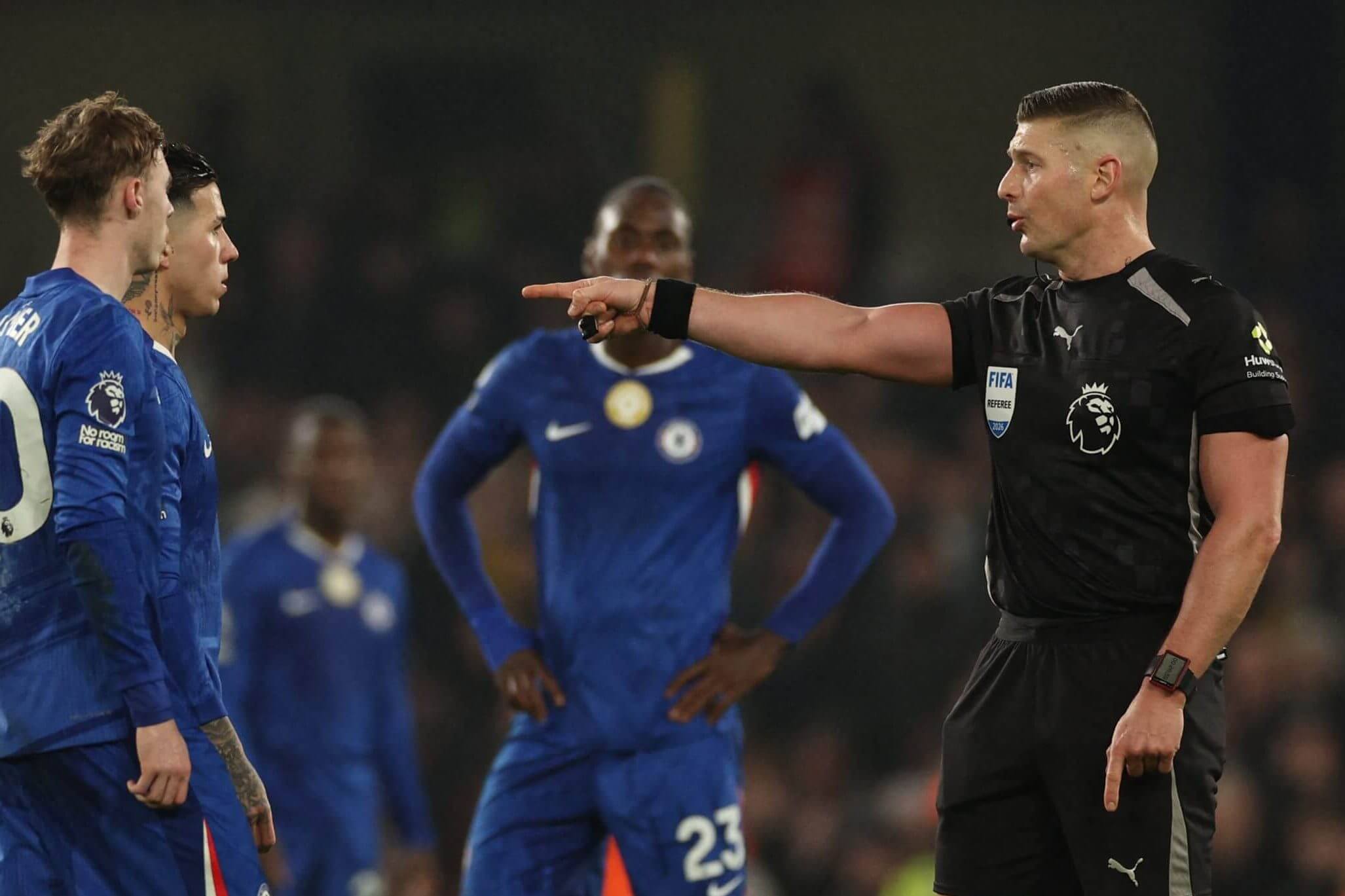
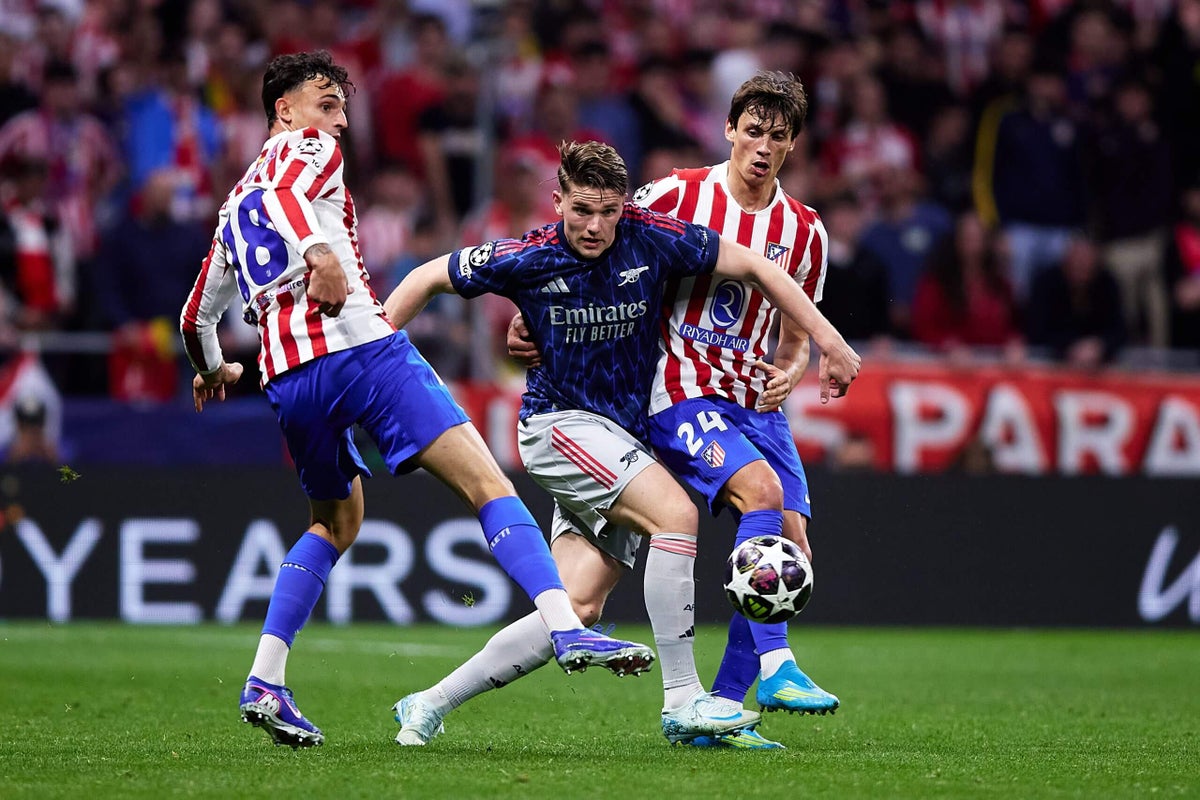 “It wasn’t the nine goals we were treated to on Tuesday, but this week’s second Champions League semi-final was not short of drama, with two penalties given and one controversially overturned. Atletico Madrid’s spot kick was similar to the one Paris Saint-Germain received against Bayern Munich on Tuesday, with the ball striking Ben White’s hand. Arsenal’s came when David Hancko bundled over Viktor Gyokeres. But the most controversial was the third, originally awarded after Eberechi Eze was caught by Hancko, but then overturned when the referee went to the VAR screen. Just down the touchline, Atletico manager Diego Simeone was making his feelings known. …”
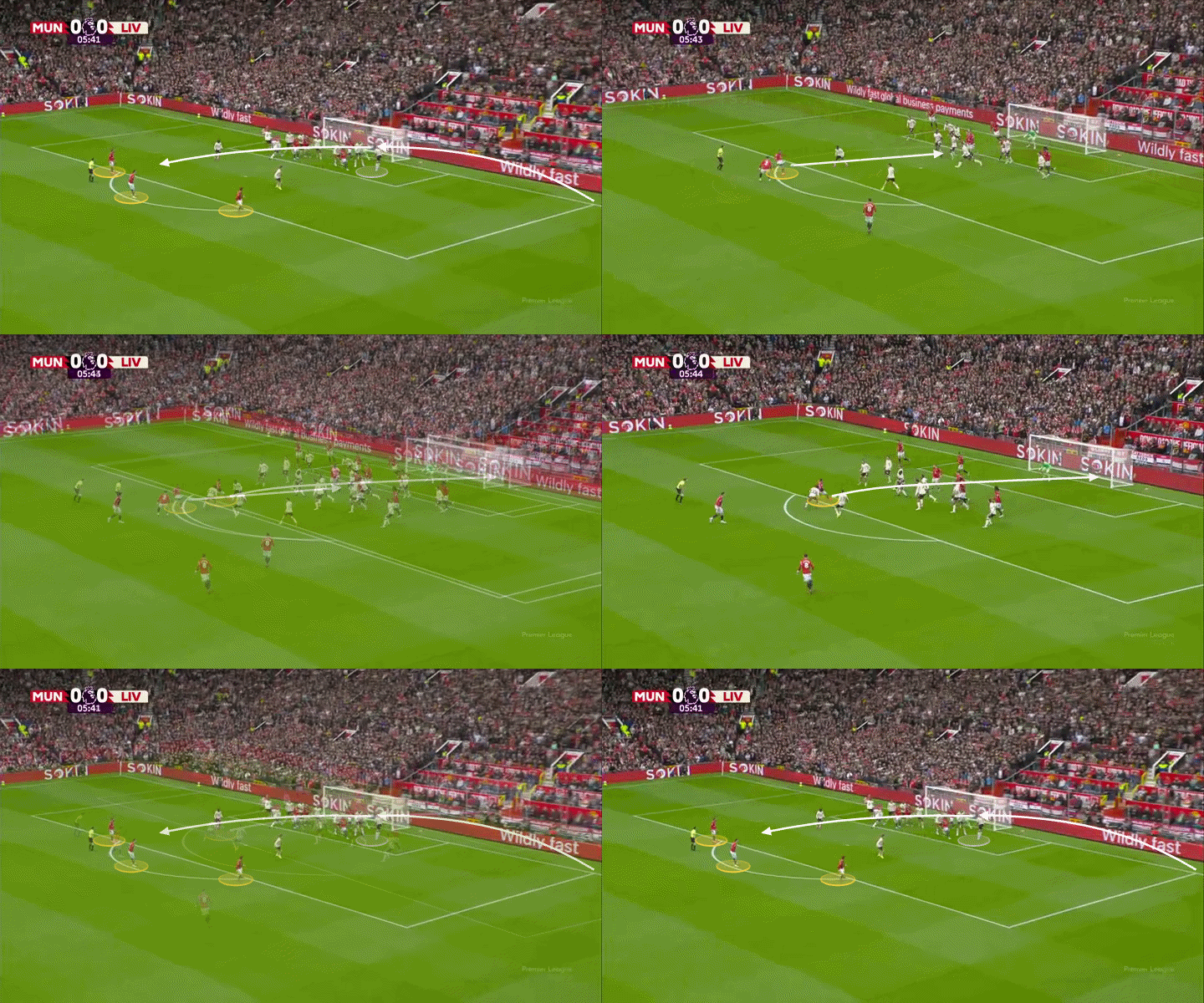
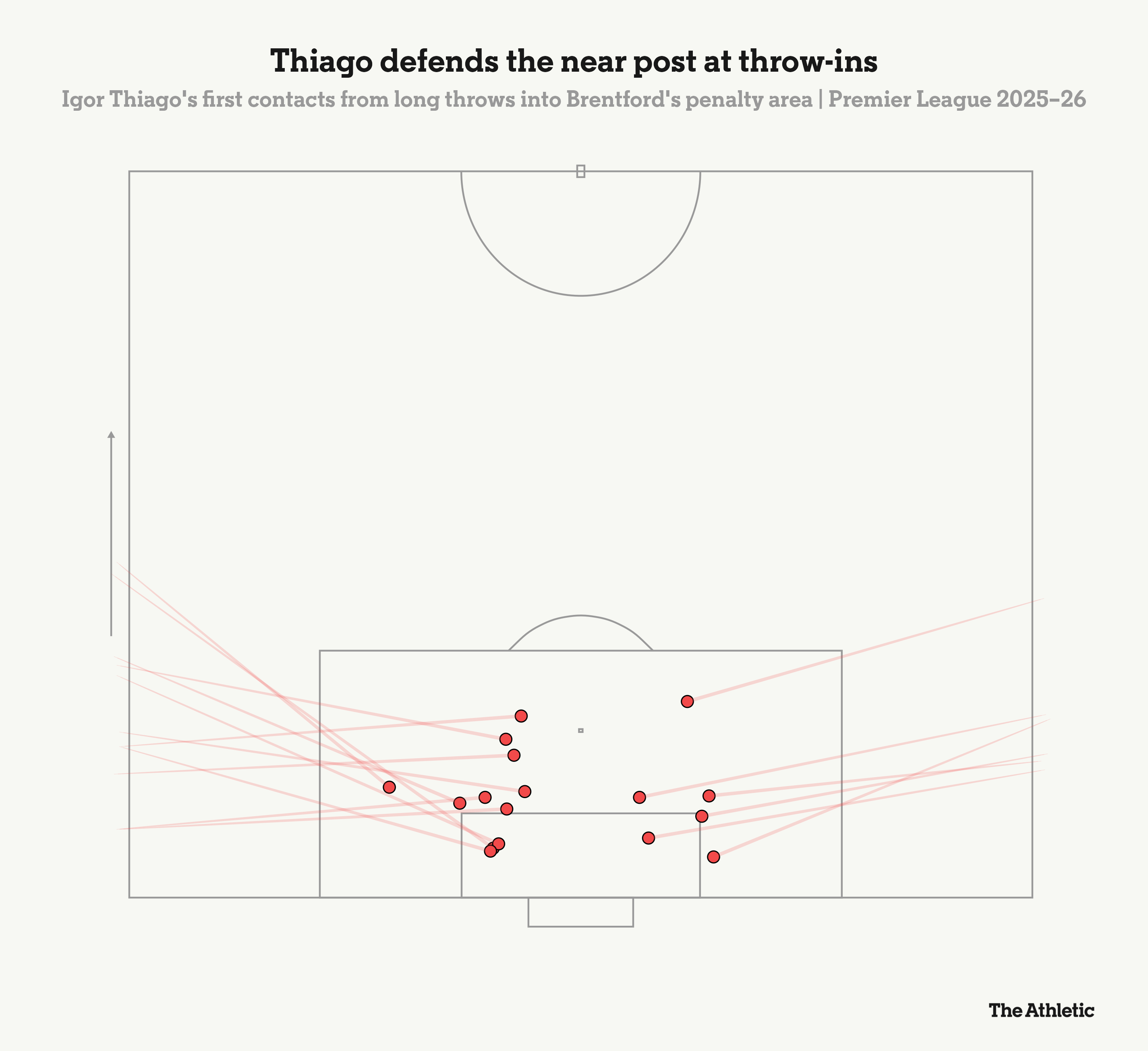
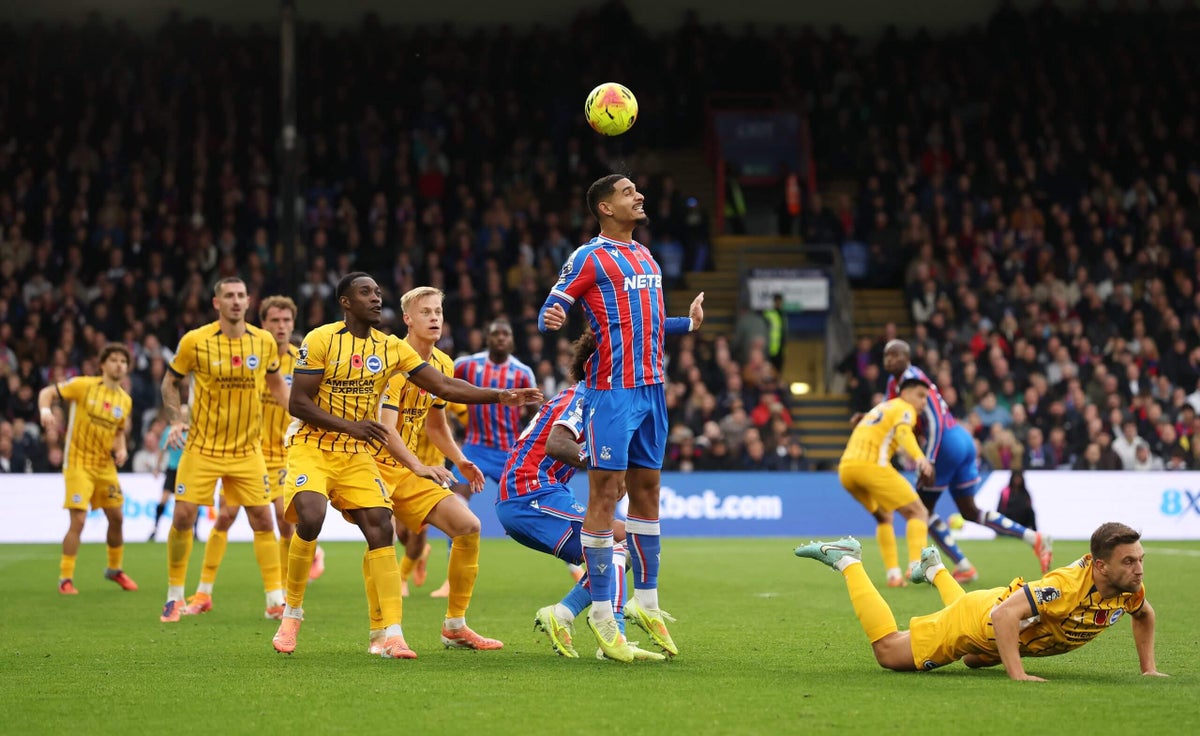 “This has been the Premier League season of getting it into the mixer. That has meant a big focus on inswinging corners and on long throws. The latter concept has become curiously mainstream in the last couple of years. Traditionally, there were only a couple of long-throw specialists in the Premier League, usually playing for bottom-half strugglers who played old-school football and provided an alternative to the style of play of the big clubs. But even the league’s title challengers have become fixated on long throws this season. …”
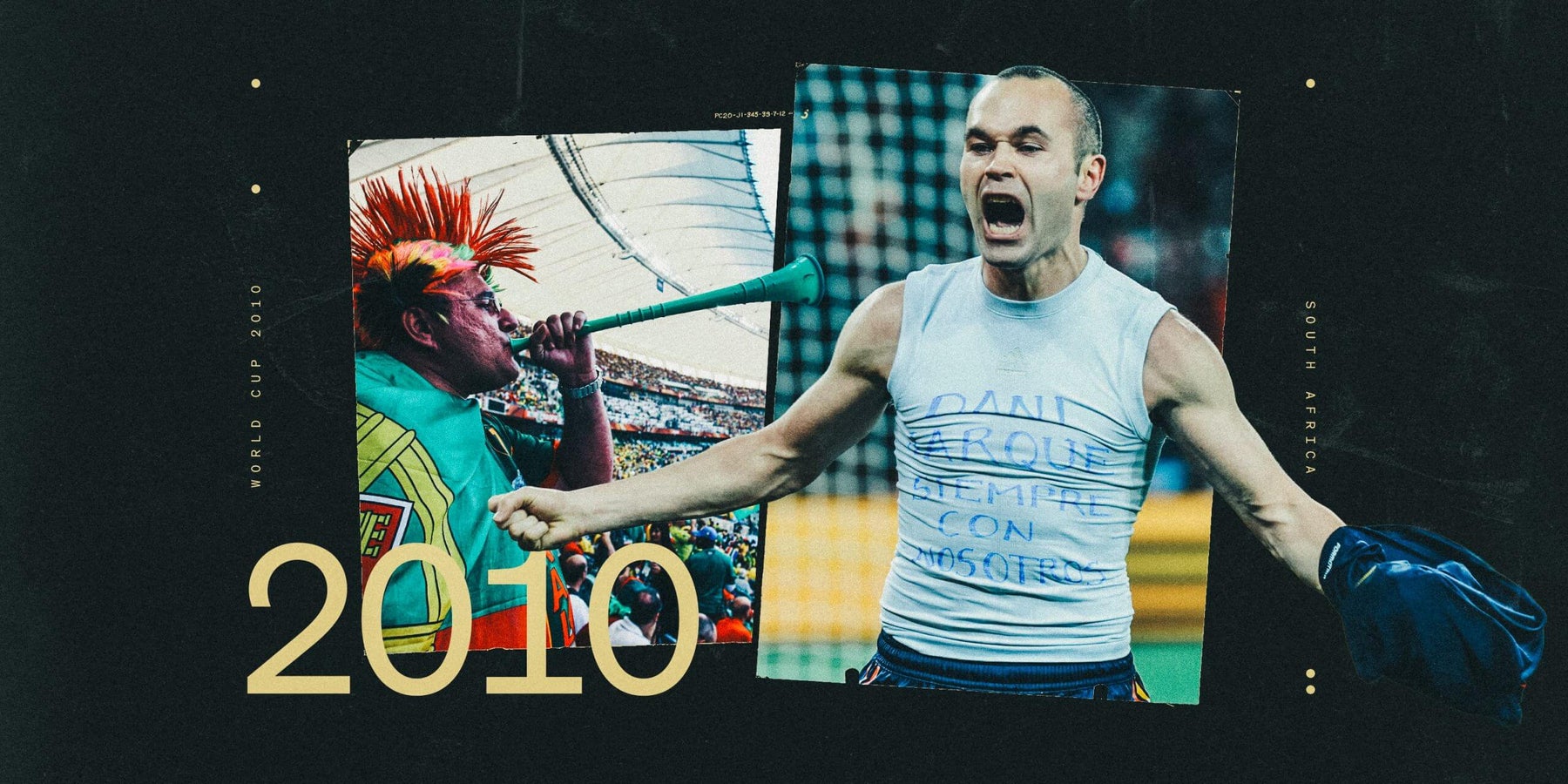 “Amid the focus on the winter climate and the vuvuzelas in South Africa, perhaps the most important theme of the tournament was the ball. While it had become common for goalkeepers to complain about new footballs ahead of the World Cup, this was the first tournament where outfielders seemed disgusted, too. The lack of panels on the Jabulani, and therefore the lack of ‘drag’, meant long passes became even longer, shots from range were launched miles over the bar, and the general quality of play was poor. Spain, though, seemed largely unaffected — partly because they were completely committed to short passing. …”
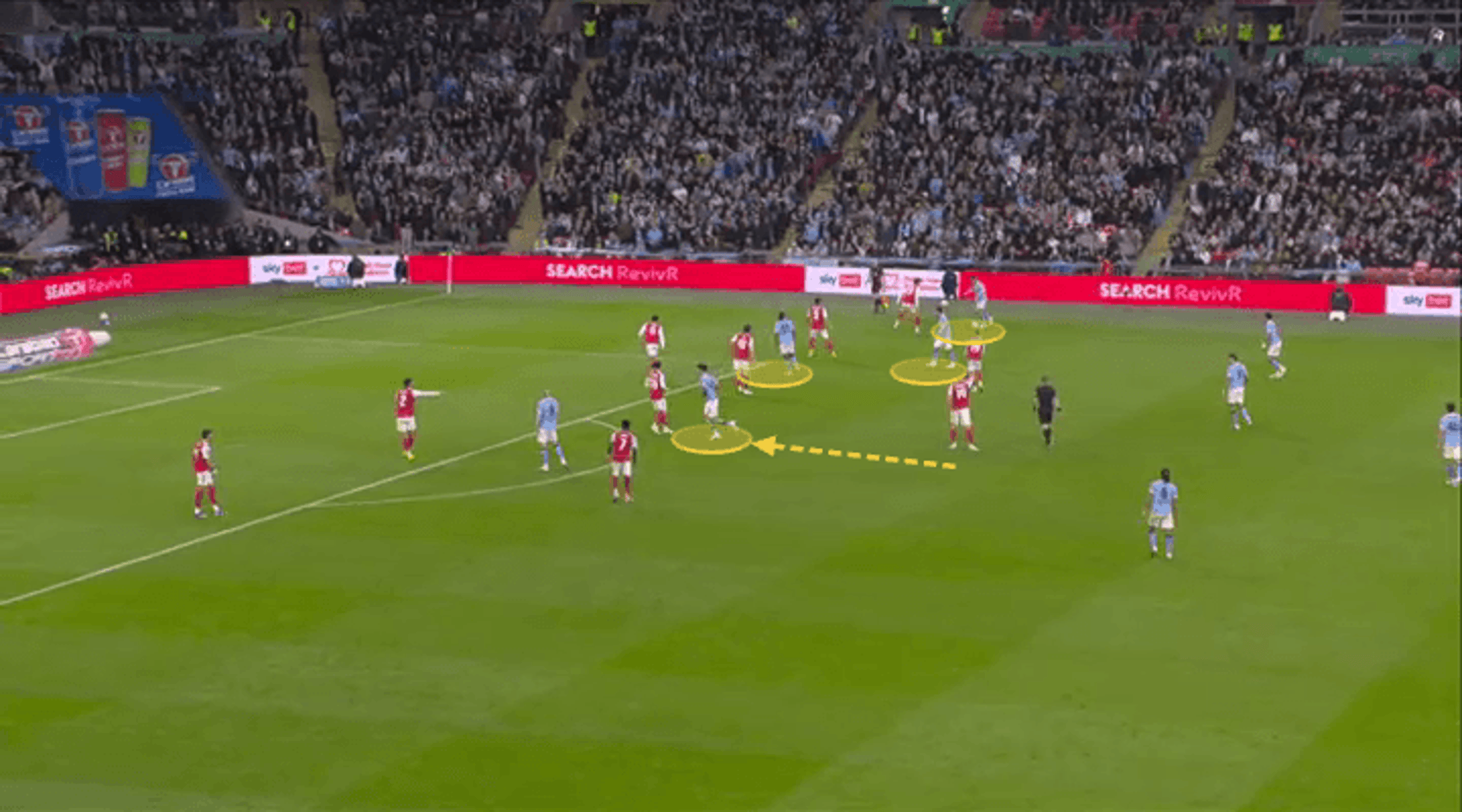 “Considering the attritional nature of Premier League football at the moment and the focus on dead-ball situations, you could be forgiven for looking at a 2-0 Manchester City win against Arsenal in the Carabao Cup final, with two headers from a defender, and concluding it was another contest about physicality and getting the ball into the mixer. But City’s victory at Wembley on Sunday owed to a clever tactical plan, rotations of positions down the flank, and well-worked goals. …”

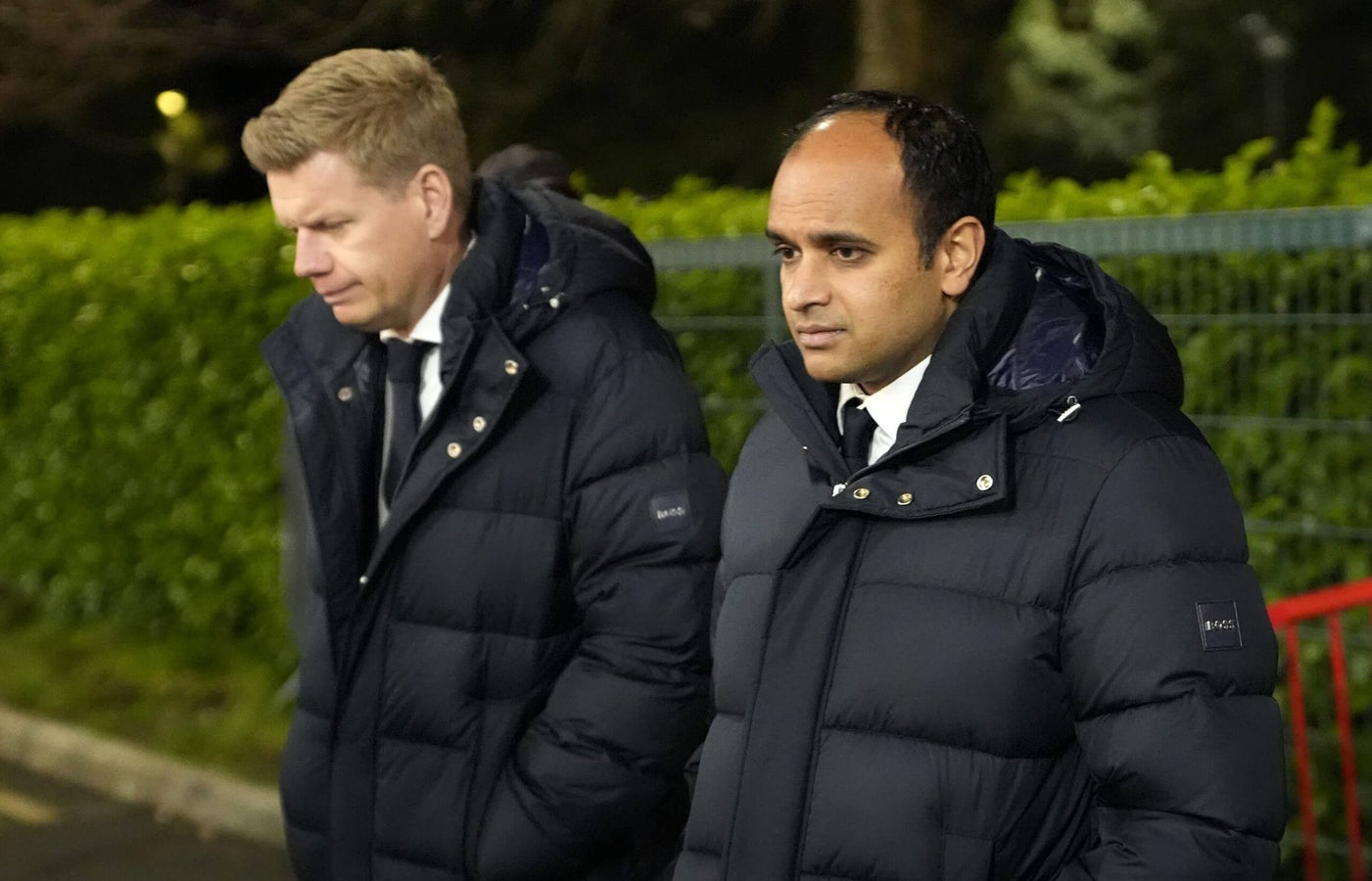 Tottenham Hotspur’s sporting director Johan Lange (left) and CEO Vinai Venkatesham, the men who will appoint a long-term successor to Thomas Frank
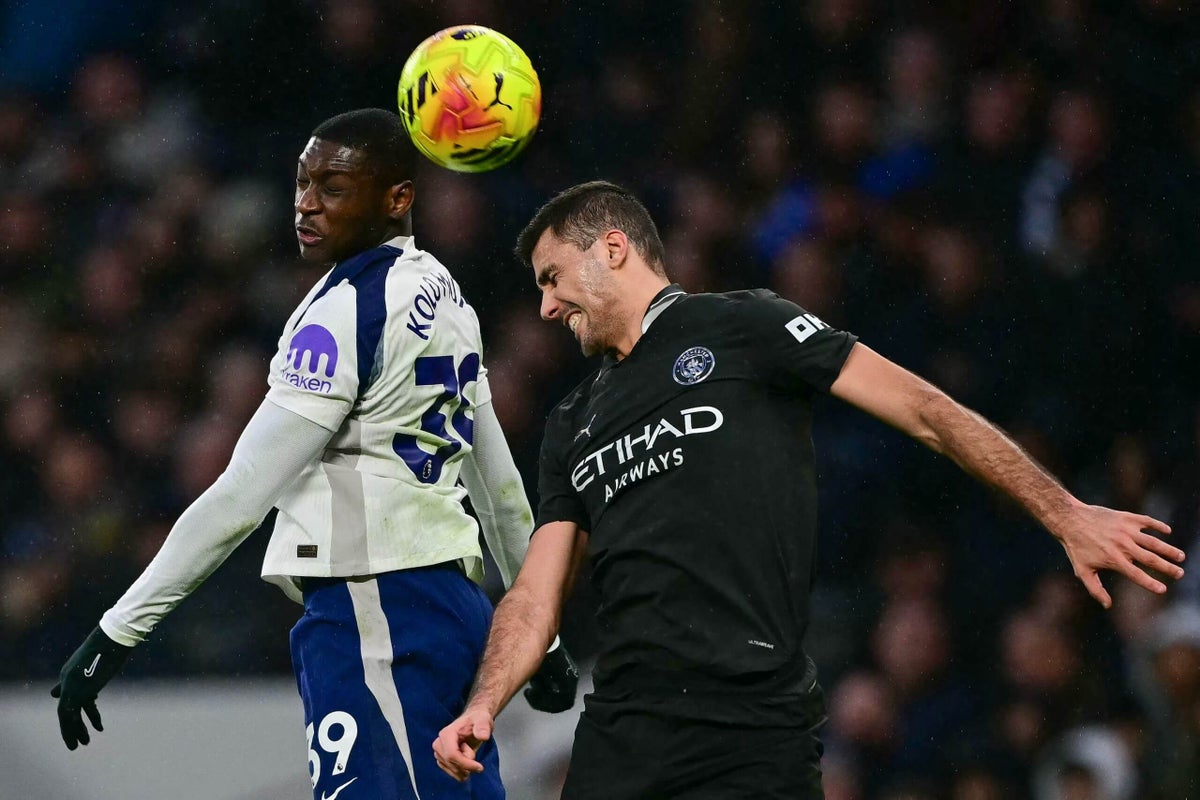 “A couple of weeks ago, two football stories which seemed unrelated were, in reality, very much connected. The first story was
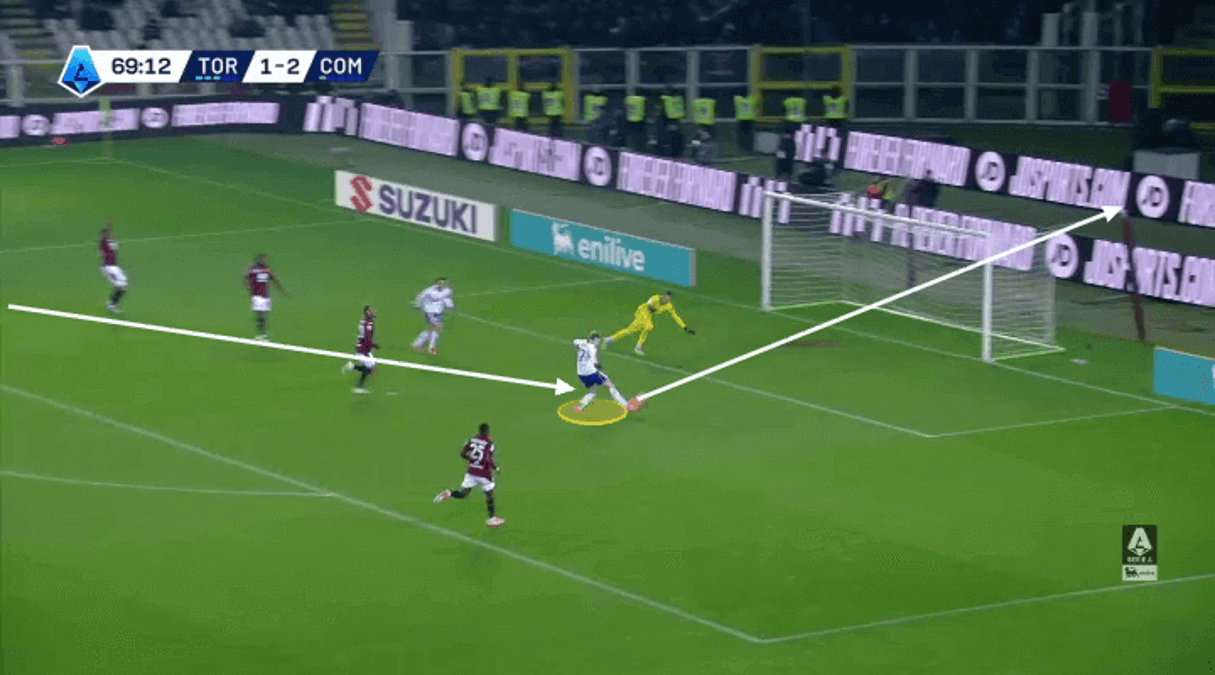
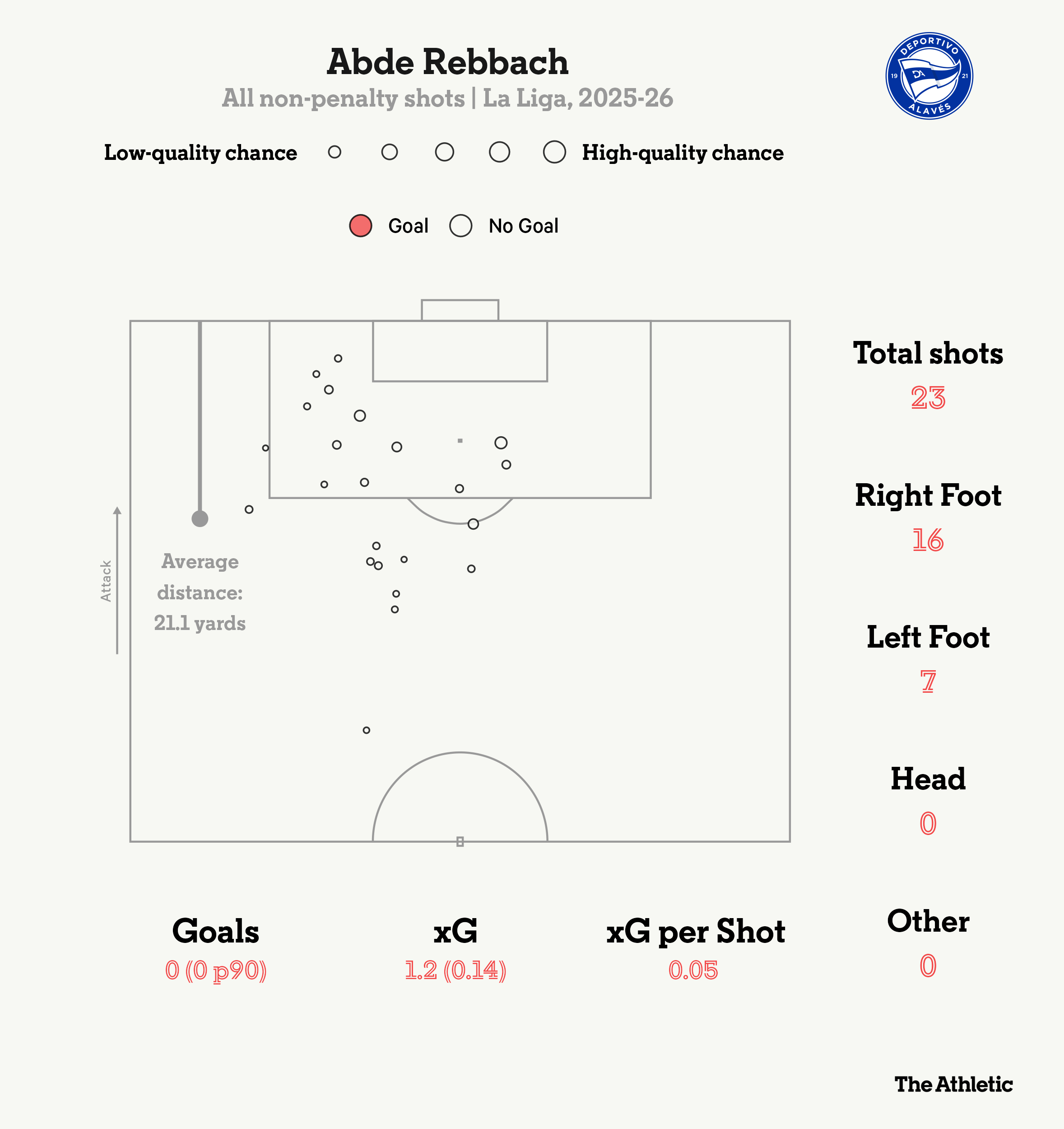
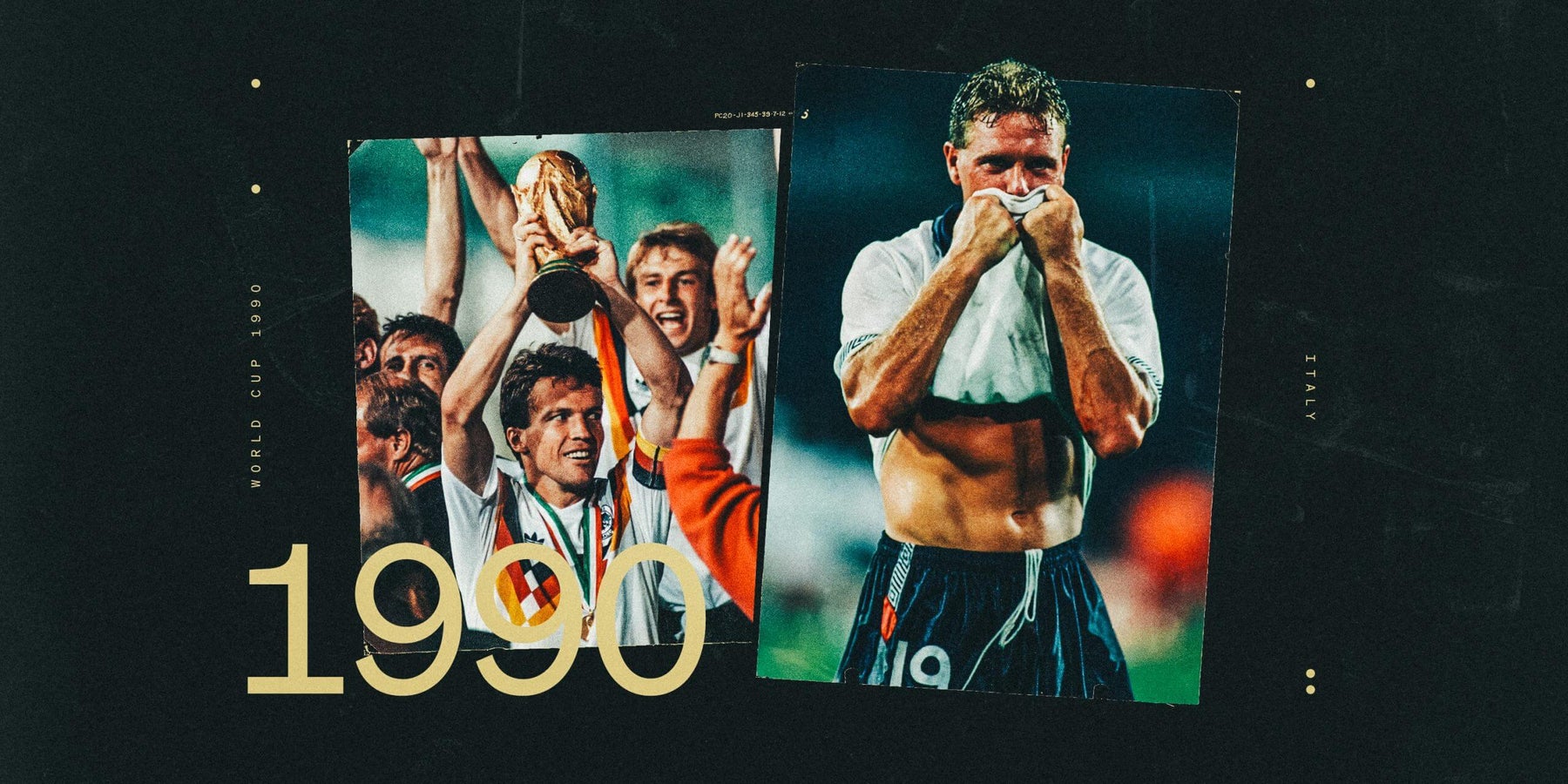 “This time, it’s West Germany in 1990. This is remembered as the most negative, defensive World Cup, supported by the lowest goals-per-game figure on record, 2.21. It was so disastrous that FIFA and IFAB felt compelled to improve the spectacle afterwards, largely by clamping down on dangerous tackles and introducing the backpass law — although not, as was floated by some, by increasing the size of the goals. West Germany won the competition in somewhat unglamorous fashion, as their key matches were dominated by penalties and opposition red cards. But in the group stage, they played some good football, and in the knockout stage, they at least attempted to, which was more than most of their opponents could claim. …”
 “In an era where football fans implore their club to spend big money on new players, it’s notable that very few of the most expensive footballers in history have been an unqualified success at their new club. Eleven players have been transferred for £100million or more, and there are more flops than clear positives. Antoine Griezmann’s 2017 move from Atletico Madrid to Barcelona (
 “There are two reasons you might encounter the four letters ‘doku’ on the back page of your newspaper. The first is when preceded by the letters ‘Su’. The second is when preceded by the word ‘Jeremy’. Sudoku, for those uninitiated, is the Japanese logic game that suddenly exploded in English-language media two decades ago. Players are given a 9×9 grid, which is also divided into nine squares. Some numbers are already written in. The player must complete the grid by entering the numbers 1-9, but each individual number cannot appear twice in any row, column or square. …”
 “Amid
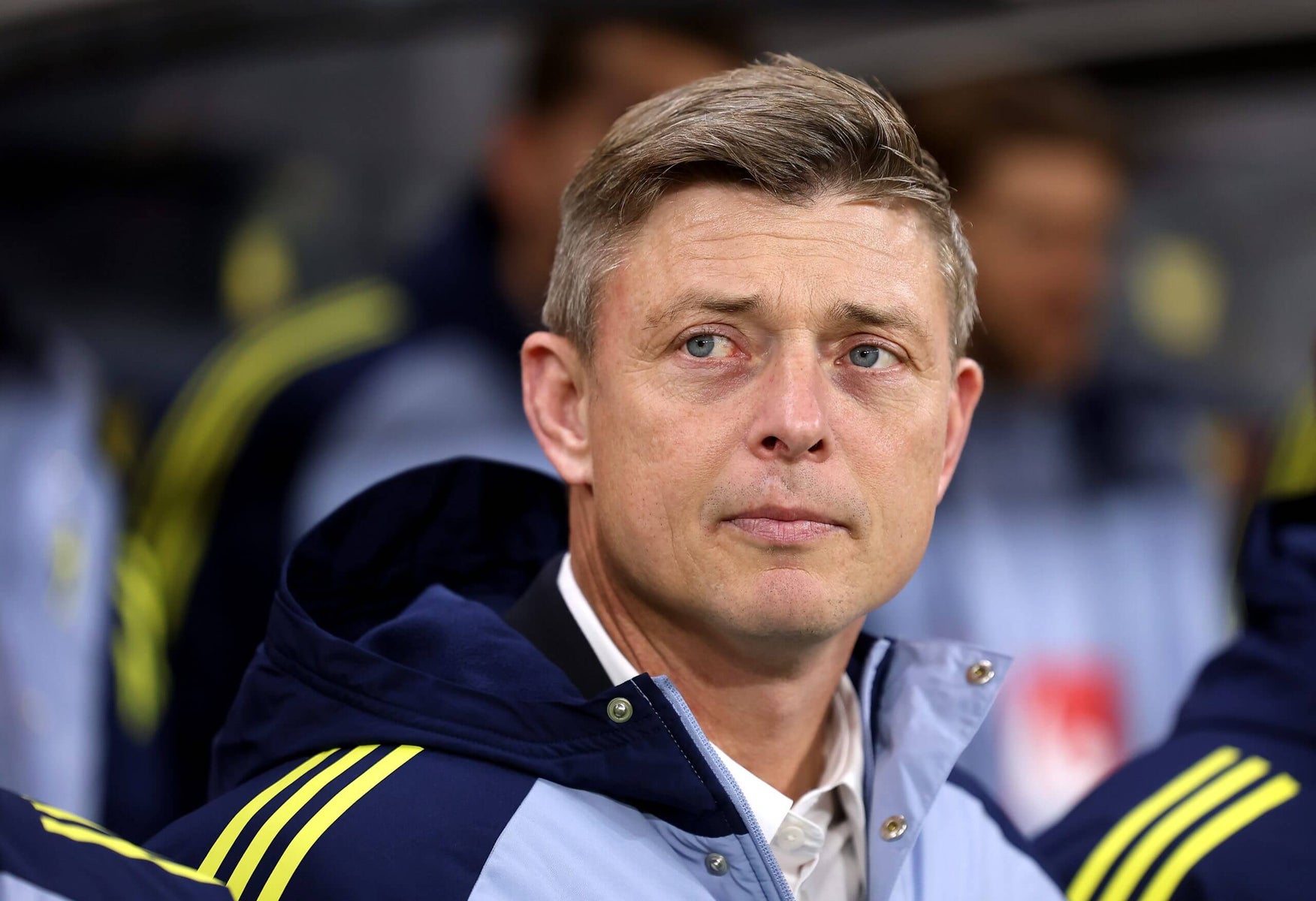 “To many other football countries, sacking a national team coach is a regular event; almost part of the fun. But in the history of the Sweden men’s football side, no national team coach had officially been fired. They’d resigned, or they’d reached the end of their contract. Until now. Jon Dahl Tomasson has become the first exception to the rule. Sweden’s 1-0 defeat to Kosovo in Gothenburg on Monday was arguably the lowest point in the history of Swedish football — not because the result was a shock, but because it wasn’t. …”
 “In 2000, World Soccer magazine commemorated the new century by interviewing FIFA president Sepp Blatter. One of the questions forced him to reach for his crystal ball: ‘What will the next 100 years bring? I cannot look that far ahead,’ Blatter replied. ‘I will go as far as 25 years, however.’ So what did Blatter predict? ‘I will forecast no radical changes in that time,’ he said. Oh well. …”

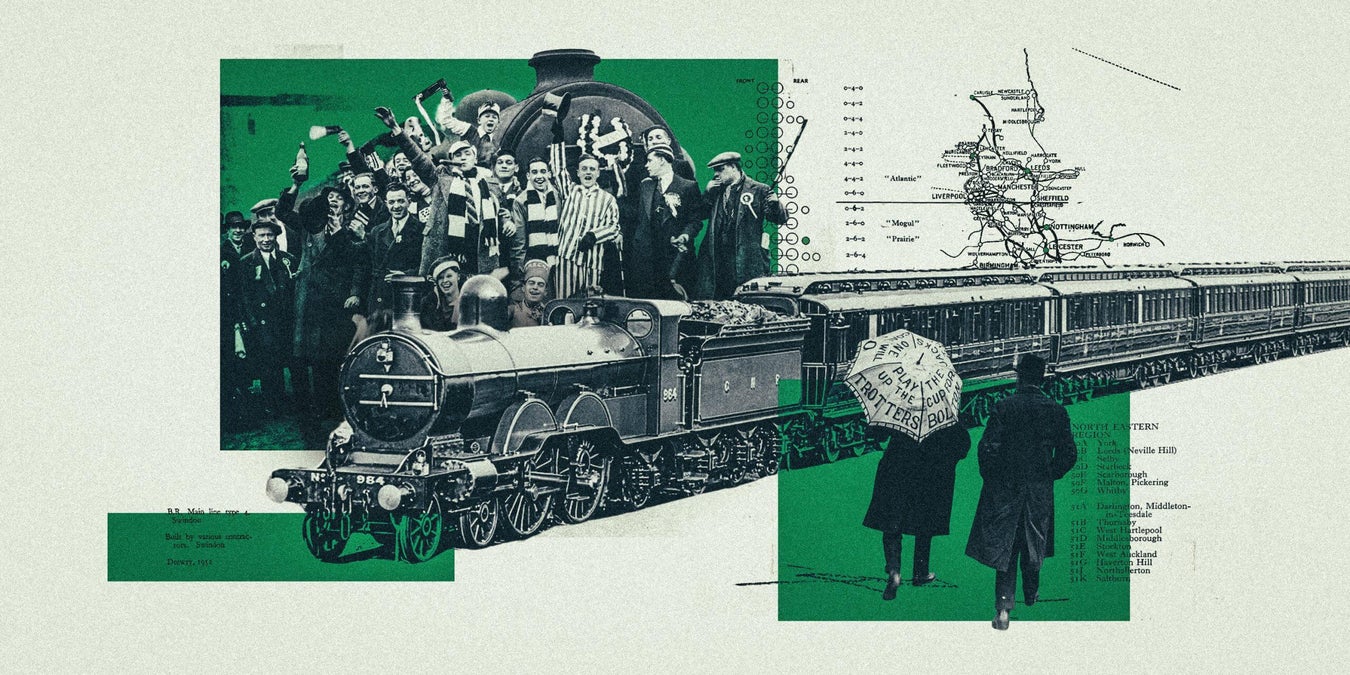 “Today marks 200 years since the world’s first passenger railway journey. On September 27, 1825, around 450 people made the 26-mile journey from Shildon to Stockton in the north-east of England on a steam train named Active, at an average speed of around 8mph. In the 19th century, Britain was the world leader in railways and in football. The relationship between the two shouldn’t be underestimated. Broadly speaking, there were three major reasons for the explosion of sport as a spectator activity in this period. The most important was the novel practice of workers getting their Saturday afternoons off, a victory for a lobbying group named the Early Closing Association, which had been formed in the 1840s. This opened up that time slot for leisure pursuits — and, in particular, sport. …”

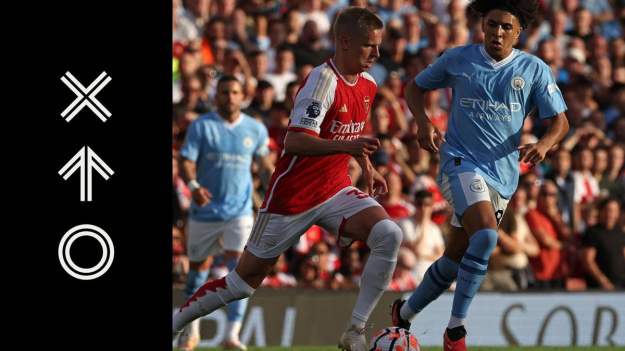
 “Stodgy matches between Mikel Arteta’s Arsenal and Pep Guardiola’s Manchester City come as absolutely no surprise now. We’ve already witnessed a contest in which all eight defenders on the pitch were recognised centre-backs, another game when Arsenal got a player sent off and hardly got out of their own half after half-time, and a game when it barely looked like either side were even attempting to score until Gabriel Martinelli’s stoppage-time effort took a big deflection and looped in. No one is tuning into this fixture and expecting a classic. …”
 “… In a tournament compromised by wet weather and therefore boggy pitches, hosts West Germany were not overwhelmingly popular winners.

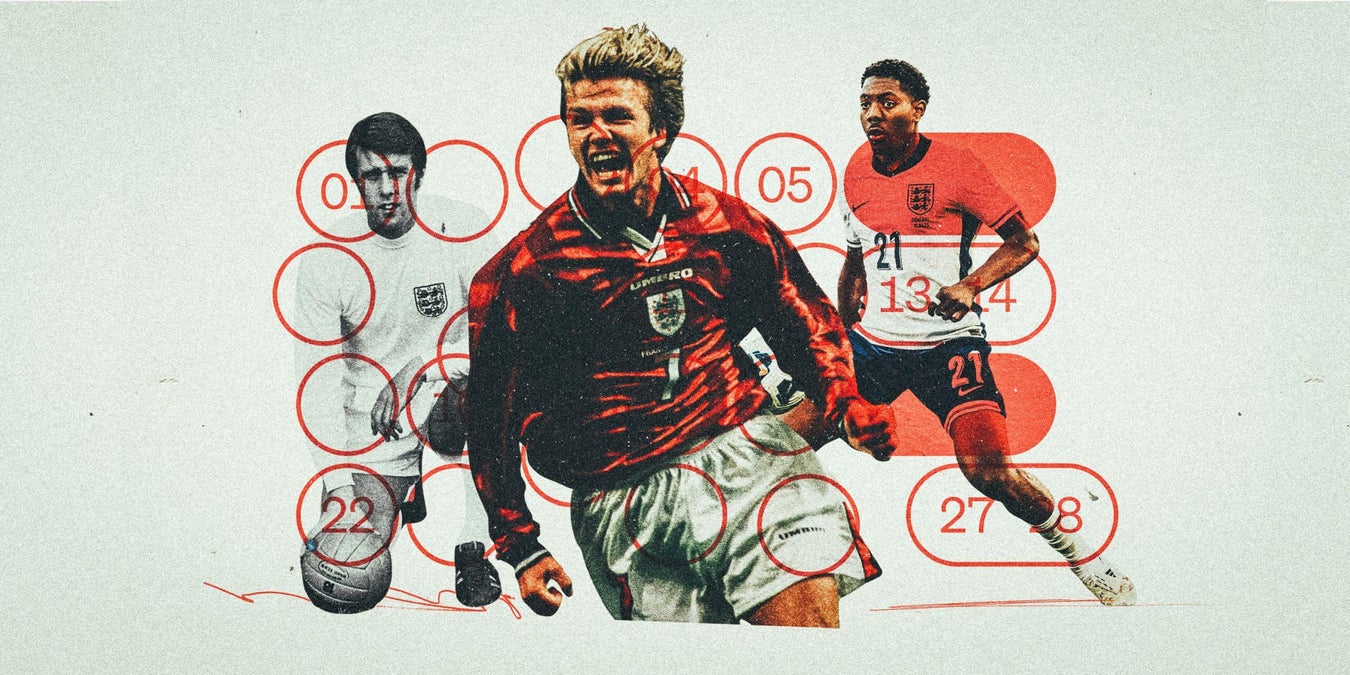 “One of the charming aspects of following foreign football is realising that certain concepts are expressed in different ways to how it’s done in your own country. And one of these, for those of us accustomed to British conventions but who follow the game in continental Europe, is the simple passage of time. So whereas you’re generally more likely to find the 24-hour clock on the continent — a kick-off time might be listed at “19h” — it is somehow also more common for their television scoreboards to display a clock counting up from 00:00 at the start of the second half, rather than the 45:00 we’d be accustomed to in Britain. Similarly, if you read — for example — La Gazzetta dello Sport in Italy, you won’t read goals recorded as being scored in the 65th minute in its pages, but instead in the 20th minute of the second half. …”

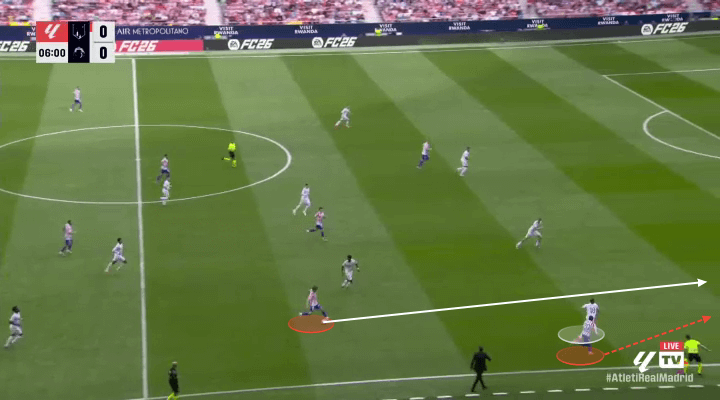
 “In 1991, England travelled to Poland for their final qualification match for Euro 92. It was a crucial contest: the winners would qualify for the tournament, with a draw favouring England. Considering the importance of the game, it was a surprise that England manager Graham Taylor handed debuts to two players: Queens Park Rangers winger Andy Sinton and Crystal Palace midfielder Andy Gray. The latter was given an unusual role for the game’s opening moments. With David Platt and Gary Lineker taking the kick-off, Gray was instructed to stand just behind them and launch a diagonal ball downfield towards the corner flag, and out for a Poland throw-in. …”

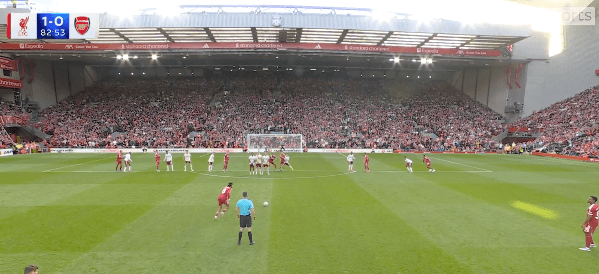

 “In an era when football is criticised for its tactical homogeneity, an interesting debate has arisen around the idea of defending a crossed free kick. It had become the accepted approach to use a high defensive line, keeping opponents away from the box and leaving space in front of the goalkeeper.
 “World Cup 1962, hosted in Chile, is up there with World Cup 1938 as the least fabled editions of the tournament. There’s a common link between them: they’re the only two World Cups where the defending champion has triumphed. And this one came as little surprise — it was almost impossible to find a tournament preview that didn’t imply that Brazil were strong favourites. …”


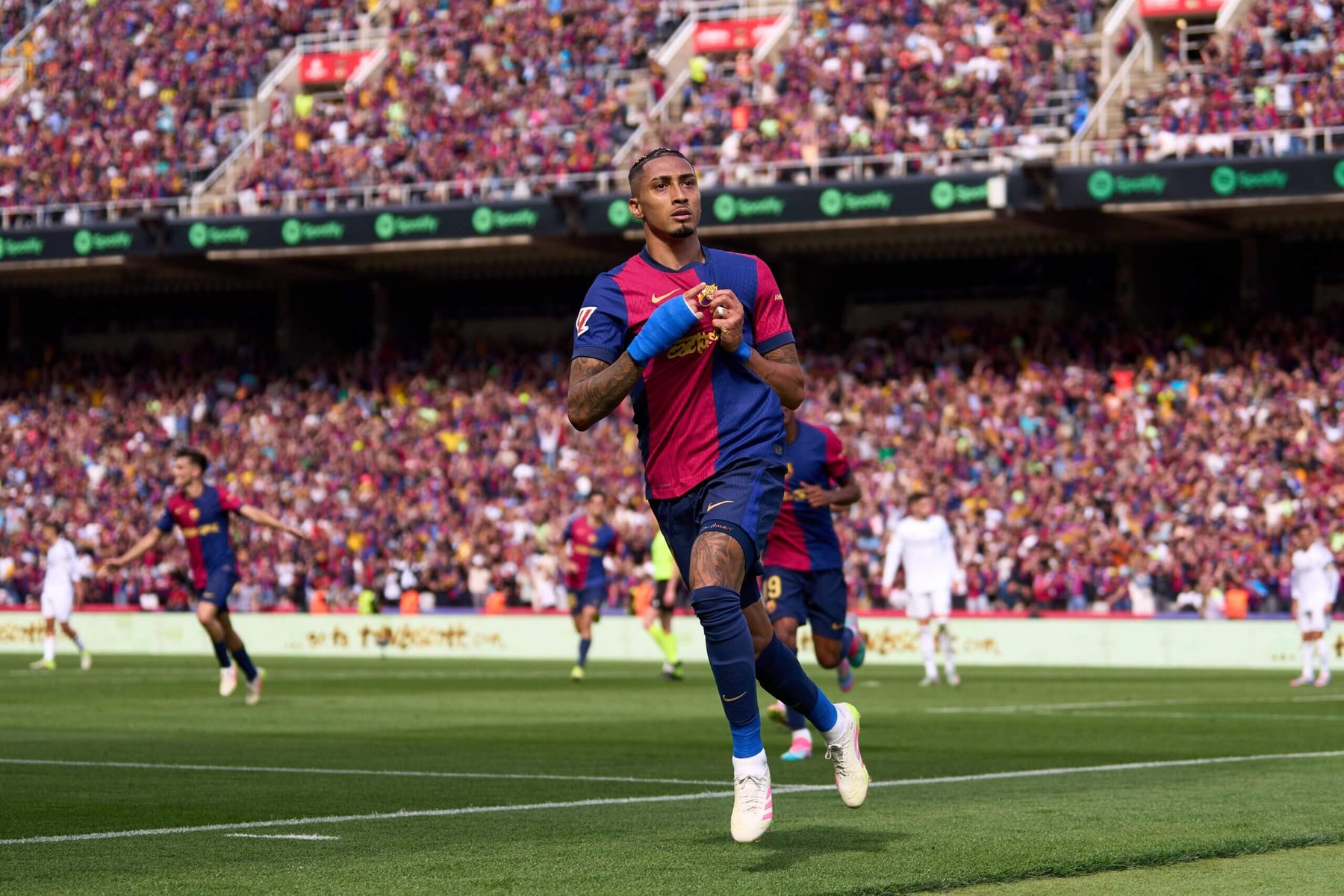 “In a period when a small handful of superclubs regularly win the league, it can be difficult to differentiate between various title-winning campaigns. But Barcelona’s 2024-25 La Liga victory — albeit not yet mathematically certain — will live long in the memory. There are certain elements of this Barca season that are very specific to this particular title success. They’re playing in the city’s Olympic stadium rather than the Camp Nou. They’re using a new generation of world-class teenagers, led by Lamine Yamal and Pau Cubarsi. The thrilling victory over Real Madrid on Sunday completed a clean sweep of
 “It feels like there’s a wave of negativity across English football at the moment, not merely concerning the soul of the game — an evergreen concern — but more about the quality and style of what we’re watching. This is despite the Premier League being almost unquestionably the world’s best league, certainly when judged on the average standard of team, if not necessarily on those at the top of the division. Besides, recent seasons have produced record-breaking goals-per-game figures in the Premier League era and while a higher number being scored in itself is not automatically entertaining, it’s surely preferable to the reverse. …”


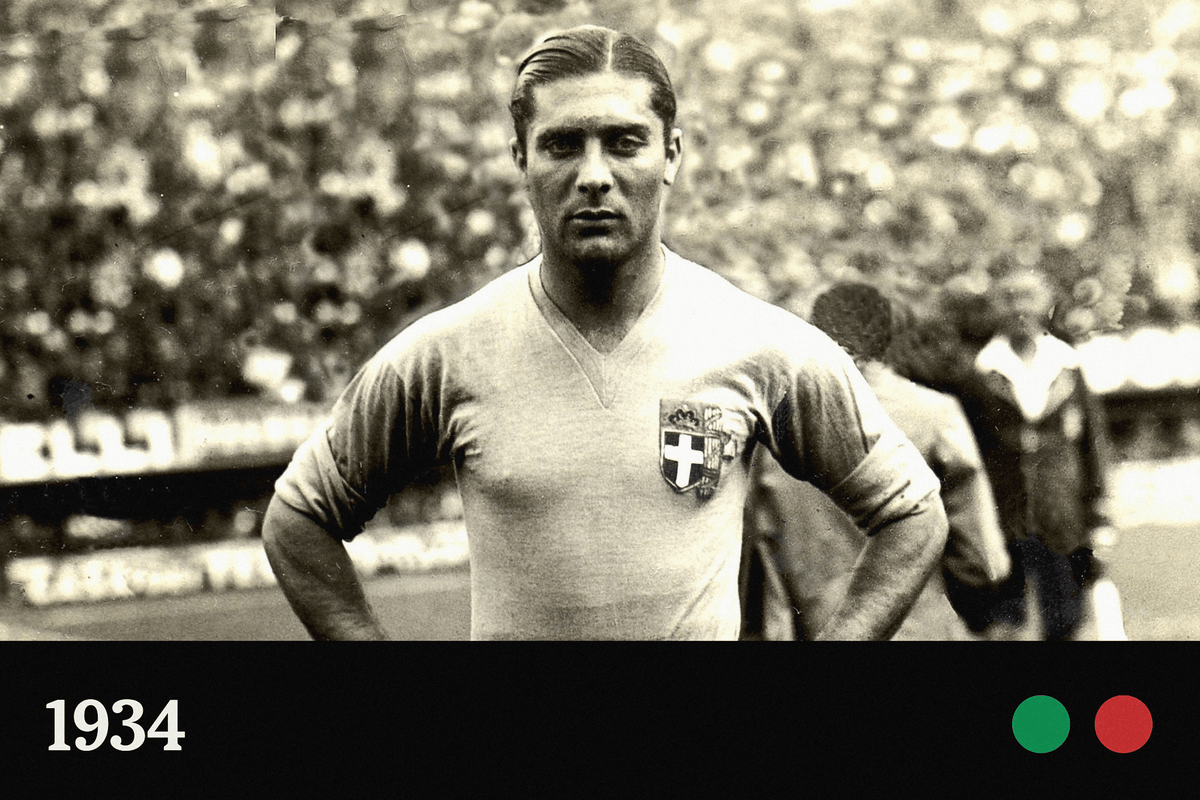
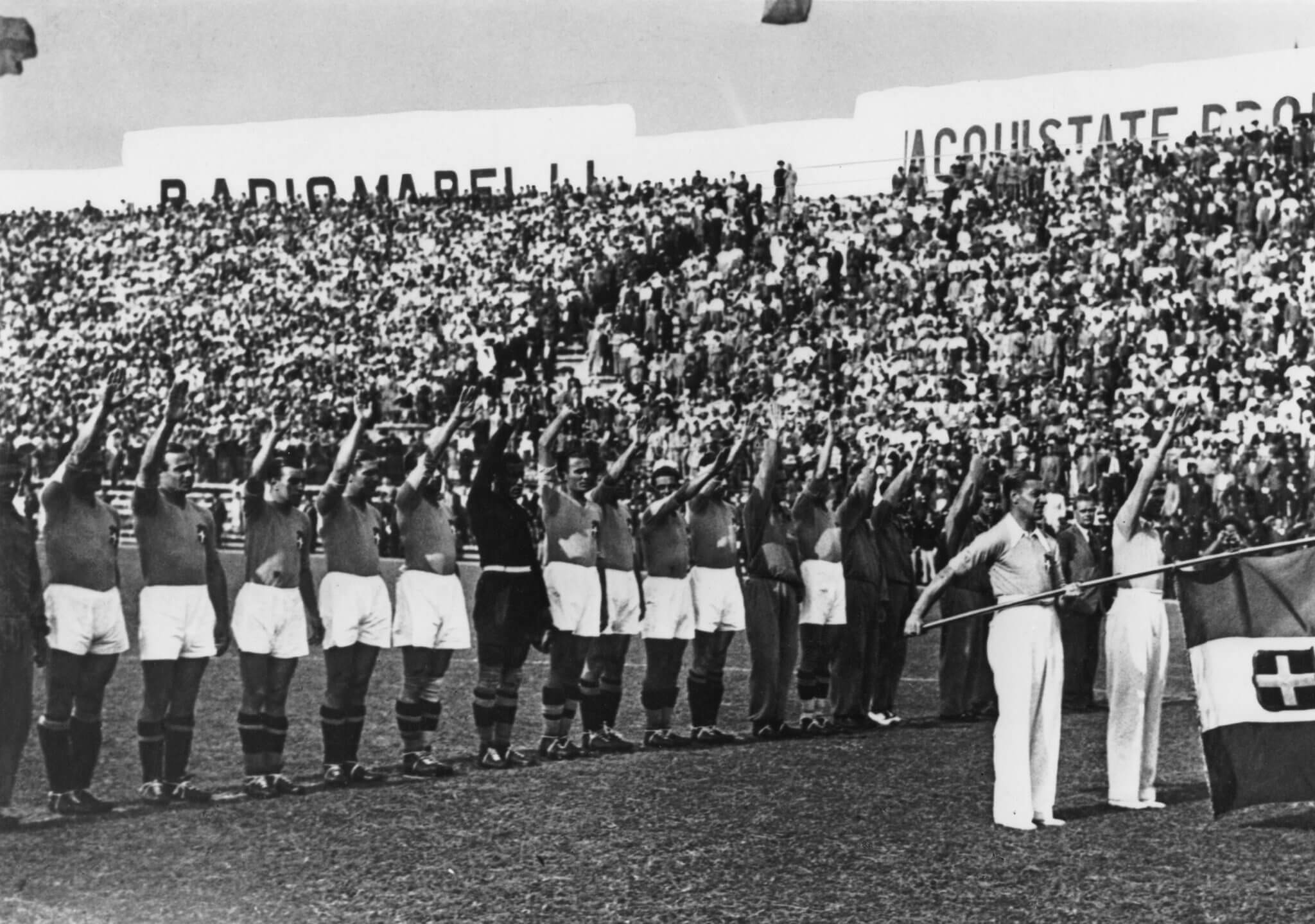
 “On Sunday evening, for the first time since 2007 — long before Diego Simeone took charge — Atletico Madrid lost a match having held a two-goal lead. And when a team comes back from 2-0 down to win 4-2 in a match with major significance in the title race, the instinct is to ask precisely what changed in the tactical battle, particularly when two managers with wildly different philosophies, Simeone and Hansi Flick, were involved. …”

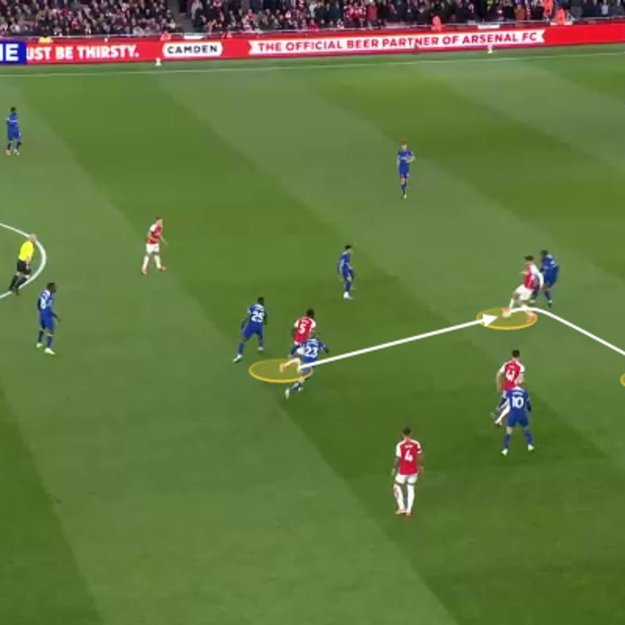
 “In football the concept of a ‘trio’ is generally reserved for a group of three who play in the same department of a team. We talk about an attacking trio, a midfield trio or a defensive trio. But Arsenal’s tactical approach in their comprehensive 5-1 victory over Manchester City was all about a trio down one flank. Left-winger Leandro Trossard, left-centre midfield Declan Rice and left-back Myles Lewis-Skelly combined excellently throughout the game. Arsenal’s passing network from the game tells the story neatly. There’s almost no connection between the equivalent players on the other flank. But Trossard, Rice and Lewis-Skelly played close together, operated in each other’s zones, and spun their way into good positions in behind. …”
 “Realistically,
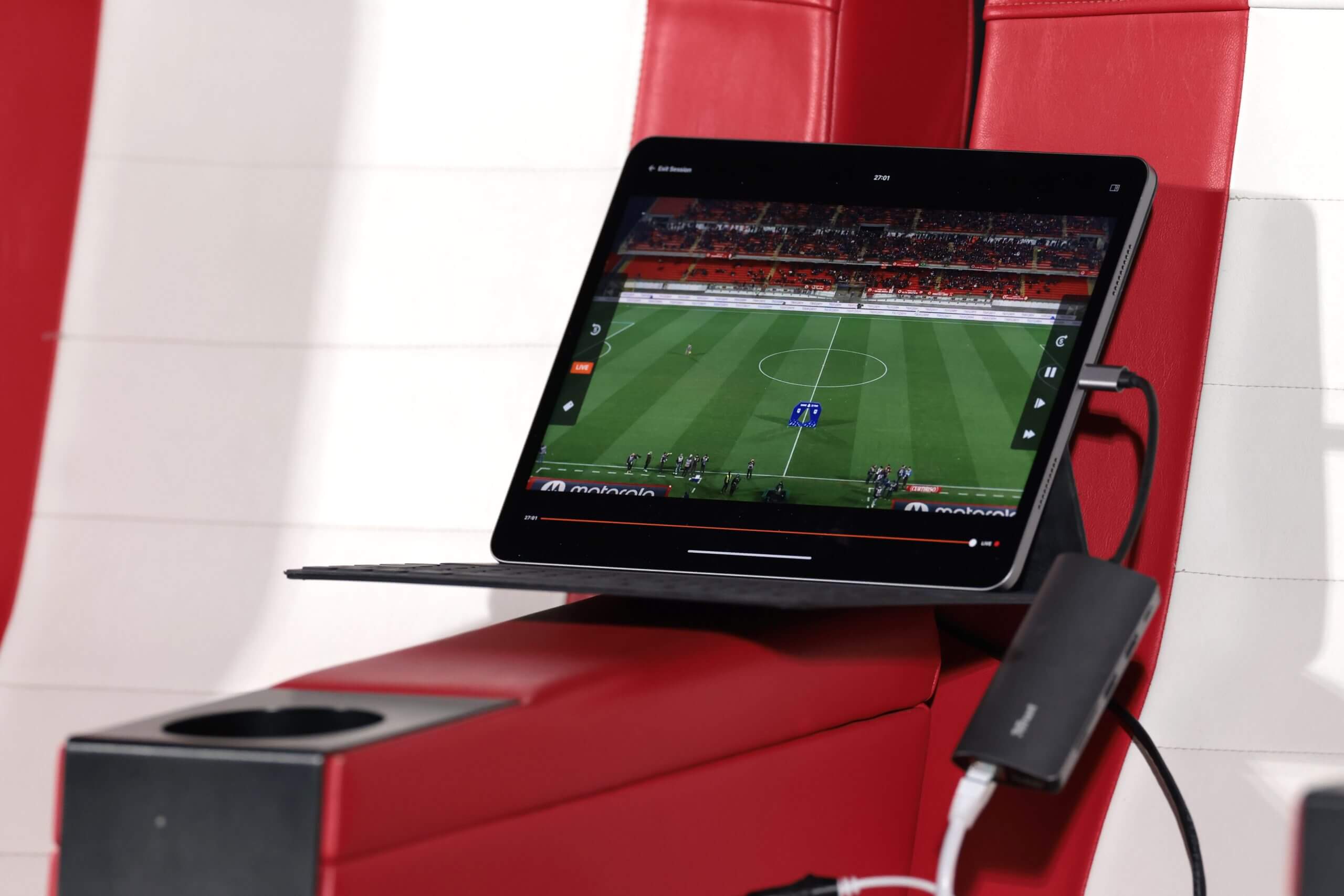 “The football analytics boom has been firmly established, but its role within the game remains debated. Some argue that data has cleansed the game to such an extent that football has become too uniform for the average fan. For others, a data-led approach is romanticised as the tool that helps clubs find an edge in creating their underdog story. Whatever your opinion, data analysis, paired with video technology, is becoming increasingly complex in football — even if its impact on a team’s tactical approach continues to be discussed. The Athletic’s Michael Cox recently provided a compelling argument that the work being undertaken within football analytics might not have been applied as much on the pitch as we might have thought. While data-led recruitment —
 “When the post-match discussion focuses on the player who has been dominating headlines in the previous days, it’s fair to question if that analysis is reasonable, or whether it’s simply a convenient narrative to keep everyone talking. On this occasion, the analysis was entirely fair:
 “Was it a winning goal that never seemed on the cards or a winning goal that felt inevitable. Either way,
 “
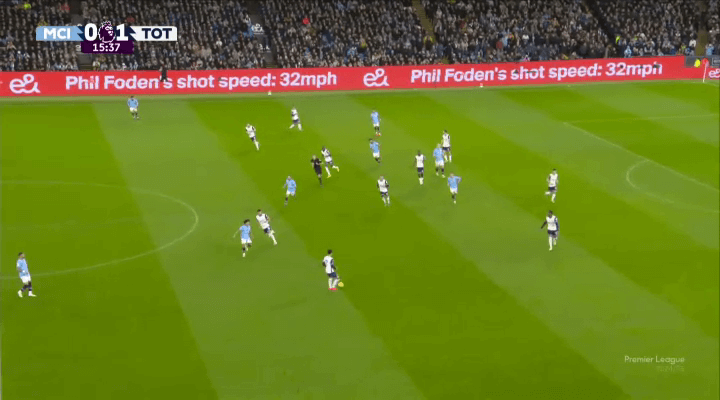 “Modern football coverage has never been so focused on individuals, at a time when the game itself has never been so systemic. The reaction to
 “For long periods of their 2-1 victory over
 “In the future, looking back on current tactical innovations and unique styles of play will not provide a dopamine hit. By then, they will be normalised. What seemed novel 20 years ago is the minimum requirement to excel in football nowadays — just ask Jose Mourinho and Rafa Benitez. Their meticulous planning before
 “

 “By this point, it’s time to accept that