
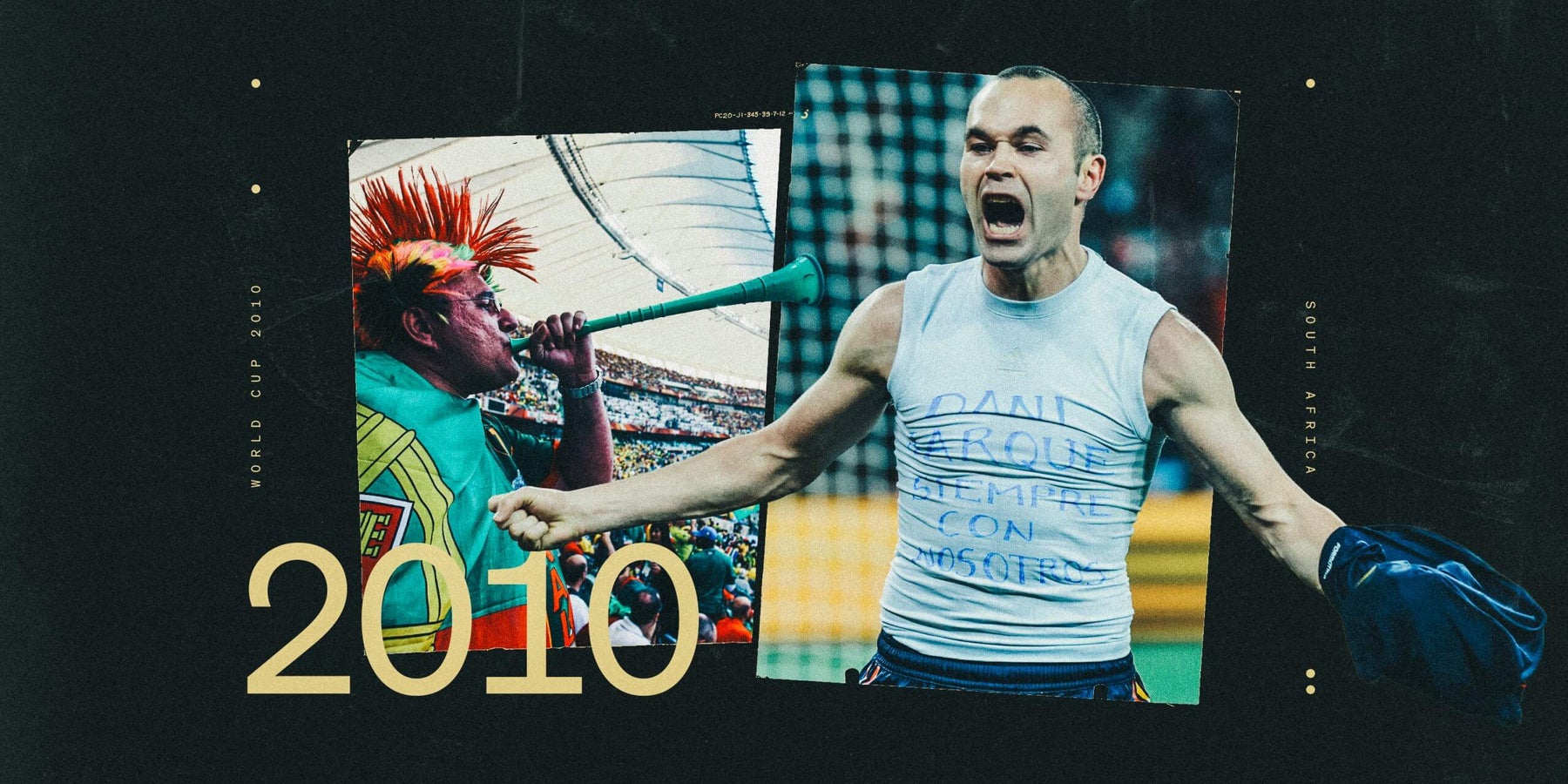
 “Amid the focus on the winter climate and the vuvuzelas in South Africa, perhaps the most important theme of the tournament was the ball. While it had become common for goalkeepers to complain about new footballs ahead of the World Cup, this was the first tournament where outfielders seemed disgusted, too. The lack of panels on the Jabulani, and therefore the lack of ‘drag’, meant long passes became even longer, shots from range were launched miles over the bar, and the general quality of play was poor. Spain, though, seemed largely unaffected — partly because they were completely committed to short passing. …”
NY Times/The Athletic – Michael Cox (Video)
How Spain won the 2010 World Cup: Clean sheets, lots of short passes, and a Barcelona core
Leave a reply
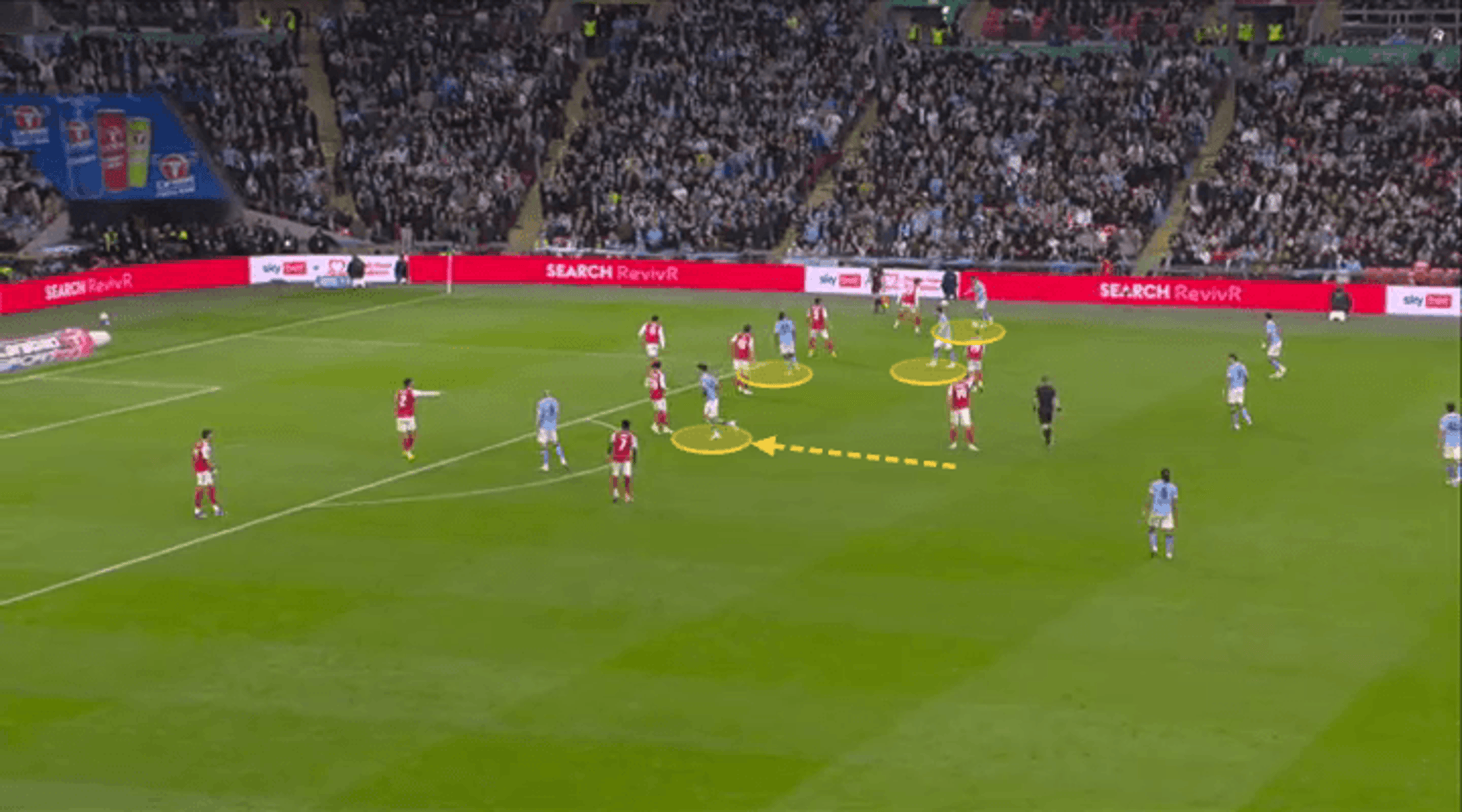 “Considering the attritional nature of Premier League football at the moment and the focus on dead-ball situations, you could be forgiven for looking at a 2-0 Manchester City win against Arsenal in the Carabao Cup final, with two headers from a defender, and concluding it was another contest about physicality and getting the ball into the mixer. But City’s victory at Wembley on Sunday owed to a clever tactical plan, rotations of positions down the flank, and well-worked goals. …”
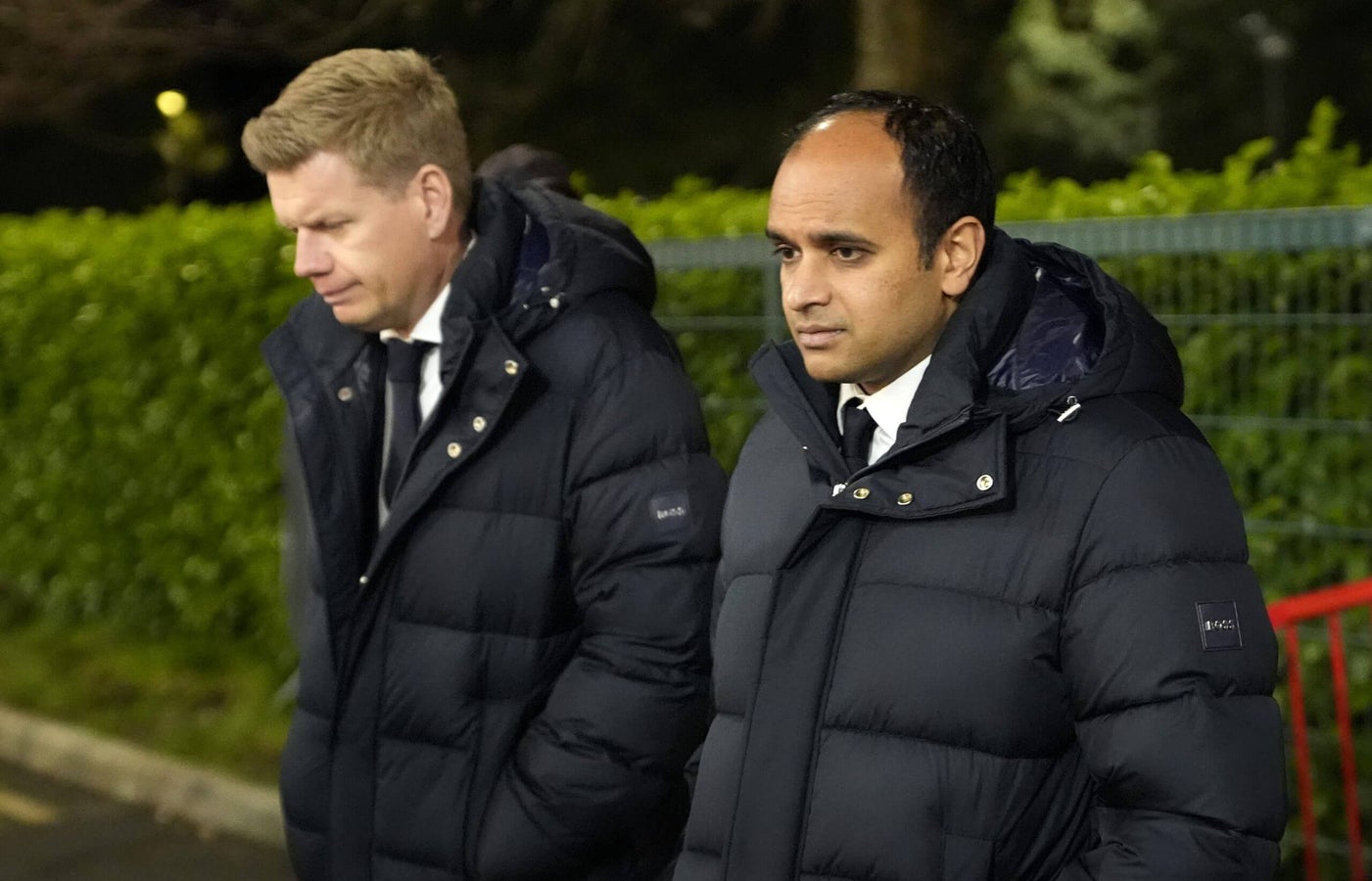 Tottenham Hotspur’s sporting director Johan Lange (left) and CEO Vinai Venkatesham, the men who will appoint a long-term successor to Thomas Frank
 “A couple of weeks ago, two football stories which seemed unrelated were, in reality, very much connected. The first story was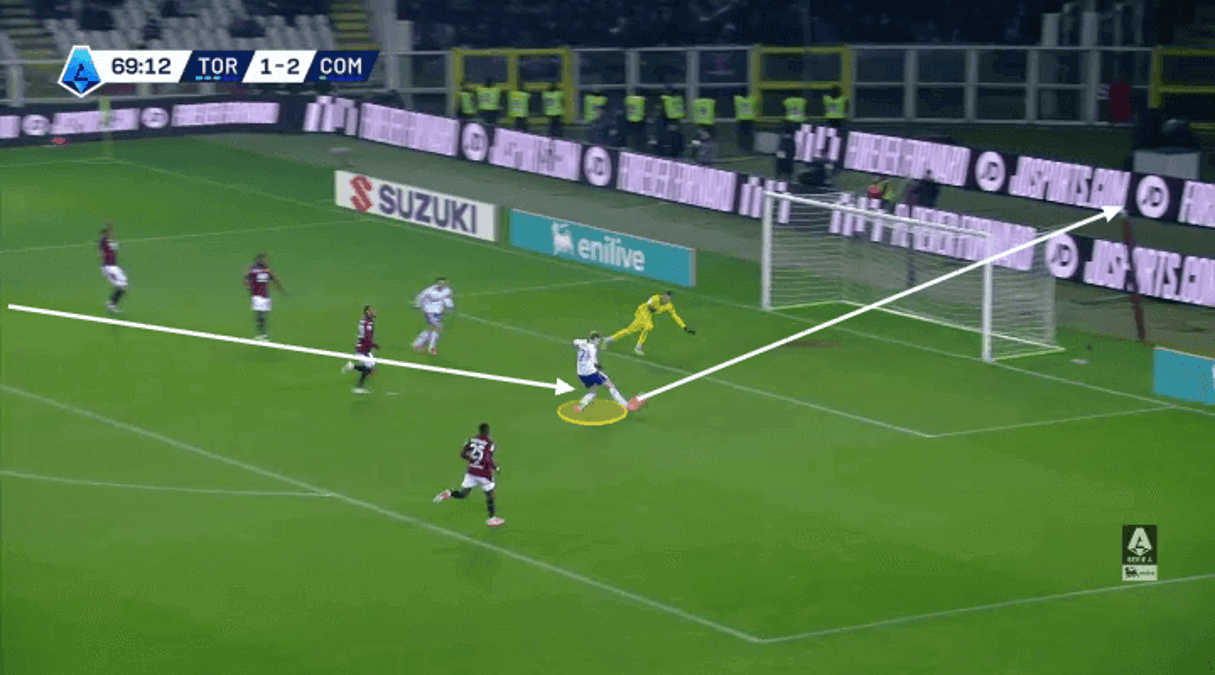
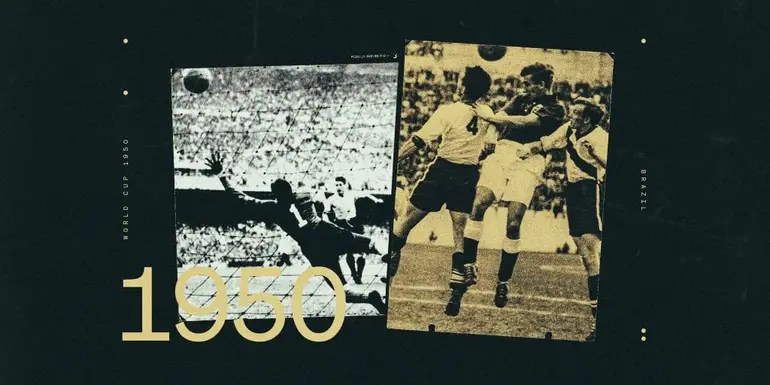
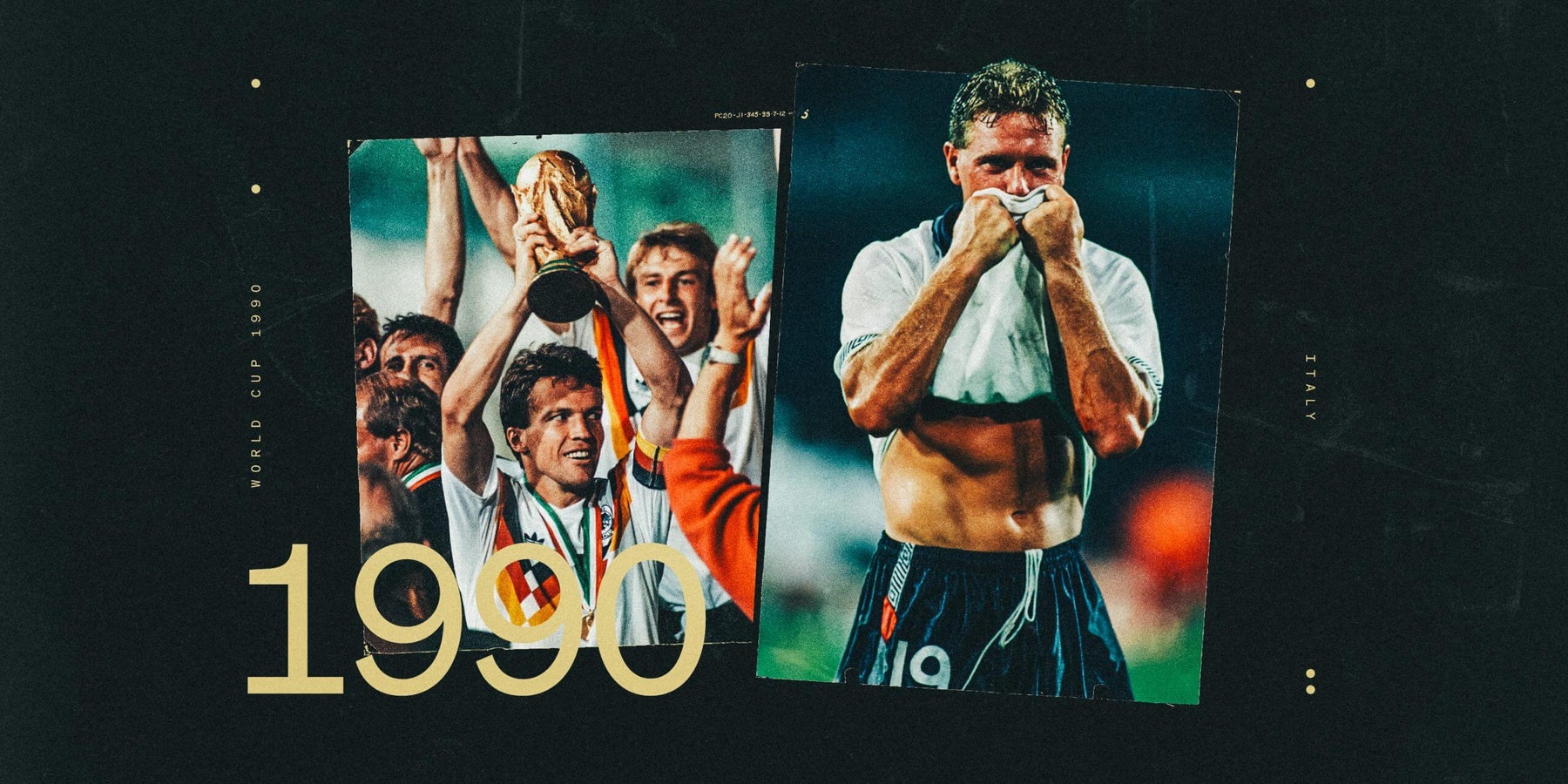 “This time, it’s West Germany in 1990. This is remembered as the most negative, defensive World Cup, supported by the lowest goals-per-game figure on record, 2.21. It was so disastrous that FIFA and IFAB felt compelled to improve the spectacle afterwards, largely by clamping down on dangerous tackles and introducing the backpass law — although not, as was floated by some, by increasing the size of the goals. West Germany won the competition in somewhat unglamorous fashion, as their key matches were dominated by penalties and opposition red cards. But in the group stage, they played some good football, and in the knockout stage, they at least attempted to, which was more than most of their opponents could claim. …”
 “In an era where football fans implore their club to spend big money on new players, it’s notable that very few of the most expensive footballers in history have been an unqualified success at their new club. Eleven players have been transferred for £100million or more, and there are more flops than clear positives. Antoine Griezmann’s 2017 move from Atletico Madrid to Barcelona (
 “There are two reasons you might encounter the four letters ‘doku’ on the back page of your newspaper. The first is when preceded by the letters ‘Su’. The second is when preceded by the word ‘Jeremy’. Sudoku, for those uninitiated, is the Japanese logic game that suddenly exploded in English-language media two decades ago. Players are given a 9×9 grid, which is also divided into nine squares. Some numbers are already written in. The player must complete the grid by entering the numbers 1-9, but each individual number cannot appear twice in any row, column or square. …”
 “Amid
“Amid 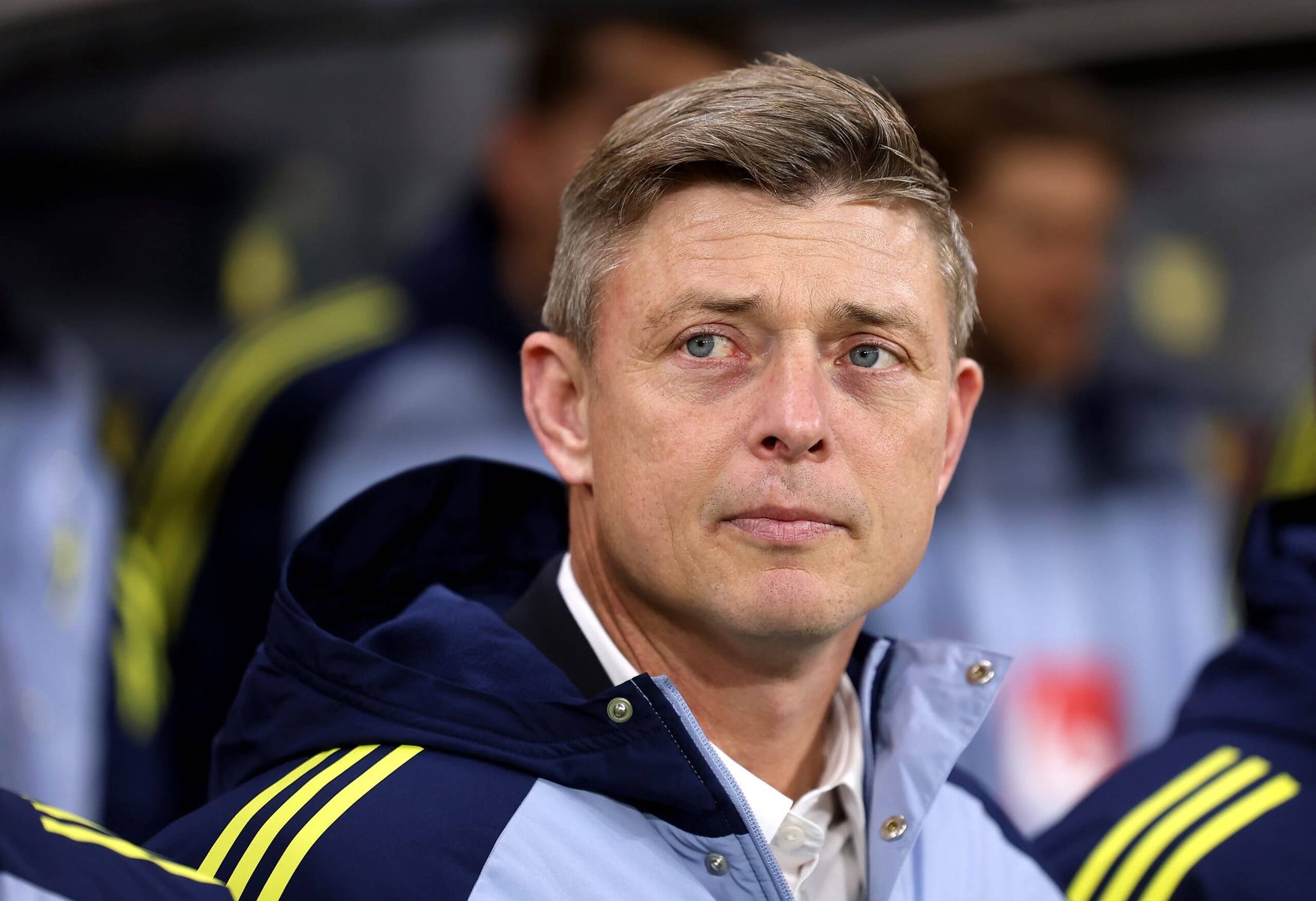 “To many other football countries, sacking a national team coach is a regular event; almost part of the fun. But in the history of the Sweden men’s football side, no national team coach had officially been fired. They’d resigned, or they’d reached the end of their contract. Until now. Jon Dahl Tomasson has become the first exception to the rule. Sweden’s 1-0 defeat to Kosovo in Gothenburg on Monday was arguably the lowest point in the history of Swedish football — not because the result was a shock, but because it wasn’t. …”
 “In 2000, World Soccer magazine commemorated the new century by interviewing FIFA president Sepp Blatter. One of the questions forced him to reach for his crystal ball: ‘What will the next 100 years bring? I cannot look that far ahead,’ Blatter replied. ‘I will go as far as 25 years, however.’ So what did Blatter predict? ‘I will forecast no radical changes in that time,’ he said. Oh well. …”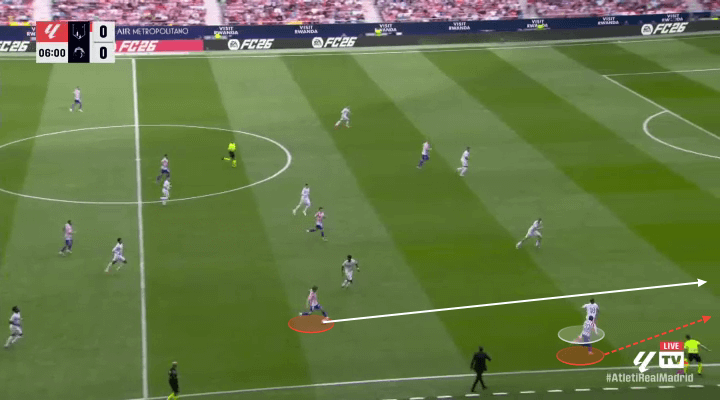

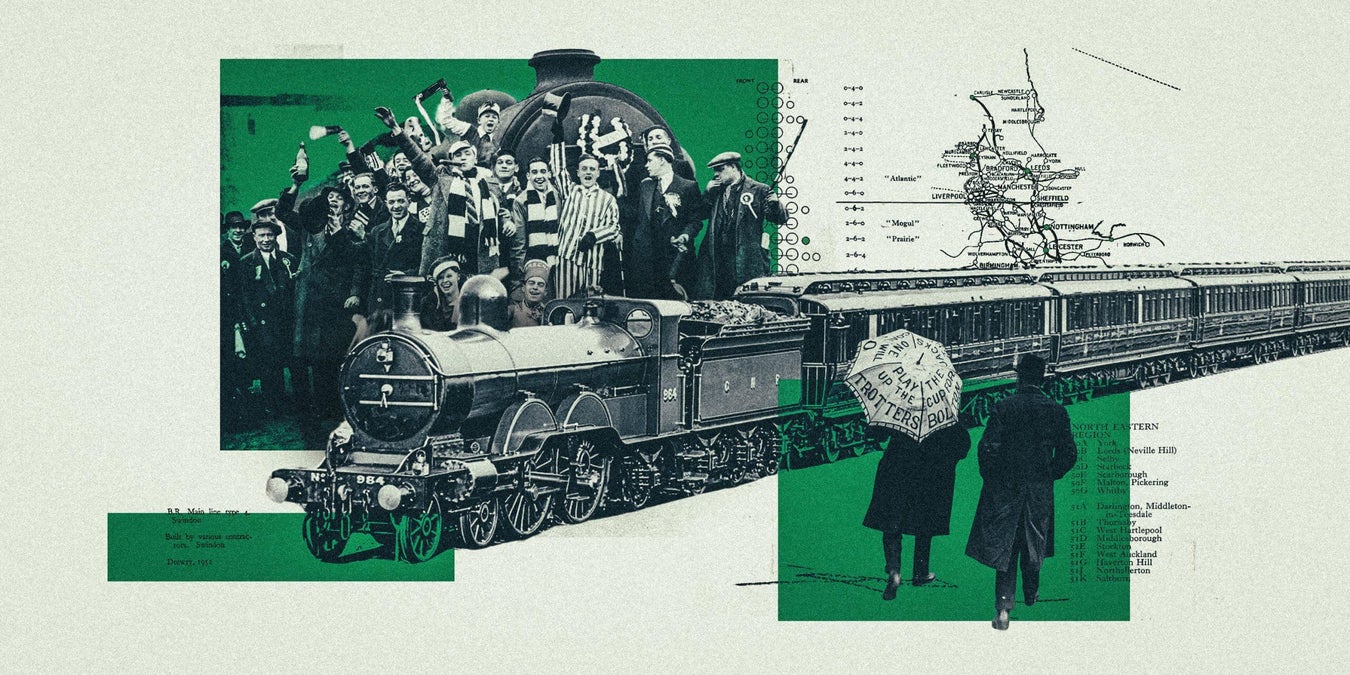 “Today marks 200 years since the world’s first passenger railway journey. On September 27, 1825, around 450 people made the 26-mile journey from Shildon to Stockton in the north-east of England on a steam train named Active, at an average speed of around 8mph. In the 19th century, Britain was the world leader in railways and in football. The relationship between the two shouldn’t be underestimated. Broadly speaking, there were three major reasons for the explosion of sport as a spectator activity in this period. The most important was the novel practice of workers getting their Saturday afternoons off, a victory for a lobbying group named the Early Closing Association, which had been formed in the 1840s. This opened up that time slot for leisure pursuits — and, in particular, sport. …”
 “Stodgy matches between Mikel Arteta’s Arsenal and Pep Guardiola’s Manchester City come as absolutely no surprise now. We’ve already witnessed a contest in which all eight defenders on the pitch were recognised centre-backs, another game when Arsenal got a player sent off and hardly got out of their own half after half-time, and a game when it barely looked like either side were even attempting to score until Gabriel Martinelli’s stoppage-time effort took a big deflection and looped in. No one is tuning into this fixture and expecting a classic. …”
 “… In a tournament compromised by wet weather and therefore boggy pitches, hosts West Germany were not overwhelmingly popular winners.
 “One of the charming aspects of following foreign football is realising that certain concepts are expressed in different ways to how it’s done in your own country. And one of these, for those of us accustomed to British conventions but who follow the game in continental Europe, is the simple passage of time. So whereas you’re generally more likely to find the 24-hour clock on the continent — a kick-off time might be listed at “19h” — it is somehow also more common for their television scoreboards to display a clock counting up from 00:00 at the start of the second half, rather than the 45:00 we’d be accustomed to in Britain. Similarly, if you read — for example — La Gazzetta dello Sport in Italy, you won’t read goals recorded as being scored in the 65th minute in its pages, but instead in the 20th minute of the second half. …”
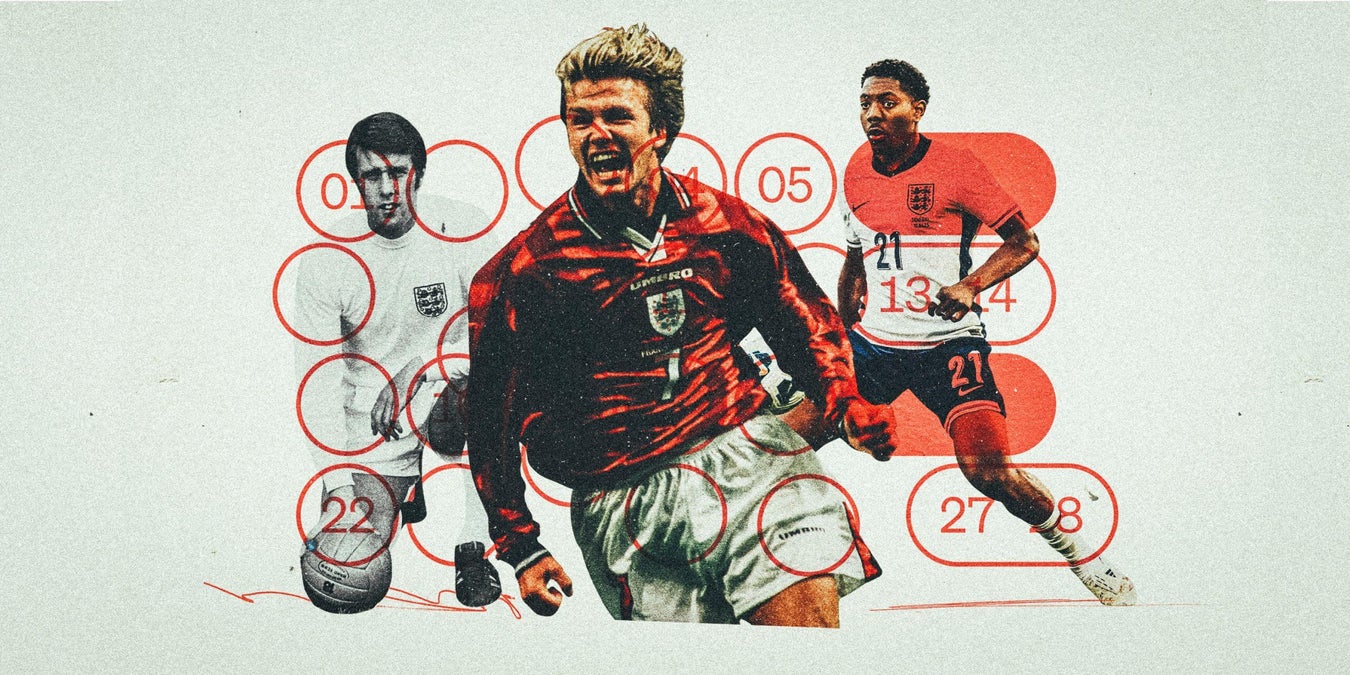
 “In 1991, England travelled to Poland for their final qualification match for Euro 92. It was a crucial contest: the winners would qualify for the tournament, with a draw favouring England. Considering the importance of the game, it was a surprise that England manager Graham Taylor handed debuts to two players: Queens Park Rangers winger Andy Sinton and Crystal Palace midfielder Andy Gray. The latter was given an unusual role for the game’s opening moments. With David Platt and Gary Lineker taking the kick-off, Gray was instructed to stand just behind them and launch a diagonal ball downfield towards the corner flag, and out for a Poland throw-in. …”
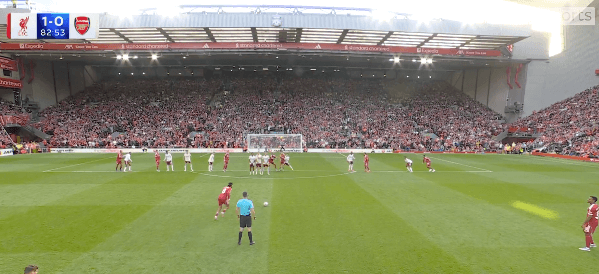

 “In an era when football is criticised for its tactical homogeneity, an interesting debate has arisen around the idea of defending a crossed free kick. It had become the accepted approach to use a high defensive line, keeping opponents away from the box and leaving space in front of the goalkeeper.
  “World Cup 1962, hosted in Chile, is up there with World Cup 1938 as the least fabled editions of the tournament. There’s a common link between them: they’re the only two World Cups where the defending champion has triumphed. And this one came as little surprise — it was almost impossible to find a tournament preview that didn’t imply that Brazil were strong favourites. …”

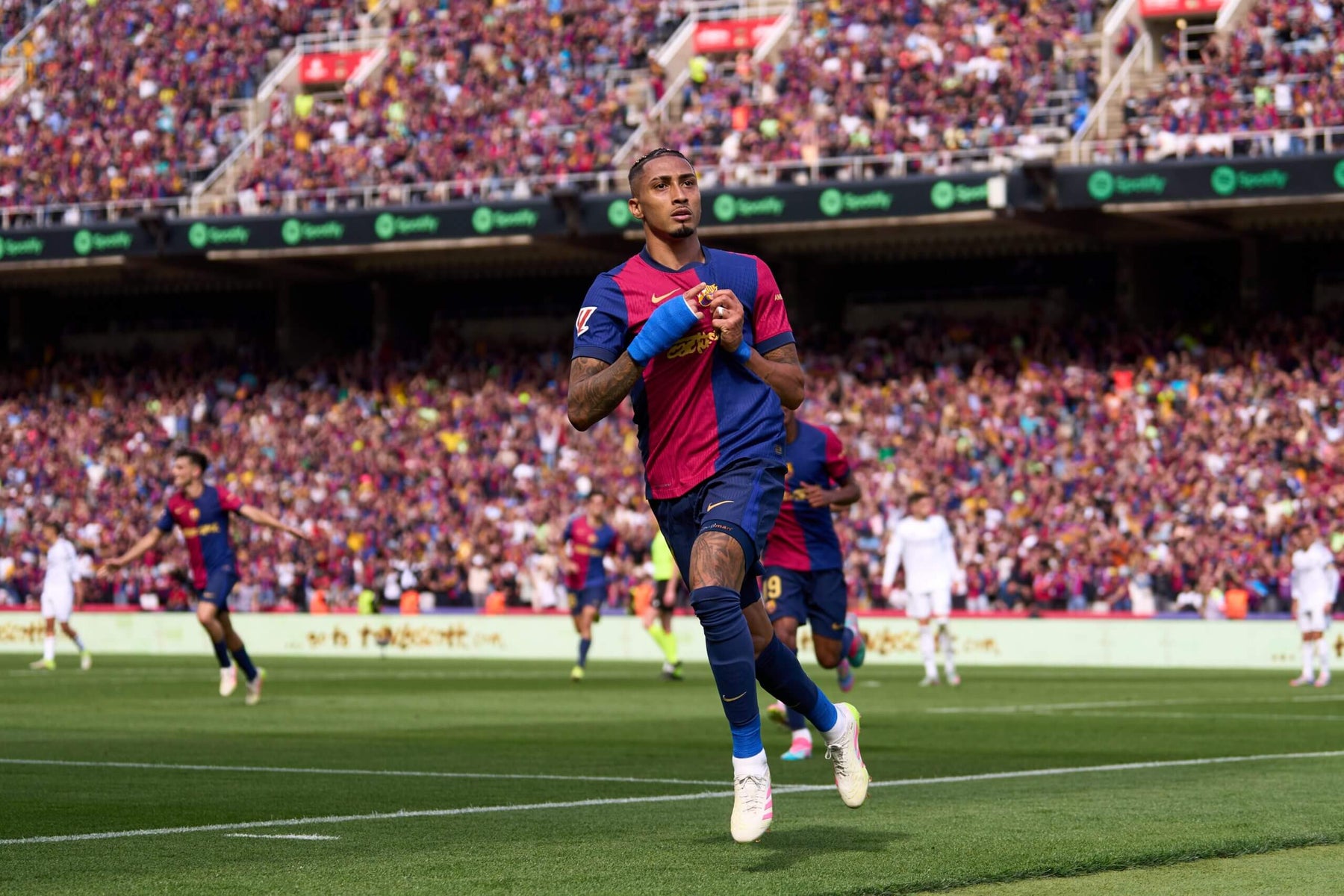 “In a period when a small handful of superclubs regularly win the league, it can be difficult to differentiate between various title-winning campaigns. But Barcelona’s 2024-25 La Liga victory — albeit not yet mathematically certain — will live long in the memory. There are certain elements of this Barca season that are very specific to this particular title success. They’re playing in the city’s Olympic stadium rather than the Camp Nou. They’re using a new generation of world-class teenagers, led by Lamine Yamal and Pau Cubarsi. The thrilling victory over Real Madrid on Sunday completed a clean sweep of
  “It feels like there’s a wave of negativity across English football at the moment, not merely concerning the soul of the game — an evergreen concern — but more about the quality and style of what we’re watching. This is despite the Premier League being almost unquestionably the world’s best league, certainly when judged on the average standard of team, if not necessarily on those at the top of the division. Besides, recent seasons have produced record-breaking goals-per-game figures in the Premier League era and while a higher number being scored in itself is not automatically entertaining, it’s surely preferable to the reverse. …”

 “On Sunday evening, for the first time since 2007 — long before Diego Simeone took charge — Atletico Madrid lost a match having held a two-goal lead. And when a team comes back from 2-0 down to win 4-2 in a match with major significance in the title race, the instinct is to ask precisely what changed in the tactical battle, particularly when two managers with wildly different philosophies, Simeone and Hansi Flick, were involved. …”
 “In football the concept of a ‘trio’ is generally reserved for a group of three who play in the same department of a team. We talk about an attacking trio, a midfield trio or a defensive trio. But Arsenal’s tactical approach in their comprehensive 5-1 victory over Manchester City was all about a trio down one flank. Left-winger Leandro Trossard, left-centre midfield Declan Rice and left-back Myles Lewis-Skelly combined excellently throughout the game. Arsenal’s passing network from the game tells the story neatly. There’s almost no connection between the equivalent players on the other flank. But Trossard, Rice and Lewis-Skelly played close together, operated in each other’s zones, and spun their way into good positions in behind. …”
 “Realistically,
 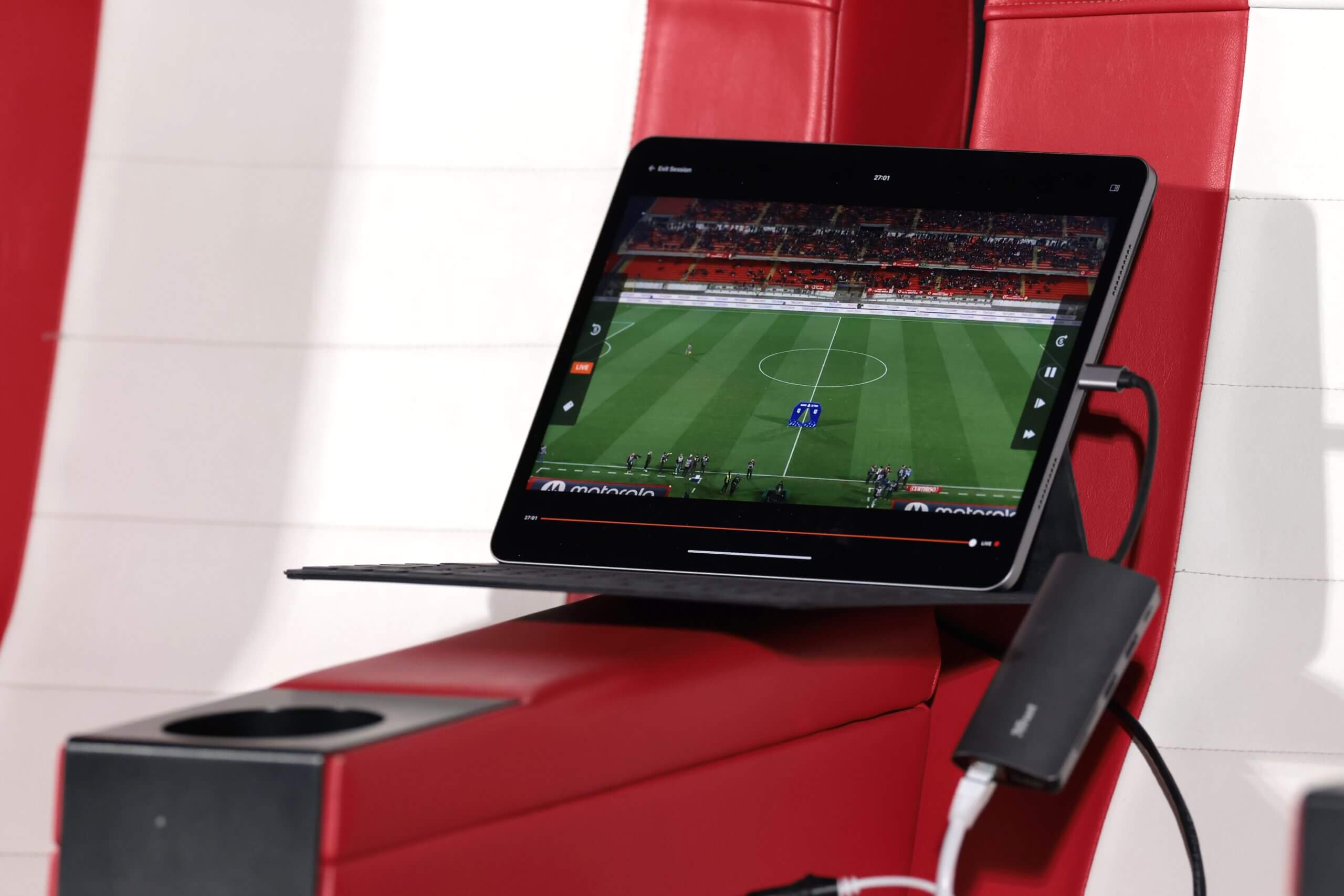 “The football analytics boom has been firmly established, but its role within the game remains debated. Some argue that data has cleansed the game to such an extent that football has become too uniform for the average fan. For others, a data-led approach is romanticised as the tool that helps clubs find an edge in creating their underdog story. Whatever your opinion, data analysis, paired with video technology, is becoming increasingly complex in football — even if its impact on a team’s tactical approach continues to be discussed. The Athletic’s Michael Cox recently provided a compelling argument that the work being undertaken within football analytics might not have been applied as much on the pitch as we might have thought. While data-led recruitment —
  “When the post-match discussion focuses on the player who has been dominating headlines in the previous days, it’s fair to question if that analysis is reasonable, or whether it’s simply a convenient narrative to keep everyone talking. On this occasion, the analysis was entirely fair:
  “Was it a winning goal that never seemed on the cards or a winning goal that felt inevitable. Either way,
  “
“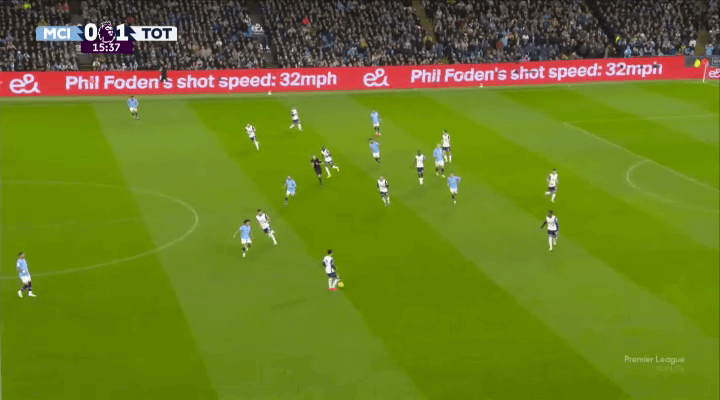 “Modern football coverage has never been so focused on individuals, at a time when the game itself has never been so systemic. The reaction to
  “For long periods of their 2-1 victory over
  “In the future, looking back on current tactical innovations and unique styles of play will not provide a dopamine hit. By then, they will be normalised. What seemed novel 20 years ago is the minimum requirement to excel in football nowadays — just ask Jose Mourinho and Rafa Benitez. Their meticulous planning before
  “By this point, it’s time to accept that
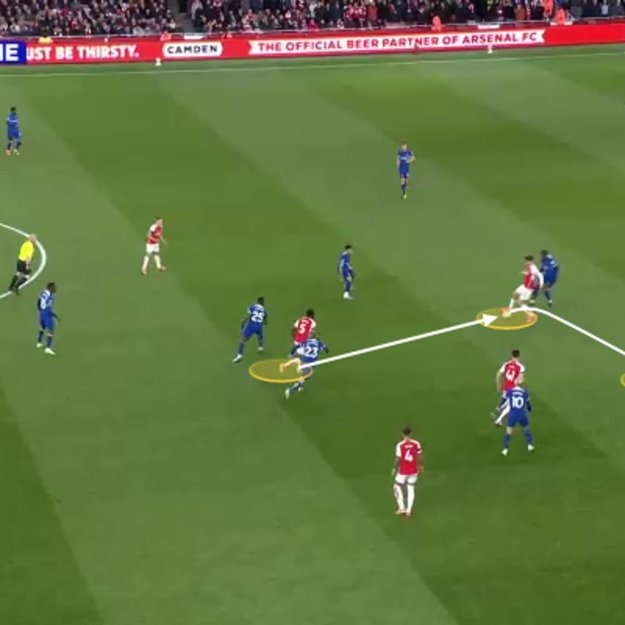


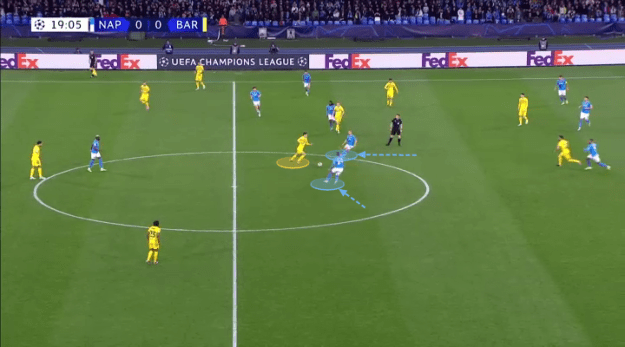


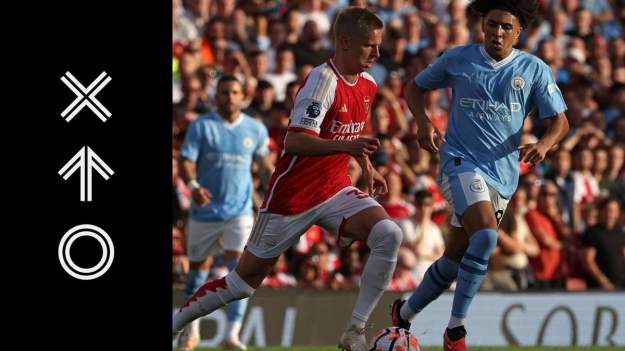


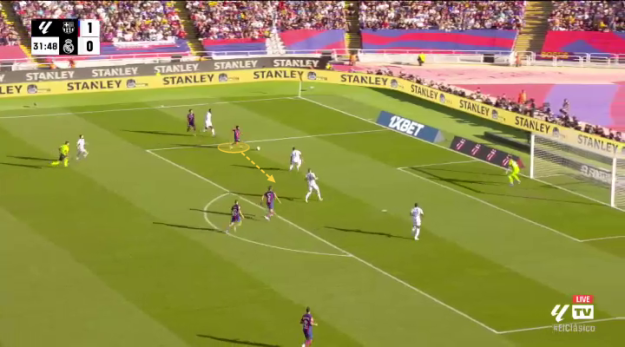

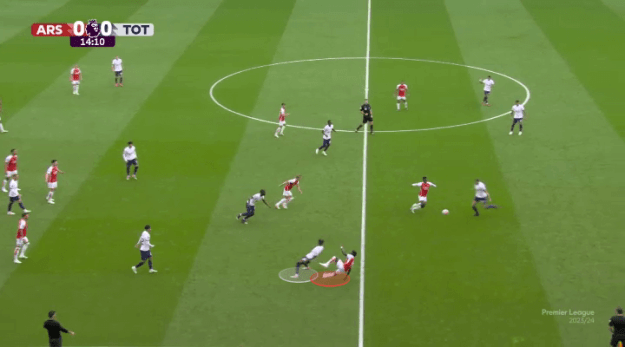
 “At the start of Pep Guardiola’s managerial career, he seemed intent on creating the type of team that would have suited him as a player. A slender, technical midfielder who lacked physicality but could spread play calmly, Guardiola’s playing career ended prematurely because football no longer suited his type of player; defensive midfielders at the turn of the century were supposed to be about power and ball-winning ability. …”
 “Did the
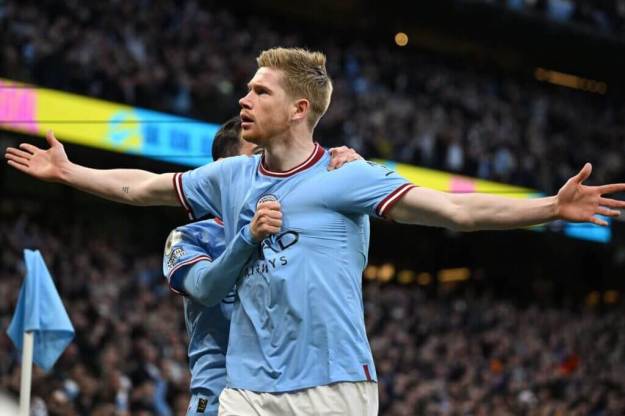

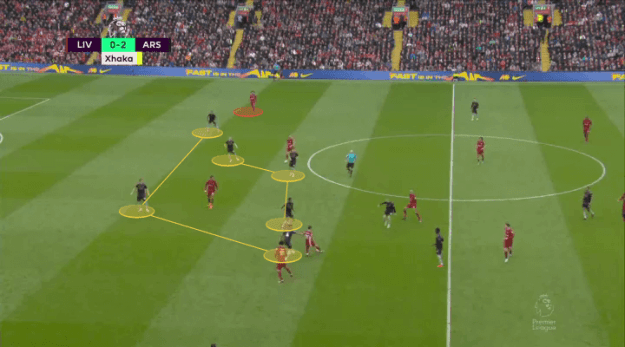 “‘Intriguing tactical battles’ are generally considered to be a euphemism for matches that are tight, tense, and uneventful. This is something of a myth, however. Commentators, pundits and presenters refer to games in this manner when nothing else is happening, in an attempt to convince the armchair viewer that sitting through it isn’t a complete waste of their time. But
 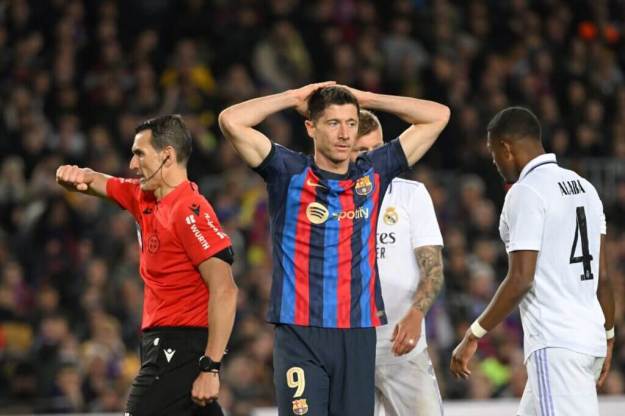 “The simple concept of risk and reward is a major part of football tactics, and seems to be particularly crucial in contests between
  Scissors Kick