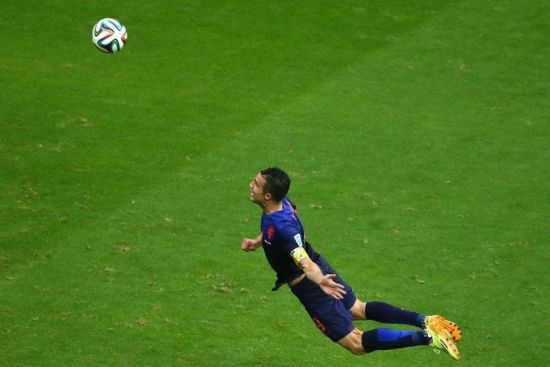
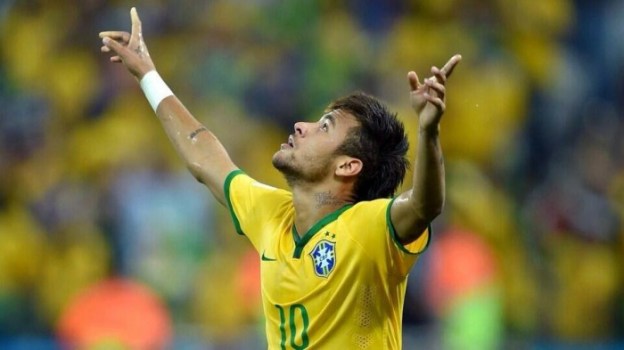
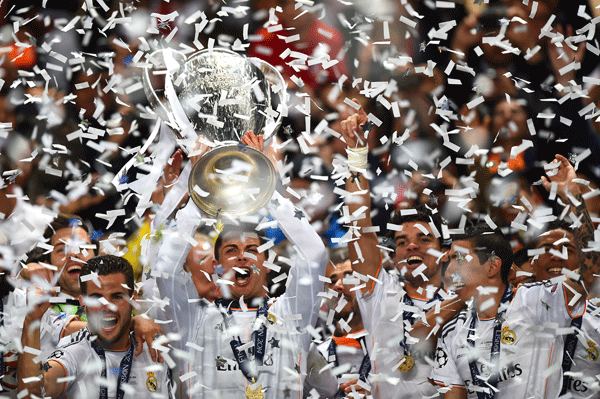
“Over the past couple of days a number of people have been blogging about blogging. Rather than it being some meta-analysis of the practice, many instead opted to discuss why we do it. This, is my two cents. The wave first came to my attention when Jonathan Fadugba, of Just Football fame, asked us all “Is football blogging dying? Or just morphing into something new?” Instead of immediately following Betteridge’s law of headlines – the principle where every headline can be answered with a succinct ‘no’ – I instead opted to responded by (internally) saying ‘yes’ and then ‘yes’ again. As Jonathan points out bastions of this ‘industry’ have, sadly, fallen by the wayside: Ian King of Two Hundred Percent released a public service announcement on the future of that esteemed website and shortly after so did Michael Cox, formerly known as Zonal Marking and now known as that guy who discuss tactics everywhere. In Ian’s case it was, for want of a better word, burnout; in Michael’s it was the cold hard fact that his personal blog doesn’t pay the bills and yet he has suitors knocking on his door every waking hour.” Chris Booth
Category Archives: Michael Cox
Gerrard’s exit could bring change
“Steven Gerrard’s decision to retire from international football, announced on Monday, brought the England national team back into the consciousness of the media and public. Until now, it seemed that everyone had decided to overlook the disappointing World Cup experience altogether — there had been no outcry and no great fervent discussion about what went wrong in Brazil, where Roy Hodgson’s side claimed one point from three games.” ESPN – Michael Cox
World Cup 2014 best XI

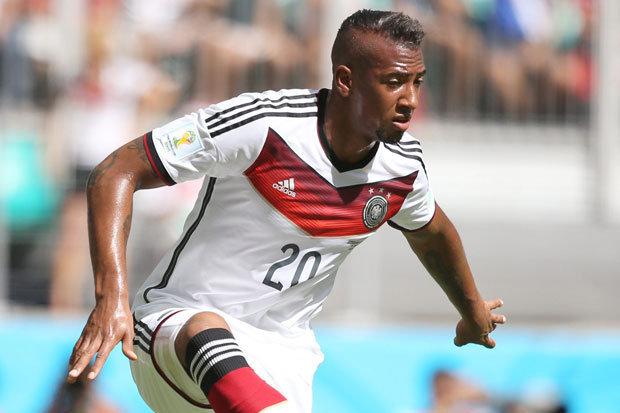
“… Jerome Boateng, Germany. Perhaps a controversial choice – Philipp Lahm is widely regarded as the best right-back of his generation, and captained Germany to victory. But Lahm spent the first couple of games in the centre of midfield, and didn’t play particularly well, making careless mistakes against both Portugal and Ghana. Had he played the entire tournament at right-back – a move which made Germany a better side – he’d be a shoo-in. Boateng, however, played well throughout the group stage at right-back – in the game against USA, for example, he was the man who led the attacking with some dangerous bursts and good crosses.” Zonal Marking
Miroslav Klose: the last poacher?
“Ordinarily, a striker surpassing the all-time World Cup goalscoring record would be the major story of the day, but Miroslav Klose’s 16th goal came in Germany’s historic 7-1 thrashing of Brazil – so it was nothing more than a subplot. The man he surpassed, Ronaldo – who has since turned to a different sport as a PokerStars pro – was in the stadium to see his record defeated. There’s no question that Ronaldo was a far superior all-round footballer, but few strikers in history have shared Klose’s ability as a goalpoacher. There has been some snobbery towards Klose gaining this record, as if such a simple striker shouldn’t be entitled to such a status…but then that’s the very point of Klose. He doesn’t do anything apart from score – his link-up play is average, he’s never been particularly quick, he’s not very tall. He’s simply excellent at positioning himself, and finishing calmly.” Zonal Marking (Video)
How will James fit at Real Madrid?

“The summer transfer window never fails to be a chaotic, ridiculous and erratic mess, but there are some entirely predictable stories every year. Chelsea will sign a couple of talented youngsters but immediately loan them out. Juventus will embark upon a relentless campaign to acquire a percentage of various young Italian prospects, the majority of whom will never play for the club. But, most predictable of all, every four years, Real Madrid will sign a star — often the star — of the World Cup.” ESPN – Michael Cox
What does the James Rodriguez signing mean for Real Madrid?
“For the seemingly umpteenth summer in a row, Real Madrid have stuck to their policy of signing at least one high-profile player name to their already star-studded roster. This summer, that name is James Rodriguez of AS Monaco and Colombian fame. Rodriguez was arguably the standout player at this year’s World Cup having netted six goals for his nation, including a stunning off-the-chest volley against Uruguay. While Colombia eventually lost to Brazil in the quarterfinals, James’ flamboyant play made him an instant superstar and attracted the Spanish giants and reigning Champions League winners. Florentino Perez, president of Real Madrid and aficionado of paying big money for marketable stars, made his move instantly and offered a reported €80 million for the starlet, an offer Monaco simply could not refuse. So what does this mean for Real Madrid?” Outside of the Boot
James Rodriguez’s Real Madrid move adds to options for talent-rich club
“A World Cup summer usually throws up a different recruitment strategy for Real Madrid, whose preference to sign a Ballon D’Or winner every year hasn’t been able to be maintained since Cristiano Ronaldo and Lionel Messi have been its only winners since 2008. After the 2006 World Cup, Real Madrid signed Fabio Cannavaro, captain of Italy’s victorious side, while in 2002 it was Brazil’s Golden Boot winner Ronaldo. This month, the reigning European champion has signed two players who starred at the World Cup: Germany midfielder Toni Kroos, and, as confirmed Tuesday, James Rodriguez. It also is reportedly close to confirming a third star from Brazil, Costa Rica goalkeeper Keylor Navas. James will cost around €80 million and will wear the No. 10 shirt that has been vacant since Mesut Ozil left 12 months ago.” SI
Reassess transfer window timing
“Transfer speculation dominates football like never before. An incredible amount of coverage is dedicated not to games themselves, but to the possibility that footballers might one day play them for another team. At this point of the year, it makes sense. The World Cup has finished, the club season is a month away and there’s nothing else to talk about. In the old days, newspapers would fill their pages with other sports, but football has become all-consuming, and fans demand constant information — seemingly regardless of whether it’s actually true. Once, the offseason meant no football stories: you’d load up Ceefax and discover nothing was happening. These days, football never stops.” ESPN – Michael Cox
Germany 1-0 Argentina

Germany 1-0 Argentina (AET): Gotze’s extra-time goal wins the World Cup
“Germany won their fourth World Cup after victory over Argentina in a tense but enjoyable final. Joachim Low’s team selection was compromised by the late withdrawal of Sami Khedira through injury. Christoph Kramer took his place – although he only lasted 30 minutes himself. Alejandro Sabella’s side was unchanged from the semi-final against the Netherlands. Both sides had promising moments in an even match – Argentina had the better chances before Mario Gotze’s late winner.” Zonal Marking
Germans End Long Wait: 24 Years and a Bit Extra
“For years, Brazilians had a phrase they would inevitably utter when things went wrong. ‘Imagina na Copa,’ they said after an endless traffic jam or a construction accident or an ugly rash of violence dominated the news — imagine if this happened during the World Cup. It became a foreboding warning, a pre-emptive sigh at the presumed disasters that lay ahead. Over five weeks, though, Brazil avoided any of the major catastrophes it feared. Thrilling games and entertaining soccer — as well as the national team’s own stunning collapse — generally overshadowed any logistical issues, and the tournament was seen as a global success. So it was fitting, then, that in the tournament’s final game, the Brazilians managed to dodge the ultimate on-field nightmare, too.” NY Times
Germany 1 Argentina 0 (BBC)
“Germany were crowned world champions for the fourth time as Mario Gotze’s extra-time winner beat Argentina in the 2014 World Cup final. Gotze demonstrated perfect technique and commendable calm to chest down Andre Schurrle’s pass and sweep in a left-foot finish with the prospect of a penalty shootout only seven minutes away. Argentina, with skipper Lionel Messi looking subdued despite flashes of his talent, could not respond and Germany claimed their first World Cup since they beat the same opponents in Rome 24 years ago.” BBC
Germany’s World Cup title a result of revamped development, identity
“At the final whistle, after Germany claimed a fourth World Cup by beating Argentina 1-0 in extra time, BastianSchweinsteiger collapsed to the turf, utterly spent. He had given everything, running to the point of exhaustion, the only holding midfielder in the Germany squad still standing by the end, and that only just, a stray arm from Sergio Aguero having caught him across the face leaving him with a gash on his cheek.” SI – Jonathan Wilson
The Party’s Over: A Critic’s Take on Brazil’s Dismal World Cup Legacy
“About a five minute walk from Rio de Janeiro’s historic Maracanã stadium, the site of today’s Argentina vs. Germany final (Update: Germany won, obvsly), there used to be a small community of about 700 families called Favela do Metro. The reason the city demolished the tightly-packed neighborhood is hotly disputed: Residents said it was to build a parking lot, while the city claimed it had more ambitions urbanization plans, such as a park. But at least for now, there is little left except a jumbled mess of concrete and brick.” Fusion
Germans See World Cup Win as a Symbol of Global Might

“Even normally quiet streets were electrified early Monday by Germany’s dramatic 1-0 win of the World Cup in extra time, a victory that symbolized, at least to fans, not just the country’s dominance of Europe, but its global prominence. Car horns and vuvuzelas honked, and fireworks and firecrackers exploded. On the Kurfuerstendamm, the gleaming street of stores and restaurants that was the symbol of West Berlin during the Cold War, cars quickly jammed traffic and fans draped themselves in the black, red and gold of the German flag.” NY Times
World Cup Pass & Move: Germany Wins It All
“The World Cup came to a close on Sunday, with Germany defeating Argentina in extra time, 1-0, in Rio’s Maracanã Stadium. Here, five Grantland writers look at five important characters from the match. Be sure to check out all of our coverage of the final, and the entire month of wonderful soccer action, at our World Cup landing page. Grantland (Video)
A Final Prediction: Germany Wins a Thriller
“Like the Sex Pistols in their prime, World Cup finals rarely fail to disappoint. After all the buildup and hype, the games often turn out to be low-scoring, bad-tempered affairs. In 2010, Holland, the nation that, during the nineteen-seventies, invented “total football,” a free-flowing, attacking style of soccer that enchanted the world, disgraced itself by trying to kick the Spanish “tiki-taka” men off the park in Johannesburg, and almost succeeded. Four years earlier, during the latter stages of a tense 1-1 tie between Italy and France, Zinedine Zidane, the French midfield maestro, was sent off for headbutting an Italian player, Marco Materazzi, who had allegedly called his sister a whore. (Italy went on to win on penalties.)” New Yorker
Germany Grinds Its Way To World Cup Triumph
“Well, I got the result right. But my prediction that it would be a thrilling World Cup final turned out to be wishful thinking. Instead of thrills, we got another tense, low-scoring game, in which both teams accumulated more bookings for bad fouls (two each) than clear-cut chances. By the middle of the second half, it was evident that one goal would settle it, and, in the second period of extra time, Germany nabbed one, thanks to a great piece of finishing by the young striker Mario Götze, who had come on as a substitute.” New Yorker
Success for Brazil, Just Not on the Field
“When Mario Götze settled a crossing pass with his chest and volleyed a goal that won the World Cup, German fans roared in ecstatic release. Those from Brazil were nearly as delirious, even if it was out of relief as much as celebration. It might have seemed an odd sight, Brazilian fans celebrating another team inside their own cathedral of soccer, the Maracanã stadium. But after two demoralizing losses brought national embarrassment, solace finally came Sunday as Germany defeated Argentina, 1-0, to become the first European team to win a World Cup played in North or South America.” NY Times
In a Latino Enclave, the World Cup Puts Everything on Pause
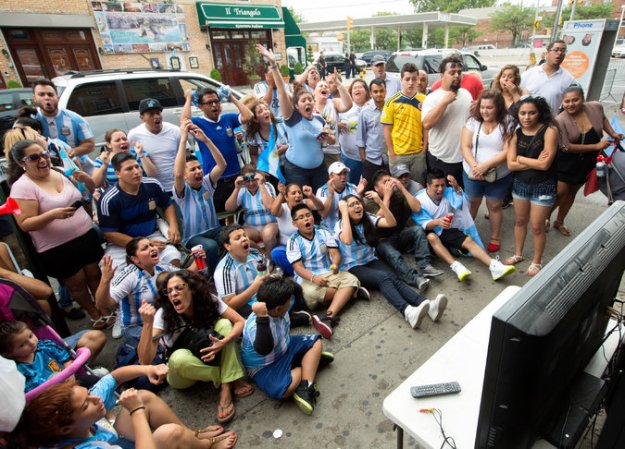
“Something unusual happened on Sunday afternoon on the streets of Jackson Heights, Queens: Quiet. As crowds gathered to watch the World Cup final around the Latin American enclave — in bars and barbershops, in electronics stores and by food trucks — the usually frenetic area beneath the elevated No. 7 train grew uncharacteristically still. Business, which spills onto the streets in the form of carts and trucks and tables, came to a halt. There was no merengue. Or cumbia. Or bachata.” NY Times
Don’t Cry for Messi, Argentina. This Germany Team Is One of the Best in Years.
“Lionel Messi seemed to recognize that he had lost the World Cup several minutes before the final whistle had blown. Moments after substitute striker Mario Götze scored a wundervolley in the game’s 113th minute to put Germany up by the decisive margin of 1–0, the Argentine legend had his last somewhat realistic chance at goal. Defender Marcos Rojo sent a high arcing cross deep into the German area and Messi came flying in for a free header from about 15 yards out. Had his shot gone in, it would have been a glorious goal. Instead, the ball fluttered harmlessly over the bar, and Messi walked away with his head down, staring desperately at the turf.” Slate (Video)
Brazilians Go Back to Real Life
“Brazil suffered mightily with its national team’s 7-1 rout at the hands of Germany in the World Cup semifinals last week, but the authorities here breathed sighs of relief as the tournament came to a close on Sunday with Germany’s victory over Argentina, amid muted street protests and a display of Brazil’s ability to successfully organize sporting megaevents.” NY Times
Germany May Be the Best National Soccer Team Ever
“Germany didn’t begin the World Cup as the favorite. That honor belonged to (ahem) Brazil. But that’s a slightly deceptive measure. This was a top-heavy World Cup; not only Brazil but also Germany, Argentina and Spain would have been the front-runners in many past editions of the tournament. By the end of the World Cup, Germany left little doubt it is the best team in the world. In fact, it may be the best national soccer team ever assembled. One simple way to compare World Cup winners is by their goal differential throughout the tournament. Germany, with 18 goals scored and four allowed, comes out at a plus-14.” Five Thirty Eight

Germany 7-1 Brazil: Germany record a historic thrashing, winning the game in 30 minutes

“In one of the most incredible matches in World Cup history, this ridiculous scoreline was an entirely fair reflection of Germany’s dominance. Jogi Low named an unchanged side from the XI that had narrowly defeated France in the quarter-final. Luiz Felipe Scolari was without the suspended Thiago Silva, and the injured Neymar. Dante was the obvious replacement at the back, while tricky winger Bernard was a surprise choice to replace Neymar, with Oscar moving inside to become the number ten. Luiz Gustavo returned after suspension, with Paulinho dropping out. Incredibly, this game was finished after half an hour – it was 5-0, and Brazil were simply trying to avoid further embarrassment.” Zonal Marking
Brazil 1 Germany 7
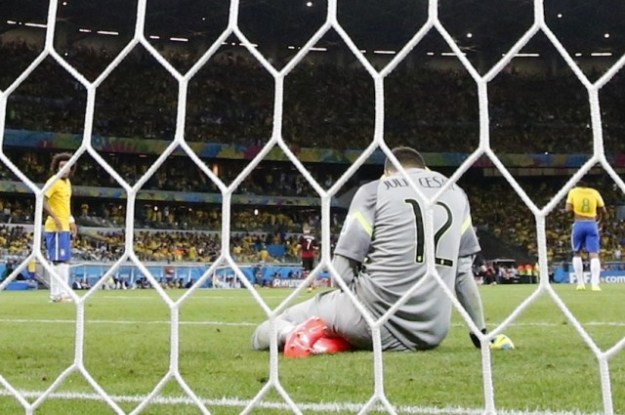
“Brazil’s World Cup dreams ended in humiliating and brutal fashion as Germany inflicted their heaviest defeat in the first semi-final in Belo Horizonte. A thunderous occasion that began with Brazil riding a tidal wave of emotion was reduced to a nightmare as Germany were 5-0 up inside 29 remarkable minutes in front of a disbelieving Estadio Mineirao crowd. Brazil’s players mourned the absence of the injured Neymar before kick-off, but captain Thiago Silva was an even bigger loss. The result was their first competitive home defeat in 39 years, and the end of their hopes of making it to the World Cup final at the iconic Maracana on Sunday.” BBC
Germany Scored Three Goals in 76 Seconds and Four Goals in Four Minutes
“Everyone, including Slate, has noted that Germany scored five goals in an 18-minute span on Tuesday. That figure, though, understates what the Germans accomplished. For a good portion of that 18 minutes, the ball wasn’t in play because it was sitting in the back of the net and Die Mannschaft was celebrating. The ESPN broadcast made it hard to determine how fast Germany had scored in actual game time, as the copious goal replays were always butting in to the on-field action. In order to get an accurate count, I rewatched the first half using ESPN’s ‘tactical cam’ replay, which shows the game from above and affords a clear view of each goal and the precise moment when play subsequently resumed.” Slate (Video)
Goal, Goal, Goal, Goal, Goal, Goal, Goal, and Brazil’s Day Goes Dark
“The fireworks began at dawn. All around this city, loud pops and bangs rang out as men and women and children, so many dressed in yellow, set off flares and beeped car horns. It was supposed to be a magical day. The Brazilian national soccer team, playing at home, was one game away from a World Cup final. No one could have guessed the tears would come before halftime. No one could have imagined there would be flags burning in the streets before dinner. Certainly no one could have envisioned that any Brazilian fans, watching their team play a semifinal in a celebrated stadium, would ever consider leaving long before full time.” NY Times
Let the Recriminations Begin in Brazil, and Let Them Begin with Scolari
“Then Brazil lost a relative squeaker to France in the finals of the 1998 World Cup, the country’s congress held intensive investigations and hauled some of its most storied athletes before a panel of preening politicians. Conspiracy theories swirled that cast blame in all directions—one widely held notion attributed the defeat to the machinations of Nike. The questions were irrational but give some hint of the mindset of a defeated Brazil and foreshadow the ugly recriminations that will follow this ugly defeat.” New Republic
Nation in Despair
“… Everyone knew it would be difficult for Brazil without the injured star Neymar and the suspended captain, Thiago Silva, but nobody imagined this feeble capitulation — four goals surrendered to Germany in six minutes during a 7-1 rout in a World Cup semifinal. Early on, Brazil’s players bickered, lost their cool, then lost their fight. The country of the beautiful game was left to face a grotesque humiliation. Luiz Felipe Scolari, the coach, flung his hands in disgust amid the flurry of early German goals. Marcelo, a defender, put his hands to his face in embarrassment and disbelief. A boy and a woman cried in the grandstand beneath their glasses, appearing stunned and overcome on camera.” NY Times (Video)
World Cup Tactical Analysis : Netherlands 0–0 Costa Rica (4-3 pens) | The Dutch exploit the right side and Krul enters the fray
“The Netherlands secured a stirring victory over Costa Rica to earn a place in the semi-finals of the World Cup with a win on penalties to end the minnows’ reverie. Van Gaal picked a very offensive line-up to start the game, with an almost in-existent midfield but a resilient defence and a luscious attack. Costa Rica took a somewhat pragmatic approach for the occasion in contrast, and the two sides largely squared each other, with the Ticos frustrating their more eminent opponents for much of the game. Van Gaal then made the intrepid decision to replace Jasper Cillessen with Tim Krul ahead of the penalty shootout, and the manoeuvre paid off as the Newcastle keeper saved from Bryan Ruiz to put his side through.” Outside of the Boot
Netherlands 0-0 Costa Rica: Oranje progress after van Gaal’s late keeper switch
“The Dutch dominated but couldn’t find a way past Keylor Navas – then finally broke their penalty shoot-out curse. Louis van Gaal played a more aggressive wing-back pairing than against Mexico, with full-back Paul Verhaegh making way for winger Memphis Depay. Costa Rica manager Jorge Luis Pinto was without suspended centre-back Oscar Duarte, so Johnny Acosta came into the side. In a long, drawn out and – eventually – dramatic 120 minutes, the Dutch dominated but were disappointing in the final third.” Zonal Marking
World Cup Tactical Analysis : Argentina 1-0 Belgium | Argentina dominate midfield to enter the semifinals

“In the first of the two intercontinental showdowns of the quarter-finals, two time winners and favourites Argentina took on the Belgians, looking to book a place in the semi-finals of the FIFA World Cup for the first time in 24 years. The South Americans didn’t just have to face a strong Belgian team, but also a Brazilian crowd that would have loved to see their fierce neighbours falter in the quarters. With both the teams coming into the match having won all of their previous matches of the tournament, this one was certainly going to be a close call.” Outside of the Boot
Argentina 1-0 Belgium: Argentina become even more reliant on Messi
“In their fifth World Cup game, Argentina recorded their fifth one-goal victory. Alejandro Sabella was without Marcos Rojo so brought in Jose Basanta at left-back, and replaced Federico Fernandez and Fernando Gago with Martin Demichelis and Lucas Biglia. Marc Wilmots played Kevin Mirallas rather than Dries Mertens on the right flank, but otherwise the side was as expected. Belgium remain a group of individuals, while Argentina play to the strengths of one individual.” Zonal Marking
Germany 1-0 France: Germany get the better of the midfield battle
“Mats Hummels’ early header from a Toni Kroos free-kick was the difference in a peculiarly tame, flat contest. Jogi Low made two significant tactical alterations to his side, moving Philipp Lahm to right-back, and bringing in Miroslav Klose upfront. Didier Deschamps, as expected, returned to a one-striker system with Antoine Griezman replacing Olivier Giroud, and Karim Benzema shifting upfront. Germany dominated the first half with some good midfield play, and then the second half was…almost non-existent, with France barely launching a fightback.” Zonal Marking
Brazil 2-1 Colombia: Brazil prevail in a very aggressive game
“Goals from both centre-backs put Brazil into the semi-finals. Luiz Felipe Scolari made a straight swap at right-back, with Maicon in for Daniel Alves, while Paulinho replaced the suspended Luiz Gustavo. Colombia coach Jose Pekerman surprisingly brought in Fredy Guarin in central midfield, with Abel Aguilar dropping out. The story here was the sheer physicality, aggression and brutality of the game – to be frank, not much football was played.” Zonal Marking
Attack-minded Belgium finds way through USA, defiant Tim Howard
“It looked chaotic at times, and playing an extra 30 minutes wasn’t in the plan, but Belgium’s 2-1 win over the United States on Tuesday went about as Belgian manager Marc Wilmots scripted it. Belgium still hasn’t scored a goal this World Cup before the 70th minute, but the Red Devils were still the best team across 120 minutes of play. Both teams fielded fairly attack-minded lineups, with the U.S. playing 4-1-4-1 for the first time in the tournament. Belgium stuck with its usual 4-3-3, and all 10 field players had their moments in attack, including center back Vincent Kompany, who dribbled the length of the pitch in the 90th minute and turned it into a scoring opportunity.” SI
Belgium 2-1 USA: Belgium dominate but take ages to make the breakthrough
“USA put up a brilliant fight in extra-time, but Belgium had been the superior side for the majority. Marc Wilmots selected Divock Origi upfront, rather than the underwhelming Romelu Lukaku. Jurgen Klinsmann brought Alejandro Bedoya back into the side, and made the surprising decision to select Geoff Cameron rather than Kyle Beckerman in midfield, supposedly because of his greater mobility. This was a tremendously entertaining game, but Belgium should have put it to bed much earlier – only a tremendous goalkeeping display from Tim Howard kept USA in it.” Zonal Marking
World Cup Tactical Analysis | Belgium 2-1 USA: Sudden shift proves costly
“Although these two teams’ pre-tournament expectations were widely conflicting, both now found themselves facing off in what was being touted as a fairly balanced encounter. Belgium were expected to deliver and did with three wins and just 1 goal conceded (from the spot). The US on the other hand were expected to bow out early, but emerged ahead of Portugal & Ghana (so nearly Germany too). In a 5th round of 16 game that went into extra-time, Belgium emerged victorious, possibly deservedly, but the US could have so easily forced penalties.” Outside of the Boot
USA 1:2 Belgium – The What If Game
“In the end, it was a deserving result. The universe or fate or the soccer gods or whatever didn’t mess up and wrong the United States Men’s National Team. We didn’t play better than the other team, simple as that. And yet, how do you explain that feeling in the pit of every U.S. fans’ stomach? That sick, awful feeling that things could have been different. Soccer is a funny game. You can be clearly inferior for the entire match and still somehow win. If your defense holds and you capitalize on your lone scoring chance, then you can knock off a better side. This almost happened last night. In stoppage time of regulation, Chris Wondolowski had the ball on his foot six yards from the goal line. If he puts it in the back of the net, the United States are through to the World Cup quarterfinals. Belgium wouldn’t have deserved that, but to quote Will Munny: ‘Deserve’s got nothin’ to do with it’.” Soccer Pro
Hooray for Losers
“Americans are learning how to lose, and soccer is teaching them how to do it. For the longest time, second place in any competition, domestic or international, has been regarded in the USA as a disaster of unmitigated proportions. (Third was not even worth acknowledging.) While other countries celebrated their silver or bronze medals with parties and parades, American commentators thrust microphones into the faces of the ‘losers’ and asked, sotto voce and with unconcealed disappointment, ‘What happened?’ or ‘What went wrong?’” The Paris Review – Jonathan Wilson
Argentina 1-0 Switzerland (AET): Switzerland concentrate on stopping Messi
“In a very enjoyable World Cup second round, this was surely the least exciting game. Everything went through Leo Messi, and he eventually assisted the winning goal. Alejandro Sabella was without Sergio Aguero, so brought Ezequiel Lavezzi into the side – he started on the right, and Argentina were pretty much a 4-4-1-1 / 4-2-3-1 system. Ottmar Hitzfeld kept an unchanged side for his last game as a manager before retirement. This was a very poor game, with essentially only one major question – could Switzerland successfully shut down Messi, or would he come up with a moment of magic to win the game?” Zonal Marking
Germany 2-1 Algeria (AET): Algeria press and counter-attack brilliantly

“Germany’s quality eventually shone through, but Algeria produced one of the best tactical performances of the tournament. Mats Hummels was out injured, so Jogi Low moved Jerome Boateng into the middle and brought Shkodran Mustafi into the side at right-back. Vahid Halilhodzic again made huge changes to his side – he switched five players from the XI which drew against Russia, including four of his front six. Interestingly, he didn’t select anyone who was a booking away from suspension. Algeria had a very obvious gameplan here, and with more composure in the final third, it could have resulted in a famous victory…” Zonal Marking
Mourning Algeria’s Cruel, Beautiful Loss to Germany
“Is there such a thing as a beautiful defeat? If I believed there was, I would call the Algeria-Germany match just that. Algeria played gorgeously, joyfully, unafraid, and unfettered. And Germany was clearly afraid, on the defense for much of the game, a little surprised perhaps to be facing one of their toughest challenges in recent history from the Fennecs. For many, many minutes, it felt like Algeria would score, and would win. And yet there was, as we all watched, that terrible feeling in the gut that comes whenever a team you are supporting is playing Germany. The sense of the inevitable: the gloom of knowing that, however much you might dream of something different, there is a relentless truth in the World Cup: more often than not, Germany wins no matter how hard you pray for something else to happen.” New Republic
Germany pushed to the limit
“Here are three thoughts from Germany’s hard-fought 2-1 win over Algeria in the World Cup round of 16. 1. History drives Algeria on, but not far enough. History didn’t repeat itself, but it did have a few echoes. After a somewhat harsh elimination for an admirable Algeria side, Germany will meet France in a heavyweight quarterfinal. The game did not involve all the controversy of 1982, but it was still difficult not to feel some sympathy for the North African side. They pushed Germany to the edge, and almost out of the competition.” ESPN
World Cup: Germany survive scare against Algeria to reach quarterfinals
“Extra-time goals from Mesut Ozil and Andre Schurrle spared Germany’s blushes against Algeria in the World Cup last 16 tie at Port Alegre on Monday. Following 90 minutes of stalemate it was Joachim Low’s side who finally broke the deadlock in the second minute of extra time when Thomas Muller squared the ball for Schurrle to cleverly back heal the ball past goalkeeper Rais Mbolhi. Ozil drilled in a shot to double the lead in the final minute of the second extra period before Abdelmoumene Djabou pulled one back for Algeria in injury time. It was a cruel end to what was a brave performance by Vahid Halilhodzic’s side who were looking to settle an old score from the 1982 World Cup.” CNN
The Secret History Behind Today’s Algeria-Germany #WorldCup Match
“Today, Germany’s Mannschaft will face Algeria’s Fennecs at Porto Alegre, after both teams made it through the group stage of the FIFA World Cup. Though it has yet to be played, the match is already being hailed as an historic, even epic, event. Why? Because it represents the first time the Algerian squad has progressed to the final sixteen at a World Cup. Its larger symbolism, however, is rooted in a longstanding Algerian resistance to French colonialism, which underpinned the secret history of Algerian-German football relations.” Imperial & Global Forum
Costa Rica 1-1 Greece: Costa Rica through on penalties despite playing an hour with ten men
“The Costa Rica miracle continues – they’re through to the quarter-finals after a shoot-out victory over Greece. Jorge Luis Pinto named his first-choice XI, having rotated for the final group game. Fernando Santos continued with Georgios Samaras upfront following his great performance against Ivory Coast, while Georgios Karagounis continued in midfield. Greece had the better of this game, even before Oscar Duarte’s red card.” Zonal Marking
World Cup: France sees off Nigeria to reach last eight

“Redemption is not easy to attain. Four years on and the scars still remain. When France’s footballers left for Brazil, they were under no illusions — it cannot happen again. At South Africa 2010, ‘Les Bleus’ became a laughing stock as players and coaches clashed, strikes were threatened and results embarrassed a nation. Players were suspended, the entire country waged war on a group which had imploded and exited at the group stage after failing to win a single game. Four years ago the picture was grim.” CNN
France 2-0 Nigeria: France prosper when returning to a one-striker system
“France took a while to show their best football, but dominated the final half hour. Didier Deschamps’ big decision was whether to start striker Olivier Giroud or left-winger Antoine Griezmann, with Karim Benzema’s position dependent upon that choice. Giroud got the nod. Stephen Keshi was without Michael Babatunde through injury, and his latest attempt to solve the problem at number ten was playing Victor Moses there, behind Emannuel Emenike. Nigeria started strongly and dominated the first quarter of the game, but France slowly showed their quality.” Zonal Marking
Exit Happiness: Nigeria’s World Cup Run Comes to an End
“’I haven’t heard the halftime yet,’ said Obie, one of the many Nigeria supporters on hand for the Super Eagles’ watch party at the Nigerian comfort food spot Buka. He motioned toward a projection of the currently level France-Nigeria match and the broadcasters breaking it down at halftime, albeit inaudibly. ‘We’re so loud.’ Noise is a good thing to keep in mind when thinking about Nigeria’s presence in the round of 16 — noisy in appearance because of its lime green jerseys, noisy because of Africa’s waning presence in the World Cup and the rallying cries joining the Eagles, noisy because of the atrocities happening in the northern part of their home country.” Grantland
World Cup Players to Know: France’s Midfield General, Paul Pogba
“… But the brief on Pogba is thus: grew up outside of Paris, joined Manchester United at 16 under allegations that the club had, in effect, bribed his parents, played three games for the Red Devils in three years, refused to pen a new contract in 2012 because, he says, Sir Alex Ferguson “didn’t show me enough that he wanted me in his squad,” joined Juventus on a free transfer, was painted in the press by his former coach as a bigger problem than he was worth, and then promptly became one of the best midfielders on the planet.” Grantland
World Cup Tactical Analysis | France 2-0 Nigeria: Super Eagles’ impressive possession game not enough
“Paul Pogba lead a determined France through to the quarter finals against a Nigerian team that wasn’t going to give up that easily with Enyeama between the sticks. An own goal at the end however, killed the dreams of the African country that was never afraid to dream.” Outside of the Boot
Netherlands 2-1 Mexico: Mexico dominate the start, but Van Gaal changes help the Dutch back into the game

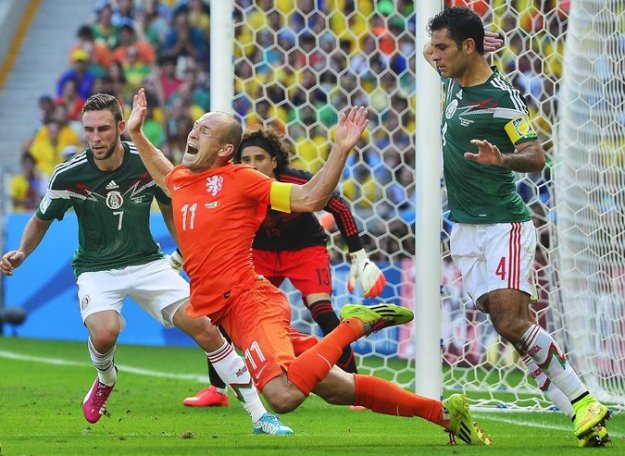
“The Netherlands produced a dramatic late turnaround, meaning Mexico were eliminated in the second round for the sixth consecutive World Cup. Louis van Gaal welcomed back Robin van Persie after suspension, while Paul Verhaegh came into the side as the right-wing-back. Miguel Herrera was forced to cope without Jose Vazquez, who had been excellent throughout the group stage, so Carlos Salcido played the holding role. Mexico were clearly superior until they went ahead, then became too passive and the Dutch rallied to create a number of goalscoring chances.” Zonal Marking
This Time, the Dutch Did Not Capitulate in Fortaleza
“Before it was Fortaleza, it was the Dutch stronghold of Schoonenborch—the beautiful city. This was, it’s true, three hundred and seventy-odd years ago when the West India Company took north-east Brazil from the Portuguese, renamed it New Holland and then lost it again to the original colonialists in 1650s. Not much remains of the Dutch tropical moment in South America—the weirdly hallucinatory paintings of Frans Post, complete with sultry stillness and the occasional tapir. Even the old Pernambuco synagogue, survivors of the Inquisition finding a Dutch refuge in Brazil, got torn down in the last century. For the Dutch there was an acclimatization problem; the Company hard-pressed, over-stretched. And disinclined to put a hand on New Spain to the north. And so it was for much of today’s game: the Dutch battle plan, such as it was, wilting in the brutal heat. Both managers sported ties of their respective colors, though van Gaal’s is more a peach than an orange and as the game went on he wore it with increasing discomfort.” New Republic
Dutch Mount Dramatic Rally With Theatrical Fall
“Mexico’s coach, Miguel Herrera, has become an icon during this World Cup for his impassioned exhortations in front of the team bench. Herrera has stomped and stamped, whirled and whipped, flailed and frothed over everything from referee decisions to near misses to, most notably, goals scored by his players. Among the countless Internet tributes to Herrera is one delightful concoction in which Herrera’s wild gesticulations result in a violent thunderstorm.” NY Times
Colombia 2-0 Uruguay: James Rodriguez steals the show
“Colombia took a while to get going, but never looked in trouble after James Rodriguez’s astonishing strike. Jose Pekerman selected Jackson Martinez, though he played from the left rather than alongside Teo Gutierrez upfront. Oscar Tabarez was without Luis Suarez, as you might have heard…Edinson Cavani moved upfront, and Diego Forlan played the support role. Tabarez stuck with the 3-5-2, so Maxi Pereira returned with Alvaro Gonzalez shifting inside and Nicolas Lodeiro dropped. This was a pretty simple victory – Colombia are a far superior side to Uruguay, and demonstrated that for the first 50 minutes before sitting back.” Zonal Marking
World Cup: Brazil defeats Chile on penalties

“And so the carnival carries on. Brazil, the team which manages to thrill and frustrate almost simultaneously, clinched its place in the quarterfinal of the World Cup following a tension-fueled encounter with Chile. A 3-2 victory on penalties following a 1-1 draw in Belo Horizonte means Luiz Felipe Scolari’s side’s quest to win the World Cup on home soil remains alive. It will now turn its attention to a last eight contest with Colombia — a team which has thrilled so far in this tournament. While Brazil will take the plaudits, Chile should be commended for a performance which at times defied the ability of the human body to run and hustle as its players did.” CNN (Video)
Brazil 1-1 Chile: Brazil progress by the finest of margins
“Brazil won on penalties after an incredibly tense and tiring contest. Luiz Felipe Scolari selected Fernandinho following his good impact in the win over Cameroon, with Paulinho on the bench. Jorge Sampaoli brought back Arturo Vidal after he was rested for the defeat to the Netherlands. The first half was an extremely fast-paced battle of pressing, and that tired both teams for the final 75 minutes, with the quality of football declining rapidly after half-time.” Zonal Marking
World Cup 2014: Brazil Survives Shootout Against Chile
“With the pressure of an anxious nation bearing down on them with each passing minute, the Brazilian players teetered on the brink of a defeat that would have wounded a country’s soul. Brave Chile was refusing to back down, demonstrating to 57,714 howling fans at Estádio Mineirão and millions more watching at homes, restaurants and bars that the team had the nerve to stand up to the mighty host nation through 120 minutes of the most tense and exhilarating soccer seen so far at the 2014 World Cup. After 30 minutes, it looked like the most fast-paced, breathtaking game of the tournament. After 90 minutes, the teams were even, at 1-1, after Chile had controlled play through much of the second half, leaving the Brazilian fans nervous and agitated. Through 30 draining minutes of extra time — which included a thunderous Chilean shot that struck the crossbar in the 120th minute, inches from knocking Brazil out — neither team could take a lead.” NY Times
Brazil shootout hero Júlio César: I have won the country’s trust back
“Júlio César, Brazil’s hero in the penalty shootout win against Chile, reflected on the prize of a World Cup quarter-final and said he felt he had won back the country’s trust after being the scapegoat in South Africa four years ago. Júlio César saved Chile’s first two penalties and referred immediately to his mistake in the quarter-final against Holland at the last World Cup.” Guardian
What we learned in the group stage
“Footballers are known for spouting clichés whenever possible, and when Marcelo was asked to summarise Brazil’s goalless draw against Mexico in the second round of group games, he immediately responded with a classic. ‘At the World Cup,’ he began, ‘there is no easy game.’ Bingo! There are no easy games at the World Cup, despite the fact that some teams are drawing upon the best players in the world, and others are selecting footballers plying their trade in second divisions across Europe. The World Cup sees the greatest players on the greatest stage, but sometimes also features the greatest (apparent) mismatches too. Argentina against Iran? How will the scoreboard cope?” ESPN – Michael Cox
World Cup 2014: group stage, day 15. GERMANY 1-0 USA. PORTUGAL 2-1 GHANA. ALGERIA 1-1 RUSSIA. BELGIUM 1-0 SOUTH KOREA.
“Thomas Muller’s fine goal won the game, but both sides progress. USA narrow. The major tactical feature was the narrowness of the USA without possession, which is something we’ve become accustomed to. Before the tournament it seemed Jurgen Klinsmann was going to play a midfield diamond, and while they’ve switched to more of a 4-4-1-1 formation, they still focus upon defending the centre of the pitch and preventing the opposition playing through the middle, which made sense against a German side boasting multiple playmakers. It also made sense considering the lack of proper full-backs on the German side. Jerome Boateng and Benedikt Howedes are both more accustomed to playing at centre-back, and therefore the USA were content for these players to have the ball.” Zonal Marking
Group stage round-up
“A few brief points to make… 1. The three-man defence has been highly successful so far. A three-man defence has played a four-man defence (at least from the start) on ten occasions. These matches have produced eight victories for the three-man defence, and two draws. A back four is yet to beat a back three. There have been two meetings between three-man defences, Uruguay 1-0 Italy and Netherlands 2-0 Chile. …” Zonal Marking
World Cup 2014: group stage, day 14. ARGENTINA 3-2 NIGERIA. BOSNIA 3-1 IRAN. SWITZERLAND 3-0 HONDURAS. FRANCE 0-0 ECUADOR.
“A gentle, open game with both sides already through. Open feel. This game could have gone in two very different ways. With both happy with a draw, it could have been slow, boring and about both teams avoiding injuries. However, there was a sense both wanted to put on a show, having been underwhelming in their opening two matches, and therefore it was open and entertaining. With two goals inside the first five minutes, it was immediately an enjoyable contest. Messi. Nigeria’s main tactic was to track Lionel Messi extremely tightly. Ogenyi Onazi was usually the man with this responsibility, although sometimes Messi was passed on to the other two midfielders when he drifted around the pitch.” Zonal Marking
World Cup group stage: day 13. URUGUAY 1-0 ITALY. COSTA RICA 0-0 ENGLAND. GREECE 2-1 IVORY COAST. COLOMBIA 4-1 JAPAN.
“… Colombia counter-attacked excellently even with a second-string side. Expected pattern. This was another frustrating performance from Japan – lots of possession, some pretty build-up play, but little in the way of penetration. Even more than usual, they needed to commit men forward to increase their attacking threat, so inevitably left gaps at the back for Colombia to break into, with Juan Cuadrado – the only first-choice attacker not rested – having another excellent game. The only genuinely interesting factor was the positioning of Alexander Mejia, who on paper was a midfielder, but stuck so tightly to Japan’s number ten Keisuke Honda – who was determined to move forward to become a second striker – that he basically became a third centre-back. It meant Colombia retained a spare man at the back, and were generally comfortable despite having to withstand lots of pressure.” Zonal Marking
Messi, Sabella now in tactical tandem
“It’s a peculiar lark, this football management. Use a system that doesn’t suit your best players, and you’re considered an inflexible ideologue. Tweak your system to get the best players in the role they’re happiest, and you’re criticised for having no backbone. Argentina manager Alejandro Sabella and his captain, Lionel Messi, have been criticised this week, after Sabella supposedly bowed to Messi’s demands for the game against Iran. Having played a 5-3-2 system in their opening match against Bosnia, Sabella switched to a 4-3-3 for the Iran contest. It’s tough to work out which criticism is sillier — the idea that Sabella is weak for listening to Messi, or the idea Messi was unprofessional for pointing out the obvious. The reality is simple: Argentina’s use of a 5-3-2 against Bosnia was the managerial cock-up of the tournament so far.” ESPN – Michael Cox
World Cup 2014: group stage, day 12. NETHERLANDS 2-0 CHILE. SPAIN 3-0 AUSTRALIA. MEXICO 3-1 CROATIA. BRAZIL 4-1 CAMEROON.
“… Mexico would have been happy with the draw – but were the better side for long periods, and deserved the victory. Croatia wingers v Mexican wing-backs. This was always likely to be the key battle, considering both Mexico’s previous opponents had problems containing their wing-backs. But the Croatian wingers had been extremely impressive in terms of their work rate and discipline in this tournament, and had constantly looked the most likely players to find the target. Could they pin back the Mexico wing-backs, or find space in behind them?” Zonal Marking
World Cup 2014: group stage, day 11. BELGIUM 1-0 RUSSIA. ALGERIA 4-2 SOUTH KOREA. USA 2-2 PORTUGAL.
“… A very exciting game – USA dominated for the majority, but conceded a very late equaliser, meaning all Group G sides can still qualify. Portugal left / USA right. There were various changes to the sides for this game – Portugal’s backline was decimated through injury, while Jurgen Klinsmann switched to a 4-2-3-1 in the absence of Jozy Altidore, with Clint Dempsey upfront alone. Incidentally, this is probably what should have happened after Altidore’s injury against Ghana, and USA played much better football in this match, even if they didn’t eventually record a victory. But this game was basically all about the battle in one area of the pitch, as always with Portugal’s matches. Usually Cristiano Ronaldo starts on the left flank and cuts inside onto his right foot before shooting. The starting structure of Portugal’s side suggested this was the plan again, but Ronaldo played an even freer role, appearing as something of a second striker for the latter period of the second half, before eventually becoming Portugal’s highest man up the pitch. The left-wing position was left bare.” Zonal Marking
World Cup 2014: group stage, day 9. COSTA RICA 1-0 ITALY. FRANCE 5-2 SWITZERLAND. Ecuador 2-1 Honduras.
“… The highest-scoring game of the tournament so far – France were 5-0 up thanks to some brilliant counter-attacking, before switching off late on. France counter-attack into wide areas. This was a comfortable win, and much like Colombia’s victory over Ivory Coast yesterday, it followed a rather simple pattern. The defeated side determinedly pushed their full-backs high up the pitch to overlap and get crosses in, but this left the defence exposed to rapid counter-attacking into the gaps they left behind. This is becoming something of a theme at this World Cup.” Zonal Marking
World Cup 2014 group stage: day 8. COLOMBIA 2-1 IVORY COAST. URUGUAY 2-1 ENGLAND. JAPAN 0-0 GREECE.
“A good game contested mainly in the wide areas, with the Ivory Coast full-backs overlapping and the Colombian wingers counter-attacking in behind them. Ivory Coast full-backs forward. This match was enjoyable throughout, but the tactical battle was very basic. Like in their opening match, the Ivory Coast tried to get their full-backs forward whenever possible, completely restructuring their system in order to get Arthur Boka and Serge Aurier high up the pitch. A couple of times, this meant that both Serey Die and Cheick Tiote dropped into the defence, to form a four-man backline along with the two centre-backs, while the full-backs pushed into the opposition half.” Zonal Marking
Spain undone by their own revolution

“It has been eight long years since Spain were last eliminated from a major international tournament. A 3-1 defeat to France in World Cup 2006 ensured Spain retained their status as Europe’s biggest bottlers, with no hint they were about to become the world’s most successful side — arguably in the game’s history. Amazingly, no fewer than seven players in the starting XI that day — Iker Casillas, Sergio Ramos, Xavi Hernandez, Xabi Alonso, Cesc Fabregas, David Villa and Fernando Torres — were in Spain’s squad for this World Cup, too. That summarises how Spain were simply too old, too tired. Nevertheless, some of the other names from the 2006 side indicate how far Spain have progressed. Mariano Pernia? Pablo Ibanez? They’d also been eliminated from Euro 2004 in embarrassing circumstances, against close rivals and hosts Portugal, failing to progress from the group stage.” ESPN – Michael Cox
Spain’s reign ends with a whimper after six years of dominance
“To watch the collapse of Spain, eliminated from the World Cup after a 2-0 defeat to Chile, was to be reminded of Hemingway’s comment on bankruptcy. The end came gradually, and then suddenly. Over the past couple of years, slight signs of vulnerability have appeared, in the 3-0 loss to Brazil in the 2013 Confederations Cup final and in surprising defeats in friendlies, which perhaps shouldn’t have been blamed as readily as they were on weariness brought on by the Spanish federation’s determination to flog its champions around the world in search of lucre. Players aged, hunger waned, doubts crept in.” SI – Jonathan Wilson
Fearless Chile end Spain’s reign
“Chile supporters made the most of Rio — indeed, a ticket-less band of them literally invaded the Maracana stadium before the game, charging in through the press entrance in a bid to watch their team. On the morning of the game in the streets of Copacabana, when groups of Chileans ran into each other they would clap and shout out that they were going to send Spain back home — and they seemed to believe it. Such is the faith in the side led by electric little coach Jorge Sampaoli, who seems to run on batteries as he paces up and down the touchline.” ESPN – Tim Vickery
Mighty Spain Goes Out of the World Cup Meekly
“The chants at the game between Spain and Chile began slowly, first from one side of Estádio do Maracanã, then from the other. By the time the final minutes had ticked off the clock Wednesday, tens of thousands of fans had joined in. ‘El-im-in-a-do! El-im-in-a-do!’ — eliminated — said those fans, who were leaping so wildly in their red shirts that they made the stands look like a supersize swath of roiling scarlet cloth. But those fans were not wearing the red jerseys of Spain, the defending World Cup champion and two-time European champion. They were wearing the red shirts of Chile, which eliminated Spain from this tournament in the first round, after Spain had played two games. No past World Cup defending champion had been knocked out of the tournament so quickly.” NY Times
World Cup 2014: group stage, day 7. NETHERLANDS 3-2 AUSTRALIA. CHILE 2-0 SPAIN. CROATIA 4-0 CAMEROON.
“… Spain’s incredible run of success is over – they were pressed into submission by a terrifyingly energetic Chile side. Pressing with caution. Spain suffered in the first game because of the Netherlands’ intense pressing, and therefore it was obvious approach Chile would take. They switched system to replicate the Dutch 3-4-1-2, taking out their number ten Jorge Valdivia, with Francisco Silva coming into the side at the back. Chile are better at pressing than any other international side, and from the outset showed their usual high-intensity approach, closing down Spain in midfield extremely quickly.” Zonal Marking
World Cup 2014: group stage, day 6. BELGIUM 2-1 ALGERIA. BRAZIL 0-0 MEXICO. SOUTH KOREA 1-1 RUSSIA.
“… The second goalless draw of the tournament – but much more enjoyable than the first. Brazil defensive shift. As predicted in the preview, Brazil brought in a midfielder for an attacker, a shift they make in almost every major tournament. Ramires replaced Hulk – fitness concerns played a part, but Hulk insisted he was fit, and either way, Felipe Scolari chose a hard-working shuttler in Ramires, rather than a proper attacker like Bernard or Willian. It was clear defensive shift. This was partly to contain the runs of left-wing-back Miguel Layun, who had impressed against Cameroon. Ramires marked Layun when the ball was on that flank, but moved inside and was closer to Andres Guardado when the ball was on the opposite side. In a purely defensive sense it worked reasonably well – Layun was much less involved, and only notable for a couple of wayward long-range shots.” Zonal Marking
World Cup 2014: group stage, day 5. GERMANY 4-0 PORTUGAL. IRAN 0-0 NIGERIA. USA 2-1 GHANA.
“… A highly entertaining match – Ghana dominated. but the USA scored very early, and then very late. US lead, Ghana attack. Clint Dempsey scored a fine goal inside a minute, and therefore Ghana were immediately forced to dominate in an attempt to score an equaliser. Ghana’s problem over the past half-decade has been their inability to break down a packed defence. They’re excellent on the counter-attack, with fast, mobile players who make good decisions on the break, but this was another example of their one-dimensional play. They were always in control of possession but their players simply aren’t suited to coming from behind – they need the opposition to come onto them.” Zonal Marking
World Cup 2014: group stage, day 4. Switzerland 2-1 Ecuador. France 3-0 Honduras. Argentina 2-1 Bosnia.
“… Argentina 2-1 Bosnia. Alejandro Sabella made the competition’s biggest tactical error so far with his use of a 3-5-2, but he had the intelligence to correct it at half-time. Argentina shape. This match was basically all about Argentina’s formation. Throughout qualification they had one of the most settled sides and formations around, and while they sometimes played a 3-5-2 / 5-3-2 system, this was only away from home, often when playing at altitude. It was a highly defensive plan B. It was very strange, then, that Sabella decided to use that system in Argentina’s opening game.” Zonal Marking
World Cup 2014: Group Stage, Day 3. COLOMBIA 3-0 GREECE. COSTA RICA 3-1 URUGUAY. ITALY 2-1 ENGLAND. IVORY COAST 2-1 JAPAN
“4-2-3-1 and lots of width. The team news was significant, because Colombia coach Jose Pekerman chose to use a 4-2-3-1 rather than the 4-2-2-2 he often fielded throughout qualification. This meant James Rodriguez shifted inside from the left to play as the number ten, with Juan Cuadrado on the right and Victor Ibarbo brought into the side to play on the left. This meant Colombia had a very defined structure, with a creative number ten and two speedy wingers, and these three were the crucial players in Colombia’s victory.” Zonal Marking
World Cup 2014: group stage, day 2. NETHERLANDS 5-1 SPAIN. MEXICO 1-0 CAMEROON. CHILE 3-1 AUSTRALIA.

“… A truly extraordinary game of football – Spain took the lead, but the Netherlands repeatedly breached their high defensive line and recorded a historic victory. High lines. This match was all about high defensive lines, a concept that has become a key part of both Spanish and Dutch football – the two are strongly linked, of course. At the last World Cup, barely any teams were brave with the positioning of their defensive line, instead sitting deep and allowing space in front of their defensive block. Here, the space wasn’t in midfield, where no-one had time to put their foot on the ball, but instead in behind the opposition.” Zonal Marking
Brazil 3-1 Croatia

World Cup 2014: group stage, day 1
“The World Cup opener was an exciting game, with Croatia taking an early lead and playing well throughout – Brazil were flattered by the two goal-victory. Crossing. The key feature of the match, and a rather surprising one, was the frequency of crossing. That wasn’t something we expected – Brazil usually field inverted wingers cutting inside to shoot, whereas Croatia hold the ball for long positions in central midfield. But in the first half, both sides crossed the ball regularly. One obvious cause was the format of Brazil’s attackers. Oscar is usually central, with Neymar left and Hulk right. But Scolari changed this completely, with Oscar wide-right, Hulk wide-left and Neymar playing as a support striker, effectively an inside-left. This was probably because Scolari knew Croatia lack a recognised holding midfielder, using two silky passers in that zone instead – so he knew Neymar would get plenty of space between the lines.” Zonal Marking
World Cup Tactical Analysis: Brazil 3-1 Croatia
“The curtain raiser to the grandest tournament of the year took place on the 12th of June at Sao Paulo, with the hosts and hot favourites Brazil taking on Croatia. With all the feverish build up to this game, many were expecting a Brazil romp, but things didn’t really go as planned, as Croatia coach Niko Kovac set his team up to make things very difficult for the Brazilians. Thankfully, the game didn’t suffer as a spectacle, with both teams fighting hard and playing with a great intensity to ensure a positive start to the tournament.” Outside of the Boot
Croatia seething after bitter defeat
“Hysteria — there’s no better word to describe how the morning after the night before looks in Croatia. The Vatreni lost 3-1 to Brazil in the World Cup opener despite putting on a decent performance and, for the vast majority of those who cared to express their opinion, there is no doubt whatsoever who was to blame for the defeat. Referee Yuichi Nishimura is the name’s on everyone’s lips — barely anyone opted for a rational analysis of how Croatia played, instead focusing on the Japanese’s officiating of the match. The Croatia press was incandescent with rage as each media outlet dissected the evening.” ESPN
Neymar makes his mark but like Brazil fails to convince against Croatia
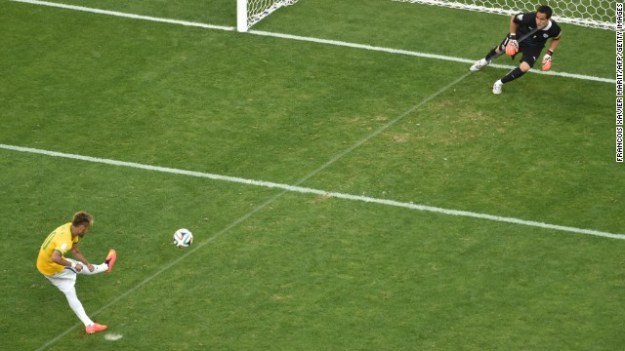
“He was the first Brazilian to score (at the right end) at the World Cup, the first Brazilian to be booked in the World Cup and he also scored a decisive penalty. He trotted round in a corona of attention, always demanding the ball, taking every corner and free-kick, the demands of his country that he should win them the World Cup apparently loud in his ears. Yet this wasn’t a convincing performance, either from Neymar or Brazil.” Guardian – Jonathan Wilson
Relief for Brazil after flawed victory
“Brazil’s World Cup is one of the most ineptly organized major sporting events in history. It might yet prove to be the worst. Its inconveniences have been overshadowed only by its tragedies. Construction workers have died. Stadiums and infrastructure are incomplete. The field in Manaus, a first-order criminal folly, looks like something a beer league wouldn’t play on. The airports and streets are overwhelmed. (If you have a friend in Brazil and you want to know what he’s up to right now, he’s waiting in some kind of line.) Officials have warned visitors not to be out after midnight, that roving bands of muggers have been invading restaurants, that street violence is as inevitable as the sunshine. Long before the start of Thursday’s kickoff between Brazil and Croatia, the concessions at Arena de Sao Paulo had run out of food, the wireless had gone down and the too-few elevators weren’t working properly. Eighteen minutes after the first whistle, a large bank of lights went out.” ESPN
Brazil: organised, structured, and the favourites
“There has never been more pressure on a side to win a World Cup: the hosts are always expected to exceed expectations, but the expectation in Brazil is always to win. Following two disappointing quarter-final exits in 2006 and 2010 – and let’s not forget, Brazil started both those tournaments as favourites – another failure won’t be tolerated. In re-appointing Luiz Felipe Scolari, the World Cup-winning coach from 2002, Brazil find themselves with a fine manager capable of working, and thriving, under such great pressure. While judgement of his performance will be entirely dependent upon what happens in the next month, he’s performed an extremely good job so far.” Zonal Marking
Spain: can they keep their incredible run going?
“Spain’s current run of success is unprecedented – two European Championships, with a World Cup between. When you consider their distinctive playing style, and the way they’ve taken possession football to the extreme, they’re unquestionably one of the greatest international sides in history. They are, however, more vulnerable than in previous years. That’s because key players have declined since Euro 2012. While others have been in and out of the side, Xavi Hernandez and Andres Iniesta have been the two midfield stars consistent throughout Euro 2008, World Cup 2010 and Euro 2012. They’re the personification of Spain’s Barcelona-based tiki-taka game, and together they had their least impressive season for years. At his best, Xavi controlled matches better than any midfielder in the world, maybe better than any midfielder ever has, but now there are questions about his mobility and capacity to lead this side. Iniesta’s season at club level was disappointing, but he always delivers at international tournaments, and for the first time it is Iniesta, not Xavi, who must become Spain’s technical leader.” Zonal Marking
Germany: need the right combination upfront
“Germany have reached at least the semi-finals of the last four major international tournaments without winning any. Frankly, it’s about time that changed. It’s worth remembering Germany went into the 2010 World Cup with many key players relatively unknown outside of Germany. The likes of Mesut Ozil, Thomas Muller, Jerome Boateng, Manuel Neuer and Sami Khedira were very raw, yet were rightly thrown in at the deep end and proved extremely capable. By Euro 2012, Jogi Low could add Mario Gotze, Marco Reus and Andre Schurrle. Now, he can add Julian Draxler.” Zonal Marking
Portugal: the same as usual
“Even if you haven’t seen Portugal play since Euro 2012, you’ll still know the team pretty well. Portugal always have roughly the same style, roughly the same strengths and weaknesses, and roughly the same chance of winning the competition. It’s no different this time around. Portugal’s starting XI for World Cup 2014 is extremely similar to their starting XI for Euro 2012, and it’s a familiar story – solid defence, talented central midfield, dangerous wide players, no prolific striker.” Zonal Marking
Algeria: young and mobile
“Anyone who remembers Algeria’s performance at the last World Cup won’t be excited to see them this time around. Algeria were extremely disappointing in terms of both quality and entertainment, and arguably contributed less to the World Cup than any other side. Four years later, however, they’re a more exciting prospect. Coach Vahid Halilhodzic has the side well organised, but also committed to playing good attacking football, with plenty of movement amongst the front three, and a mobile, young and technically proficient midfield trio too. Algeria are receiving less attention than the other four African sides in this competition, probably because of the lack of star names – but they’re actually the highest-ranked African side in the latest FIFA rankings.” Zonal Marking
USA: a diamond midfield
“While 4-2-3-1 remains the dominant formation, there’s a decent amount of tactical variety on show at this World Cup. The United States are expected to add to this variety by using a diamond midfield, which might be unique among the 32 teams. Jurgen Klinsmann has spent recent weeks telling the press that the formation doesn’t matter, but the switch to the diamond in April’s 2-2 friendly draw against Mexico was a significant move, and was designed to bring the best out of the USA’s outstanding player, Michael Bradley.” Zonal Marking
The group stage’s biggest battles
“The group stage of the World Cup is nearly upon us — 48 matches in eight groups, from 12 venues, spread across 15 days. It can all be a little overwhelming, so here’s a group-by-group preview of the key battles between teams, managers and players.” ESPN – Michael Cox(Video)
Cameroon: need to get the midfield balance right
“With Cameroon, off-field issues are of greater concern than tactical factors. They always have some kind of problem in terms of organisation, and it was no great great surprise when a row about bonuses threatened to take over again. There have also been problems between Samuel Eto’o and Alex Song, Cameroon’s star players, in the past. Following an extremely unconvincing qualification campaign, where Cameroon suffered from infighting, had three different coaches and only escaped elimination because Togo were found guilty of fielding an ineligible player, it was difficult to see any hope for them at this World Cup. A recent 2-2 draw with Germany suggests all is not lost, however.” Zonal Marking
A central defensive decline?

Thiago Silva
“Major international tournaments are generally underwhelming in terms of attacking football, with managers preferring to play cautiously, keep it tight at the back and then spring quick counter-attacks. This approach, which we can expect at the 2014 World Cup, has delivered more cautious, subtle defending — to the point where some may question where all the highlight-reel worthy tackles among centre-backs have gone.” ESPN – Michael Cox
European Team of the Season, 2013/14
“The final post of a very enjoyable 2013/14 domestic campaign – the usual XI (and back-ups) of the season. Usual team-by-team previews of this summer’s World Cup contest will commence shortly…” Zonal Marking (Video)
Tactician’s Corner: Atlético runs out of steam in heartbreaking CL loss to Real Madrid

“Finals don’t often come down to pretty football, especially those that go into extra time. That doesn’t mean the tactical battles are any less compelling, as Real Madrid’s 4-1 win in the Champions League final over Atlético showed. Both managers made strange decisions in their starting lineups. Diego Costa, supposedly fit after his horse-placenta hamstring treatment, didn’t even last 10 minutes for Atlético, while Sami Khedira played a rather ineffective hour in just his third appearance for Real since recovering from a serious knee injury.” SI
Atlético reaches its breaking point as Real Madrid claims La Decima
“It turns out there was a breaking point for Diego Simeone’s magnificent Atlético Madrid side, and it came with 10 minutes of extra-time remaining. The club had won La Liga and was within two minutes of winning a first ever Champions League. Even after conceding to Sergio Ramos, there was still a chance it could cling on through extra-time for penalties, but once Gareth Bale had headed Real Madrid into the lead, it collapsed — physically and emotionally shattered. Marcelo’s late drive and Cristiano Ronaldo’s even later penalty added an unrepresentative one-sidedness to the scoreline, but there was no shame in defeat.” SI – Jonathan Wilson
Real Madrid 4-1 Atletico Madrid (aet): Tactical Analysis | Game changing substitutions from Carlo Ancelotti
“The Champions League is always a very exciting competition, but this season provided a few more edge of the seat encounters than most others. After a season of incredible football from many teams across Europe, we got to the final in Lisbon last night, which like almost every other game in this season, was exciting from start to finish. Atletico as always, worked had, fought till the end, and made things very difficult for the opposition, but at the end of the day, the sheer determination and energy from Real made the difference, as the Galacticos 2.0 made history by reaching La Decima.” Outside of the Boot
Sizing up the Real vs. Atletico tactical battle
“Big clubs have a nasty habit of ruining their little city rivals’ celebrations. When Everton finished above Liverpool for the first time in years back in 2005, beating them to the final Champions League spot, the Reds went out and won the European Cup. When Manchester City’s 35-year wait for a major trophy ended with their 2011 FA Cup final win, Manchester United clinched the Premier League title on the same day.” ESPN – Michael Cox
Tactical trends of 2013-14 Premier League season
“The Premier League isn’t generally considered a division that places a great emphasis upon tactics, but this season was different. With a variety of new managers in place, there were some genuinely fascinating developments, particularly in terms of formations. Here’s a tactical review of the 2013-14 campaign.” ESPN – Michael Cox (Video)
Three Things: Fulham vs. Hull
“Reaction to Fulham and Hull’s 2-2 draw in the Premier League. 1. Magath pays for his initial caution. On paper, Fulham appeared as if they were replicating Hull’s back three, with Felix Magath’s side featuring three natural centre-backs plus John Arne Riise and Sascha Riether, both buccaneering wing-backs.” ESPN – Michael Cox
Liverpool 0-2 Chelsea: Chelsea play ultra-defensively but win the game

“Chelsea scored breakaway goals in stoppage time at the end of both halves. Brendan Rodgers named an unchanged side from the nervous win at Norwich last week. Jordan Henderson was still suspended, Daniel Sturridge fit only for the bench. Jose Mourinho named a heavily changed side, preserving his best players for the return match against Atletico in midweek. Chelsea’s defensive performance was highly effective, and Demba Ba capitalising on Steven Gerrard’s error meant they were able to continue with this strategy into the second half.” Zonal Marking
Title Hopes Dented, Not Destroyed
“Expecting to win a 12th game in a row is perhaps the new definition of insanity. We had to wake up sooner or later, eh? Still, it’s quite nice to wake up and find ourselves still top of the table. Man City may now be favourites, but they have to win their game in hand, and that’s not a foregone conclusion in a season of twists and turns. It’s fair to say that Chelsea had every right to play the way they did; although Jose Mourinho presumably can’t accuse anyone else of playing like it’s the 19th century or parking the bus.” Tomkins Times
Liverpool 3-2 Manchester City: Liverpool start superbly, City respond after the break
“Philippe Coutinho’s late goal handed Liverpool a crucial victory in a superb match. Brendan Rodgers named his expected XI, which meant Joe Allen – often an option in big games – only on the bench. Manuel Pellegrini played Gael Clichy ahead of Aleksandar Kolarov because of his his defensive discipline, and decided Sergio Aguero wasn’t fit enough to start the game, so continued with a 4-2-3-1 and Edin Dzeko upfront alone. This was the classic game of two halves – Liverpool were dominant in the first period, Manchester City were superior after the break.” Zonal Marking
Steven Hero: Liverpool–Man City, the Premier League Title, and Tears of Joy
“In what lived up to its ‘Game of the Year/Century/Epoch’ billing, Liverpool beat Manchester City 3-2 at Anfield. Raheem Sterling toyed with City’s defense, tilting the field with a swivel of his hips, and suddenly looking like the next great attacking midfielder in a game filled with guys who already are. After another flurry-of-punches first half from Liverpool put them up 2-0, City — without Yaya Toure, who went off injured in the first half and might be done for the season— flipped the game back to even and nearly past it, thanks to the introduction of the brutalist architecture that is James Milner and David Silva deciding to remind Sterling that, yo, you can play this position without all that running. …” Grantland
Liverpool 3-2 Manchester City: Tactical Analysis
“It’s not often that you have Liverpool playing at Anfield, with just four weeks of football left, and have them in the title race. It’s not often that Steven Gerrard sheds a tear after the game. The occasion got the better of the captain, as Liverpool overcame their close rivals Manchester City in the title race, and took a huge step forward towards realising that dream.” Outside of the Boot
Bayern Munich 3-1 Manchester United: Guardiola uses his full-backs in midfield, but Bayern better with a standard system
“Pep Guardiola played an unusual system, but it didn’t help Bayern break down Manchester United. Guardiola fielded Toni Kroos in the pivot role, with Thomas Muller in midfield and Mario Mandzukic returning upfront. David Moyes brought Shinji Kagawa and Darren Fletcher into his midfield, and recalled Patrice Evra and Chris Smalling at the back. The pattern of the game wasn’t significantly different from the first leg, and the major talking point was Guardiola’s use of his two full-backs.” Zonal Marking
Bayern Munich 3-1 Manchester United: Tactical Analysis | Guardiola’s smart use of Lahm & Alaba
“Bayern Munich came into the game at Allianz Arena as clear favourites having been slightly disappointed with just a 1-1 draw at Old Trafford. A 0-0 would have been enough, but certainly Bayern Munich were always going to go for the win. Man United knew they had to score atleast once to stand a chance of progressing, a task in itself. Despite a dominating performance from Bayern, the sides went in 0-0 at half time. Patrice Evra gave United a surprise lead early in the second half, only for it to be tied again 22 seconds later as Mandzukic equalised. Goals from Muller and Robben saw Bayern comfortably through to the semi-finals with the final score being Bayern Munich 3-1 Manchester United.” Outside of the Boot
Cavani’s chance to be the main man

“In the modern era, the importance of shirts numbered 1-11 has unquestionably declined, but it’s still pleasing to see combinations of players wearing traditional numbers: a left wing comprised of a no. 3 and a no. 11, for example, or a centre-back combination of 5 and 6. When PSG signed Edinson Cavani last summer, he was unveiled clutching the no. 9 shirt; traditionally the one worn by the main central striker. Zlatan Ibrahimovic, PSG’s other world-class striker, wears 10 (having initially worn 18 until Nene’s departure).” ESPN – Michael Cox (Video)
Everton 3-0 Arsenal: Everton maintain their challenge for fourth place
“Everton outfoxed Arsenal with a surprise strategy and some clever movement. Roberto Martinez wasn’t able to welcome back Phil Jagielka, but John Stones has been excellent as his replacement. Ross Barkley was left out, with Leon Osman favoured – but Osman barely lasted ten minutes before getting injured, and Barkley replaced him. Arsene Wenger is without the preferred left side of his defence, as well as Mesut Ozil, Jack Wilshere and Theo Walcott. Aaron Ramsey was on the bench after three months out, alongside Alex Oxlade-Chamberlain, who had been expected to return. Everton have often won games late on this season, but here they took command in the first half and sealed the contest on the hour mark.” Zonal Marking
Barcelona 1-1 Atletico: a predictable pattern, and two great goals
“Atletico and Barcelona played out their fourth draw of the 2013/14 campaign – with two crucial meetings still to come… Tato Martino selected his expected side for this match: his ‘big game’ shape with Cesc Fabregas in midfield, Andres Iniesta out on the left and Neymar on the right. Gerard Pique didn’t last the first half, and was replaced by Marc Bartra. Diego Simeone also named his expected side, and Atletico also suffered from an injury. Diego Costa was doubtful before the game and pulled up midway through the first half. He was replaced by Brazilian playmaker Diego, who played behind David Villa.” Zonal Marking
David Moyes’ simple tactic helps Manchester United match Bayern
“Midfield? Who needs a midfield anyway? In fact who needs the ball at all? For 66 minutes at Old Trafford it looked as though David Moyes might have mustered one of the more defiantly retro tactical triumphs of recent years. On a night that began slowly but built to a second-half barrage of rolling noise, Manchester United produced an intriguingly old-school performance of condensed, fast-breaking, midfield-bypassing football, the kind of football that might have come served up drizzled with horseradish and spritzed with gravy and labelled modern British with a twist.” Guardian
Bayern Munich stretched by Danny Welbeck’s pace for Manchester United
“When Manchester United’s starting XI was revealed around an hour before kick-off, there was confusion about whether David Moyes had selected a 4‑5‑1 formation with Wayne Rooney up front and Danny Welbeck on the left, or a 4‑4‑1‑1 with Rooney behind Welbeck. In the end, United actually played a hybrid of the two systems, and Welbeck’s positioning was the key to this tactical battle.” Guardian – Michael Cox
Arsenal 1-1 Manchester City: all the attacking down the same flank
“Arsenal and Manchester City played out an enjoyable 1-1 draw. Arsene Wenger was still without Laurent Koscielny and Alex Oxlade-Chamberlain had a knock, so Thomas Vermaelen continued at the back and Lukas Podolski returned to the side. Manuel Pellegrini’s Manchester City side were unchanged from the side that won convincingly at Old Trafford in midweek. City started well and took the game to Arsenal, but the home side responded and looked more likely to score at 1-1.” Zonal Marking
Arsenal 1-1 Manchester City: Tactical Analysis
“A crucial game for both teams, with Man City needing to win to go top after Chelsea losing at Palace, and Arsenal needing three points to maintain their chase for 4th, which has recently been blown open, with Everton picking up 12 points out of their last six games, and Arsenal just 8. Both teams enter the game on the back of a contrast in results, City brushing aside local rivals in a game where other than brief periods they looked very unlikely to lose, easily dominating in central areas against a frustrated United who struggled to penetrate. Arsenal drawing with Swansea, after the humiliating game against title contenders Chelsea, meaning losing the game would surely rule out any chance of winning the league.” Outside of the Boot
Chelsea 6-0 Arsenal: Chelsea’s pressing wins the game within 20 minutes

“Jose Mourinho recorded his biggest league victory as Chelsea manager with a crushing win over Arsenal. Mourinho continued with Samuel Eto’o upfront rather than Fernando Torres – Eto’o only lasted 10 minutes, but scored the opener. In midfield, Mourinho was without Ramires and Willian, both suspended – he left out Frank Lampard and played David Luiz in the centre of midfield alongside Nemanja Matic. Arsene Wenger named the same side that defeated Tottenham the previous weekend. This game was done and dusted within the first quarter – Chelsea were 3-0 up, Arsenal were one man down, and the rest of the game was simply a question how how many Chelsea would score.” Zonal Marking
Poor Ox: Arsenal-Chelsea and the Mistaken-Identity Red Card
“Poor Alex-Oxlade Chamberlain. When you have a 15-minute stretch as poor as the one the Arsenal midfielder had against Chelsea on Saturday, you usually at least get to disappear afterward. A turnover leading directly to a goal, getting caught out of position up the field for a second, and then a (possibly harsh) red card for handling the ball on the line for a third goal is about as bad as it gets. After a quarter of an hour like that, a player’s only relief is that at least he gets to fade away, out of the limelight, back in the dressing room after being sent off. Poor Ox was denied even that.” Grantland