
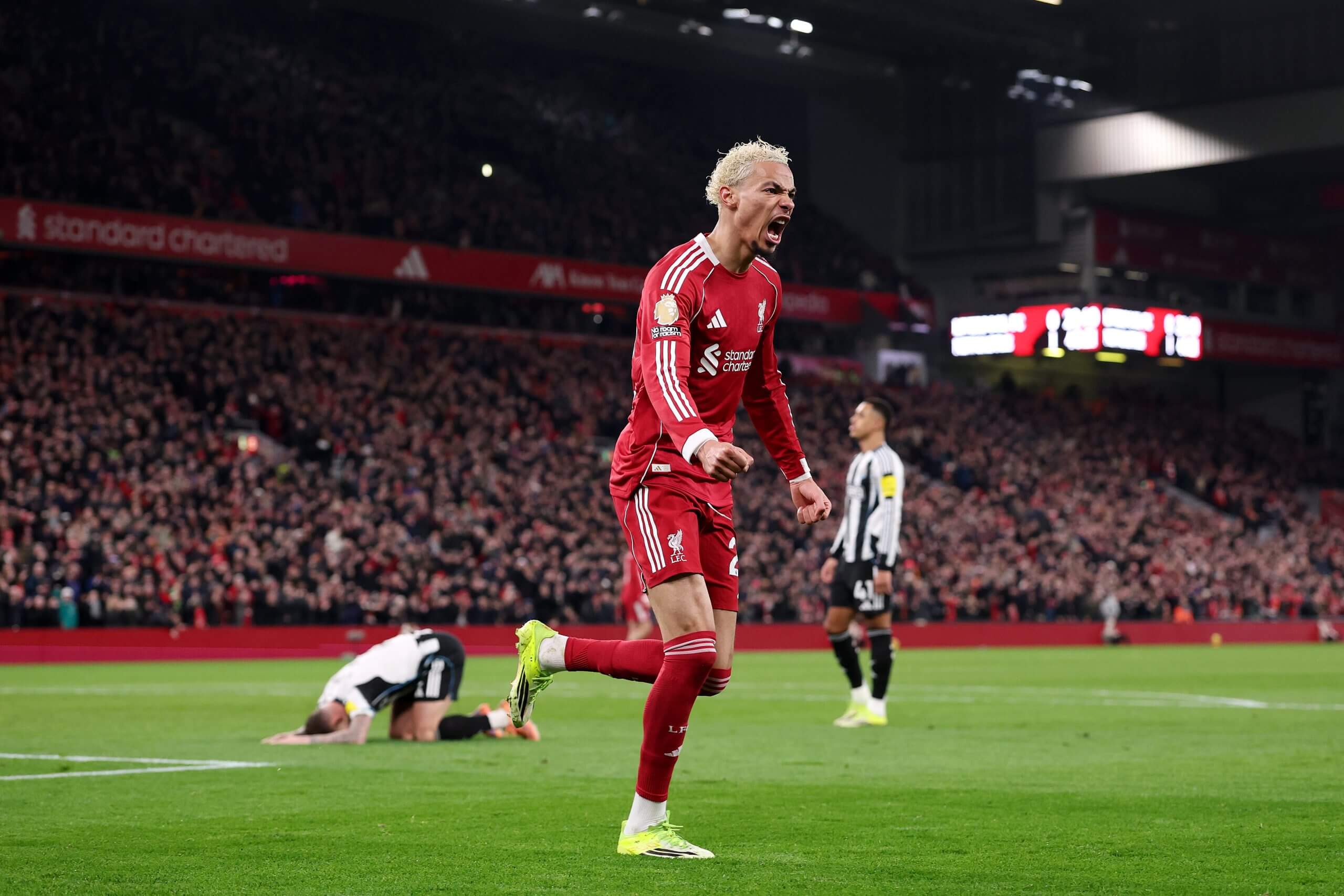
Hugo Ekitike scored twice as Liverpool defeated Newcastle
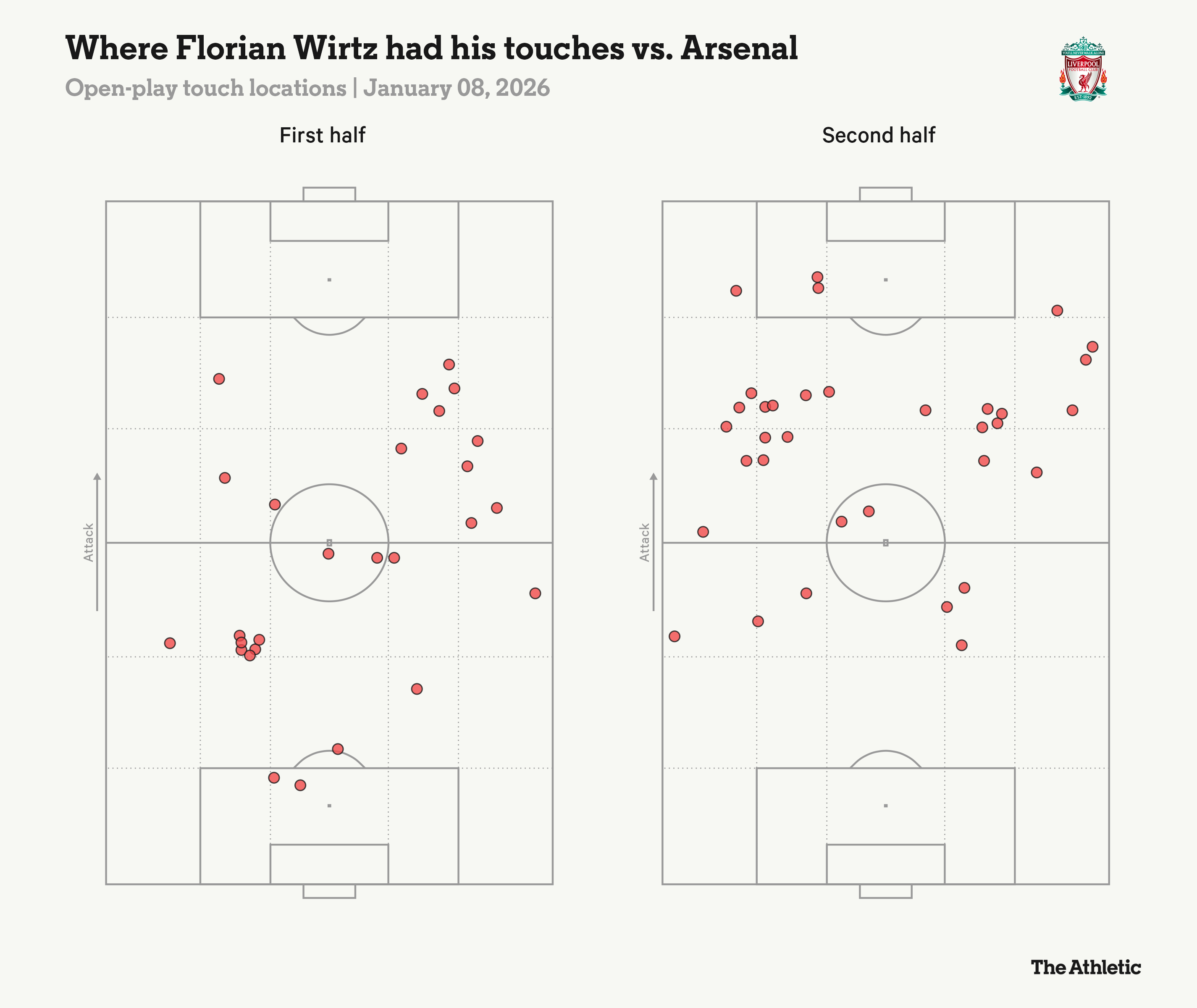
“Liverpool came from behind to defeat Newcastle United at a raucous Anfield. Arne Slot’s side had not won in 2026, a run of five Premier League games. After losing at Bournemouth last weekend, they seemed to be sliding back to their grim form of the autumn. This performance, inspired by Hugo Ekitike and Florian Wirtz, has lifted the mood on Merseyside. For the first 30 minutes, though, an anxious home crowd appeared to be witnessing another disappointing performance. Newcastle began the game brilliantly, launching a series of rapid attacks. Harvey Barnes had already hit the post from a cleverly worked free kick when Newcastle took the lead, Anthony Gordon shooting low under Milos Kerkez’s challenge and past Alisson. Liverpool levelled just five minutes later, when Wirtz glided away from challenges and set up Ekitike for a sharp finish. …”
NY Times/The Athletic
YouTube: Liverpool v. Newcastle United | PREMIER LEAGUE HIGHLIGHTS
Liverpool 4 Newcastle 1 – Ekitike’s magic two minutes, Gordon a striker and Konate’s emotional return
Leave a reply
 “… Striker Omar Bogle, who plays for Crewe Alexandra in League Two, is recalling to The Athletic the frightening moment last year when he became addicted to sleeping pills and painkillers. He initially started taking the pills after suffering a back fracture during pre-season in the summer of 2024. Bogle described the back fracture as the worst pain he’d ever felt. In agony and struggling to sleep, he turned to sleeping pills and, similarly to the painkillers he was taking, at the beginning, he found them helpful. …”
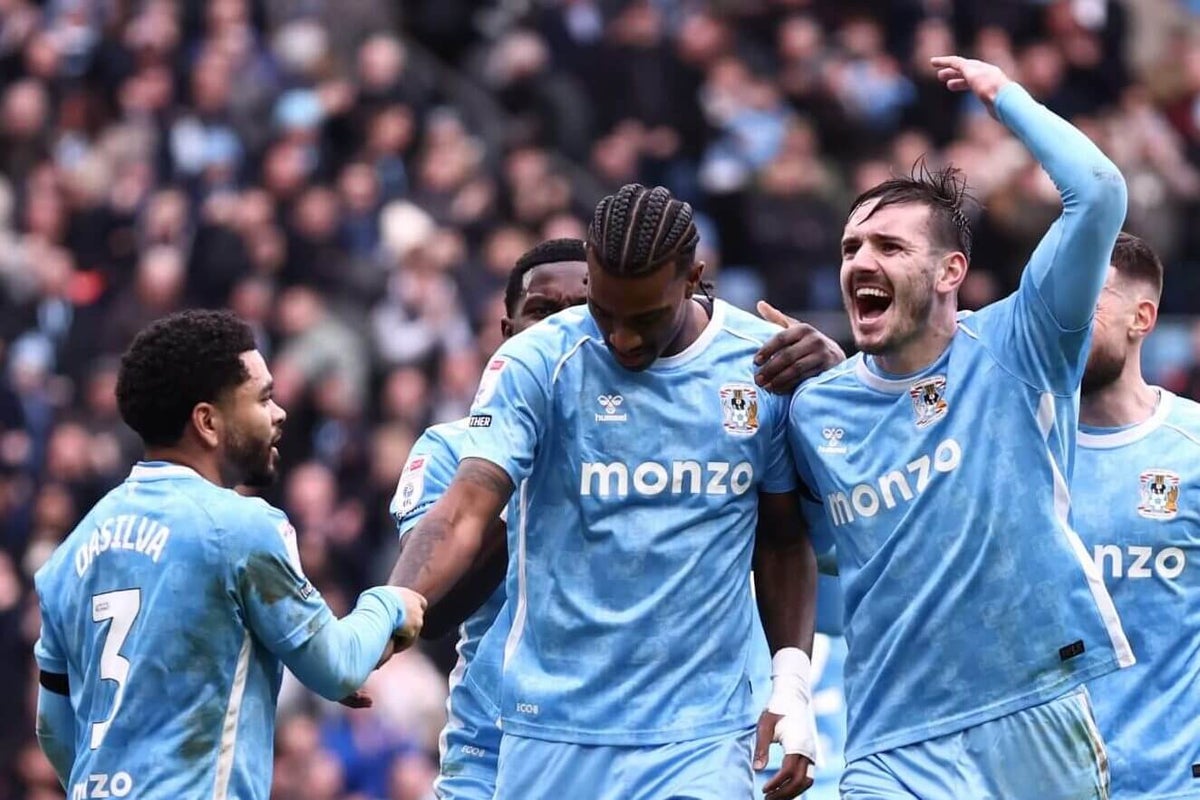 Coventry players celebrate during their Championship win over Leicester this month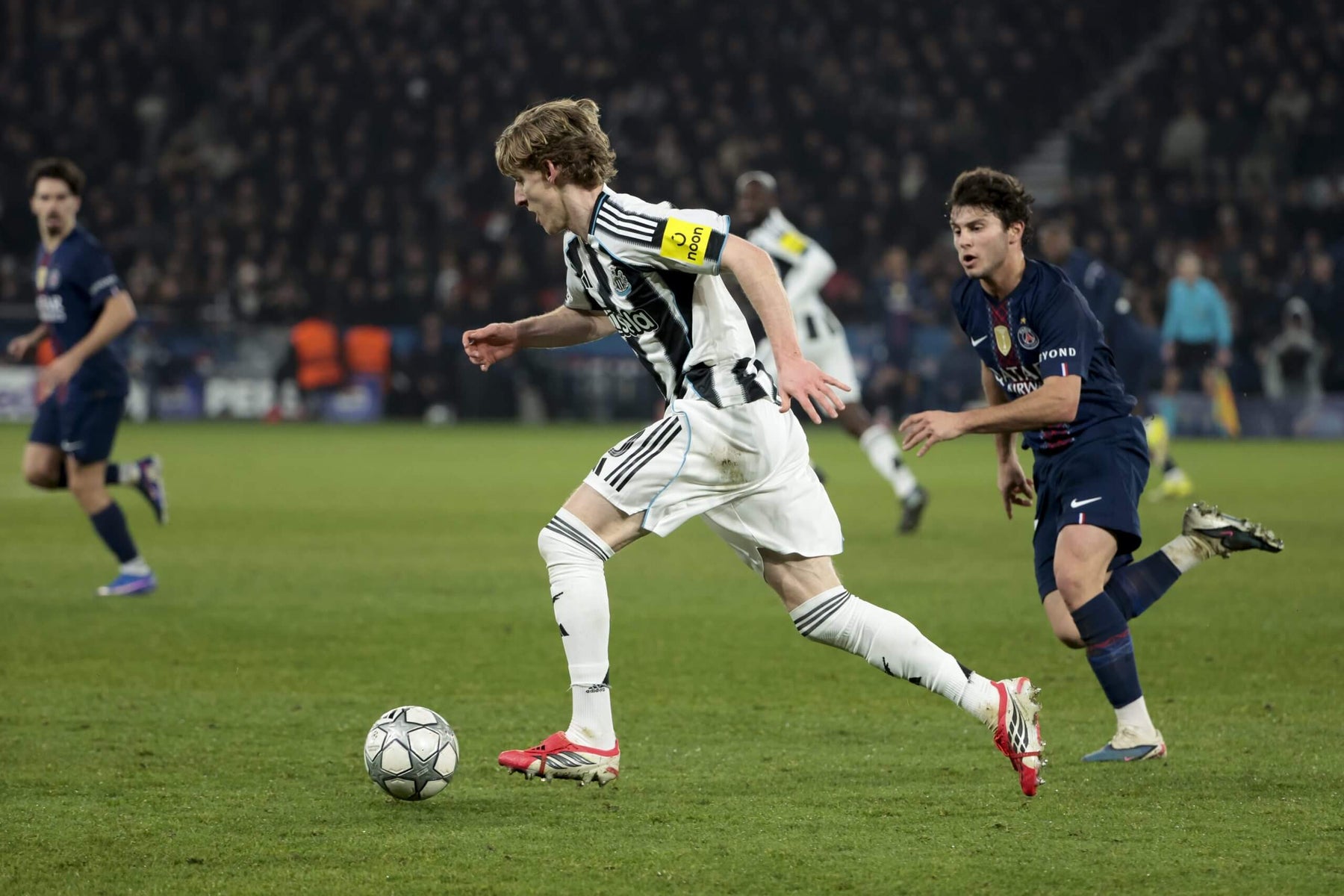
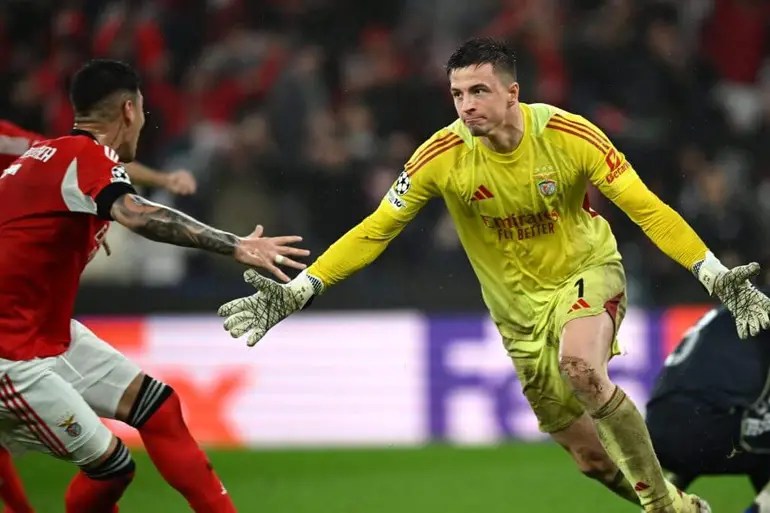
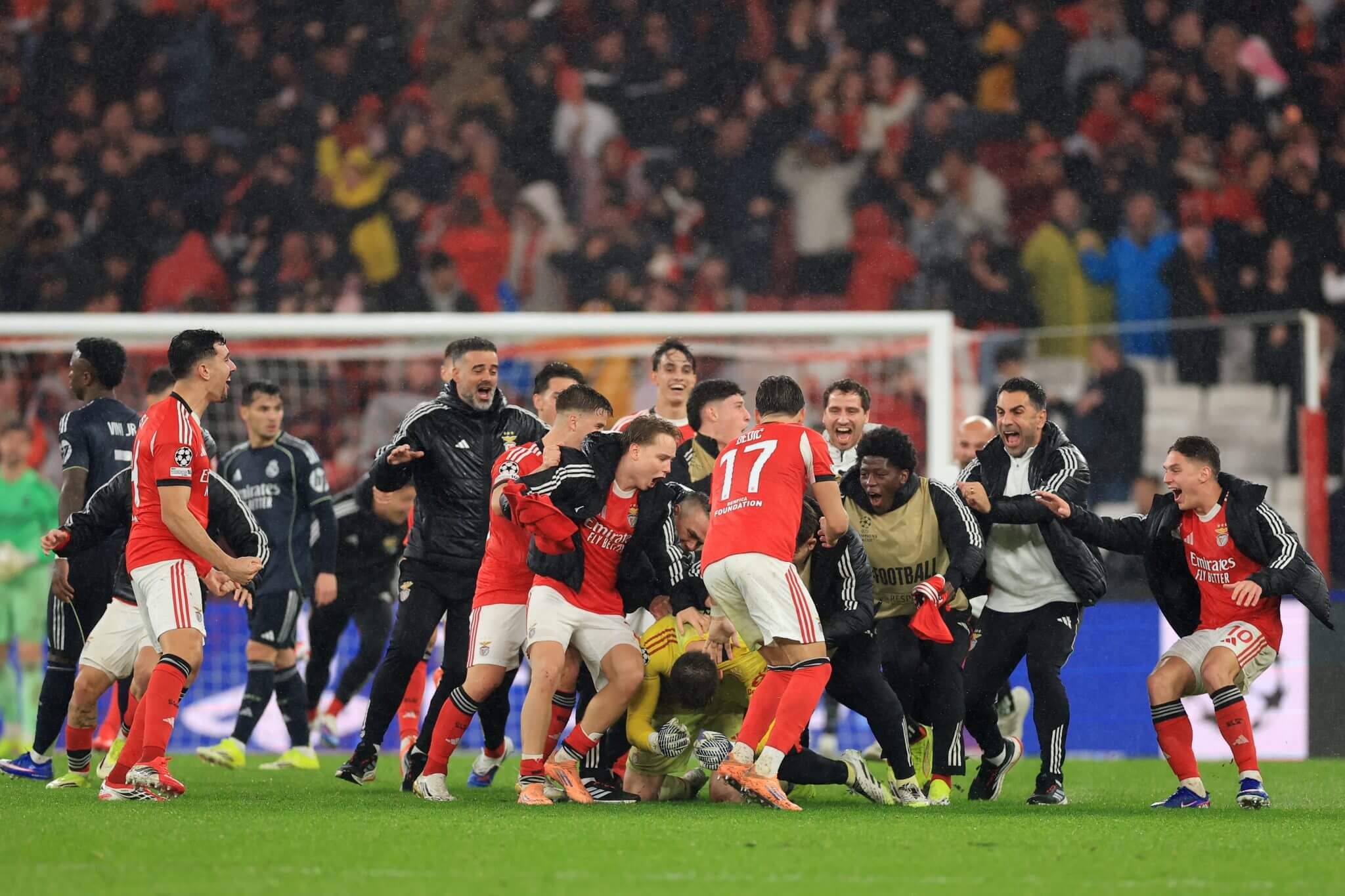
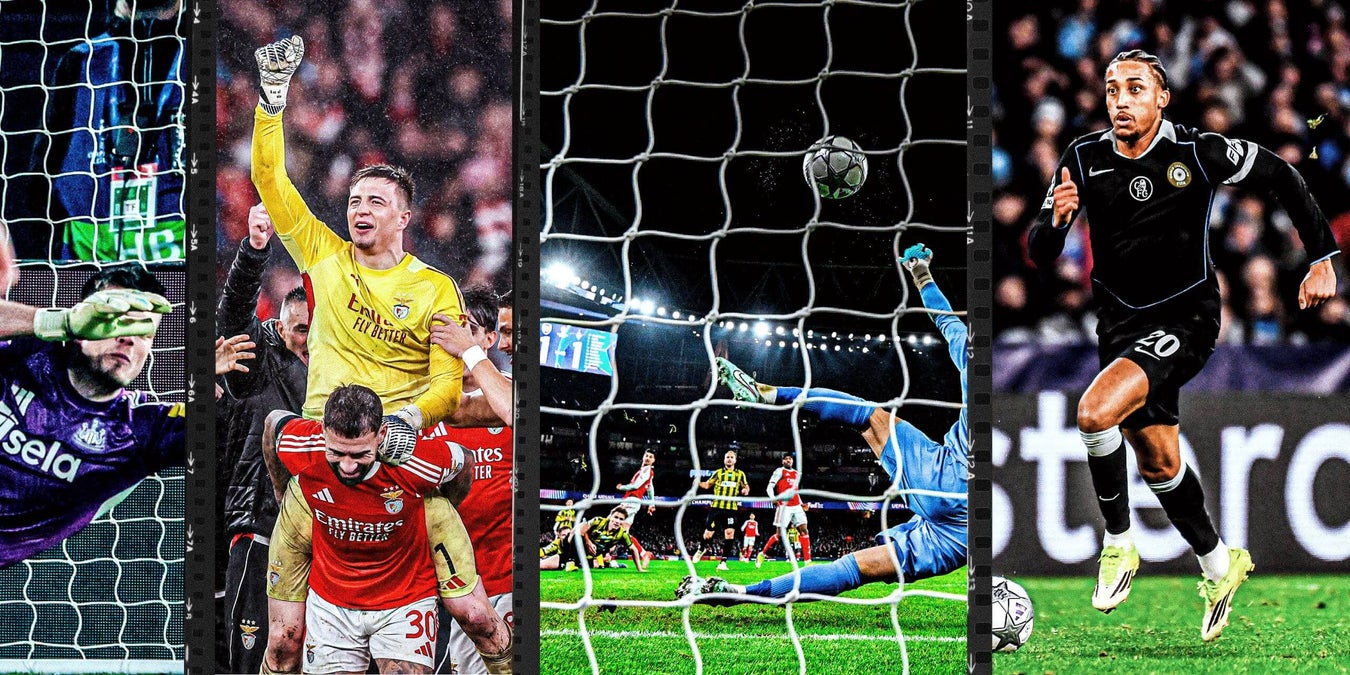 “When UEFA changed the format of the Champions League, it was for nights like this. The Swiss model, now more famous than Swiss Cottage station on the London Tube network but not yet as famous as Swiss cheese, replaced the old eight groups of four model (less catchy) in 2024. The final day was pretty good last year, with 64 goals in the 18 games, but no big teams dropped out and the big will-they-won’t-they? of the night saw Paris Saint-Germain stroll past Stuttgart 4-1 to avoid an early elimination (wonder what happened to them). …”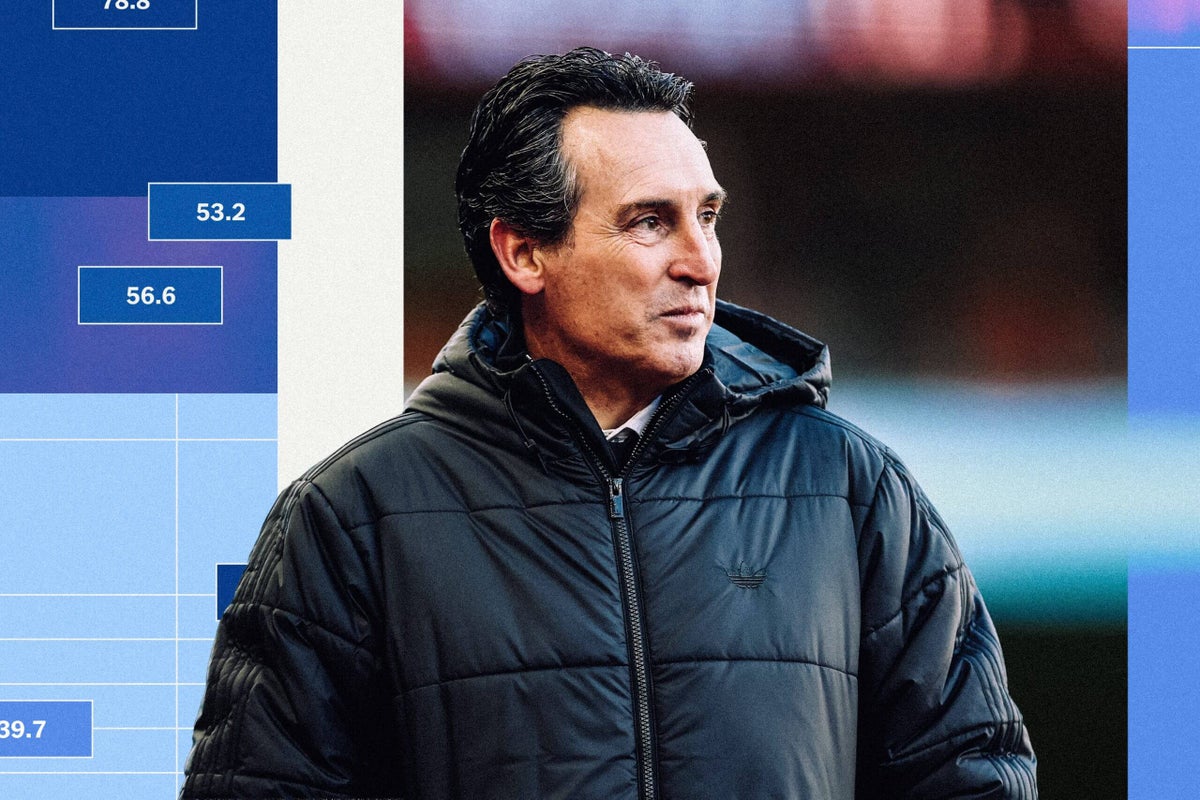
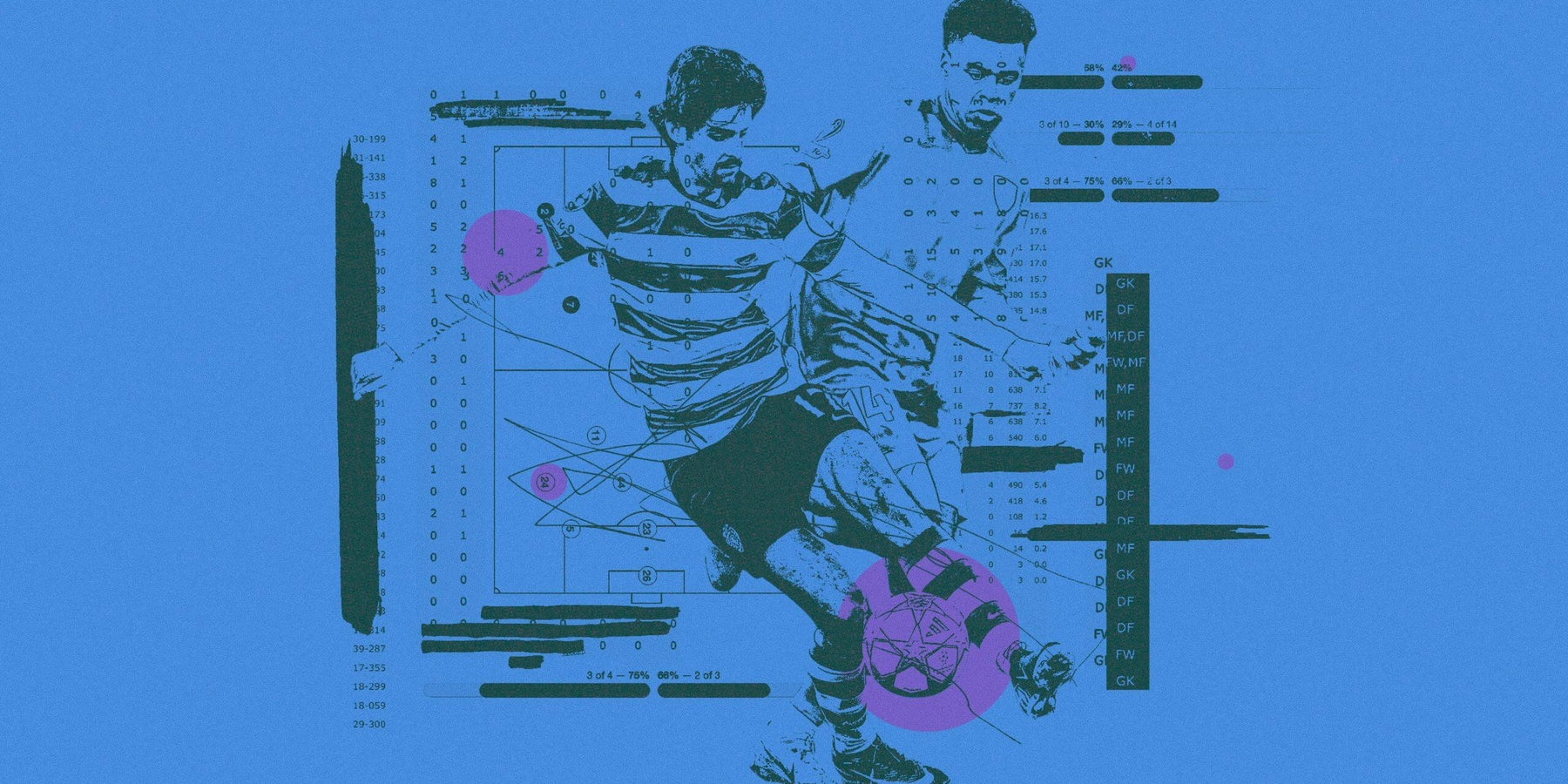 “Anyone not plugged into football’s online discourse may have missed it, but the analytics community was rocked by a seismic event last week. FBref.com, once the great Alexandrian library of free football data, has been stripped of its advanced metrics after announcing on January 20 that Stats Perform, the company behind Opta, had informed them it was terminating their data agreement. Why did this happen? What does it mean for the availability of advanced football data, or for informed, independent football analysis? And can we enjoy expected goals anywhere else online? Here is an attempt to explain… ”
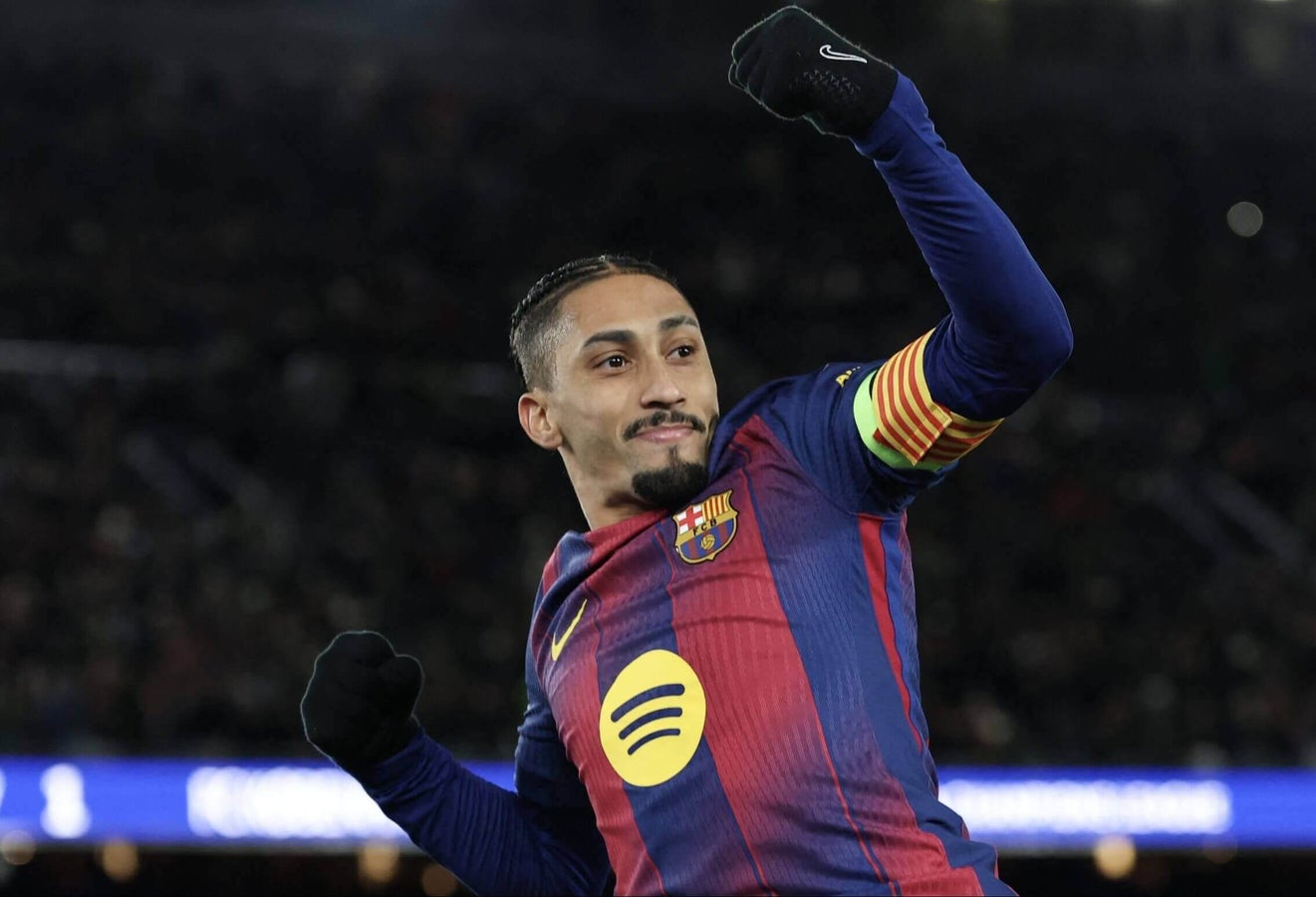 “Whatever Hansi Flick said in the Barcelona dressing room at half time, it worked wonders. Having gone 1-0 down to Copenhagen in the fourth minute, goals from Robert Lewandowski, Lamine Yamal, Raphinha and Marcus Rashford steered the Catalans into the Champions League last 16 with a 4-1 home victory on Wednesday night. It means Barca avoid having to contest a play-off to reach the knockout stages proper, after a win that moved them up into the top eight of the league phase table. For Copenhagen, a spirited and battling display ultimately ends with defeat and elimination. …”
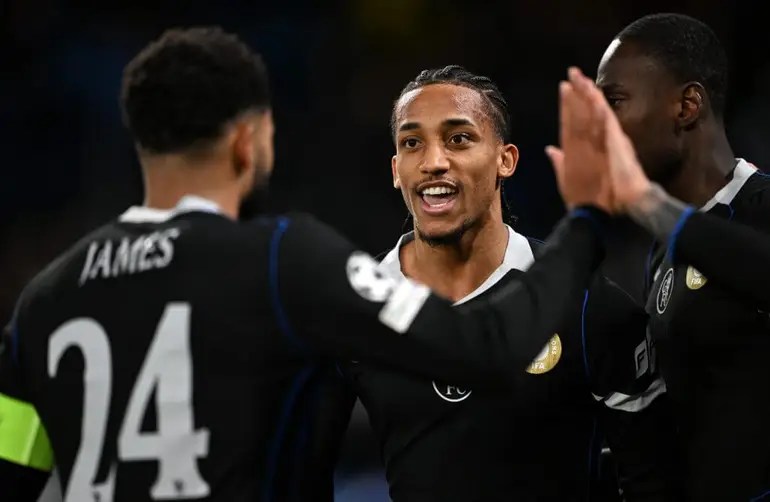 “A 3-2 Chelsea win in Naples has sealed a top-eight finish in the Champions League for the Premier League side and eliminated their opponents from the competition, as Liam Rosenior’s promising start at the club continues. It was advantage Chelsea early on, after Enzo Fernandez’s 19th-minute penalty put the London side 1-0 up. Napoli were unhappy with the decision to penalise Juan Jesus — jumping up from his position in a defensive wall — for handball. And the home side seemingly used that sense of injustice to shake off their lethargy, with the rest of the first half a consistent stream of Napoli attacks. …”
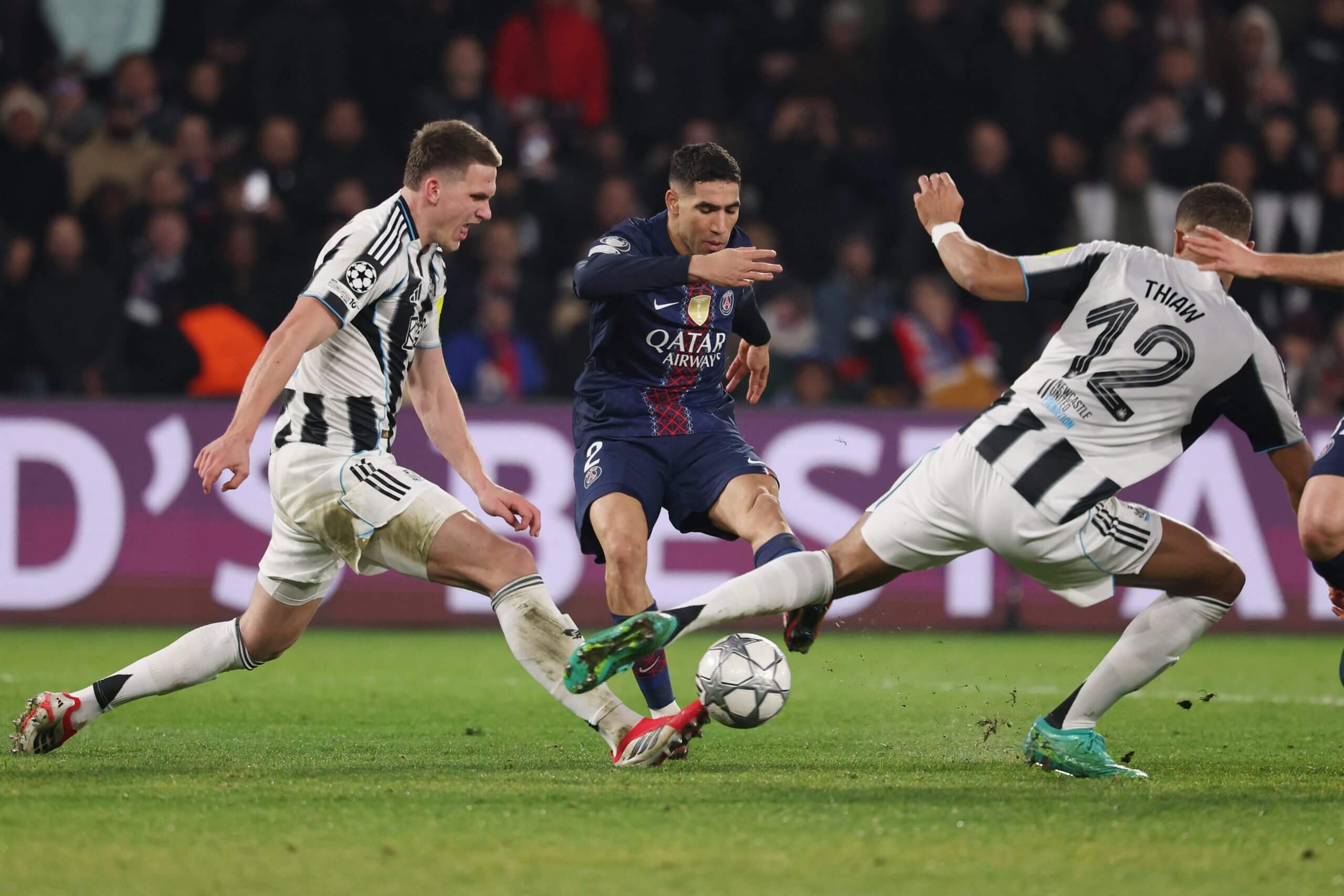 “Newcastle and Paris Saint-Germain are both now in the Champions League knockout phase play-offs after a tense 1-1 draw at Parc des Princes. Both went into the game in the top eight teams — who go straight to the last 16 — but results elsewhere mean they will need two-legged play-offs to advance further. Vitinha put PSG ahead with a beautifully-placed finish after Ousmane Dembele had missed an early penalty given harshly against Lewis Miley for a handball. And though the hosts dominated the majority of the first half, Joe Willock headed in an equaliser just before the break with Newcastle’s first shot on target. …”
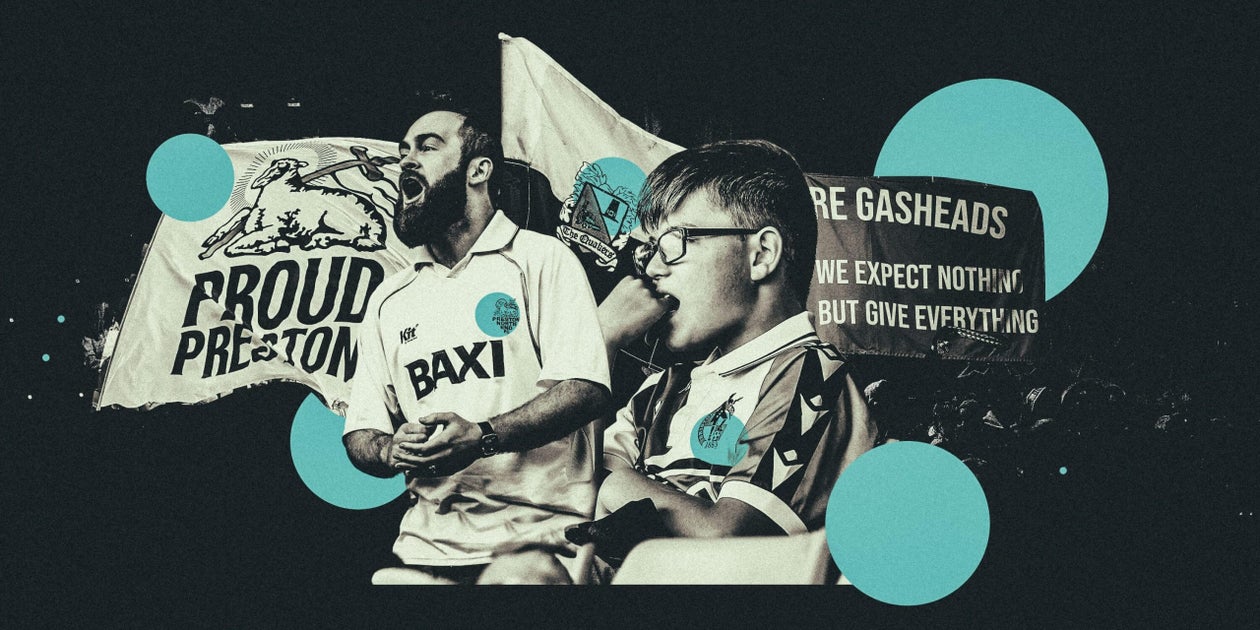 “It was four days after Christmas, and 58 years after he started supporting Bristol Rovers, when Mike Jay snapped. Rovers were at home to Barnet in League Two and in the seconds before half-time, Barnet went 1-0 up. Rovers falling behind was not news to Jay, and he got his half-time cup of tea as usual. But then he did something truly unusual. He did not re-take his seat. Instead, Jay walked up the slope, through the blue gates at the top of the Memorial Ground, and went home. …”
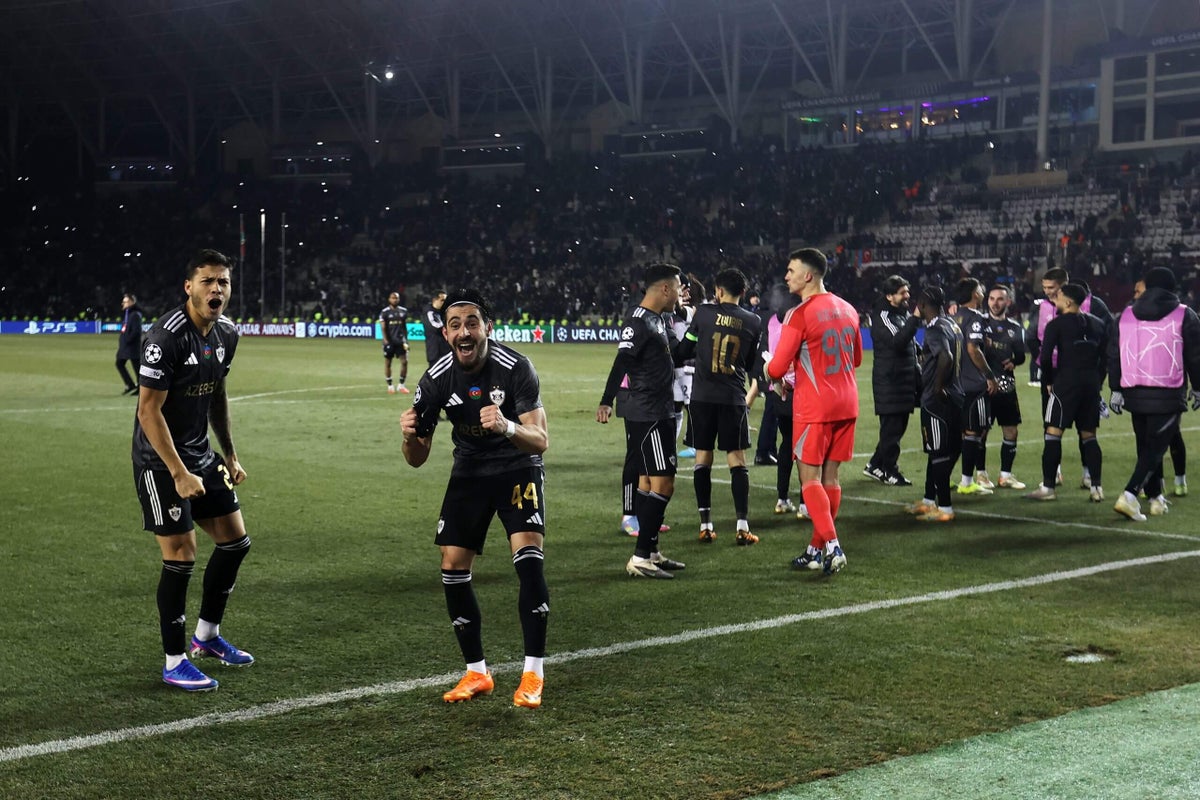 Qarabag celebrate their win against Eintracht Frankfurt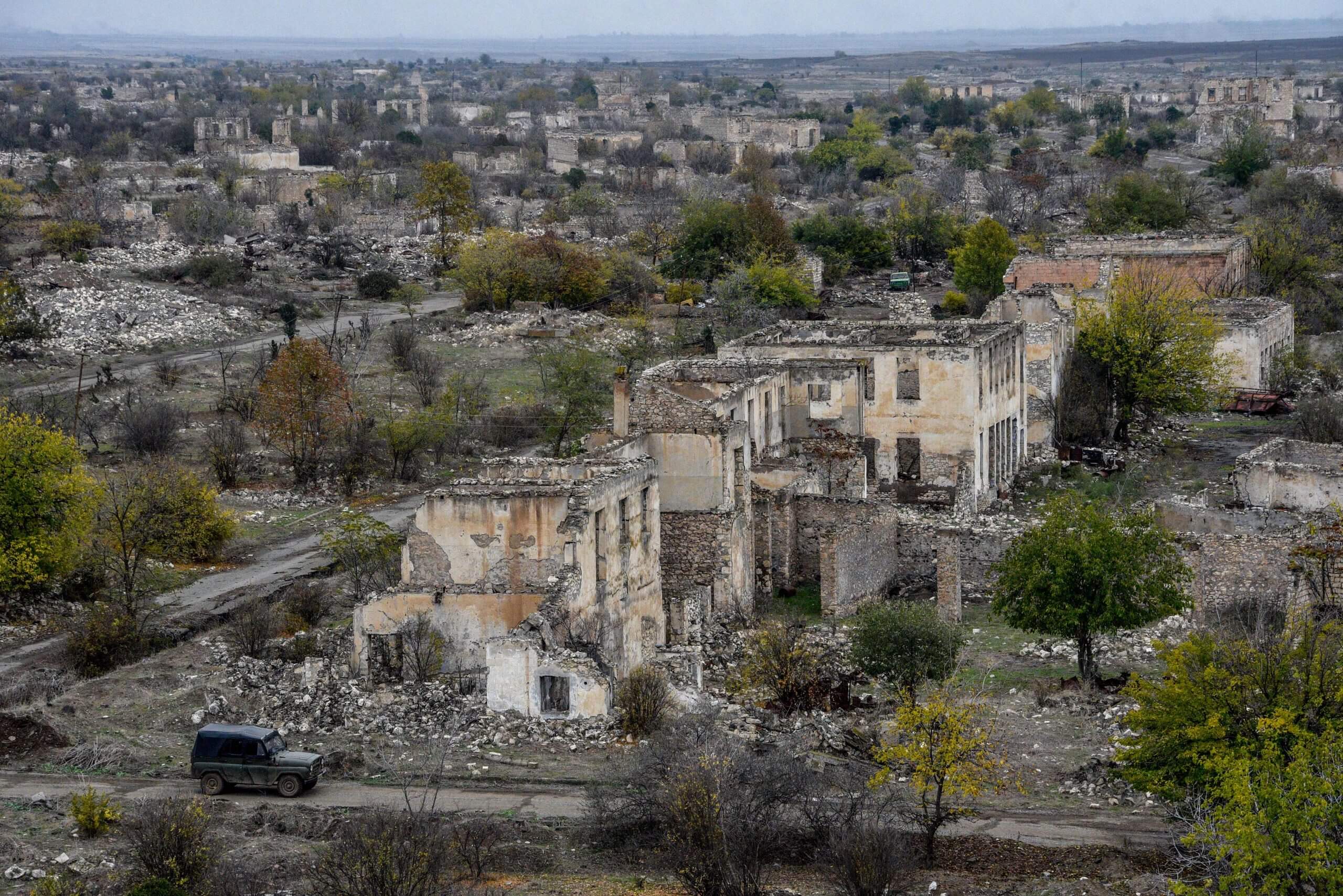
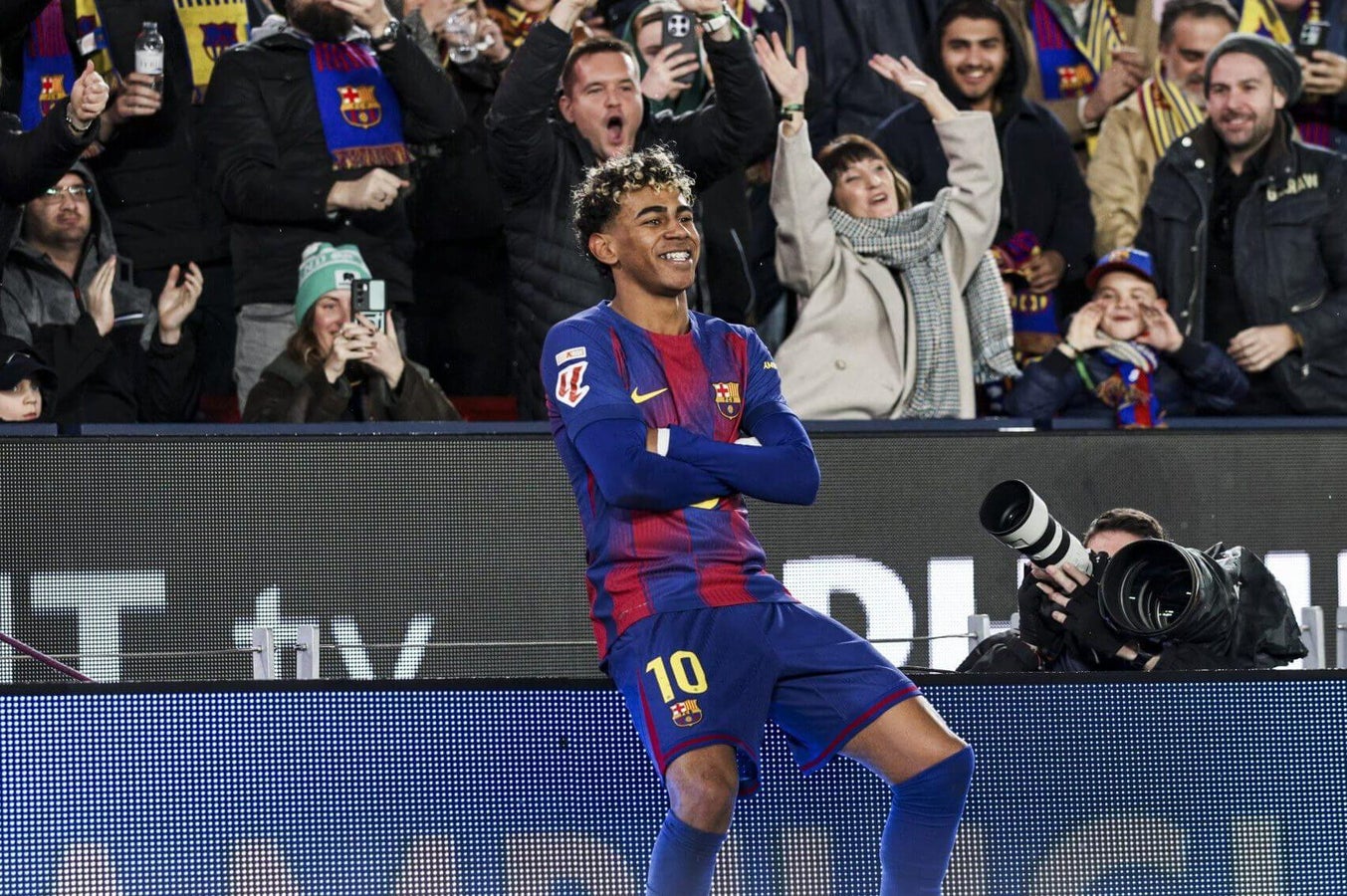 “Welcome to the latest edition of Inside Barcelona, our weekly series to follow throughout La Liga’s 2025-26 season. Every week, we will bring you key information and analysis on the biggest talking points, cutting through the noisy world of all things Barca with reporting you can trust. The information contained in this article reflects multiple conversations with various sources at the Spanish champions, all of whom wanted to speak anonymously to protect relationships. …”
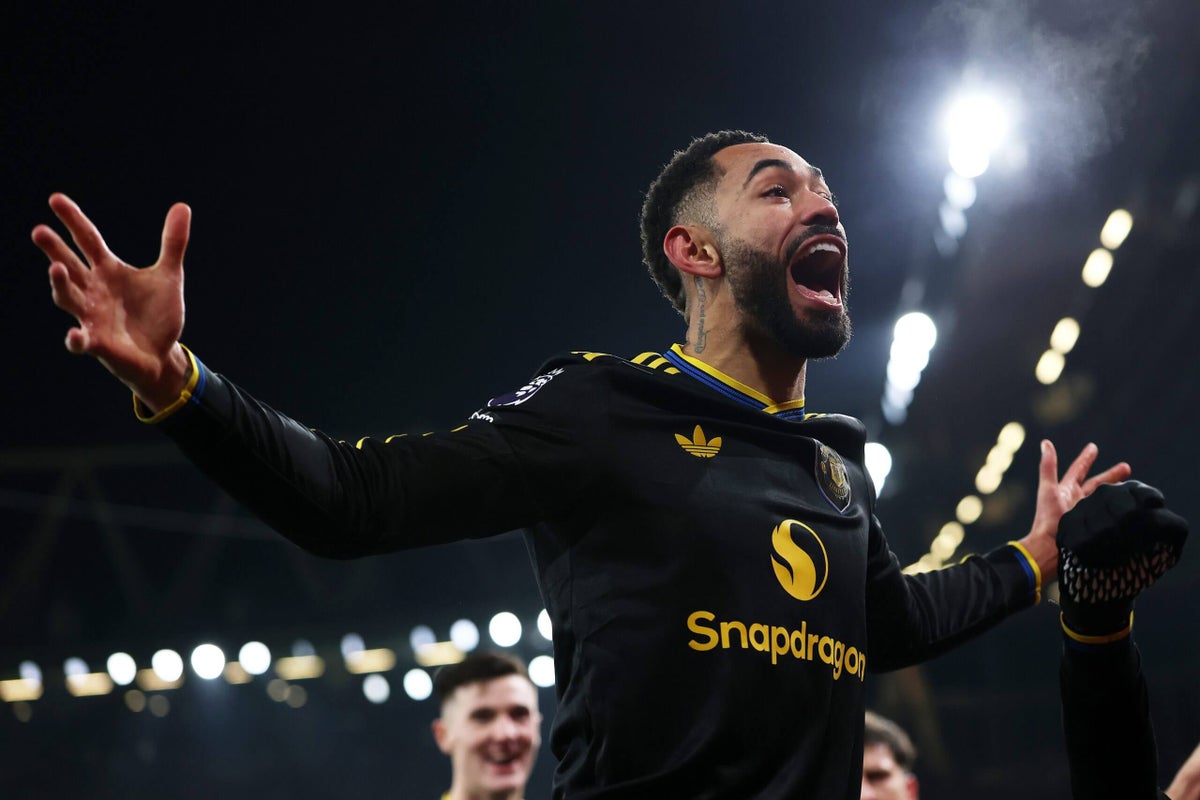 “Two sensational finishes from Patrick Dorgu and Matheus Cunha gave Manchester United a shock 3-2 win against Arsenal in an incredible game at the Emirates. Mikel Arteta’s side went into the weekend seven points clear of Manchester City at the top of the Premier League, but they now lead by just four after defeat to United and City beating Wolves on Saturday. Cunha scored from distance after Mikel Merino had equalised for Arsenal late on. This followed Dorgu’s strike that had put United ahead after Bryan Mbeumo had equalised following an error from Martin Zubimendi. Arsenal felt they could have had a penalty when the ball struck a diving Harry Maguire on the hand, but nothing was given. Arsenal had initially gone in front through a Lisandro Martinez own goal. …”
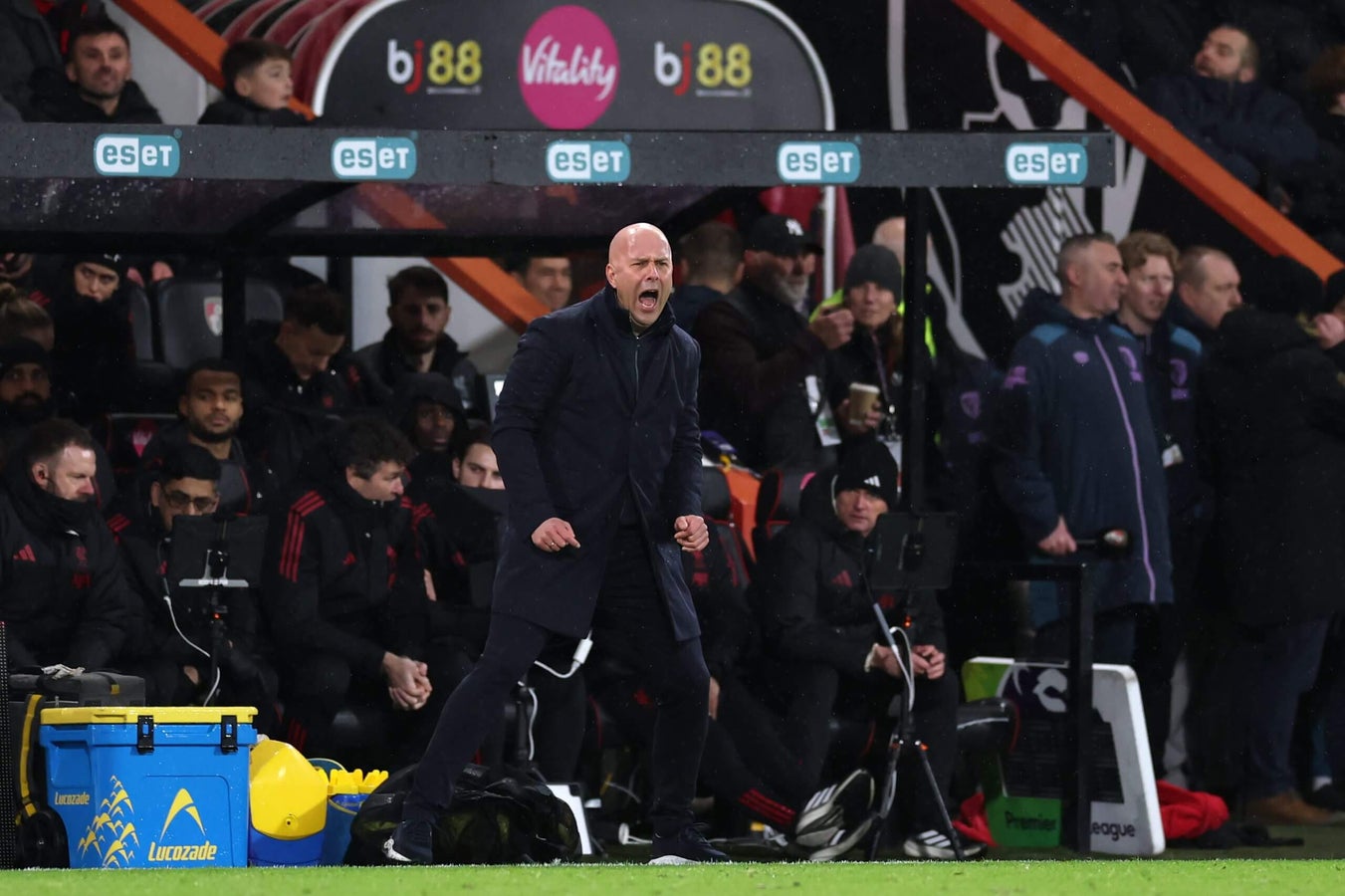 “So much for Liverpool having turned a corner. The hope provided by an impressive Champions League triumph over Marseille in midweek was whipped away by a dismal Premier League defeat at the hands of Bournemouth. One step forward, two steps back. This was another act of self-sabotage for their collection as Arne Slot’s side rallied from 2-0 down to restore parity, only to capitulate late on when Amine Adli bundled home the winner from a long throw-in. It’s the fifth time this season Liverpool have conceded a result-defining goal deep into stoppage time, with a total of seven points frittered away. How costly they could prove to be. …”
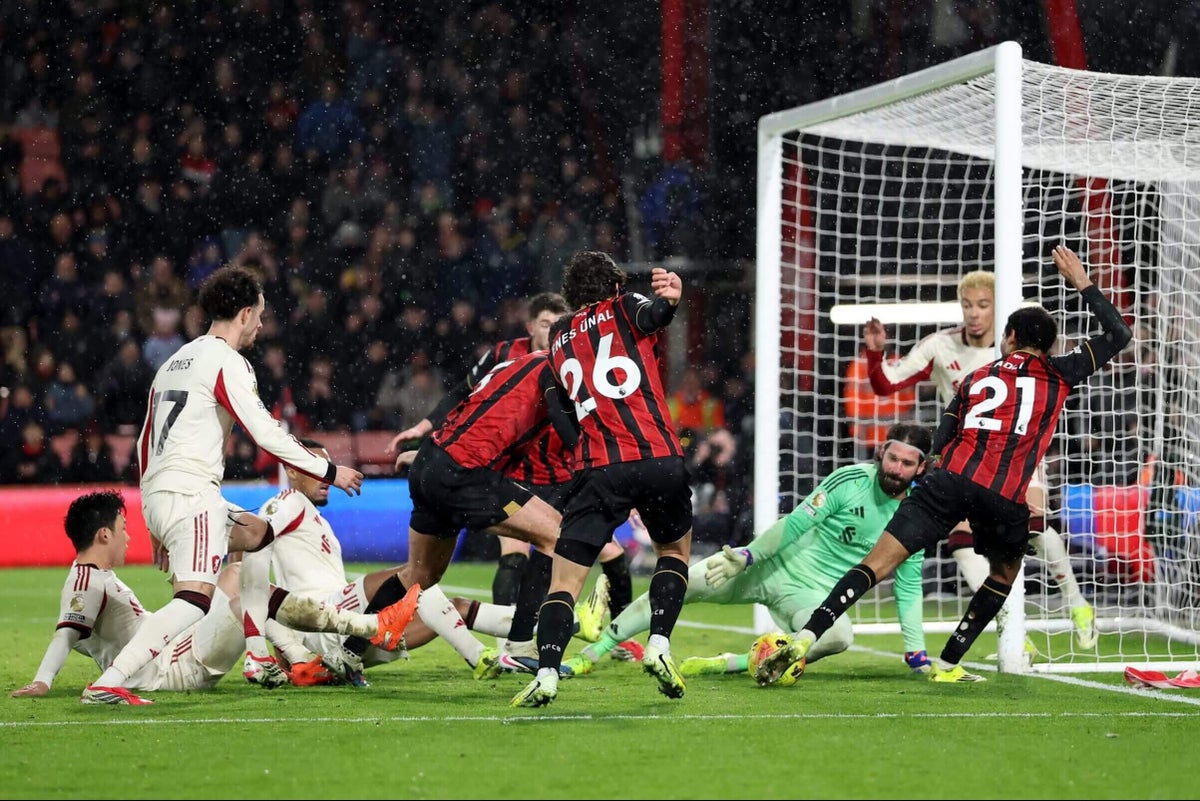 Amine Adli scores from a tight angle to seal Bournemouth’s win
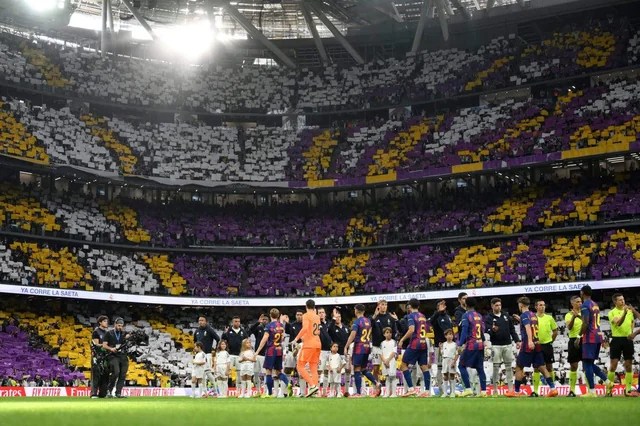 “Real Madrid and Barcelona were football’s top-earning superpowers last season, according to Deloitte’s latest Football Money League report. Madrid topped the annual listing of club revenues for the third year running and 15th time in 21 seasons, generating £975million ($1.309bn) in 2024-25, leading second-placed Barcelona by more than £150m. Liverpool became the second English club to book more than £700million in revenue during their charge to the Premier League title, yet their income last term was only enough to rank them fifth worldwide. It is the first time in the report’s 29-year history that no English side has featured in the top four. …”
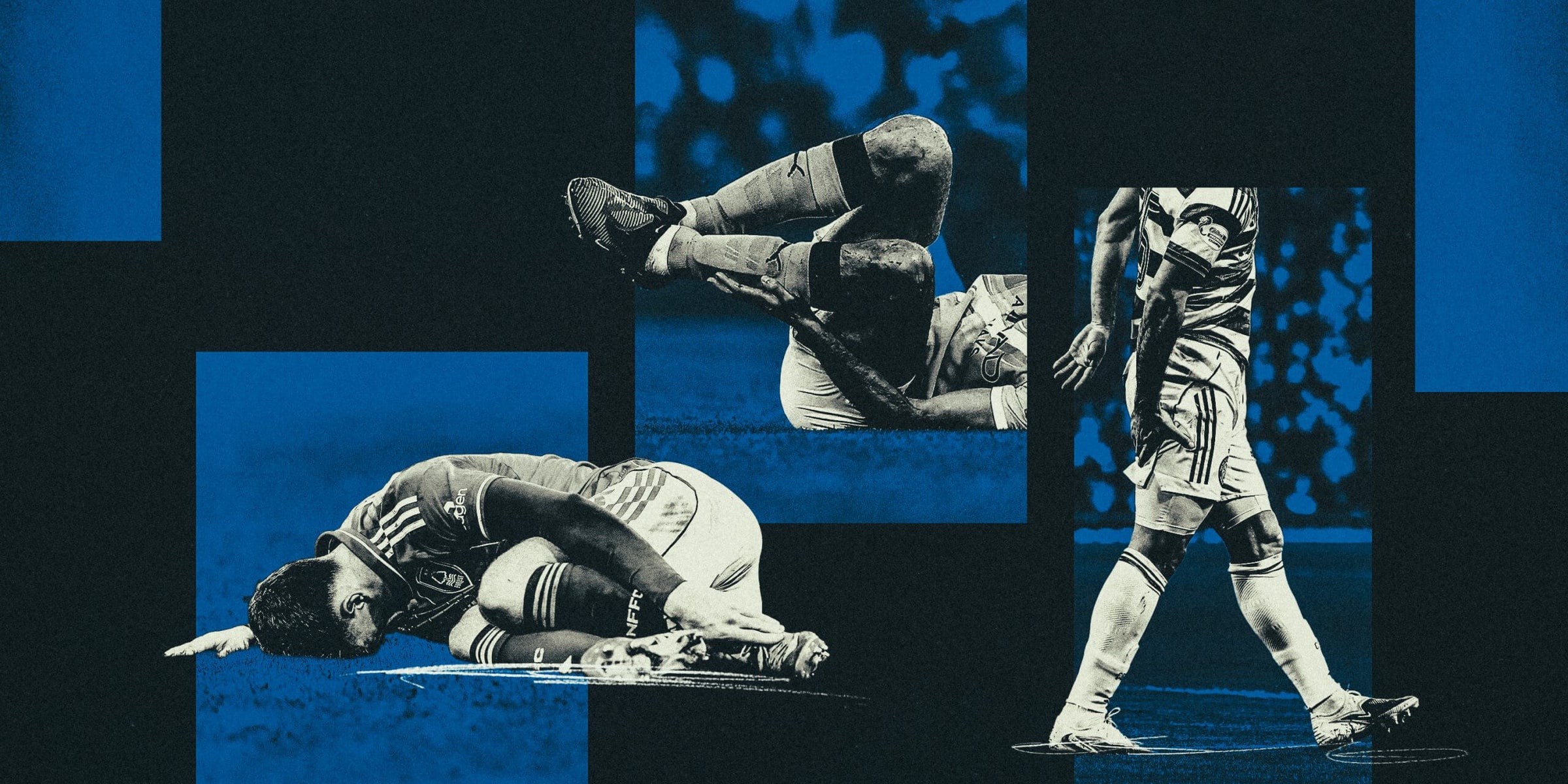 “Change is the only constant in football. In the modern game, players can reasonably expect to meet new team-mates, new managers (or head coaches), and fulfil new tactical demands within an average two-year cycle. Combine that with an ever-congested fixture calendar, and it can be difficult to keep up with the physical requirements that are placed on a professional footballer. …”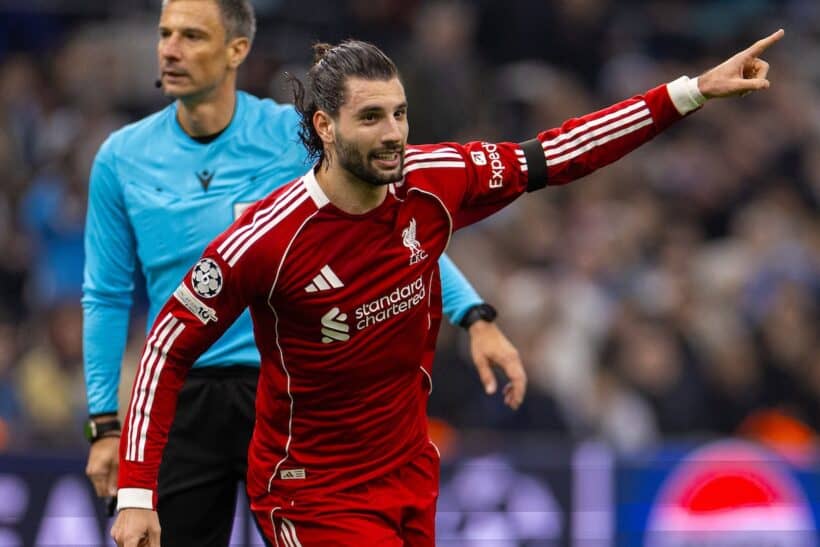
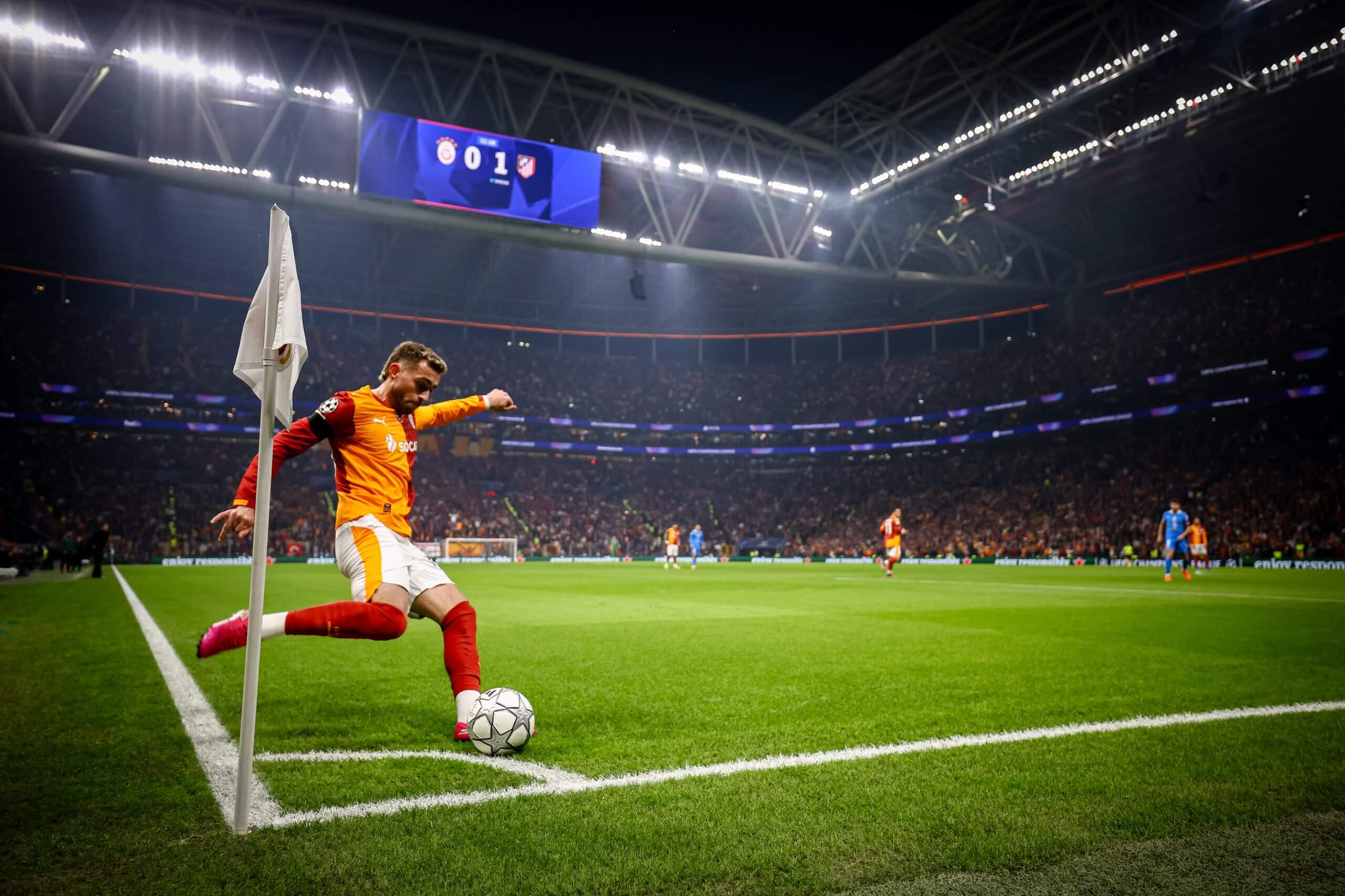 Galatasaray should now make the play-offs, despite a tricky-looking final-day trip to Manchester City “We are down to next Wednesday’s final-day bonanza in the Champions League, with 18 simultaneous games to close out the initial league phase. Seven matchdays in, only Arsenal and Bayern Munich have guaranteed spots in the round of 16 in March. Third-placed Real Madrid and Juventus in 15th are separated by just three points, and with some of the teams in-between them playing each other in the final round of matches, expect the table to undergo a bewildering amount of change during Matchday 8. …”
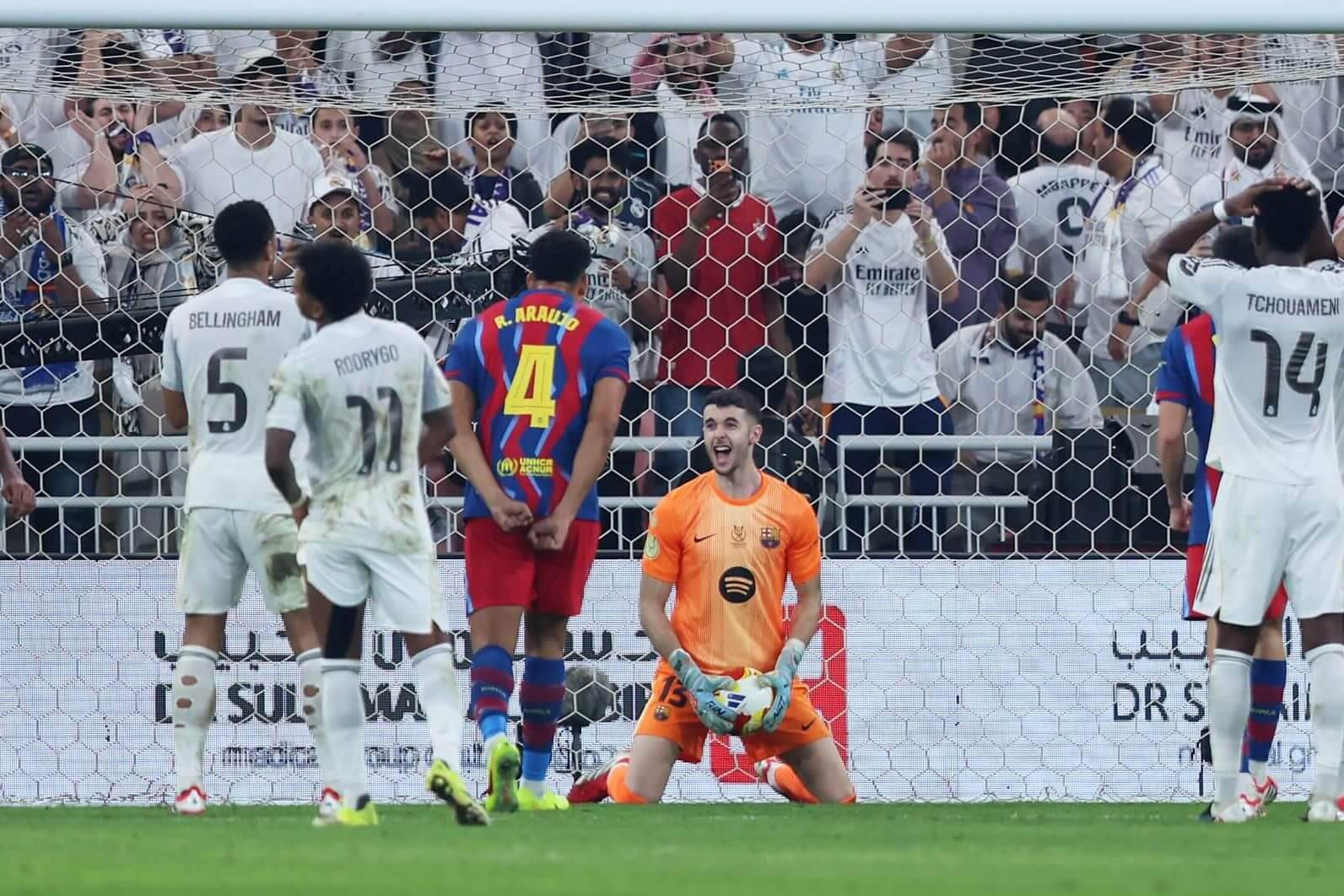
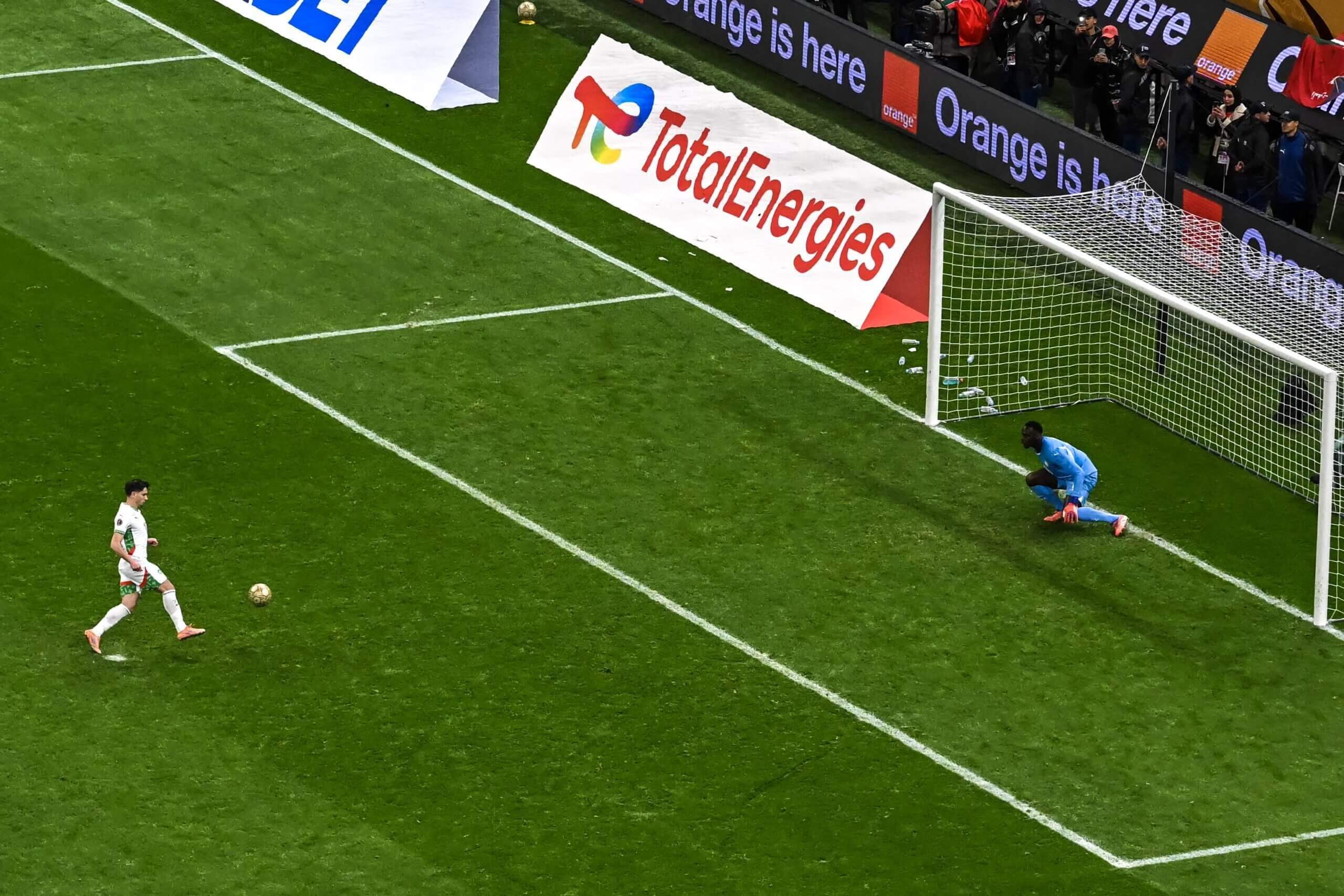 Brahim Diaz’s missed Panenka penalty in the Africa Cup of Nations final
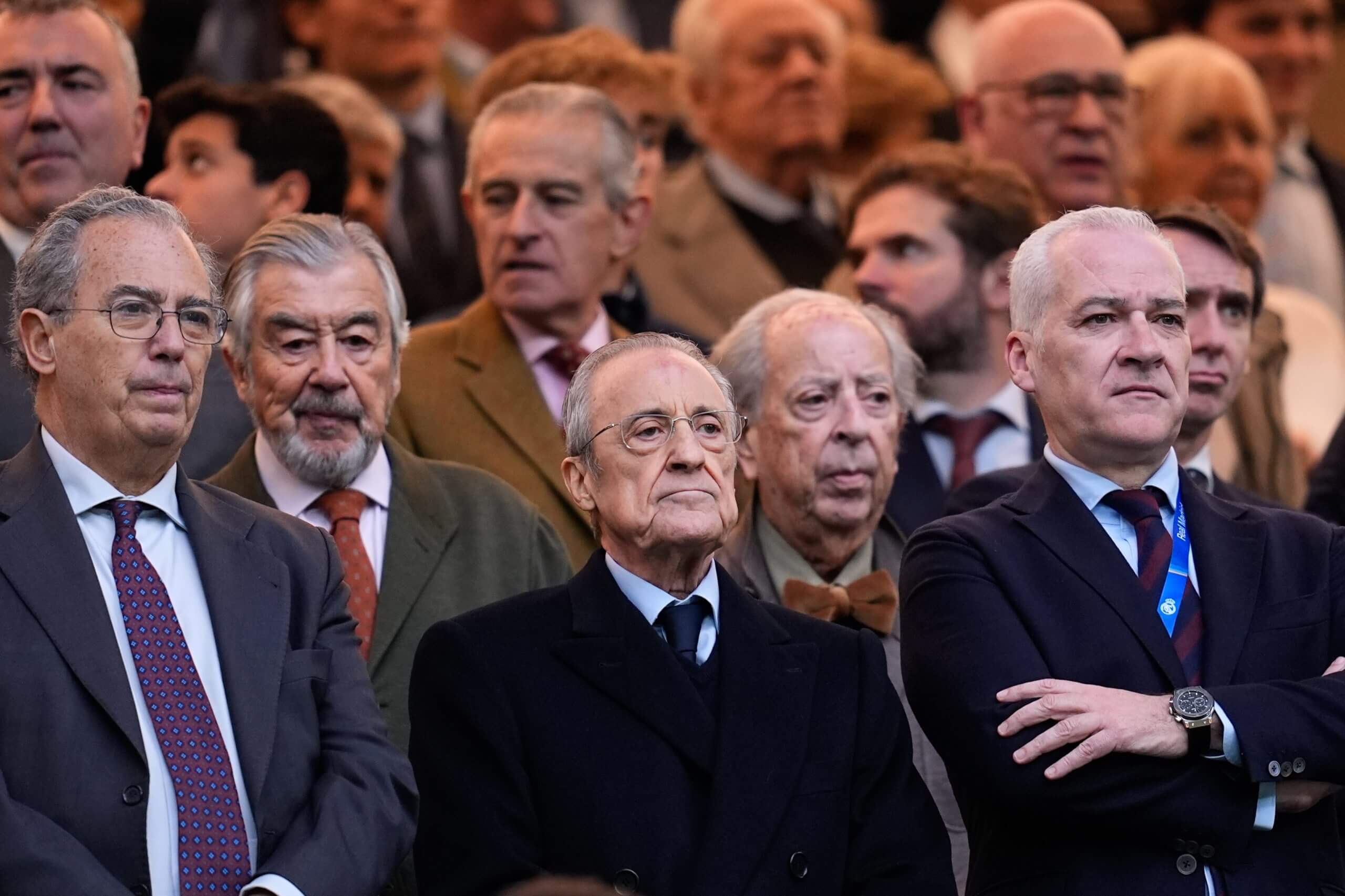 Perez, pictured at the Bernabeu on Saturday
 “It is almost three years since a stark verdict was delivered on the chaotic scenes that preceded the 2022 Champions League final in Paris. ‘It is remarkable that no one lost their lives,’ concluded an independent review of that fraught evening that ended with Real Madrid beating Liverpool. UEFA, as event organisers, was found to
 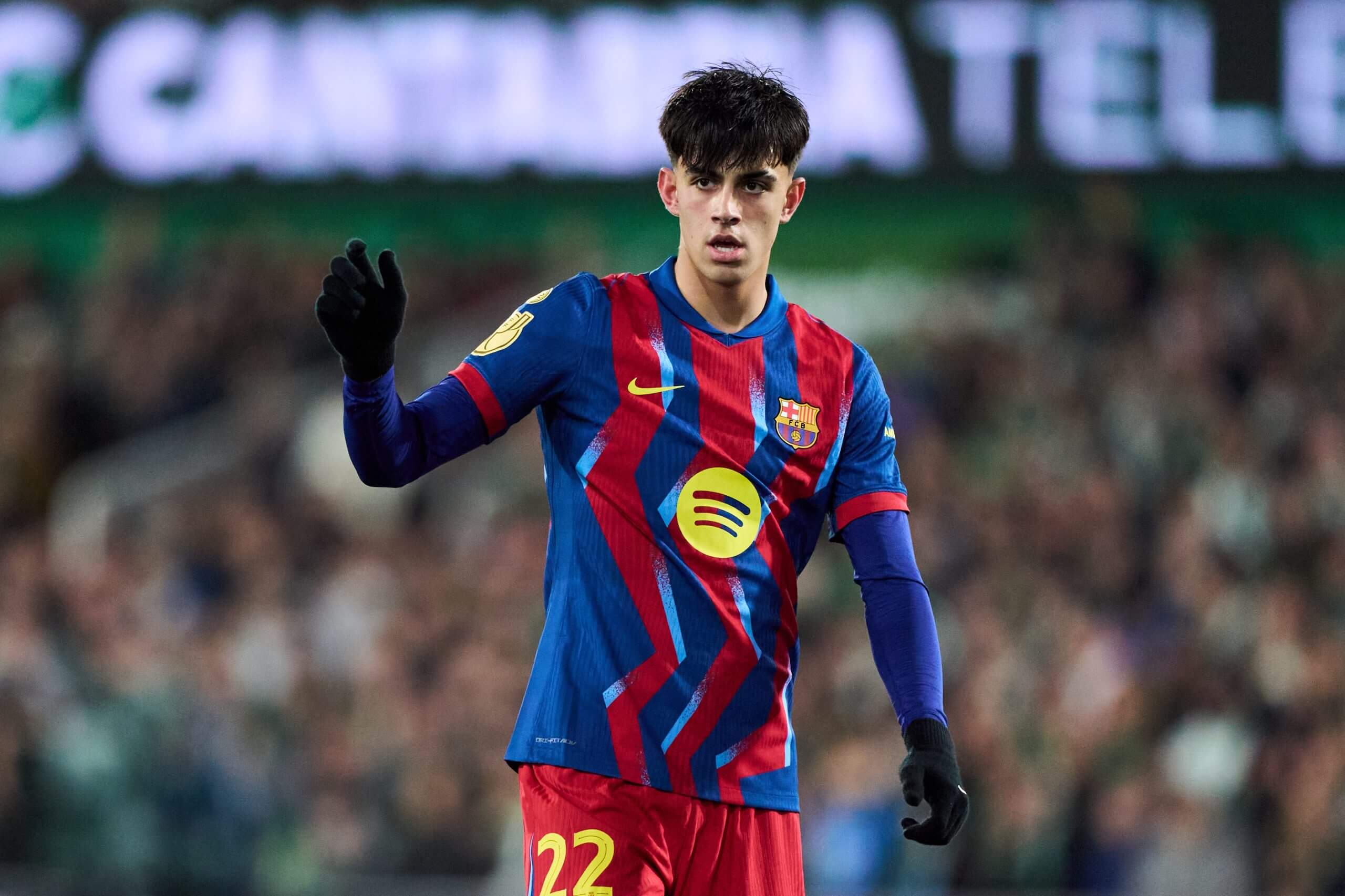 “Welcome to the latest edition of Inside Barcelona, our weekly series to follow throughout La Liga’s 2025-26 season. Every week, we will bring you key information and analysis on the biggest talking points, cutting through the noisy world of all things Barca with reporting you can trust. The information contained in this article reflects multiple conversations with various sources at the Spanish champions, all of whom wanted to speak anonymously to protect relationships. …”
 “
“
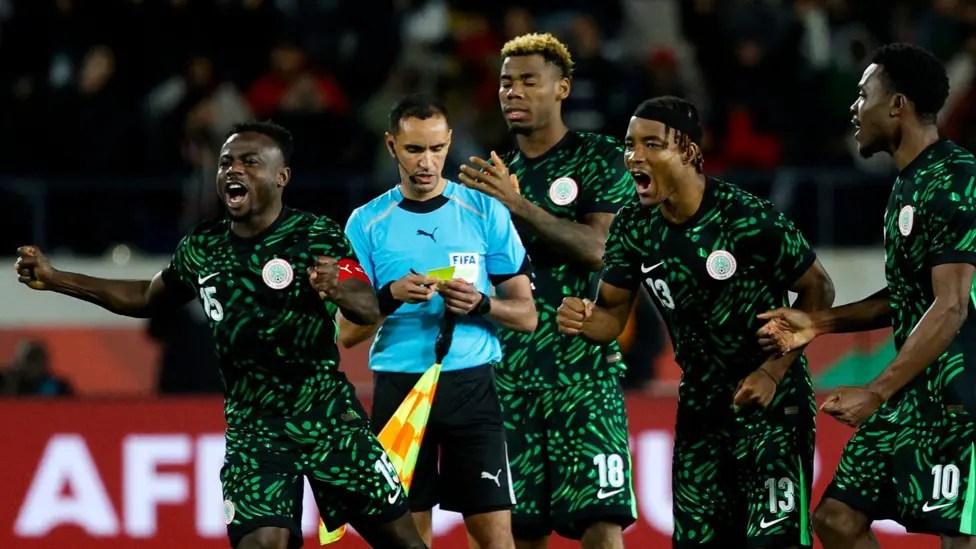 “Nigeria ended their penalty hoodoo by beating Egypt in a shootout to claim third place at the 2025 Africa Cup of Nations following a goalless draw. Super Eagles goalkeeper Stanley Nwabali brilliantly saved efforts from Mohamed Salah and Omar Marmoush, allowing Ademola Lookman to settle it despite attempted mind games from Pharaohs keeper Mostafa Shobeir. The West Africans had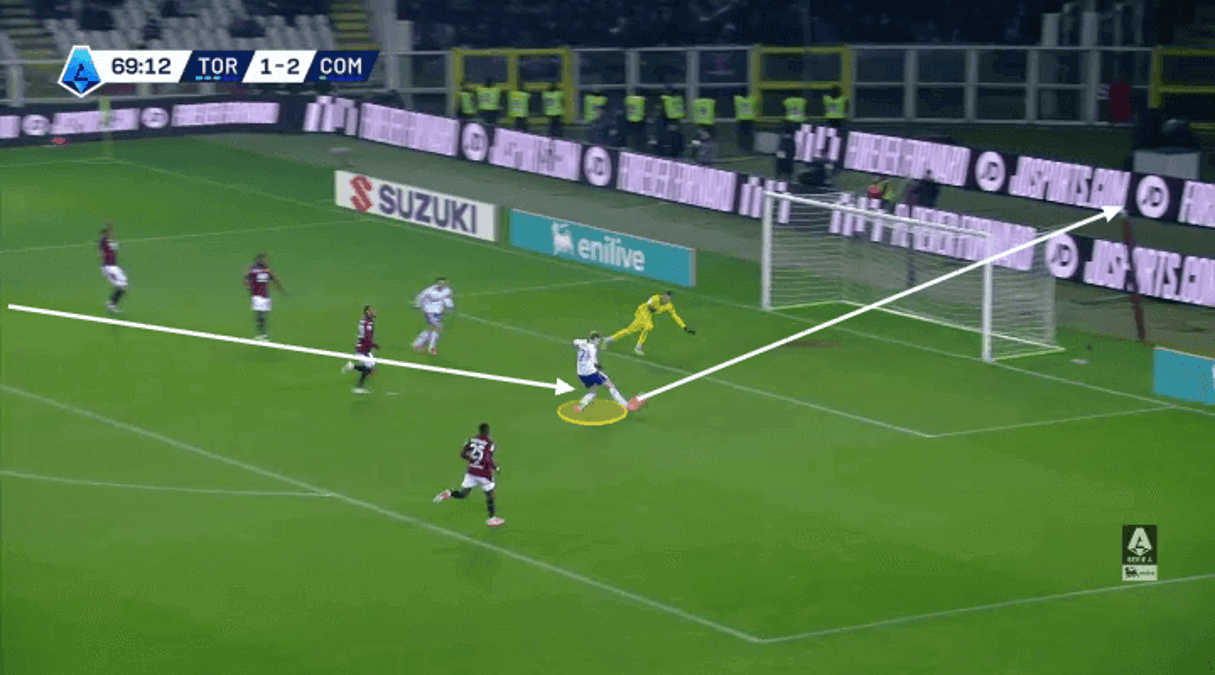
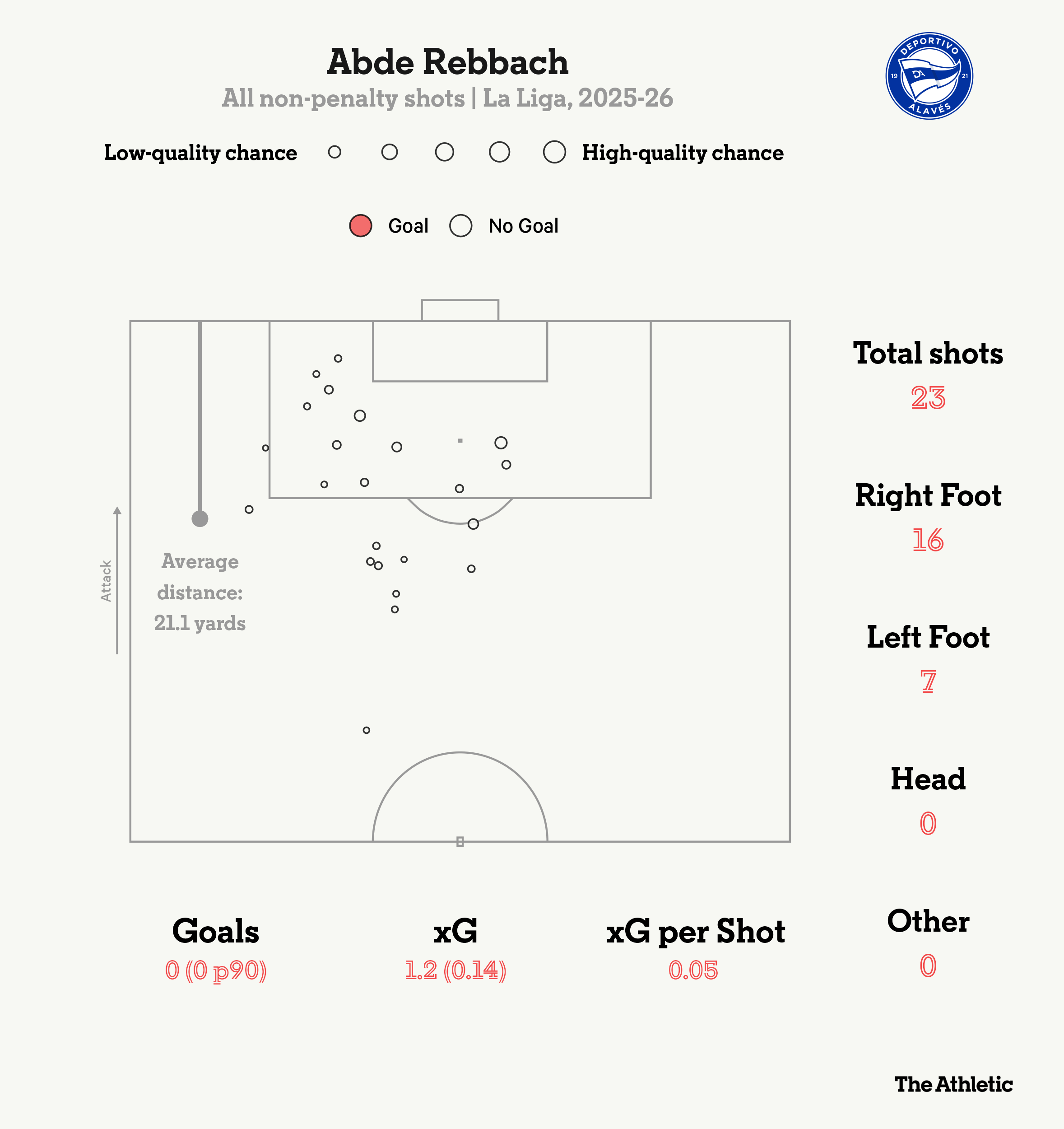
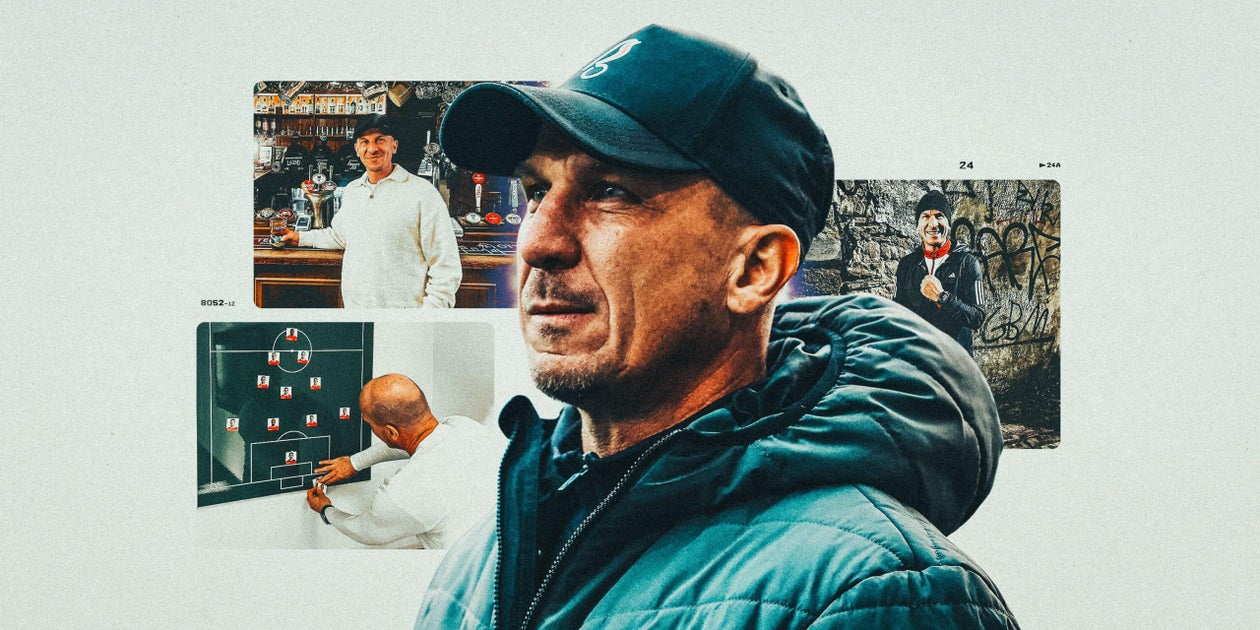 “What is it really like to be a football manager? How do you escape the pressure? What impact do results have on your family? How long are the hours? Where do your best ideas come from? Do players still get a rocket at half-time? Can you wear what you want on the touchline? And, most importantly of all, how do you choose from 17 different varieties of cider? To find out the answers to all those questions and more, The Athletic spent a month with a head coach in the most volatile and unpredictable league in English football: the Championship. Gerhard Struber, a 48-year-old Austrian, took over at Bristol City last summer after spells with Koln, Red Bull Salzburg, New York Red Bulls, and Barnsley. …”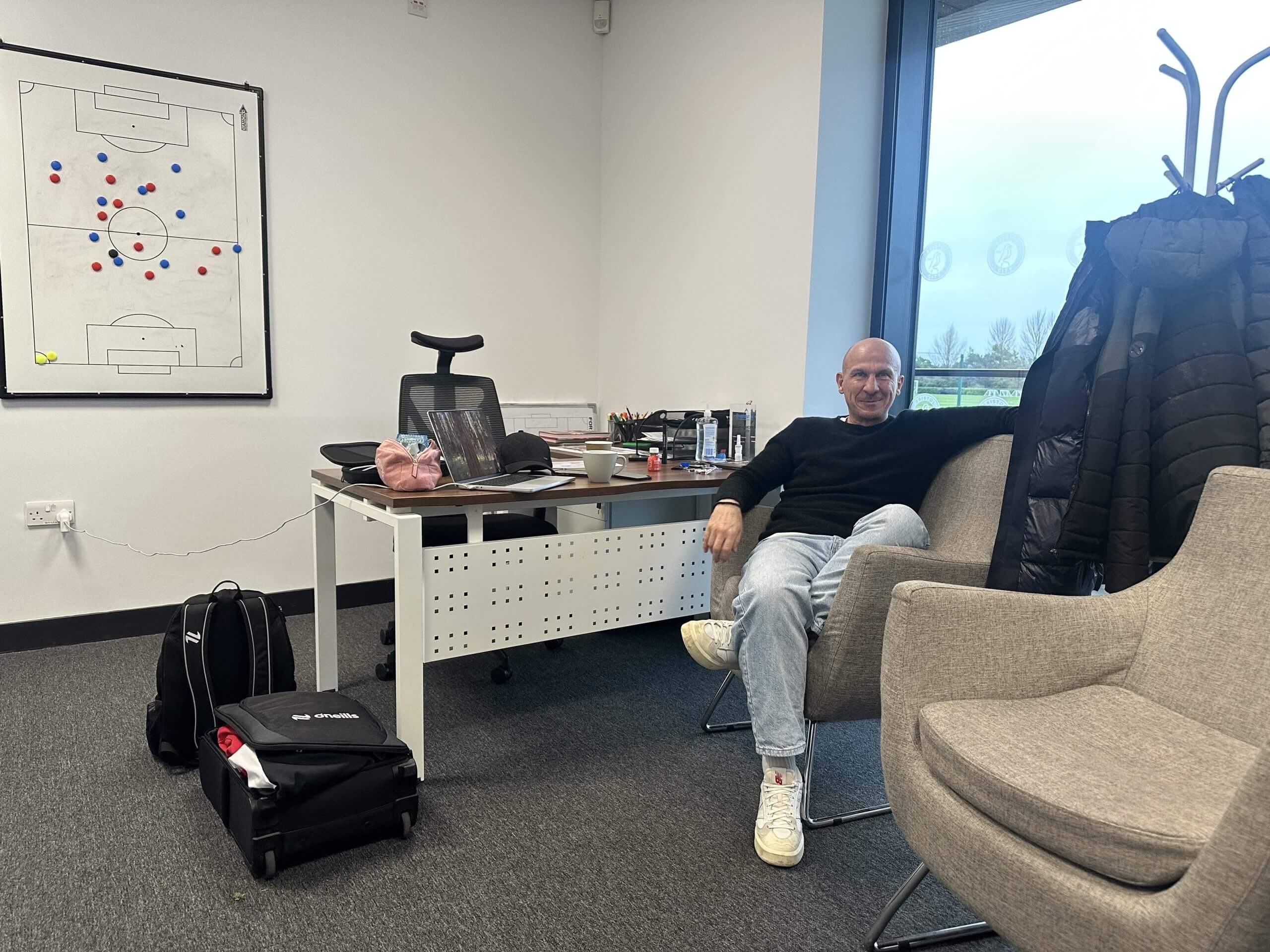
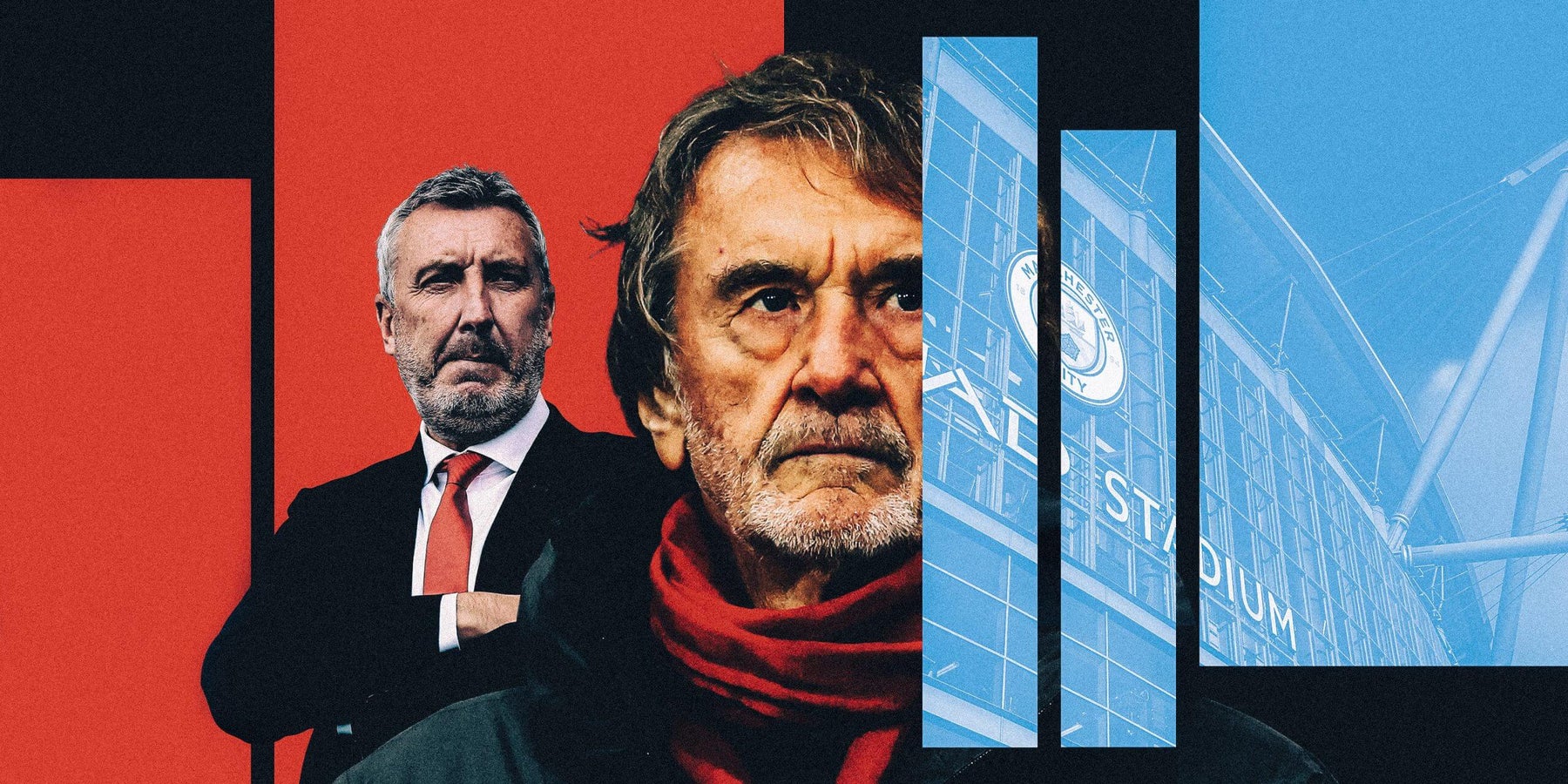 “It is coming up to two years since Sir Jim Ratcliffe got his hands on a piece of Manchester United and set about his mission to restore the club to ‘the top of the game’. It would not be a quick fix, the petrochemicals billionaire said, given the sense of decline and drift that had taken hold over the previous decade. It wasn’t a case of flicking a switch or waving a magic wand. ‘We have to walk to the right solution,’ he told the
 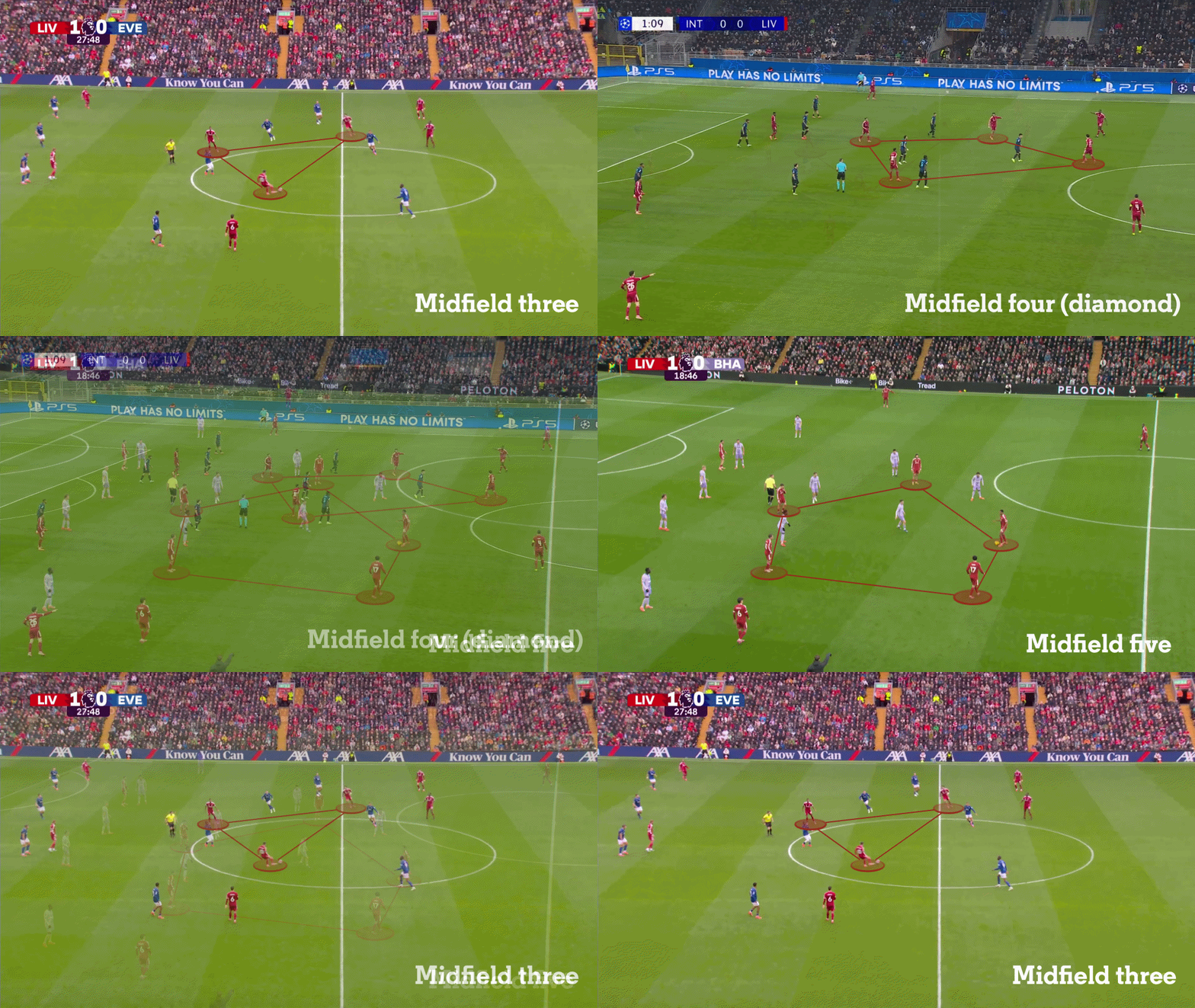 “The dominant reaction to Liverpool’s season has been one of disbelief. Seven consecutive wins to start the campaign were followed by nine defeats in their subsequent 12 across all competitions, with few reigning Premier League champions experiencing such a sharp decline in such a short space of time. Arne Slot’s second season was always likely to come with choppier waters. Becoming the hunted league champions, reshaping a playing squad and experiencing an incomprehensible summer of loss is enough to unsettle any club. Still, no one anticipated the events that have occurred in recent months. Still, despite some disappointing draws, there have since been green shoots of recovery with Liverpool currently on an unbeaten run of 11 games in all competitions. …”

 Morocco’s goalkeeper Yassine Bounou makes a crucial penalty save against Nigeria Morocco’s goalkeeper Yassine Bounou makes a crucial penalty save against Nigeria
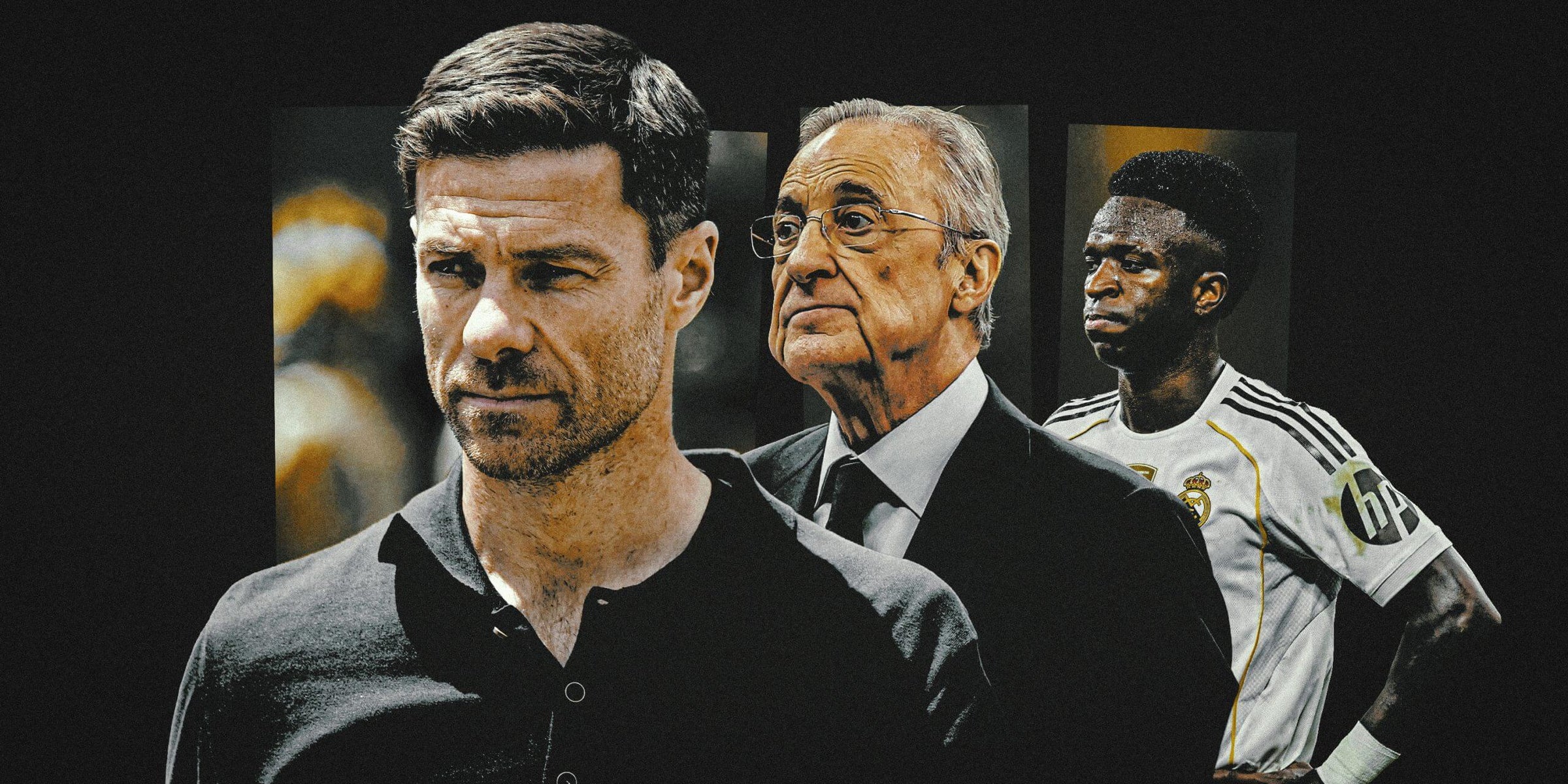 “It was a bolt from the blue. Xabi Alonso’s position as Real Madrid head coach had been in danger for some time, but the brutal manner of his sacking on Monday evening still shocked. Almost nobody knew it was coming. Players and staff were not told to expect the club’s announcement — nor were the communications team. One figure involved every day at Madrid’s training ground found out when reading the news on his phone in the supermarket. Alonso’s time at the Bernabeu has been incredibly short. The former Madrid, Liverpool and Spain midfielder was only hired in May, but by December there was real pressure on him — before a series of victories seemed to buy him some breathing space. Sunday’s 3-2 defeat by Barcelona in the Supercopa de Espana final followed five wins in a row, including a 5-1 success against Real Betis in La Liga the previous weekend. …”


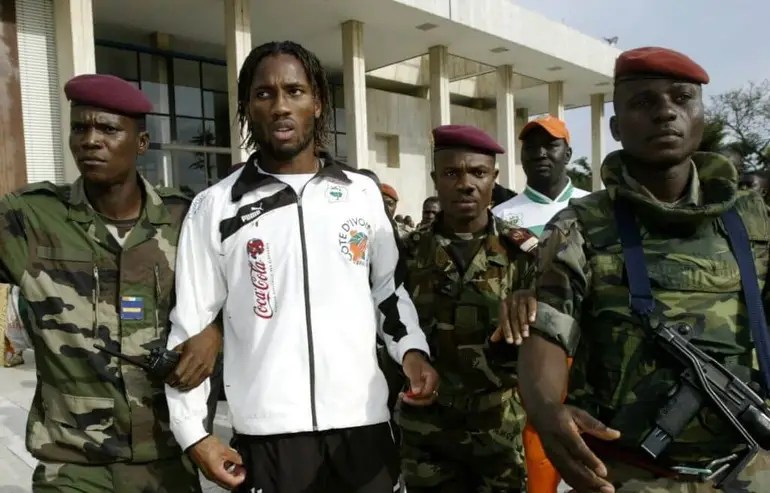 Didier Drogba leaves the presidential palace in October 2005 after a ceremony to celebrate World Cup qualification
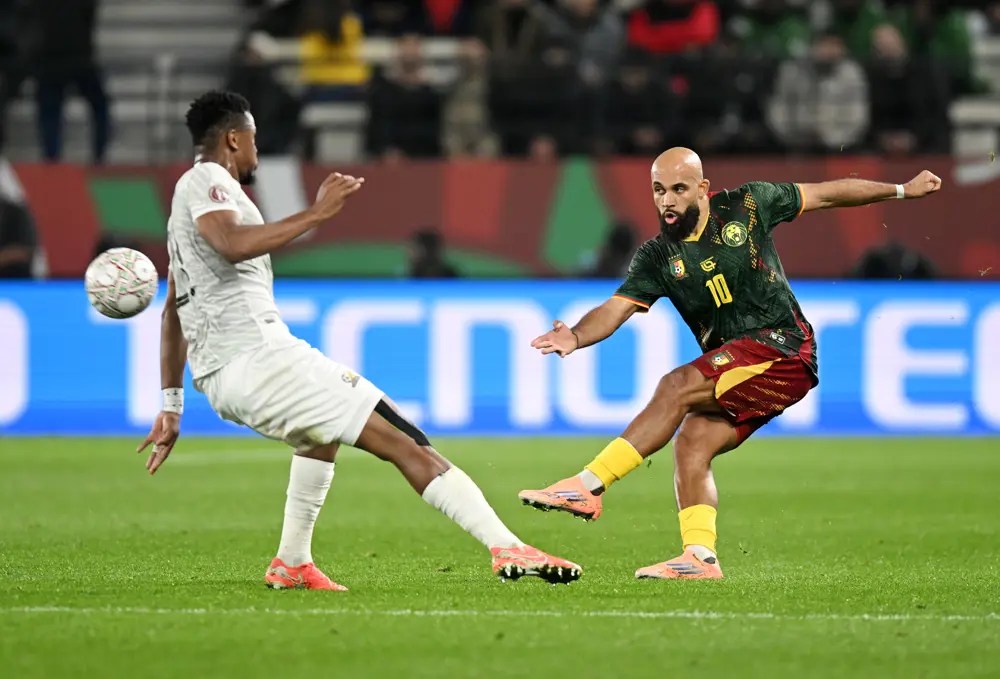
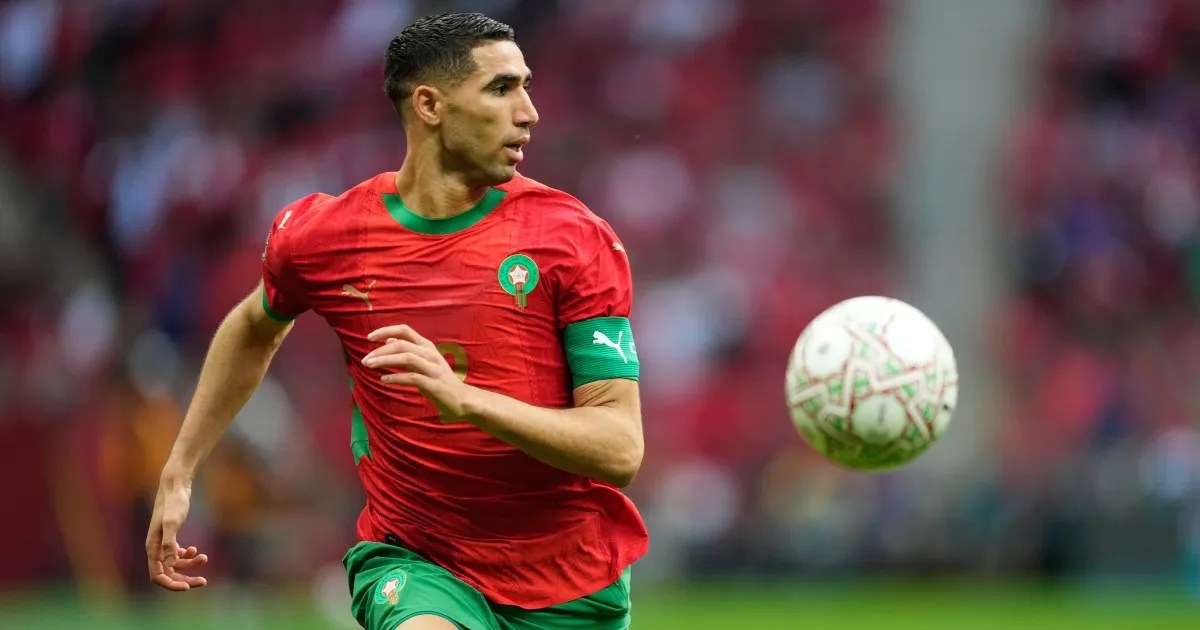 “At last, Morocco have arrived at the tournament they are hosting. For four games they had played scratchy, crabbed football. Finally, in a spiky, ill-tempered quarter-final, there was something more like the Morocco that reached the semi-final of the World Cup two years ago. If the game wasn’t fluent, that was largely Cameroon’s doing as they spoiled and delayed and sought treatment for injuries. But the hosts, for the most part, retained their cool, protecting a lead earned with verve in the first half with maturity in the second. …”
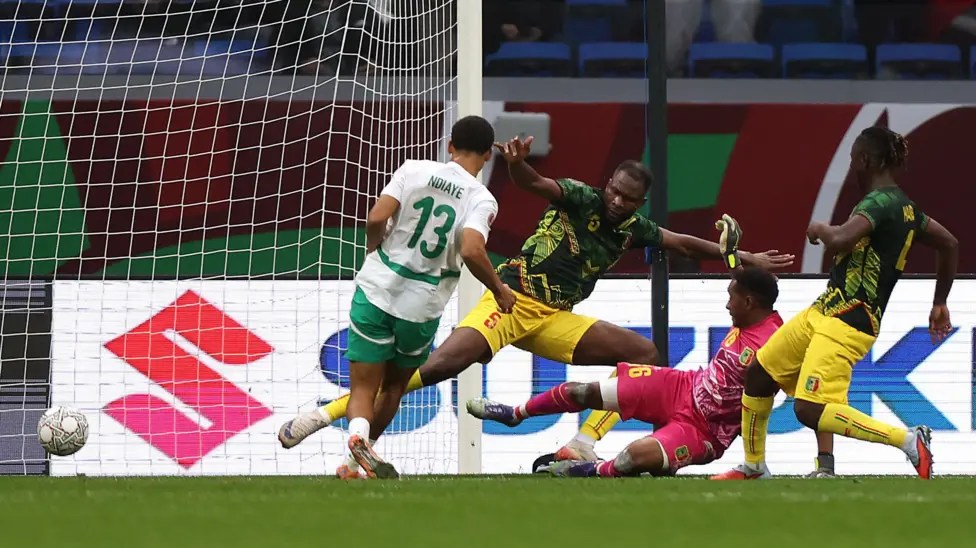 Iliman Ndiaye netted his first goal at Afcon 2025 to send 2021 champions Senegal into the last four
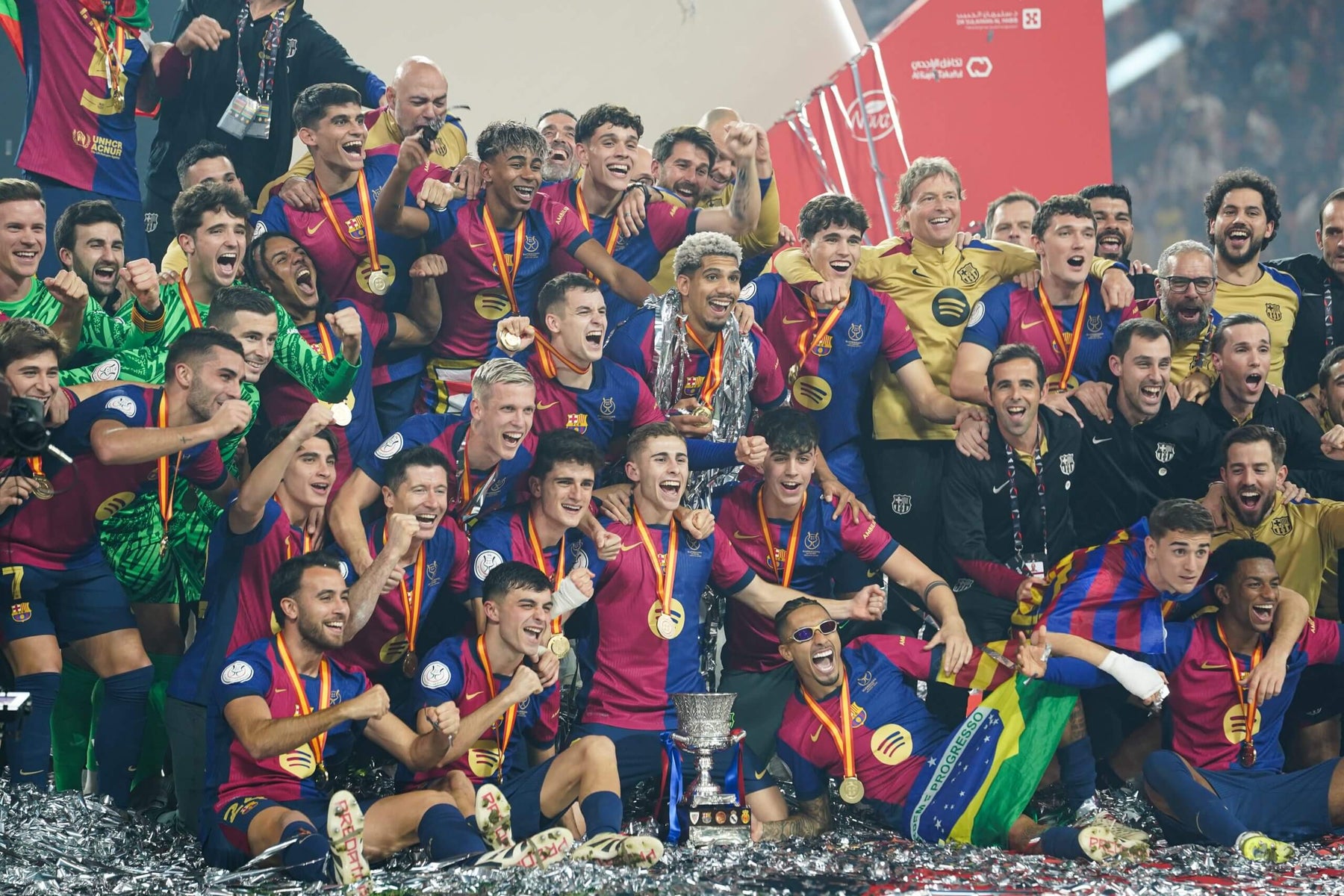 “The Supercopa de Espana, Spain’s equivalent of the English Community Shield, kicks off with Barcelona’s semi-final against Athletic Club on Wednesday… in Jeddah, Saudi Arabia. For six of the past seven seasons, the Supercopa has been held as a four-team mini-tournament in the Gulf nation. Saudi Arabia has a contract to host the event until 2029, although The Athletic reported on Wednesday that the Spanish football federation (RFEF) is considering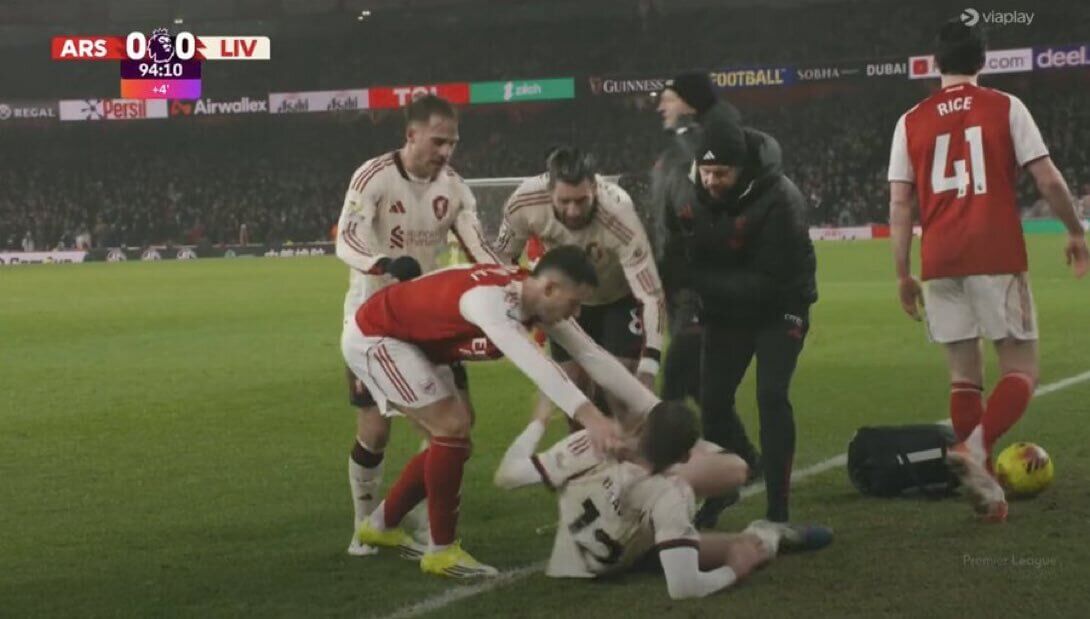
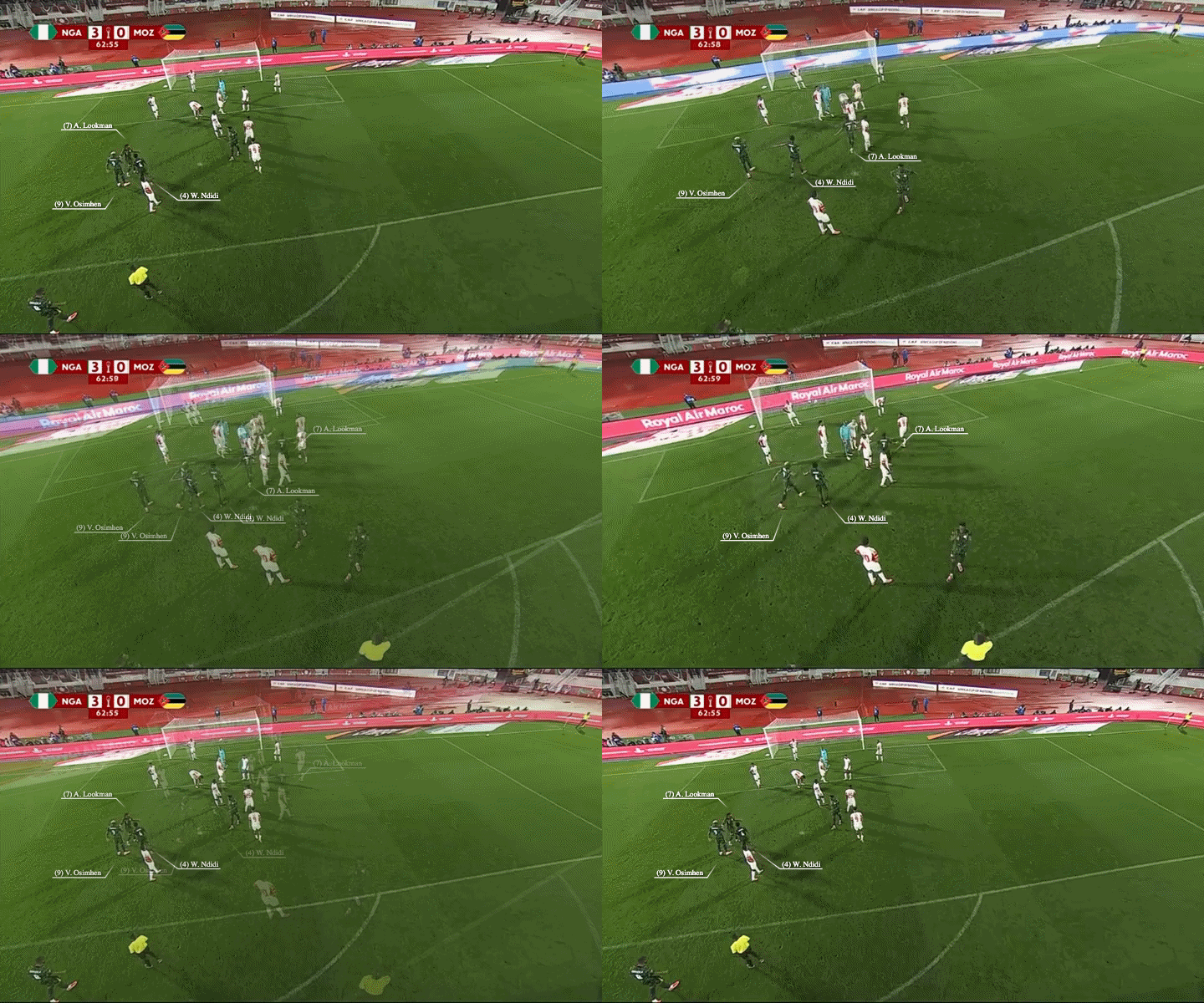
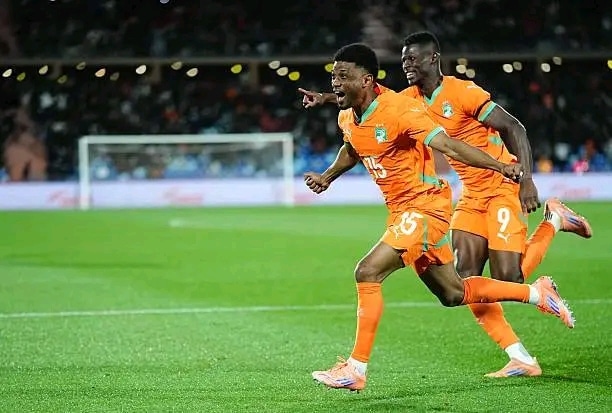
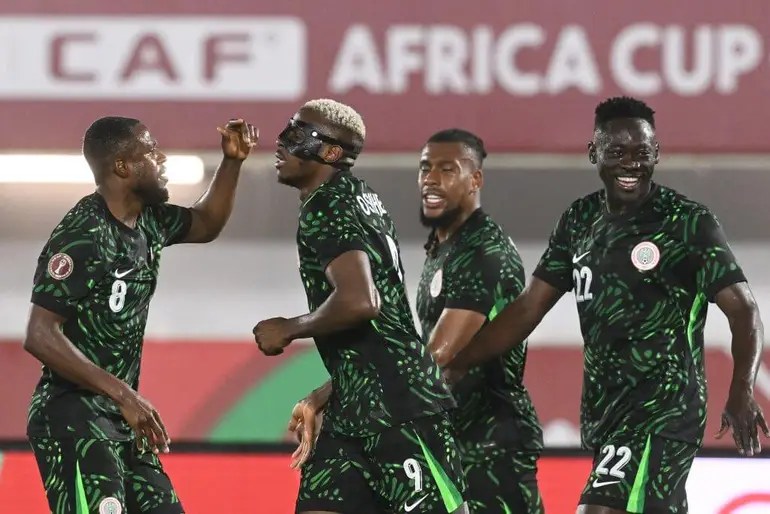 “Nigeria outclassed Mozambique to set up an Africa Cup of Nations (AFCON) quarter-final against Algeria or DR Congo. The Super Eagles were runners-up in 2023 and, while they were always likely to beat outsiders Mozambique, this performance and their form so far in Morocco suggest they will take some stopping. They won all three group games and were dominant in Fes on Monday, with Ademola Lookman opening the scoring, Victor Osimhen netting twice and Akor Adams also on target. …”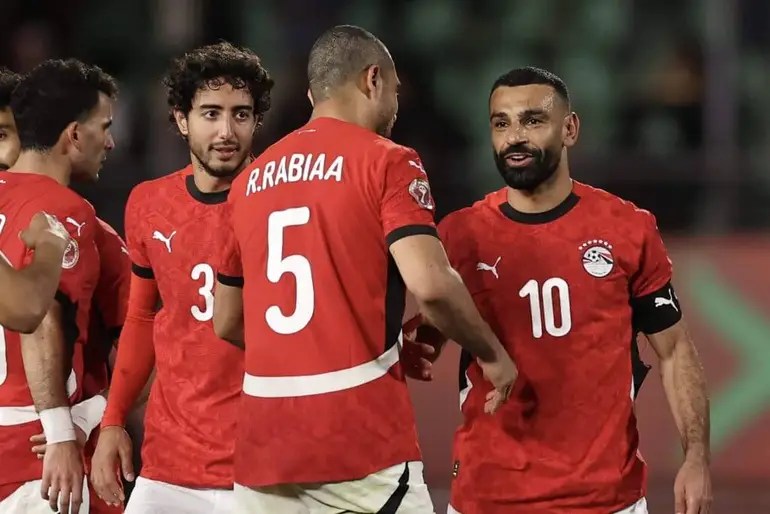
 “Harrison Reed hardly gets on the pitch nowadays. The Fulham midfielder is often left on the bench or out of Marco Silva’s Premier League matchday squad altogether. Prior to coming on in the 92nd minute against Liverpool on Sunday, Reed had amassed a meagre six minutes of action across two top-flight appearances in 2025-26 and has been an unused substitute on 10 occasions. …”
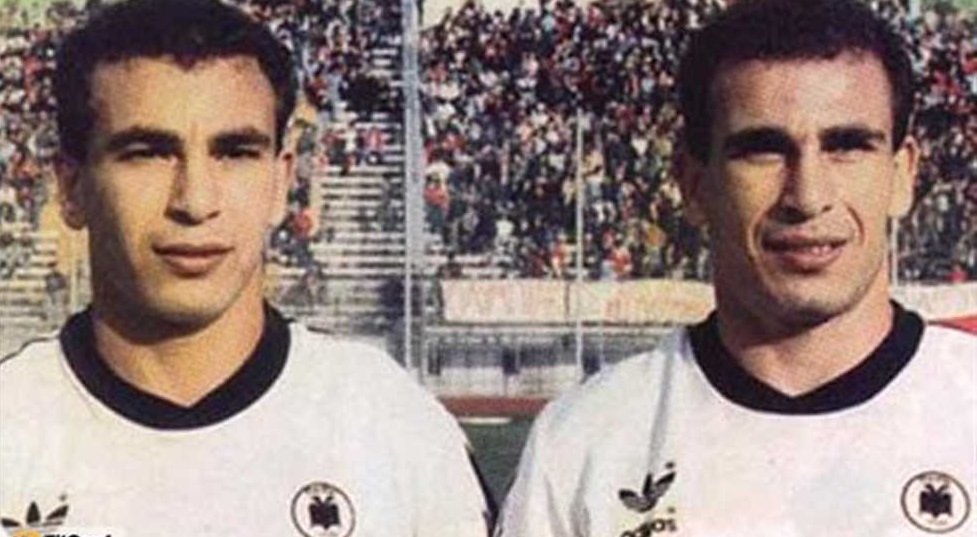 “Speaking to the sporting press in Agadir last week, a calm Hossam Hassan, coach of the Egyptian national team, expressed his distaste for holding the Africa Cup of Nations in four year cycles. The 59-year-old’s words were strong, albeit in a much calmer demeanor than what Egyptian football fans have come to expect from him: ‘Can you change the European system? You can’t. I’m not speaking in my capacity as the Egypt national team coach, but as an African player. God willing, we will fight for our rights.’ His words were uncharacteristically lacking self-recognition, referring to himself as ‘an African player.’ Just an African player, as if to blend with the myriad players who belong to this illustrious continent and its rich footballing history. …”
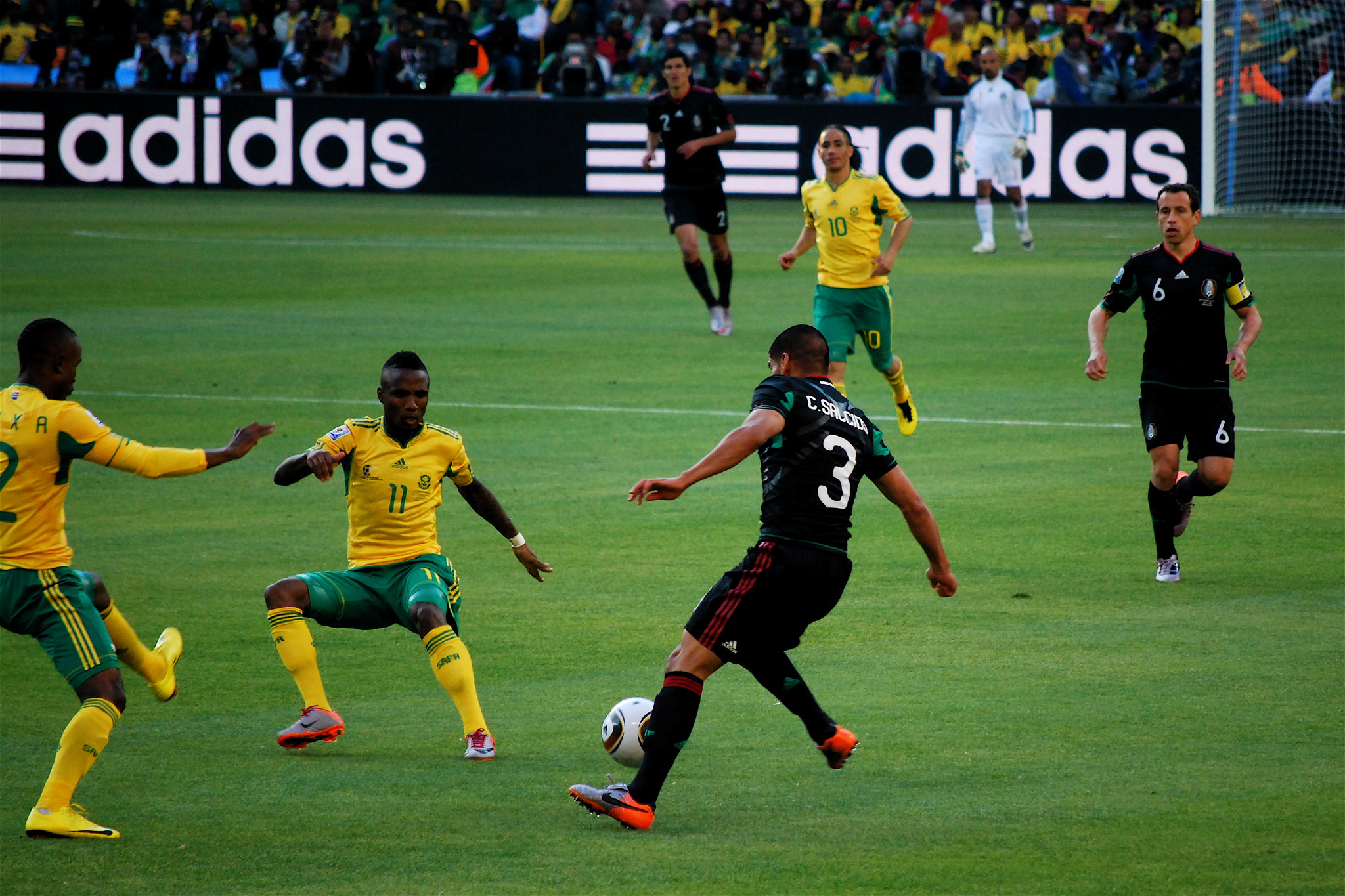 “The connection between sport and politics is implicit, particularly in African football. The beautiful game has long functioned as a site of resistance, liberation, identity, and togetherness. These politics surface at every level of the game: from the federation to the team, from players to fans. But, then there is Bafana Bafana. The South African men’s national football team exists in a curious parallel universe. Despite football being the country’s most popular sport, the national selection can shrug off political codes in a way others cannot. This is uncharacteristic, especially considering how the country’s affinity for political discourse permeates elsewhere. …”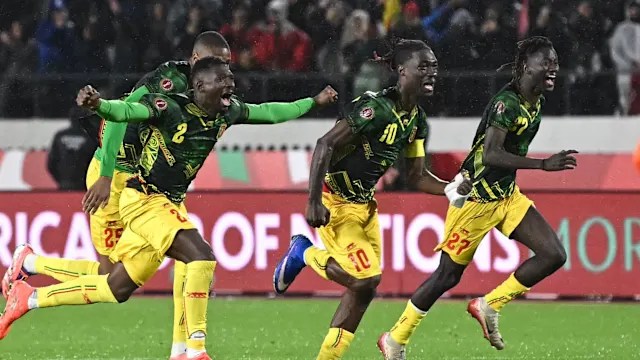
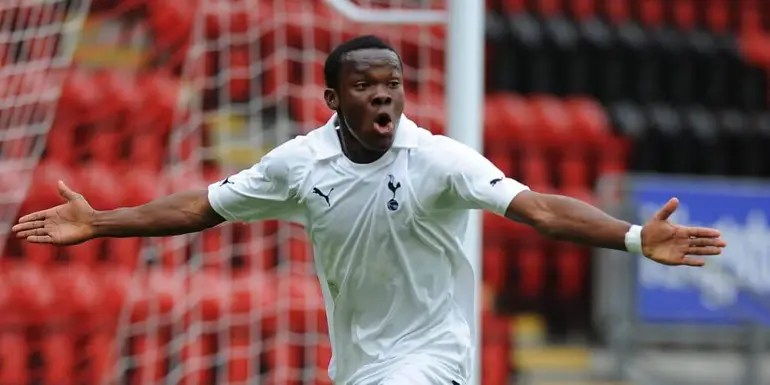
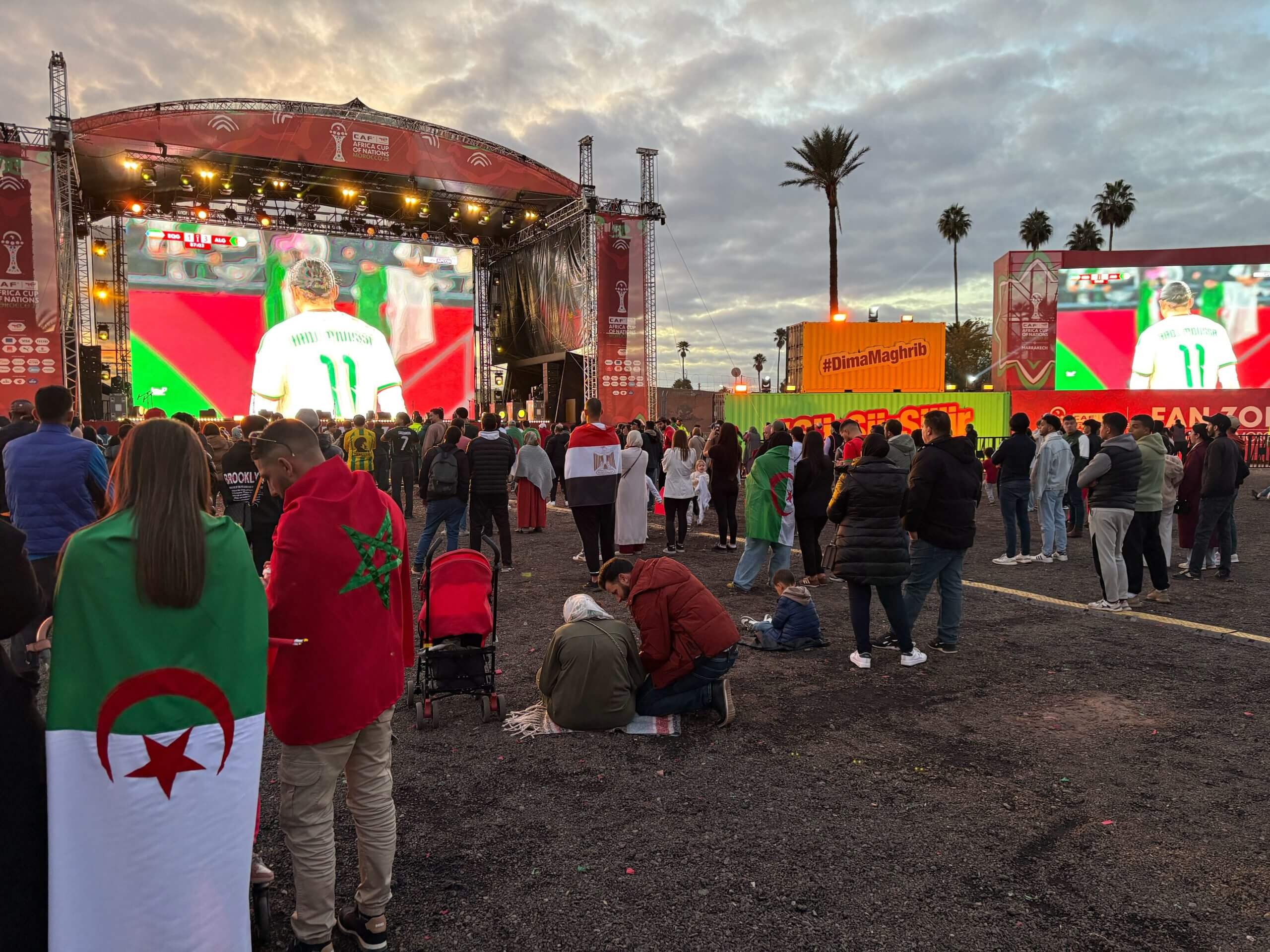
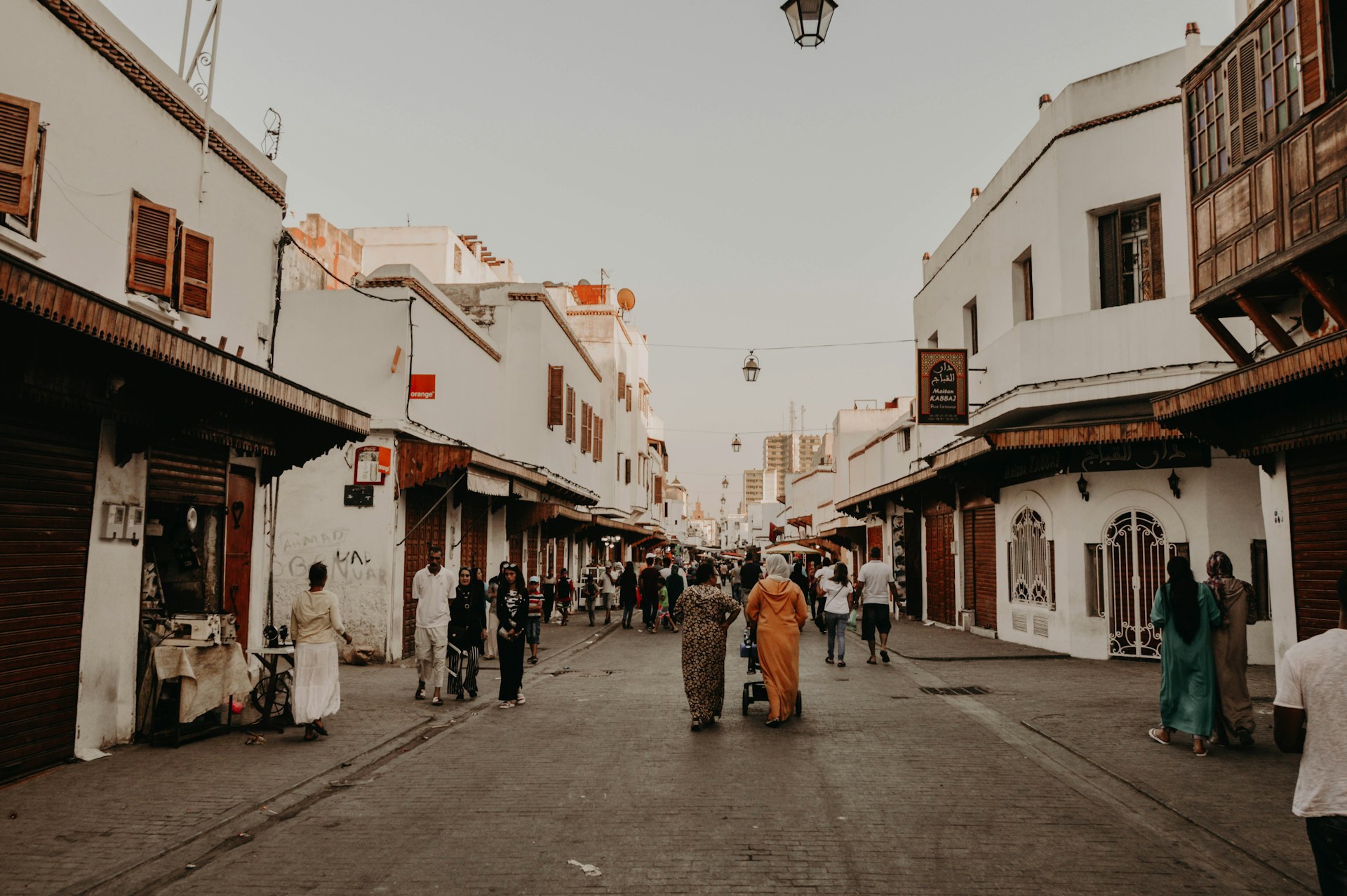 “Ahead of South Africa’s final group match against Zimbabwe, Bafana Bafana head coach Hugo Broos sat down with a gaggle of South African journalists, and in a moment of candor sparked a debate that has since rippled across the African footballing world. ‘In the Ivory Coast and in Gabon, every second of the tournament you felt that you were in a tournament,’ Broos said. ‘When we went by bus to training, people were waving flags, running alongside us. Here, you see nothing. There is no vibe. There is no typical AFCON vibe. I don’t feel it here.’ The remarks proved divisive. Some echoed Broos’ assessment, while they angered others. Those who agreed with him drew comparisons between the ongoing 2025 Africa Cup of Nations and the 2023 edition in Côte d’Ivoire, arguing that the current tournament lacks some of the spontaneity, warmth, and energy that defined the last AFCON. …”
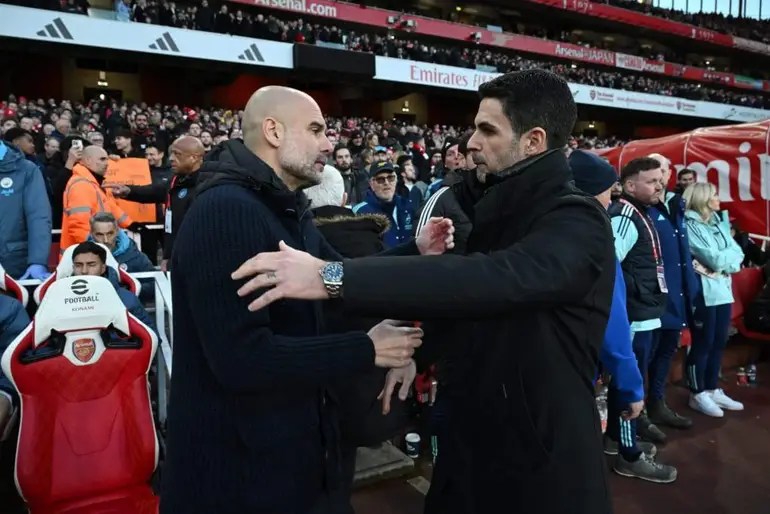 “In the words of Jon Bon Jovi, we’re halfway there. Woah! As we enter a new year, the Premier League reaches the halfway mark, a perfect time to assess how each team has performed in their first 19 games of the season. We asked The Athletic’s writers to send in their report cards. Here, they grade each team and tell us what the biggest surprises and disappointments of the campaign have been so far. …”
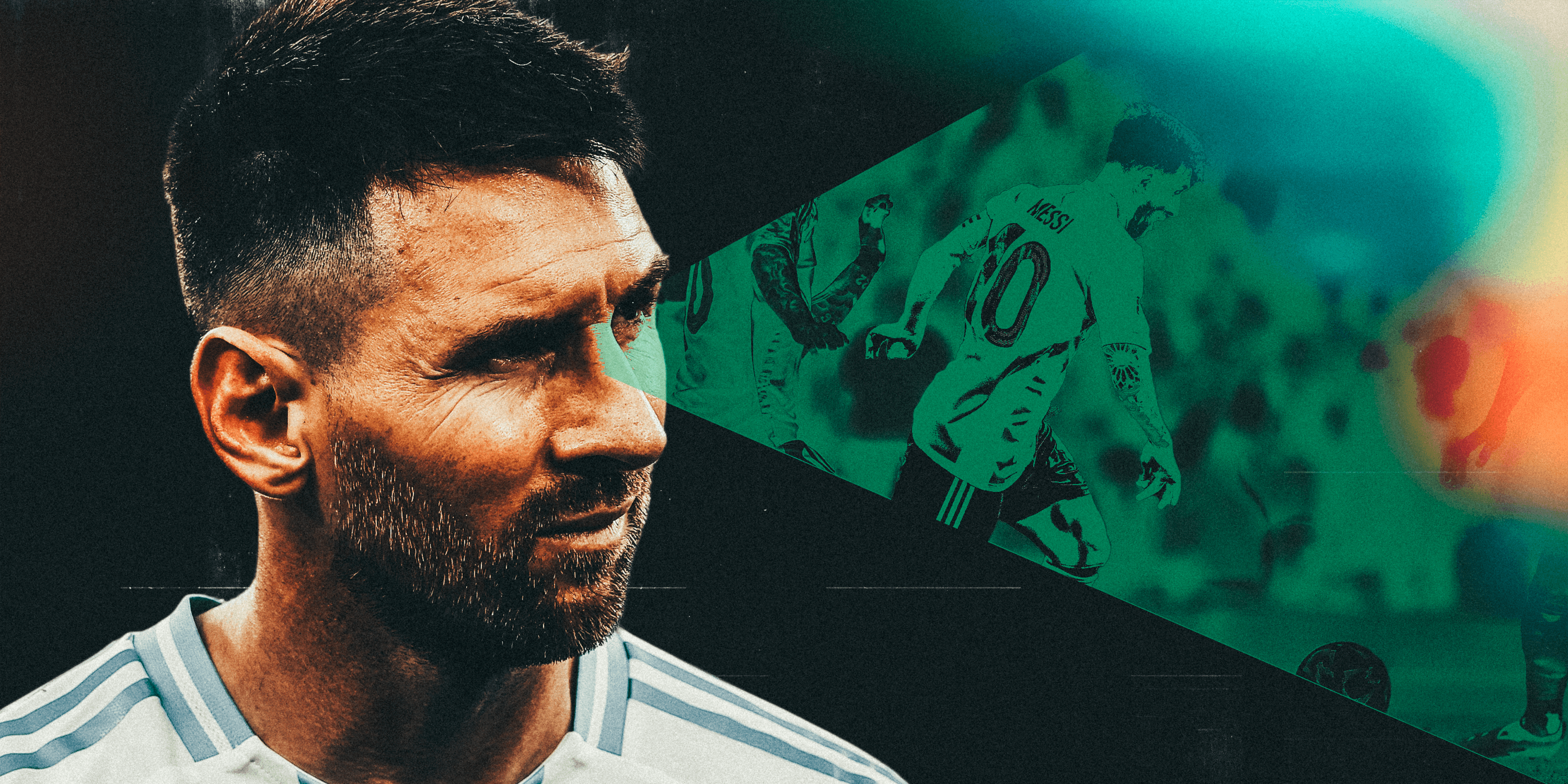
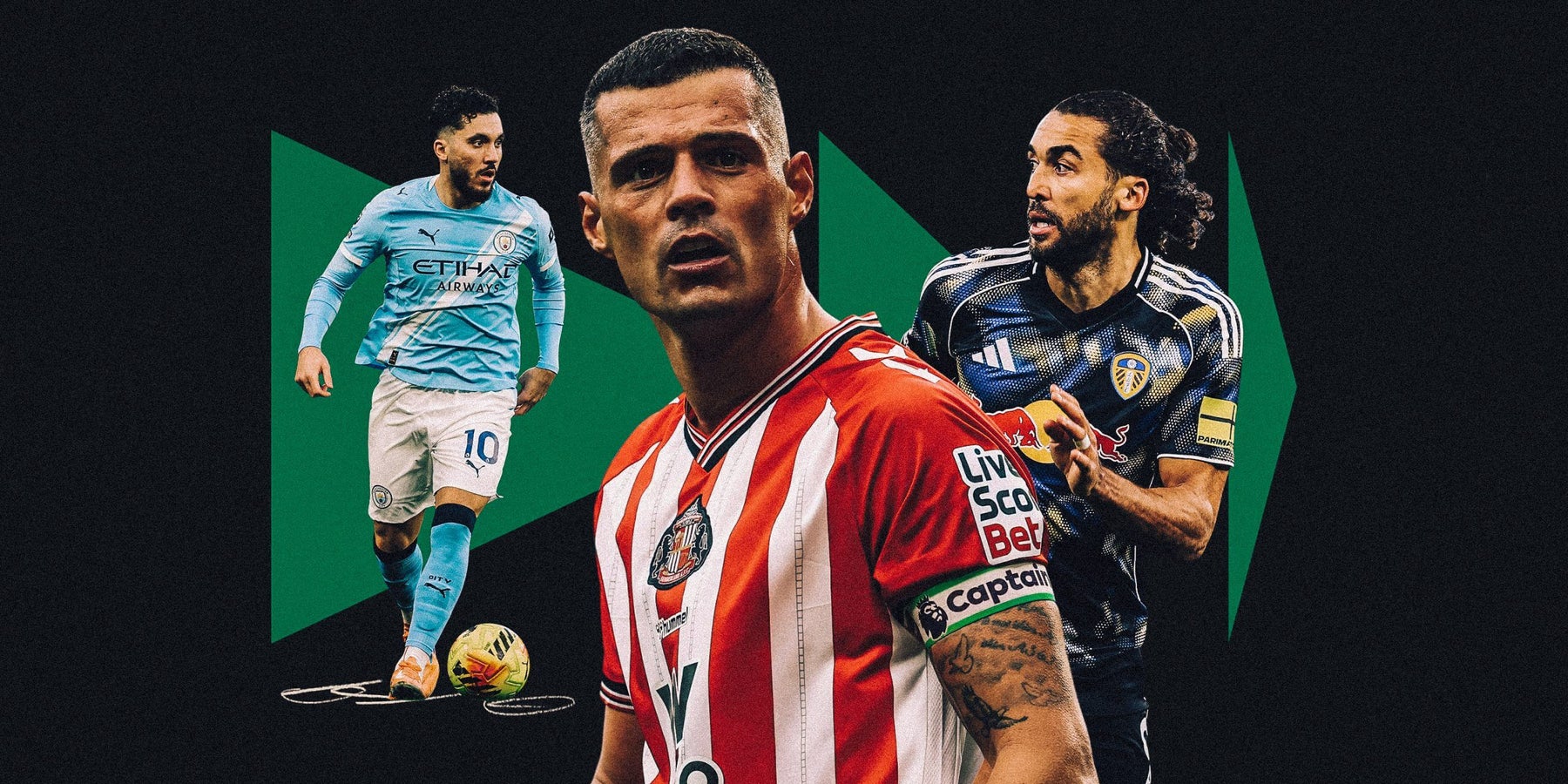 “Bing-bong. Happy New Year, the winter transfer window is here! Congratulations to all who celebrate. To mark the re-opening of the market, we thought we’d revive an article which generated such an incredibly warm reaction in the comments section last time around; yes, ranking the impact made by all 155 Premier League summer signings! We did it in September, we did it in October, and if you didn’t think we were going to do it in January, well, you really don’t know us that well at all. Basically, it’s the 155 signings made by the 20 Premier League clubs in summer 2025, judged on their impact. …”
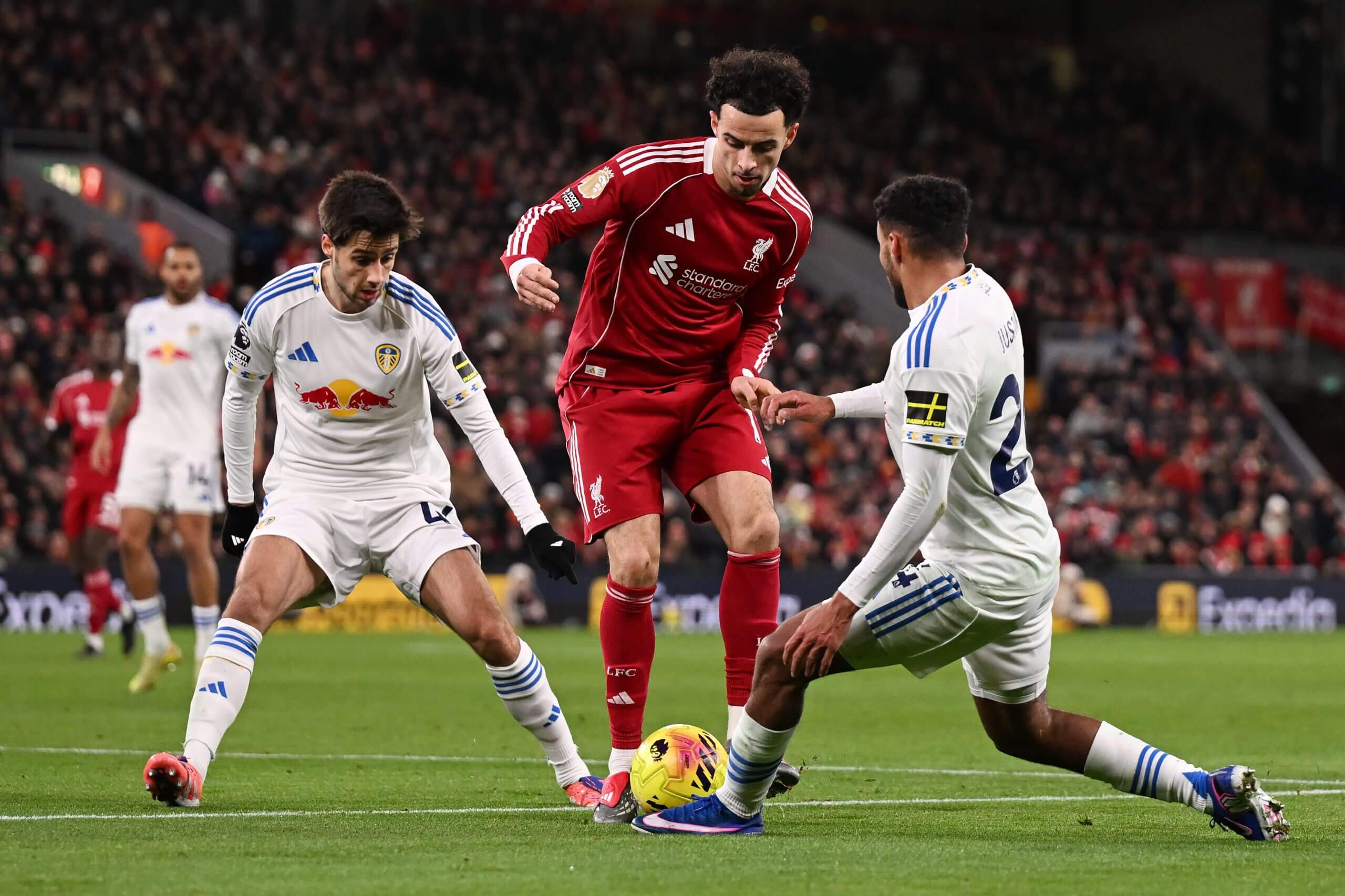 “Leeds United have ended Liverpool’s run of three successive Premier League wins with a goalless draw at Anfield that was as frustrating for the home side as it was satisfying for the visitors. Daniel Farke’s team, unbeaten in the league since November, controlled and frustrated Liverpool for much of the game — and went in 0-0 at half-time thanks to some diligent defending. The second half followed the same pattern with Liverpool struggling to carve out clear-cut chances. Leeds momentarily thought they had taken the lead in the last 10 minutes, only for Dominic Calvert-Lewin — who had come on as a substitute — to see his neatly-taken goal disallowed for a narrow offside. …”

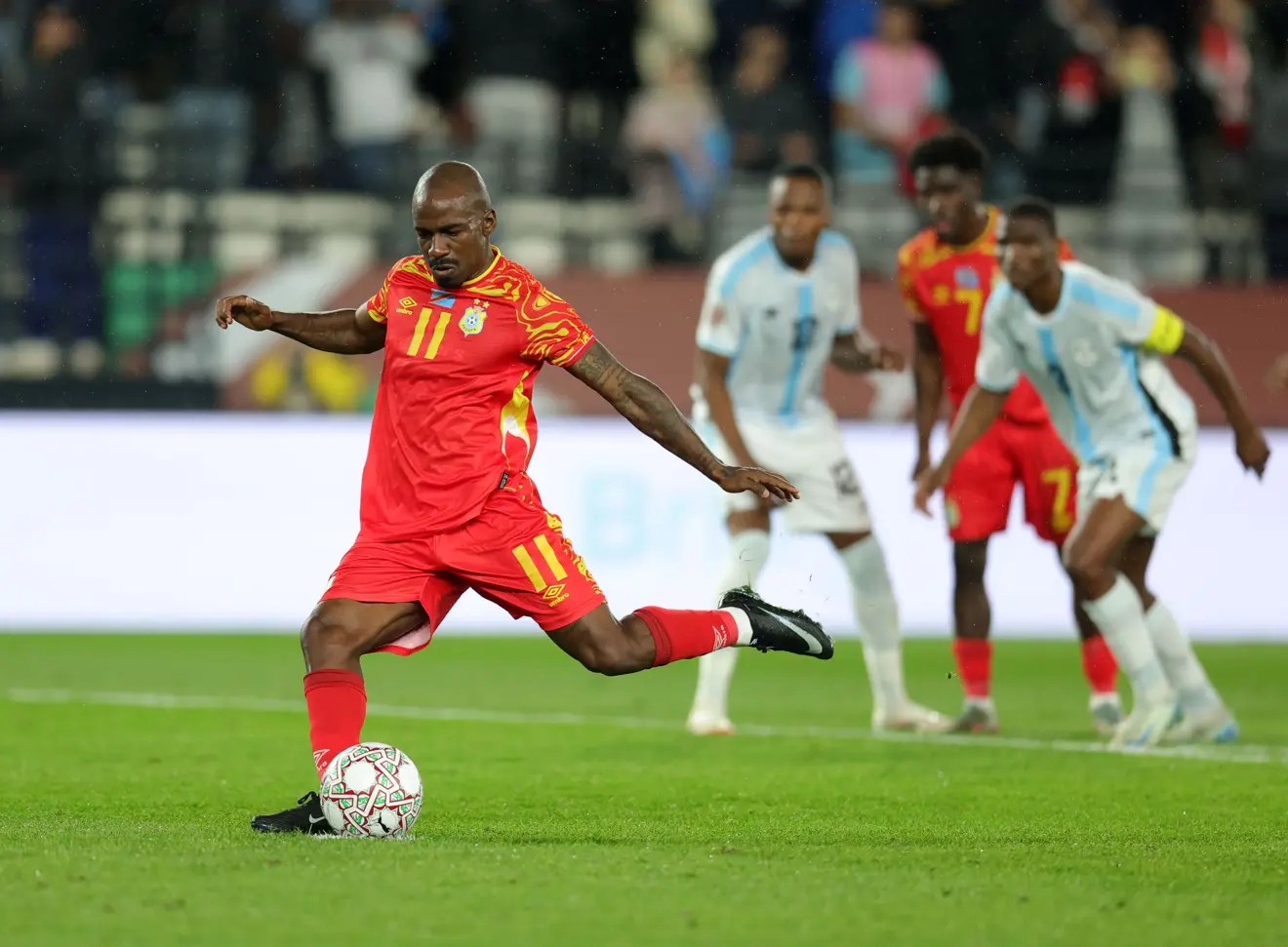 “Senegal underlined their TotalEnergies CAF AFCON title credentials with a commanding 3-0 victory over Benin in their final Group D encounter, in an entertaining contest played in Tangiers on Tuesday evening. The former African champions made a purposeful start and were rewarded in the 38th minute, when Abdoulaye Seckrose highest to power home a header from Krépin Diatta’s well-delivered set piece, giving Senegal a deserved lead at the interval. Benin showed greater urgency after the restart, testing Édouard Mendy through efforts from Aiyegun Tosin and Junior Olaïtan, but Senegal remained well organised at the back and clinical in their attacking play. Senegal doubled their advantage in the 62nd minute, with star forward Sadio Mané turning provider, slipping a neat pass into the area for Habib Diallo, who made no mistake with a composed left-footed finish from close range. …”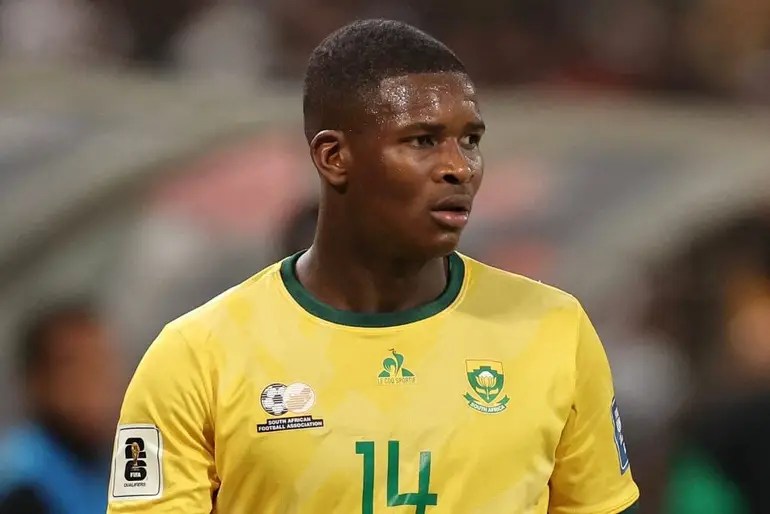
 Scissors Kick