“In a new series from The Athletic, ‘The Language of Soccer’, we spoke to supporters of all 48 participating nations in the men’s 2026 FIFA World Cup. Our aim is to capture each country’s unique fan and football culture, told through their voices. We asked these fans to come up with a single phrase that best encapsulates the experience of being a supporter of their national team. We then put the suggested phrases to a vote, using supporters’ groups and networks to gauge the opinions of as many fans as possible. The winning phrase is the one you will see below and around which each country’s story is framed. This exploration of these nations’ rich and diverse football culture and traditions touches music, food, history, language, psychology and much more. We will be publishing all 48 articles before the World Cup begins, starting with one group per day and we will update this page as they come out. …”
NYT/ATH (Video)
“2026 World Cup is less than a week away, and it’s gigantic. Three countries, 12 groups, 48 teams, 1,248 players. But enlargement brings complexity. There is so much to learn ahead of the big kick-off next Thursday and a rapidly decreasing window in which to do so. Welcome, then, to The Athletic’s 2026 World Cup Tactical Group Guides, which will walk you through the key battles on the pitch, tell you about the players to look out for, and offer up some fun facts to impress your friends with ahead of the tournament.
GROUP G: De Bruyne, Salah, Taremi and Wood face off in battle of the veterans
GROUP H: Spanish control, Uruguay’s relentlessness, and two dark horses?
GROUP I: How will France, Senegal, Norway and Iraq contest the group of death?
GROUP J: Austria’s intensity, Algeria’s transitions, and is Messi still Argentina’s key man?
GROUP K: Pacy Colombia, fluid DR Congo and can Ronaldo lead Portugal to glory?
GROUP L: Croatia’s veterans, Ghana’s gamble, and can Tuchel make England unpredictable?
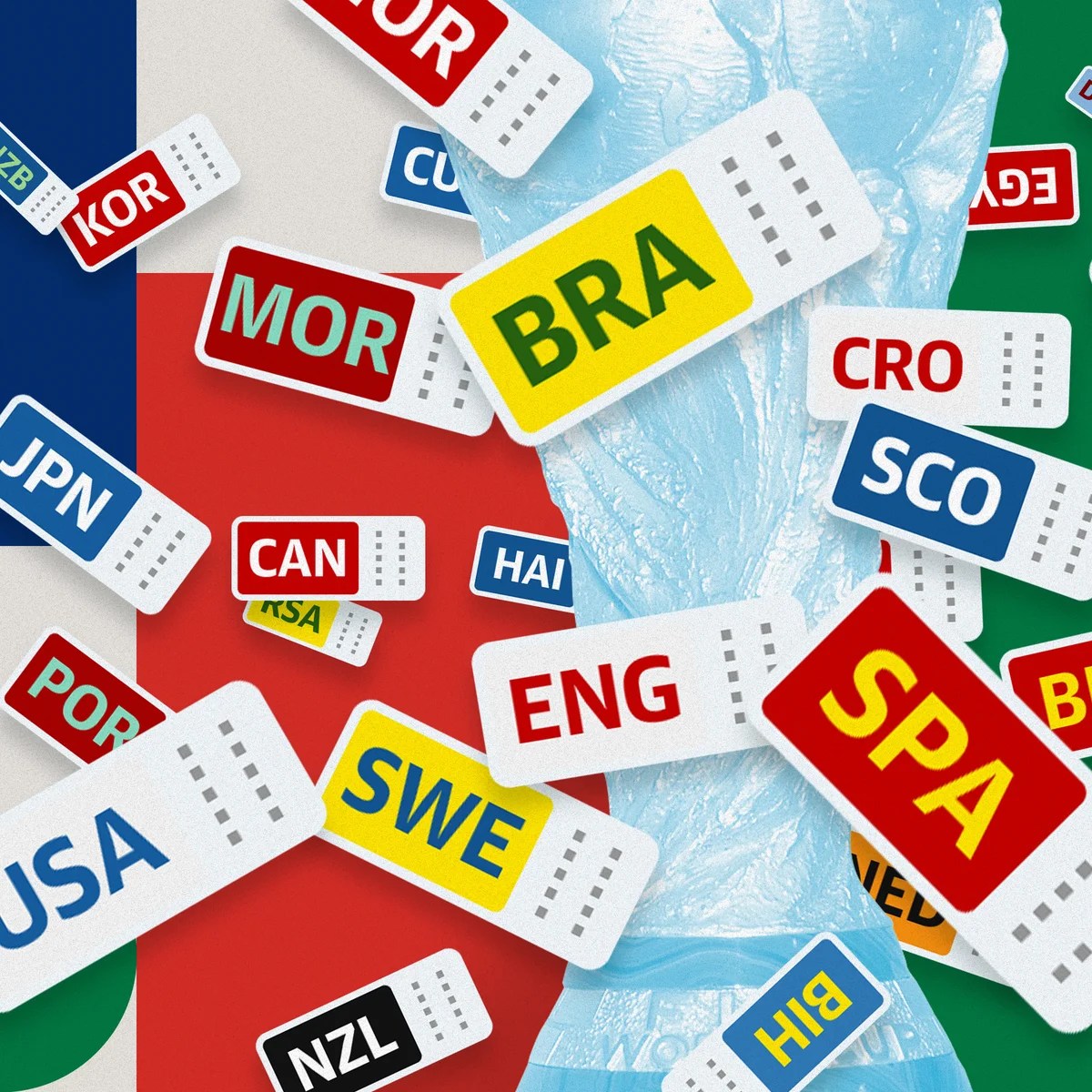 “How it works. The progress of the World Cup from match to match is determined from the beginning: there are no further draws to decide who plays whom in subsequent rounds. To maximise the spectacle, the competition is structured, broadly, to ensure that the “bigger” teams don’t face each other (and knock each other out) too early in the competition, and to ensure that all 48 teams have an incentive to field their strongest side for every fixture. The top two teams from each group automatically qualify to the next round. Because the winner of a group will face a second- or third-placed team from another group, the hope is that France, for instance, will not rest on their laurels once they have enough points to qualify for the knockouts but will try to win their last game to get what in principle are easier opponents in the next round, the last 32. …”
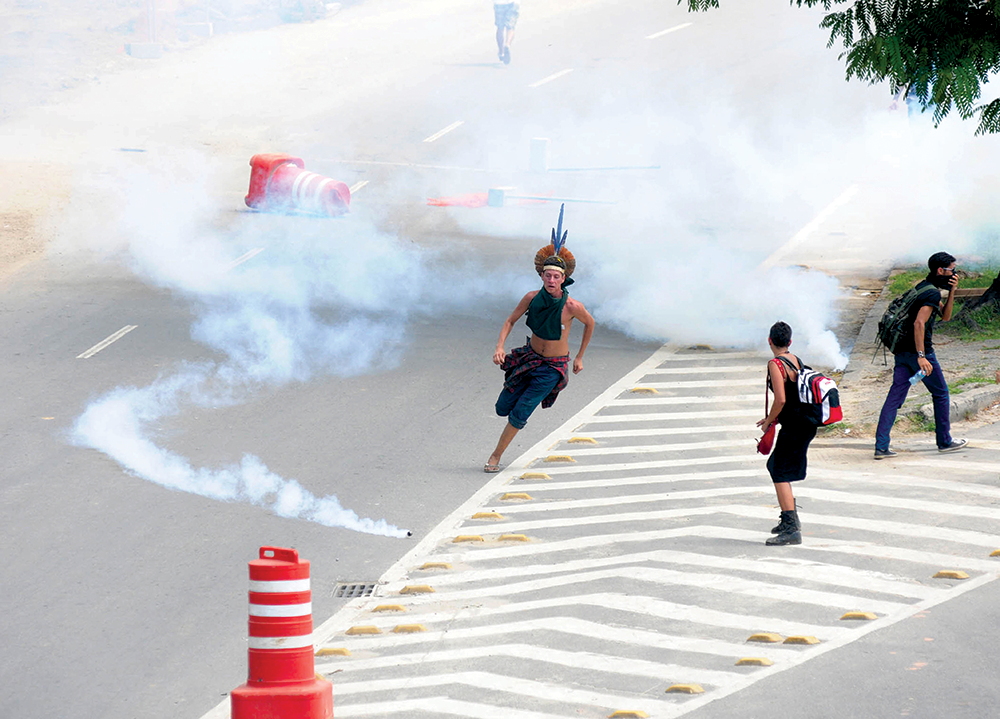 While demonstrating against the 2014 World Cup, protesters clash with police outside of Maracanã Stadium following the removal of indigenous Brazilians camped in Rio de Janeiro’s Museu do Índio.
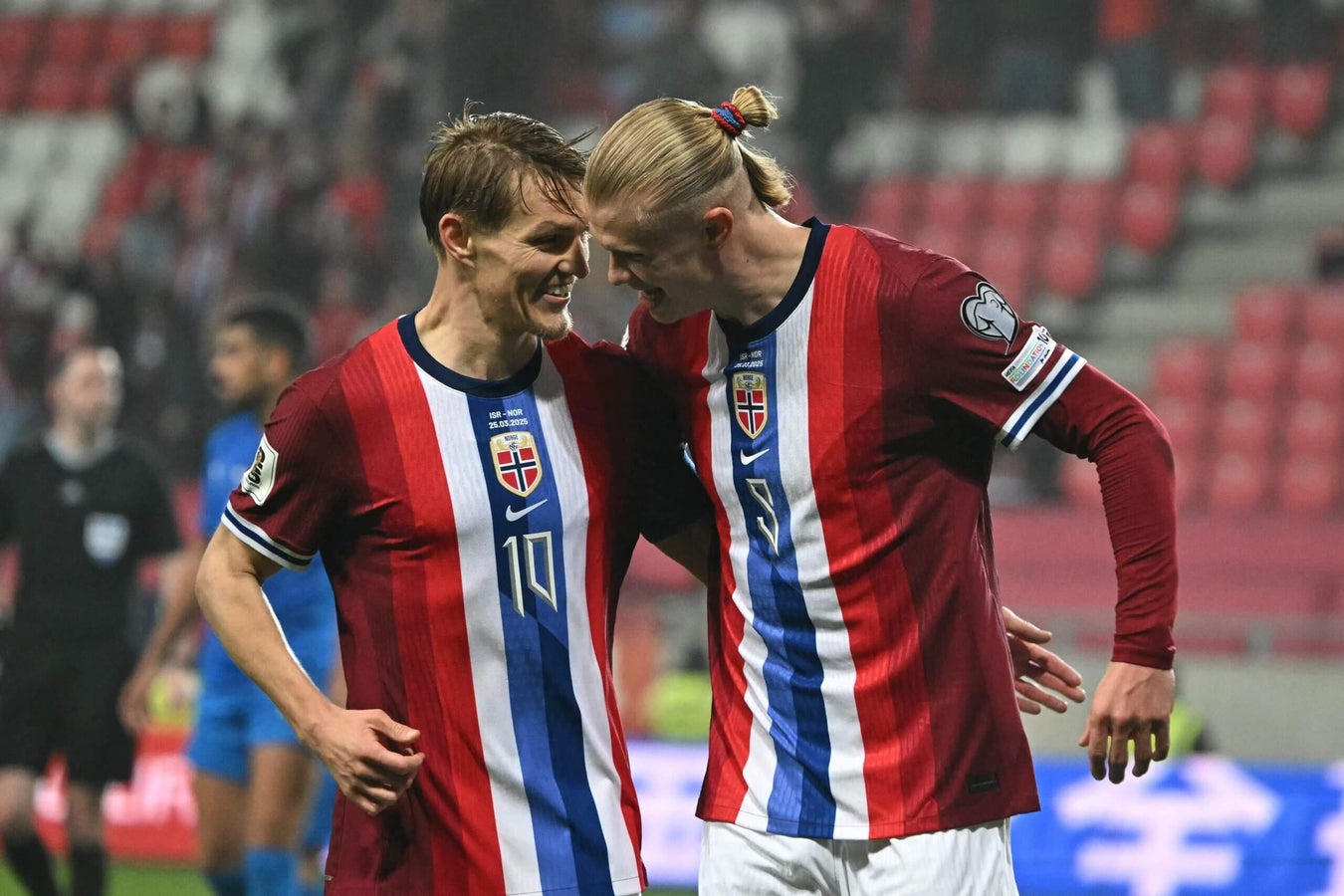 “Every World Cup needs them, those ‘dark horse”’nations who perform well in qualifying, enjoy some success in their respective continental tournaments and then threaten to upset the heavyweights. The term itself comes from 1830s horse-racing gambling — for an unknown horse for whom it was hard to assign betting odds. In the two centuries since, it’s been slightly corrupted as a footballing term. We have surprise packages, who emerge during the tournament, and that’s what dark horse should mean based on its etymology. …”