“How badly did German football need last season? New champions for the first time in 11 years and a story, in Bayer Leverkusen, that managed to exist independently from Bayern Munich. It brought fresh eyes to the Bundesliga and set an important precedent. How can 2024-25 follow that? Early signs are promising — the challenge is broader at the top of the table and there will be no procession for anyone. St Pauli and Holstein Kiel have been promoted to the top flight, rival chief executives are already rattling sabres in the media and Deutsche Bahn, Germany’s much-criticised rail network, has promised to get everyone to the stadiums on time. …”
NY Times/The Athletic
Author Archives: 1960s: Days of Rage
Inside the Silverdome, the first indoor World Cup stadium: ‘This is something of a miracle’
“What I remember the most about my visit to the ruins of the Pontiac Silverdome in 2016 is how the place sounded. The way the wind played with the tattered roof panels and whipped past the support cables of the dome, playing them like guitar strings. As I walked across the playing field, I’d occasionally hear bits and pieces of metal hardware falling from above and hitting the ground around me. It was a little unnerving. The stadium in the northern suburbs of Detroit, Michigan, had been disused for years by the time I arrived with my camera. A snowstorm in 2013 had torn the roof to shreds. A year later, much of the equipment was auctioned off, leaving the place an empty shell. At that point, the once-sterile, polished stadium had begun to fall back to nature: I remember gazing downwards at my feet and seeing tiny shoots of natural grass pushing their way up through the artificial turf. …”
NY Times/The Athletic
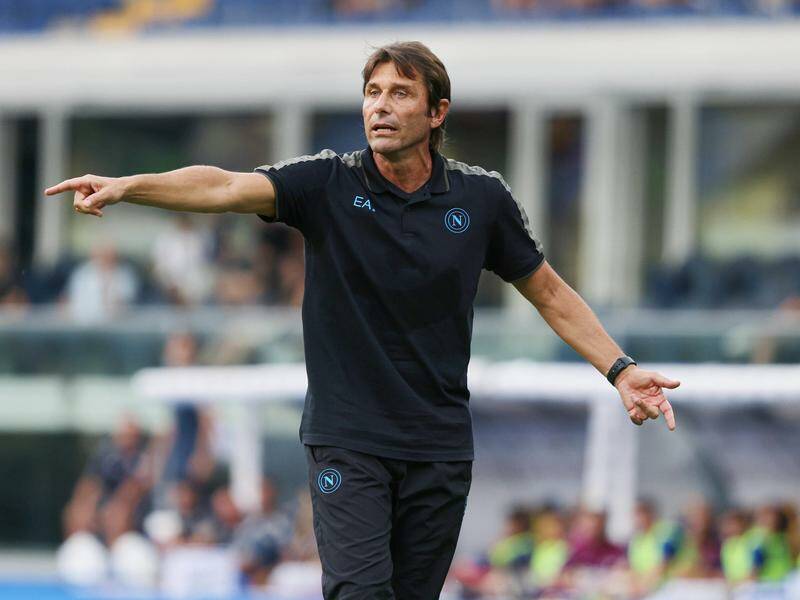
Antonio Conte can make few promises as Napoli reign begins with bad defeat

If the four-time Scudetto winner was supposed to cure Napoli’s ills, a 3-0 defeat to Verona soon nixed that idea
“Antonio Conte was ready to lead by example. Asked what fans could expect from Napoli this season, during his official unveiling as manager in June, he promised the team would have ‘una faccia incazzata’ – ‘a pissed-off face’. On the eve of their season opener at Verona, he showed up with one of his own. … Some desire to temper expectations was understandable. Conte’s appointment brought an immediate rush of optimism to a club that was coming off one of the worst-ever title defences. Serie A champions in 2022-23, Napoli crashed to 10th last season, finishing 41 points behind the Internazionale team that dethroned them. …”
Guardian
Why Guardiola, Maresca and Salah love chess: Space, patterns and ‘controlling the centre’
“What do Pep Guardiola and Enzo Maresca have in common? Coaches wedded to a certain style of football? Midfielders who became managers? Worked together at Manchester City? Bald? All of these things are true, but that’s not the answer we have on the card. The answer we’re looking for? Chess. Both men, who meet at Stamford Bridge this afternoon, are keen proponents of the idea that football can learn plenty from chess, and they as coaches can take valuable lessons from it too. After leaving Barcelona in 2012, Guardiola took a sabbatical and travelled to New York, where he met with Garry Kasparov, the Russian grandmaster. He has also studied the methods of the world’s top-ranked chess player, Magnus Carlsen. …”
NY Times/The Athletic
Chess, W – Chess, W – Computer_chess

Game Of The Century | Byrne vs Fischer (1956)
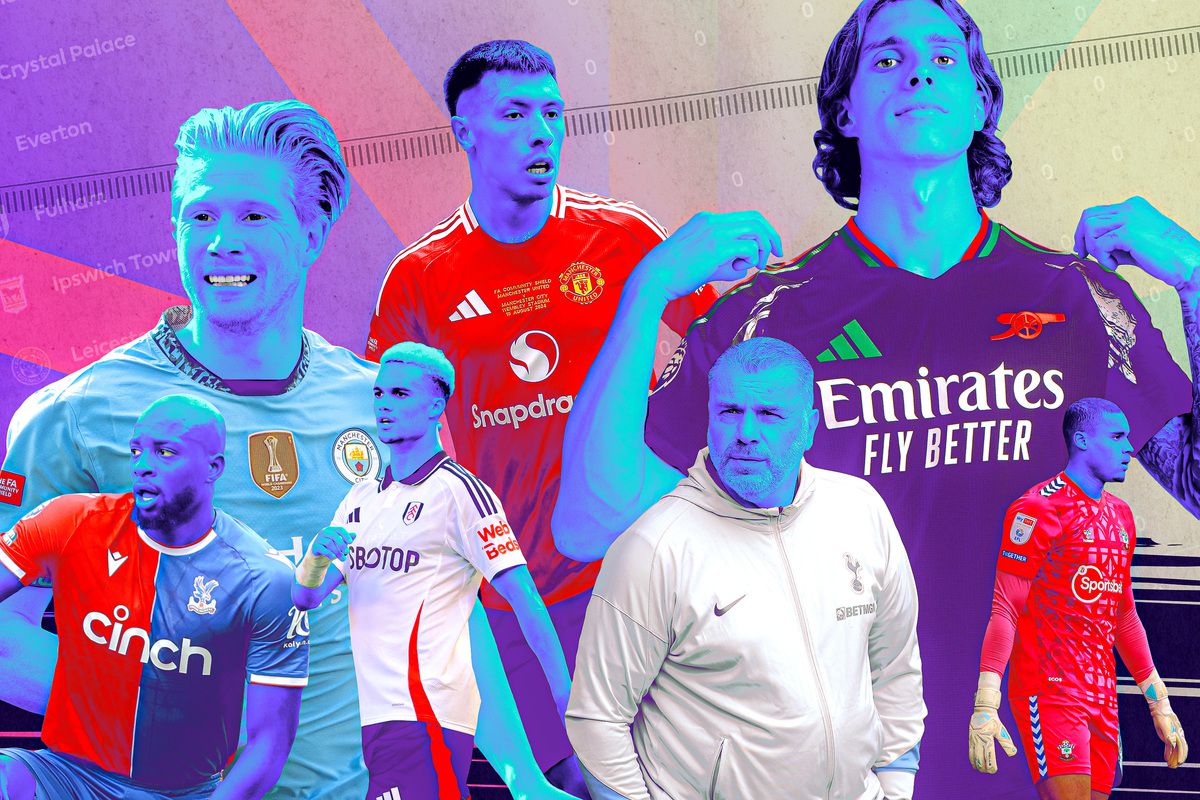
The Biggest Question Facing Every Premier League Team
“The most popular soccer league in the world returns on Friday at the Theatre of Dreams as Fulham visits Manchester United. If it feels like the soccer season is never-ending after the European Championships, Copa América, and Olympicinternational tournaments all summer, you’re correct. Just 89 days after Manchester City won a fourth straight Premier League title, the English top flight is back for the first of 38 matchweeks. While many in England remain on summer holiday, the clubs have been busy with preseason tours and final preparations for the grueling marathon season that will go into late May 2025. To preview the 2024-25 Premier League season, I ranked all 20 teams by posing the biggest question facing each club. …”
The Ringer
BBC: Who will finish in the Premier League’s top four?
Ajax and Panathinaikos’ penalty shootout analysed: 34 kicks and 24 minutes of drama
“Maybe we should have known right from the start that this was going to take a while. Panathinaikos’ Argentinian midfielder Daniel Mancini stepped up to take the first penalty of their shootout against Ajax, the Greek side having scored a late equaliser to force the Europa League qualifying tie on Thursday night to go to spot kicks. But while he did technically ‘take’ the penalty, he might as well have just blown on the ball for all the force he put behind it when he kicked the thing. A pathetic penalty that 40-year-old goalkeeper Remko Pasveer saved easily was the most appropriate way to start a shootout that featured slapstick, rank incompetence and occasional bursts of excellence. In total, there were 34 penalties. …”
NY Times/The Athletic
One tactical question for every club ahead of the 2024-25 Premier League season
“The Premier League returns tomorrow and a lot has happened since the 2023-24 season drew to a close. Chelsea have continued collecting players like there is no tomorrow, while Liverpool await the first signing of the Arne Slot era. Manchester United seem to have caught fans off guard by taking a sensible approach to transfers, while Tottenham Hotspur have pivoted towards youth (and Dominic Solanke) and West Ham United towards experience (and Crysencio Summerville). …”
NY Times/The Athletic
Why Liverpool want Giorgi Mamardashvili – the ‘Georgian Wall’ goalkeeper coveted across Europe
“Before an unforgettable footballing adventure had even begun, a nation had one man to thank. Such was the magnitude of Georgia’s penalty shootout win over Greece in March — a victory clinched by Giorgi Mamardashvili, and which ensured the country reached their first major international tournament — that every player, coach and member of the football federation received the Order of Honour from the national president. Mamardashvili’s reputation has rocketed after a shot-stopping clinic at that tournament, the European Championship in Germany this summer, with onlookers incredulous as the saves stacked up. It’s no surprise the man known as the ‘Georgian Wall’ has admirers — although Liverpool might not have been the first team on everyone’s lips to be among them. …”
NY Times/The Athletic
W – Giorgi Mamardashvili
The Premier League’s age timebomb: High prices and low supply are keeping out young fans
“It was in the House of Commons eight years ago that Justin Madders, the Labour MP for Ellesmere Port and Bromborough, spoke of his concerns for football’s long-term health. A private members’ bill put forward outlined the case for reform long before the notion of an independent regulator for the English game began to crystalise in 2021. There was a proposal to add a levy to all transfer fees to aid the grassroots game and another to offer matchgoing supporters greater protection against rescheduled TV fixtures. Madders also warned of what he called a ‘demographic timebomb’. The Premier League, he argued, had become prohibitively expensive for young supporters and faced losing a generation of fans. …”
NY Times/The Athletic
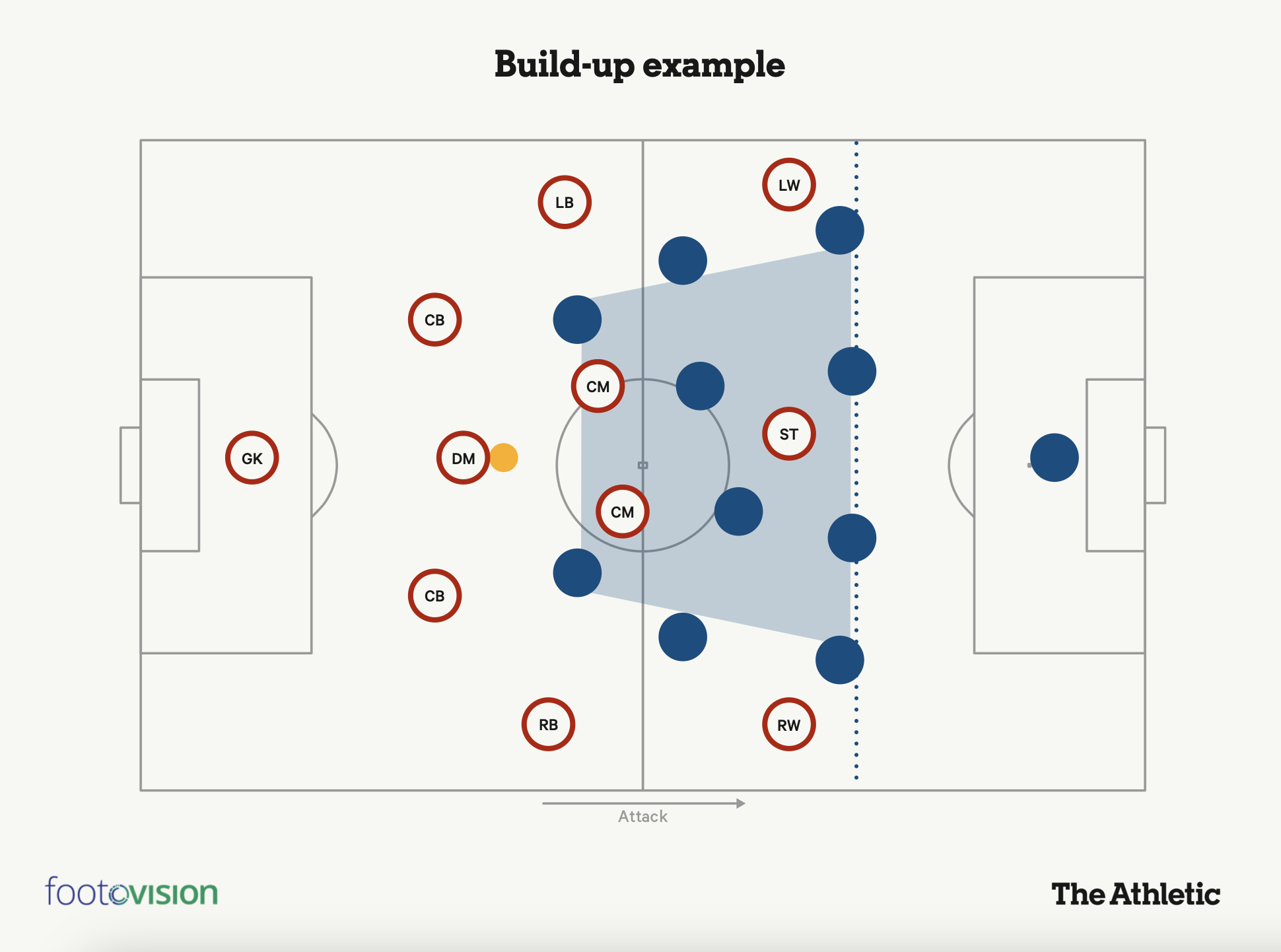
Build-ups, line-breaks and counter-pressing: How Premier League sides may evolve next
“We are just days away from the Premier League’s return. Saturday’s Community Shield meeting between Manchester City and Manchester United provided us with an amuse-bouche to the main event, but there is still time to build further excitement by asking some key tactical questions that might emerge ahead of the new campaign. To guide our path, The Athletic has picked out some statistical trends from last season with an exciting box of new tools to rifle through — using data from Footovision, an analytics company that uses video broadcast footage to combine event and tracking data to provide new contextual metrics at the team and player level. So, let’s dive in… …”
NY Times/The Athletic
2024-25 Premier League – Location-map, with 3 charts
“The map is a basic location-map, with an inset map of Greater London. Also shown are small labels which point out both the three promoted clubs (Leicester City, Ipswich Town, Southampton), and the three relegated clubs (Luton Town, Burnley, Sheffield United). And there are three charts… The Attendance chart, at top-centre of the map page, shows 4 things for each of the 20 current Premier League clubs…A) 2023-24 finish (with promotions noted). B) 2023-24 average attendance [from home league matches]. C) Stadium capacity [2023-24]. D) Percent-capacity [2023-24]. At the right-hand side of the map page are two more charts. The chart at the top-right shows Seasons-in-1st-Division for the 20 current Premier League clubs. …”
billsportsmaps
W – 2024–25 Premier League
The Transfer DealSheet: Latest on Man Utd, Arsenal, Liverpool, Real Madrid, Barcelona and more
“Welcome to the latest edition of the Transfer DealSheet, your weekly guide to what is happening in the summer window. Our team of dedicated writers, including Adam Leventhal and David Ornstein, will take you inside the market to explain the deals being worked on, the players who could arrive and the ones who are on their way out across the Premier League and beyond. In last week’s edition, we looked at Liverpool’s pursuit of a No 6 and the situation with Chelsea’s Englandmidfielder Conor Gallagher. The information found within this article has been gathered according to The Athletic’s sourcing guidelines. Unless stated, our reporters have spoken to more than one person briefed on each deal before offering the clubs involved the opportunity to comment. Those responses, where they were given, have been included in the Transfer DealSheet. …”
NY Times/The Athletic

Inter were made from AC Milan. Never forget that: The story of the Milan derby

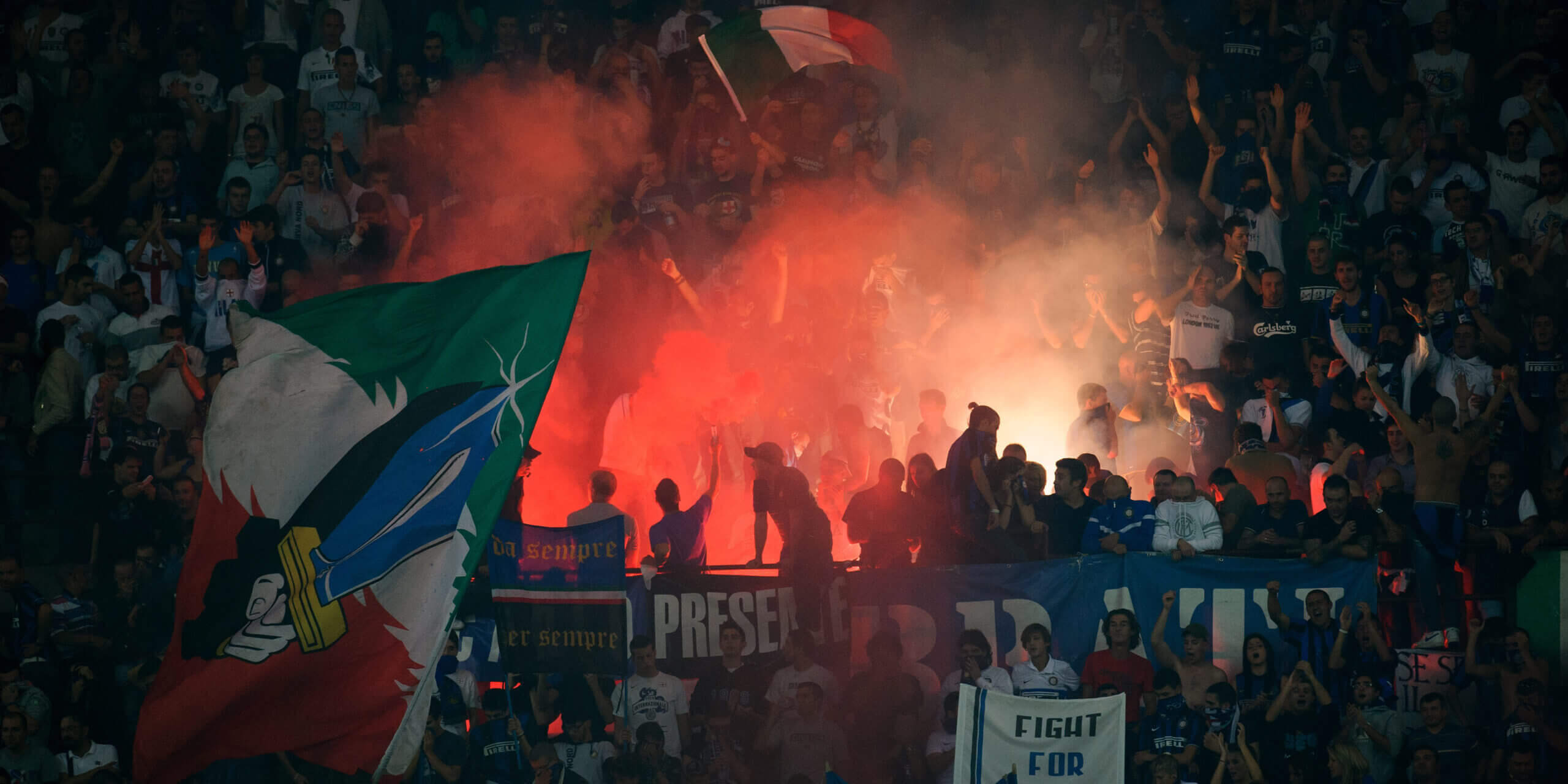
“Marco Materazzi’s elbow was out again and, in normal circumstances, Manuel Rui Costa would wince and brace himself for the impact. But this was no ordinary moment. Materazzi was leaning on his opponent’s shoulder in astonished repose as if they were at the Camparino bar in the Galleria, sharing a spritz. Inter’s enforcer did not seek to hurt Milan’s playmaker. Instead, they stood in shock and awe at what was going on in front of them, as plumes of grapefruit-coloured smoke streamed from dozens of flares. The image captured by the former Reuters photographer Stefano Rellandini came to define the Milan derby at its most extreme. …”
NY Times/The Athletic
“The Derby della Madonnina, also known as the Derby di Milano (English: Milan Derby), is a derby football match between the two prominent Milanese clubs, Inter Milanand AC Milan. It is called Derby della Madonnina in honour of one of the main sights in the city of Milan, the statue of the Virgin Mary on the top of the Duomo, which is often referred to as the Madonnina (“Little Madonna” in Italian). In the past, Inter Milan (commonly abbreviated to Inter) was seen as the club of the Milan bourgeoisie (nicknamed bauscia, a Milanese term meaning ‘braggart’), whereas Milan (nicknamed casciavit or casciavid, meaning ‘screwdriver’ in Lombard language, with reference to the blue-collar worker) was supported mainly by working class. Because of their more prosperous ancestry, Inter fans had the ‘luxury’ to go to the San Siro stadium by motorcycle (motoretta, another nickname given to the Nerazzurri). On the other hand, the Rossoneri were also known as tramvee or tranvee (i.e. able to be transferred to the stadium only by public transport). …”
W – Derby della Madonnina
Derby della Madonnina: Best Five Games
YouTube: Crazy Scenes In Milan As Inter Fans & Players Celebrate The 20th Scudetto In The Club’s History, Ultras World in Milano – AC Milan vs Inter (03.09.2022)

Algeria’s Équipe FLN: the movement that used football to fight for freedom

“Football has long proven to be more than just a game. National teams have unified entire populations. Take Brazil, for instance. In the early 20th century, it was a divided country with various takes on national identity. It wasn’t until they came together and won the 1958 World Cup that the nation truly started to move towards unification. It was in part thanks to football; that one, giant unifier that everyone in Brazil – rich, poor, black, white – could unite behind and identify as truly Brazilian. Now it’s seamlessly woven into their culture. You can’t think about Brazil without thinking of their legacy in football. Algeria can relate to that, just on a different scale. …”
These Football Times
Playing for Independence, The Story of Equipe FLN
The Soccer Fans That Toppled a Government – Michael Correia (2019)
“Algiers was in a celebratory mood when President Abdelaziz Bouteflika announced his resignation on April 2 after popular and military pressure. The crowd outside the central post office, an iconic early 20th-century neo-Moorish building, sang ‘La Casa del Mouradia,’ protesters’ anthem since their first peaceful march in February. It started on the terraces of the leading soccer club, USMA (Union Sportive de la Médina d’Alger). Its title refers to the presidential palace in Algiers’s El Mouradia district and to a hit Spanish television show about a gang of armed robbers, La Casa de Papel, or Money Heist. …”
The Nation

Young Algerian soccer fans sing and chant slogans during an April 12, 2019, demonstration against the country’s leadership. They’re on the peaceful front line of the protest movement, facing down water cannons with attitude, memes, and fearless calls for shampoo.
Is the cult of the manager over? How English football’s power structure changed
“There is no escaping the cult of the manager in English football. From Busby to Ferguson, from Chapman to Wenger, from Shankly to Klopp, from Revie to Clough, from Mourinho to Guardiola, it sometimes feels like one of the last bastions of the 19th-century ‘great man theory’ — as if, to bastardise the words of Thomas Carlyle, the history of English football is but the biography of great men. Some of the greatest are commemorated with statues outside their clubs’ stadiums: Herbert Chapman and Arsene Wenger at Arsenal, Bill Shankly and Bob Paisley at Liverpool, Sir Matt Busby and Sir Alex Ferguson at Manchester United, Sir Alf Ramsey and Sir Bobby Robson at Ipswich Town, Don Revie at Leeds United, Stan Cullis at Wolverhampton Wanderers. These men did not just win hearts, minds and trophies. They shaped eras. …”
NY Times/The Athletic
Barcelona on tour: How Hansi Flick has looked to calm the chaos

“Following Barcelona, you get used to the constant chaos that surrounds them at an institutional level. For years, they have seemed to improvise in getting key decisions done only at the last minute, and this has led to a lot of uncertainty. But on a football level at least, the team’s trip to the United States this summer has been a time to try to bring calm to the club. …”
NY Times/The Athletic
Lost Grounds: Bradford Park Avenue – the forgotten England international venue

“Once an integral part of the towns and cities they called home, dozens of the nation’s Football League grounds have disappeared over the past 30 or so years. All took with them a wealth of memories for generations of supporters. But what happened next? The Athletic has travelled the country to find out, taking in an array of housing estates, retail parks and even the odd hospital along the way. Kicking off our four-part series, running each Tuesday in August, is perhaps the most poignant of the lot, Bradford Park Avenue. Home to a League club for 62 years and county cricket for more than a century, Park Avenue sits forgotten and forlorn, with one of its few visitors in the past decade being an archaeological dig. …”
NY Times/The Athletic
Barra Brava
Members of barras bravas are scattered between the flags that they deploy. In the picture, barra brava of Club Atlético Nueva Chicago, from Argentina, in the middle of the crowd.
“Barra brava (lit. ‘fierce group‘) is the name of organized supporters’ groups of football teams in Latin America, analogous to European ultras and British hooligans in providing fanatical support to their clubs in stadiums and provoking violence against rival fans as well as against the police. … They also look to attack rival fans (especially rival barras bravas), which leads to fights with them (most of the time outside of stadiums before or after matches, but sometimes during them in the stands), and defend the rest of their team’ spectators from rival attacks (especially in away matches, where normally they are outnumbered by home fans) and police repression. These groups originated in Argentina in the 1950s and spread throughout the rest of Latin America. … During the 1920s in Argentina, irregular groups of fervent fans spontaneously began to appear at football matches. These groups were denominated as barras by the media, a term that in Rioplatense Spanish slang is equivalent to the term gang, but in its original meaning (not necessarily associated to crime), that is ‘an informal group of people (usually friends) who meet frequently and usually do common activities’. …”
Wikipedia
Barras Bravas: The Dark Side of Soccer (2015)
Guardian – The barra bravas: the violent Argentinian gangs controlling football (2011)
YouTube: River Plate Barra Brava – Best Moments, Why River Plate & Boca Juniors Hate Each Other: Boca vs River | Superclásico | Roots of the Rivalry
The Barras brava section of the stadium is recognizable for their flags, a characteristic unrivaled by other areas of the stadium has more quantity or density of such. In the picture, La Banda de Fierrois an organized supporter group of Gimnasia y Esgrima La Plata.
A Movement for Society and Self-Improvement: Beşiktaş’ Çarşı Ultras
“‘We’ll see beautiful, days kids, we’ll see sunny days.’ This isn’t the kind of song you’d expect to hear chanted at a football game, let alone by one of the most respected groups of ultras in the world. But this group have defied expectations and baffled social commentators for years. Like most things in football, it all began with a dream. But unlike most other significant things in football, it was the dream of a history teacher – from Istanbul. There are few images available of Optik Başkan, but the one that echoes well beyond his tragically short life is one of a man with his arms wide open, as if seeing the sun for the first time, embracing and embodying the agony and the ecstasy of the tumultuous life of a football fan in Turkey. This image has since become immortalised on scarves, banners and stickers – an image held with God-like reverence amongst the Beşiktaşlı. …”
These Football Times
W – Çarşı (supporter group)
YouTube: Besiktas Ultras – Best Moments

Football fans deserve better than ad industry’s cynical stereotypes
“How was Euro 2024 for you? Exciting, disappointing, fun, all right, intriguing tactically, a waste of environmental resources? There is a whole world of valid responses to that rather banal question. Though for those football fans you see in adverts, for whom the Euros was a busy time, what with ads for TVs, betting, specs, hybrid vehicles, Scottish fizzy drinks, sportswear, holidays, razors and – with Sir Geoff Hurst leading the charge in the no-nonsense style that made his name – beer, any answers would be less expansive. Television, radio, internet, YouTube and even dear old magazine and newspaper adverts have been dotted with depictions of the football fan. …”
Guardian
Explaining how the Argentina-Morocco soccer match at the Olympics descended into a ‘circus’
“There was a chaotic end to the Olympic men’s football match between Argentina and Morocco — with the game restarting nearly two hours after it had appeared to finish following crowd trouble and a last-minute equaliser. The teams left the pitch and broadcast feeds cut out as Argentina appeared to have secured a 2-2 draw courtesy of Cristian Medina’s goal deep in stoppage time, only for that equaliser to be later ruled out following an intervention from the video assistant referee (VAR). …”
NY Times/The Athletic
Ultras

“Ultras are a type of association football fans who are renowned for their fanatical support. The term originated in Italy, but is used worldwide to describe predominantly organised fans of association football teams. The behavioural tendency of ultras groups includes singing football chants, playing musical instruments such as drums, their use of flares and smoke bombs (primarily in tifo choreography), frequent use of elaborate displays, vocal support in large groups and the displaying of flags and banners at football stadiums, all of which are designed to create an atmosphere which encourages their own team and intimidates the opposing players and their supporters. These groups also commonly organise trips to attend away games. Ultras groups have been responsible for many cases of football hooliganism and violence, although differently from hooligan firms, ultras do not have the explicit objective of fighting other fans. Ultras groups are also in some cases directly linked to ideologies like neo-Nazism and other forms of far-right politics, and sometimes far-left politics. …”
W – Ultras
W – Football hooliganism in the United Kingdom
GQ – ‘The far right has always been interested in football as a way to recruit’: James Montague on going Among The Ultras (2020)
Harvard International Review – Fanaticism and the “Ultras” Movement: How Far Will You Go to Support Your Team?
YouTube: Top 10 Loudest Football Stadiums In The World

Thirty years of the backpass ban: The story of modern football’s best rule change
“… This summer marks the 30th anniversary of the backpass law being introduced, following FIFA’s successful experiment in Italy a year earlier. It is arguably the most significant — and the best — rule change in the modern game. The mindnumbing sight of goalkeepers rolling the ball out to defenders, receiving it back, picking it up and holding it in their hands to kill games, was gone. …”
NY Times/The Athletic
Five years of the ‘new’ goal-kick law – this is how it has transformed football
“It was in the autumn of 2017 when goal kicks first started to become viewed as a legitimate attacking instrument. After signing from Benfica, it soon became clear that the left leg of Manchester City goalkeeper Ederson was more of a trebuchet than a human limb, capable of striking the ball 80 yards over the top of the opposition defence to set up goals. The ploy befuddled teams, as it was something that had not been seen before. City’s entire front three would position themselves 20 yards beyond the opposition back line, safe in the knowledge they could not be offside from a goal kick. …”
NY Times/The Athletic
How Germany’s pink shirt rose past the culture wars to break barriers and sale records
“It was the morning of Germany’s first game in the European Championship. That evening, the hosts would thrash Scotland 5-1 in Munich and begin a restorative footballing journey. It would end cruelly with a last-minute extra-time defeat to Spain in the quarter-finals but not before the national mood and the country’s relationship with its team changed for the better. …”
NY Times/The Athletic (Video)
Revealed: The results of our Premier League season ticket survey
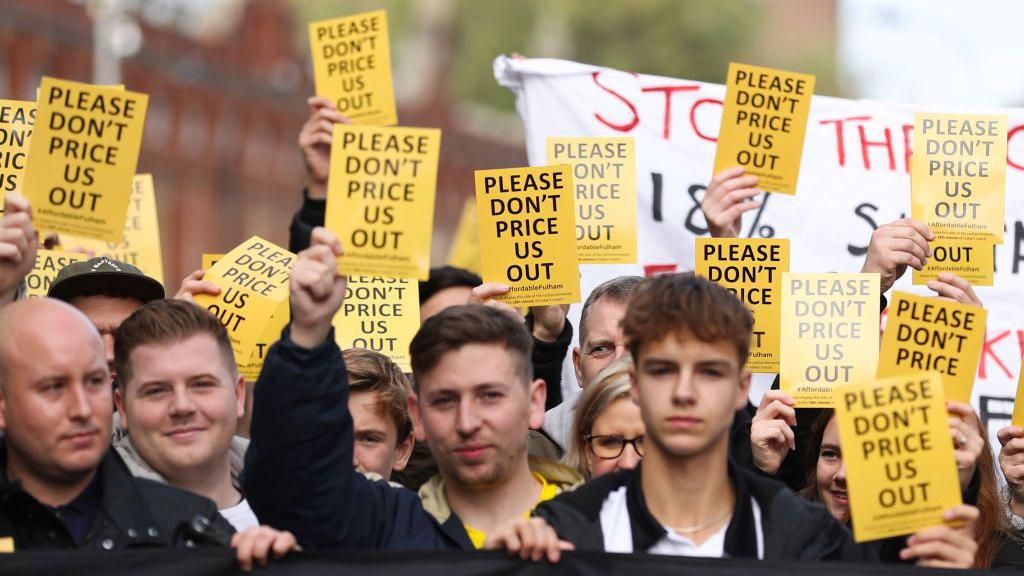
“The Premier League continues to be watched by millions across the world, with its popularity surging and the latest record broadcast deal pointing to an interest that never seems to wane. But despite record income for clubs from TV deals, supporters who attend matches every other week — the ones who have had the virtues of their support extolled by clubs consistently in their marketing literature — are facing an ever-increasing cost to their loyalty. All but one of the 20 Premier League clubs have increased the price of their season tickets to watch their men’s teams in the 2024-25 campaign, much to the annoyance of many supporters’ groups. …”
NY Times/The Athletic
How Spain ruthlessly exploited England’s lack of collective quality at Euro 2024
“Spain were worthy winners of the Euro 2024 final, but the investigation from England’s perspective should not be about how their opponents in Berlin were better on the night, but how they were so much better for the entire tournament. If you were to rank the 14 team performances by those two sides at this competition, in order of quality, you would list the seven by Spain and then the seven England ones. That was the extent of the difference. Spain impressed and enthralled in each game. They had weaknesses, like every side, but those weaknesses generally arose from their bravery and their commitment to attack. …”
NY Times/ The Athletic – Michael Cox
NY Times/ The Athletic – Euro 2024 tactical trends: Counter-attacks, youth, fast starts and comebacks
NY Times: A New Prince Leads Spain as It Rules European Soccer Again
NY Times/The Athletic – How Spain won Euro 2024: Proper wingers, an old-school No 9 and a Real Sociedad core
Euro 2024 Tactics: England’s substitutions are game changers and savers
YouTube: Spain vs. England Highlights | UEFA Euro 2024 | Final

‘It was inhuman’: Why the Copa America final was delayed and dangerously close to disaster
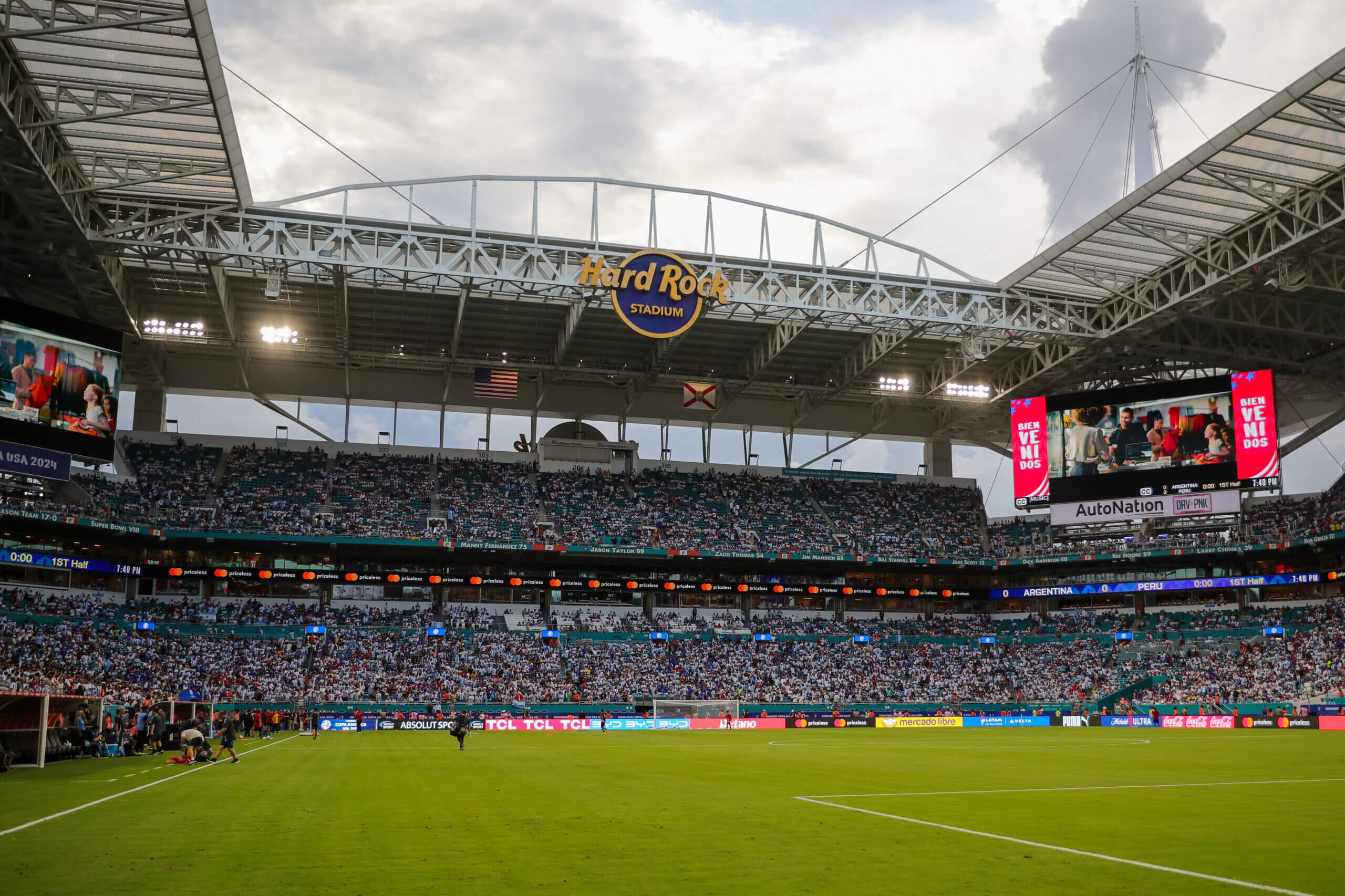
“The black gates at the southwest entrance of Hard Rock Stadium had been closed for one hour and 45 minutes when a young child was hoisted on a guardian’s shoulders amid the crush of people waiting to get in for the CopaAmérica final. The boy waved his hands toward the police officers and security guards standing next to the lone door that was opening to let people into the stadium. He put his hands together as if in prayer, pleading with them to let him in. …”
NY Times/The Athletic
NY Times/The Athletic: Fox’s Copa America final coverage showed network is incapable of covering off-field turmoil (Video)
NY Times/The Athletic: Argentina are special – Copa America proves they just win
YouTube: FINAL COPA AMERICA‼️ COLOMBIA VS ARGENTINA 
Hunger, pride, desperation. I feel everything for England. All of it

Celebrating scoring for England against Argentina in 1998
“I knocked on Graham Taylor’s door and cleared my throat. England had just drawn 1-1 with Brazil in a friendly match at Wembley and I hadn’t played. It was the night before the manager named his squad for the 1992 European Championship and I was desperate to be in it, so desperate that I was fizzy and fidgeting. I couldn’t wait a few more hours. And so there I was, inside his hotel room, asking the question. I was 21. I had only been around the team for three months. …”
NY Times/The Athletic
Why the Copa America final will be a red letter day for Spanish-language broadcasters
“The Copa America final could not have been set up any better. Defending champions Argentina, led by Lionel Messi in what may be his last dance on an international stage, will take on a strong Colombian side that is on a 28-game undefeated streak. If La Albiceleste win, they will become the most decorated team in tournament history. If Los Cafeteros prevail, they will end a 23-year title drought. While this is sure to be a spectacular showing on the pitch, this dream match-up presents an opportunity for those off it, too. That’s especially true considering only 65,000 fans can squeeze into the overpriced seats inside Miami’s Hard Rock Stadium but millions more can tune into the showdown from home. …”
NY Times/The Athletic
Euro 2024: Spain vs England – your ultimate tactical guide

“After 28 days of drama and more than 80 hours of football, 24 teams have been filtered down to two. There is only one more game to play. Spain and England prepare for battle at the Olympiastadion in Berlin on Sunday evening, meeting for the first time since 2018 to fight for the European Championship title — and there are some thrilling narratives to sift through. How do you stop Spain’s relentless wingers Lamine Yamal and Nico Williams? Have England become predictably unpredictable? Can you cut off Spain’s supply at source? England substitutions…. discuss. The Athletic profiles the finalists’ strengths and weaknesses, the key battles, and the many sub-plots in your definitive tactical guide to the Euro 2024 final. …”
NY Times/The Athletic (Video)
England’s Tactical Shift: Crafting a winning back-three setup for EURO 2024 – scout report
The Conventional Playmaker – Tactics: Spain knock out Germany in test between tournament’s two best sides
The Conventional Playmaker – England’s substitutions are game changers and savers
The Conventional Playmaker – Some teams have used space better than others
Guardian: Control holds key for England and ‘haunted’ Rice insists team are wiser
ESPN – Euro 2024 final preview: Spain vs. England (Video)

Copa America best XI picks: King James (Rodriguez) but does Lionel Messi make the cut?
“There are only two matches left of Copa America, so it’s time for a bit of fun. Who makes our writers’ team of the tournament? It won’t surprise you to see players from finalists Argentina and Colombia dominate our selections, with plenty of Uruguayan representation at the back and in midfield and a lot of love for quarterfinalists Venezuela. Perhaps understandably given the performances of the United States men’s national team, Jamaica and Mexico, very few picks are flying the flag for CONCACAF, with only Canada’s Alphonso Davies and Juan Pablo Vargasfrom Costa Rica sneaking into a few teams. No writer has space for Vinicius Junior, and Brazilian names are scarce given the team’s underwhelming displays before a quarterfinal final exit.And then there’s Lionel Messi. Sentiment aside, has he done enough to make the best XI?One man reigns supreme, however: Colombia’s James Rodriguez, surely the player of the tournament — although Argentina may yet have something to say about that in Sunday’s final. …”
NY Times/The Athletic
Adolf Hitler, Jesse Owens and Berlin’s Olympiastadion: the complicated history of Euro 2024 final venue
“The showpiece final of this summer’s European Championship, likely to attract a worldwide television audience in excess of 300 million people, will be played on July 14 at the Olympiastadion in Berlin — a stadium originally built and funded on the orders of Europe’s most notorious dictator, Adolf Hitler. Eighty-eight years have passed since the 1936 summer Olympic Games were also staged there, three years after Hitler, the leader of the Nazi Party, became the country’s chancellor and ruler. These days, it’s a 74,000-seat stadium with a sleek, modern roof, but the setting stands as a testament to a blood-soaked history. Over the next month, three group games, starting with Spain against Croatia on Saturday, will be played there, as well as a round of 16 match, a quarter-final and then the final itself. The hundreds of thousands of football supporters who descend on the Olympiastadion will be confronted by many of the features that distinguished this venue as a Nazi shrine almost a century ago. Since 1945, Germany has grappled with its history in a thoughtful way. …”
NY Times/The Athletic

Hitler during the opening ceremony of the 1936 Olympics
How Uruguay vs Colombia descended into chaos – and the questions raised by the ugly scenes
“What should have been a showpiece game in the semi-final of the Copa America in Charlotte on Wednesday night descended into something more akin to a bar-room brawl as several Uruguay players, including Darwin Nunez and the captain Jose Maria Gimenez, clashed with Colombiasupporters in the stands after the final whistle. It was an ugly, chaotic and extraordinary scene that overshadowed a compelling match, raising serious questions about the security arrangements in place at the Bank of America Stadium as well as CONMEBOL’s decision to stage a game of this magnitude at a venue that was being used for the first time in the tournament. …”
NY Times/The Athletic (Video)
How the Netherlands shut down England’s midfield – and made Watkins the perfect substitution

“We tend to remember brilliant stories by their happy endings. Ollie Watkins coming on in the 81st minute last night, with Englanddrawing 1-1 in the semi-finals of the European Championship against the Netherlands, to score a 90th-minute winner will be carved into the memories of English fans for years. Yet, the lead-up to a climactic finish is sometimes the building block to a jovial ending; Cinderella’s story isn’t only about marrying the prince. Watkins’ strike put England into their second final in the past three tournaments under the management of Gareth Southgate, and his introduction of the Aston Villa centre-forward made complete sense considering the way the match developed. …”
NY Times/The Athletic
NY Times/The Athletic: Ollie Watkins, Cole Palmer and an England goal that was worth the wait (Video)
Netherlands 1 England 2: Late substitute Watkins hits winner to set up Euro 2024 final with Spain
“A late winner from England substitute Ollie Watkins against Netherlands put Gareth Southgate’s team into the final of Euro 2024, where they will face Spain. The Aston Villa striker replaced Harry Kane, the England captain, with nine minutes of normal time remaining and made it 2-1 in the first minute of added time. Xavi Simons put the Netherlands ahead in the first half with a long-range strike after dispossessing Declan Rice, and Kane equalised from the spot after being fouled by Denzel Dumfries. …”
NY Times/The Athletic
NY Times/The Athletic: The stutter run-up is Euro 2024’s trending penalty technique – but why do players do it?
Spain 2 France 1: A semi-final for the ages as Yamal makes history with wondergoal – The Briefing

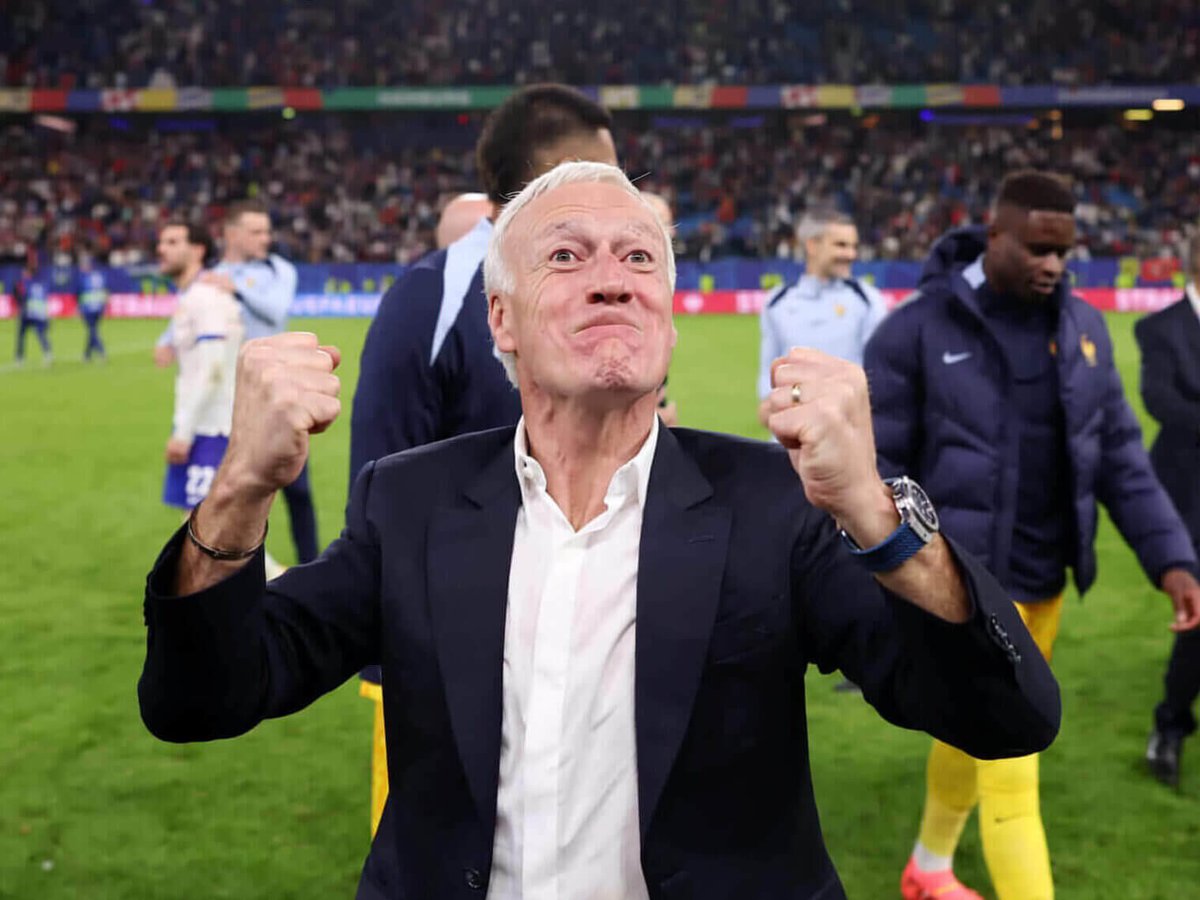
“Spain are the first nation through to the Euro 2024 final after beating France 2-1 in Munich. After a series of games at this year’s European Championship that could safely be filed as ‘cagey’, Spain and France served up a superb encounter on Tuesday evening. Didier Deschamps’ side took the lead inside 10 minutes via a Randal Kolo Muani header from a delightful Kylian Mbappecross, but Spain hit back with two extraordinary goals, the first a welcome-to-the-big-time rocket from Lamine Yamal (who, as you might have heard, is 16) followed by a clever finish from Dani Olmo four minutes later. …”
NY Times/The Athletic
Will France’s players be liberated after ‘immense relief’ of country’s election outcome?
“The France team were en route to training when news emerged that the far right in the French elections had been defeated. Happiness and relief coursed through a group of young sportsmen who had taken it upon themselves to speak out in favour of the legendary national motto of ‘liberté, égalité, fraternité’. It took courage and confidence to tackle such a sensitive issue so publicly. The response to the election result from within the camp spoke volumes about how profound it has been for their message to have arguably helped swing the vote. … Kylian Mbappe had urged the public to vote and appealed in particular to the youth of France, warning against the dangers of extreme and divisive ideas. How must those players have felt watching the pictures coming through of young people crying in celebration as the election results assuaged their worst fears? …”
NY Times/The Athletic
NY Times/The Athletic: France, racial politics and why ‘the Mbappe effect’ is shaping a bitter election
England starting XI to face the Netherlands: Drop Kane? Guehi back? Eze for Foden?
“England are in another major tournament semi-final, but let’s not pretend there are no issues to resolve. Gareth Southgate’s side has yet to deliver a convincing 90-minute performance at Euro 2024 and while that has not impeded their progress so far, the challenge cranks up a notch with Wednesday’s meeting with the Netherlands. So who should Southgate select for what could be either his last game in charge of the national team or the prelude to a glorious finale? Our experts lend him their thoughts. …”
NY Times/The Athletic (Video)
UEFA Euro 2024

Netherlands 2–1 Turkey
“The 2024 UEFA European Football Championship, commonly referred to as UEFA Euro 2024 (stylised as UEFA EURO 2024), or simply Euro 2024, is the ongoing 17th edition of the UEFA European Championship, the quadrennial international football championship organised by UEFA for the European men’s national teams of its member associations. Germany is hosting the tournament, which is taking place from 14 June to 14 July 2024. The tournament comprises 24 teams, with Georgia making their European Championship debut. …”
W – UEFA Euro 2024
W – UEFA Euro 2024 knockout stage
W – UEFA Euro 2024 final
England penalties vs Switzerland analysed: Buddy system, Pickford bottle, crucial pauses
“Watching England’s penalties in their shootout victory over Switzerland in the Euro 2024 quarter-final, it would be tempting to think: why do people always make penalties look so hard. Because the five penalties — by Cole Palmer, Jude Bellingham, Bukayo Saka, Ivan Toney and Trent Alexander-Arnold — England took were so good it all looked very easy indeed. But, of course, it wasn’t — as generations of England players and fans will tell you. This was a long way from the failures of the past: this was a team that knew what they were doing, who had planned it all meticulously. It was the successful conclusion to a process that England have had in place for most of Gareth Southgate’s tenure but has been refined over the years. …”
NY Times/The Athletic
NY Times/The Athletic – Euro 2024 day 23: England’s ‘cheat code’ water bottle and can the Netherlands go all the way?
England’s change of shape against Switzerland worked – to a point – thanks to Bukayo Saka
“By this point, it’s time to accept that England will not play good football at Euro 2024. They will not exploit the full potential of the Bundesliga top goalscorer, the Premier League’s player of the year or arguably La Liga’s player of the year. There have been no vintage victories, no truly convincing performances, and the feeling is one of frustration as much as elation back home. But they could still win it. Gareth Southgate’s approach for yesterday’s penalty-shootout win over Switzerland was the clearest sign yet that England have given up on being good, and are happy to try to make the opposition bad. Southgate abandoned his Plan A, the system he used throughout the group stage and in the narrow 2-1 win over Slovakia, and switched to a back five featuring wing-backs. Or did he? …”
NY Times/The Athletic – Michael Cox
Fear and lunging in Las Vegas: How Uruguay v Brazil became this Copa America’s dirtiest match
“Sometimes it happens. High stakes, growing tension, a sheer desperation not to lose — the biggest games can light a fire within compulsive competitors that catches too quickly, spreads across the pitch, and burns any sense of spectacle to the ground. Uruguay’s Copa America quarterfinal clash with Brazil fell foul to that intensity: an ugly collision of arms, legs and bodies constantly interrupted by the referee’s whistle. By the time Dario Herrera signalled for the end, it felt as if the contest had barely been given the chance to begin. …”
NY Times/The Athletic
2024 Copa América

July 6, 2024: Colombia 5–0 Panama
“The 2024 Copa América is the ongoing 48th edition of the Copa América, the quadrennial international men’s soccer championship organized by South America’s football ruling body CONMEBOL. The tournament is being held in the United Statesfrom June 20 to July 14, 2024, and is co-organized by CONCACAF. This is the second time that the United States is hosting the tournament, having hosted the Copa América Centenario in 2016. …”
W – 2024 Copa América
W – 2024 Copa América knockout stage
W – 2024 Copa América final
How Spain’s direct central midfielders unlocked Germany – they are the team to beat
“Under Luis de la Fuente, Spain are a different beast. The nation that came to dominate international football 15 years ago with its commitment to slow, methodical possession football has not entirely changed its identity. This is, after all, a side that plays 4-3-3, uses a high defensive line, has good ball-playing centre-backs and a sturdy holding midfielder who is good at distributing the ball. But they nevertheless possess a different mentality: a determination to get the ball forward quicker, to attack with genuine width, to use a proper centre-forward. The attackers received rave reviews in the group stage. The 2-1 extra-time victory in the quarter-final over Germany, a meeting between the tournament’s best two sides, was all about the central midfielders. …”
NY Times/The Athletic
France’s defence is controlled, disciplined and built in the image of Didier Deschamps
“Despite having an array of attacking talent at his disposal, not one of Deschamps’ players has scored a goal from open play during Euro 2024. And yet his team are through to a semi-final against Spain having beaten Portugal on penalties 5-3 following a 0-0 draw after extra time. For all of France’s offensive woes, they make up for it with the best defence of the tournament. They have conceded just one goal, a penalty against Poland (twice taken by Robert Lewandowski), in five games and are yet to go behind. Les Bleus have faced Romelu Lukaku, Lewandowski, Memphis Depay and Cristiano Ronaldo, who have a combined 344 international goals, admittedly some in better form than others. …”
HY Times/The Athletic
Martinez the saviour after Messi’s Panenka miss – how Argentina beat Ecuador on penalties
“The entire NRG Stadium in Houston, Texas gasped. The whistle blew and Lionel Messi moved towards the ball. Messi swung his famous left foot down at the ball… and chose a Panenka-style penalty to give his side the lead in the shootout. Except he didn’t. The Ecuador goalkeeper Alexander Dominguez dived to his left but the ball hit the crossbar and set in motion a shootout that had it all — including the now customary Emiliano Martinez antics that helped the Copa Americaholders win 4-2 on penalties to advance to the semi-final. …”
NY Times/The Athletic (Video)
England against the world: Are players embracing a ‘siege mentality’ at Euro 2024?
“It was a surprise to hear Jude Bellingham, making a rare media appearance after being named man of the match in England’s 2-1 win over Slovakia, talking about a ‘pile-on’. Bellingham is one of the most lauded young footballers in the world and had just produced a moment that will be remembered as one of England’s best in this competition — but he had something very different that he wanted to get off his chest. …”
NY Times/The Athletic
NY Times/The Athletic – Why England lost their set-piece superpower: Bad deliveries, flawed routines and the Maguire factor
How Spain have evolved under Luis de la Fuente – through crossing
“One of the wonders of the human brain is how it translates words into experiences, sounds and images. The notion, which is called semantic processing, is how our brain understands what we read by searching for associated words, sounds or images in our memory. Try reading the following words: Spain national football team. …”
NY Times/The Athletic
NY Times/The Athletic: Why Spain vs Germany is one of the biggest quarter-finals in international football history
Why are France not scoring goals from open play at Euro 2024?
“Didier Deschamps is a glass-half-full sort of fella. France’s three goals so far at this summer’s European Championshipconsist of two own goals and a penalty. But after the 1-0 win against Belgium in the round of 16, Deschamps said: ‘My only regret is the number of shots we had and tried to put too much power into them, and they went off target. I’m immensely proud of what we’ve done, to be in the quarter-finals again.’ …”
NY Times/The Athletic
Political football: How soccer has shaped the UK general election
“A generous estate agent might describe the two-up, two-down terraced houses on the cramped side streets that lead towards Gillingham’s Priestfield Stadium as ‘snug’. On this warm day, the windows of several are open and the smell of frying mince and onions hangs over the turnstiles in the Brian Moore Stand, an open ‘temporary’ structure held together by scaffolding that has now been in place for more than 20 years. …”
NY Times/The Athletic
Euro 2024 power rankings: how the teams in the last 16 shaped up

“A dominant 4-1 win against Georgia in the last 16 means Spain stay top of our rankings. They fell behind in the first half but the end result never felt in doubt. Luis de la Fuente’s side had 36 attempts to Georgia’s four; they attempted 823 passes and completed 94%. Or put it this way: Georgia were outplayed, yet they didn’t play badly. Spain were simply superb. Again. The starting XI seems settled now but there can be no complacency because the options from the bench are so strong. Against Georgia, De la Fuente put on, among others, Dani Olmo and Álex Grimaldo with the former scoring. …”
Guardian
Austria 1 Turkey 2: Missiles fall, records tumble – and the save of the tournament?
“This always promised to be one of the more frenetic nights at Euro 2024 — and Austria vs Turkey did not disappoint. A dramatic start. which saw Turkey take the lead inside a minute, relentless attacking, a miraculous late save and a feisty atmosphere — occasionally bubbling over into something more sinister — made for a compelling last-16 match. Ultimately, Turkey did enough to secure a quarter-final against the Netherlands in Berlin on Saturday night. Our experts debate the big talking points. …”
NY Times/The Athletic (Video)
NY Times/The Athletic: Euro 2024 day 19 – Turkey march into quarter-finals, Gakpo stars again, and who throws a shoe?
Romania 0 Netherlands 3: Stylish Dutch through to quarter-finals as Gakpo chases Golden Boot – The Briefing
“The Netherlands are through to the quarter-finals at this summer’s European Championship after beating Romania 3-0 in Munich. Romania started the game on the front foot but Ronald Koeman’s side grew into the game and deservedly took the lead after 20 minutes via Cody Gakpo’s third goal of Euro 2024. The Dutch dominated the remainder of the half — particularly on the right flank — but Edward Iordanescu’s side, as they have throughout the tournament, retained a threat on the break. …”
NY Times/The Athletic
The USMNT’s six minutes of hope – and what it says about this team
“For just over six minutes, it looked as though the United States would find its way into a Copa America quarterfinal. Gregg Berhalter’s side was coming off a shocking 2-1 defeat against Panama in Atlanta and it had lost the luxury of controlling its destiny to advance from Group C. Its final foe, Uruguay, had won its first two games and seldom showed a weakness to exploit against Panama and Bolivia. The hosts came out with a point to prove. In the opening 20 minutes, the United States pushed the tempo, orchestrated fluid attacking sequences and seldom afforded Uruguay similarly pretty passages of play. There was just one problem: they only refined all of that interplay into a single shot — a headed corner by left-back Antonee Robinson that was comfortably saved by goalkeeper Sergio Rochet. …”
NY Times/The Athletic
The secrets of Diogo Costa’s penalty heroics: Patience, explosiveness, going with your gut
“As the game moved into its 120th minute, it was so obvious Portugal and Slovenia’s Euro 2024 last-16 meeting would end with one group of players sprinting towards their goalkeeper from the halfway line, arms aloft, hailing his heroics. And surely it was going to be the goalkeeper who had already saved one penalty and been his side’s last line of defence in a resolute but intelligent and skilful rearguard action. It had to be Jan Oblak, Slovenia’s captain and seven-time player of the year, right? …”
NY Times/The Athletic (Video)
France 1 Belgium 0: Are the French improving? Was De Bruyne wasted deep? What now for Belgium?
“France are into the quarter-finals of Euro 2024 — despite having mustered only a penalty and two own goals in four matches to reach the latter stages of the tournament. The substitute Randal Kolo Muani’s late shot took a wicked deflection off Jan Vertonghen to defeat Belgium in a dour contest in Dusseldorf as Didier Deschamps’ side forced passage rather unconvincingly into a last-eight tie against either Slovenia or Portugal. The centre-half’s own goal was the ninth of the finals to date. Daniel Taylor, Peter Rutzler and Mark Carey analyse the key talking points from Dusseldorf. …”
NY Times/The Athletic
NY Times/The Athletic: France still striving to coax the best from Antoine Griezmann
What England can expect from Switzerland – their four tactical traits analysed
“It turns out Murat Yakin wasn’t lying in 2022. He was just one tournament early. ‘I think we are the best Switzerland national team that has ever existed,’ said their coach prior to the World Cup. He promised their best-ever finish at an international tournament but did not deliver — Portugal beat them 6-1 in the round of 16. From heartbreak to broken records as, 18 months on, Switzerland knocked out Euro 2020 winners Italy in the round of 16 at Euro 2024. …”
NY Times/The Athletic
Spain 4 Georgia 1 – Yamal excellent (again), Williams’ wondergoal, exciting Georgia head home
“Spain were worried at moments against Georgia but, in the end, their leading stars proved decisive in a brilliant performance. They dominated early on, but the Georgians took the lead with their first attack after a flowing move, finished off with yet another Euro 2024 own goal, the eighth of the tournament (this time from Robin Le Normand). Spain drew level with the man for the big moment, Rodri, scoring from just outside the area. Then their 16-year-old wonderkid Lamine Yamal set up Fabian Ruiz to head in the winner. Nico Williams, another of their leading stars to have made them the tournament favourites, scored a devastating third before Dani Olmo completed the win. …”
NY Times/The Athletic
England 2 Slovakia 1 – Southgate’s side scrape through, Bellingham to the rescue, tactical questions remain
“England edged past Slovakia to reach the Euro 2024 quarter-finals, but only after staring a humiliating defeat in the face. Anyone hoping for an improved version of England in the knockout stages was left sorely disappointed during a disjointed and dispiriting first half. Sloppy defending from Gareth Southgate’s team let Slovakia in on several occasions in the first 20 minutes, a foreshadowing of the opening goal from Ivan Schranz on 25 minutes — the 30-year-old taking advantage of acres of space to slot past Jordan Pickford. …”
NY Times/The Athletic