
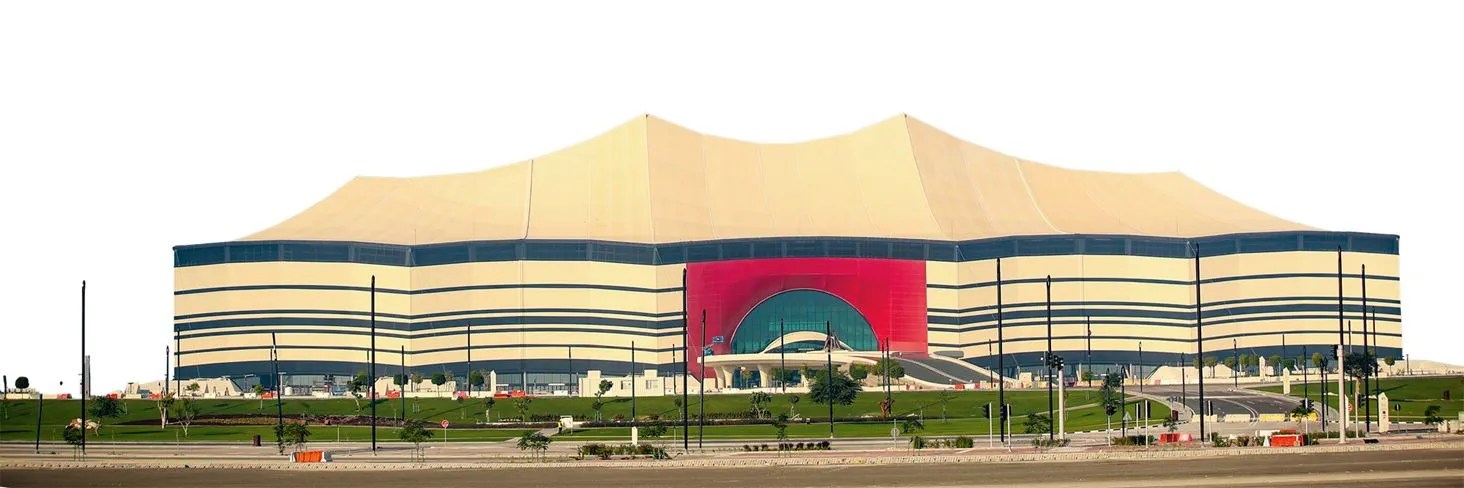
“What do football stadiums, culture and heritage have in common? More than you might think. For much of modern history, stadiums were treated as ‘an engineering problem, primarily,’ says Benjamin Flowers, a professor of architecture at The Ohio State University. ‘The real shift to what we see now really starts in the early 2000s.’ Venues such as Munich’s Allianz Arena, which opened in 2005, signaled that change: Stadiums were no longer expected simply to work, but to speak. …”
Aramco World
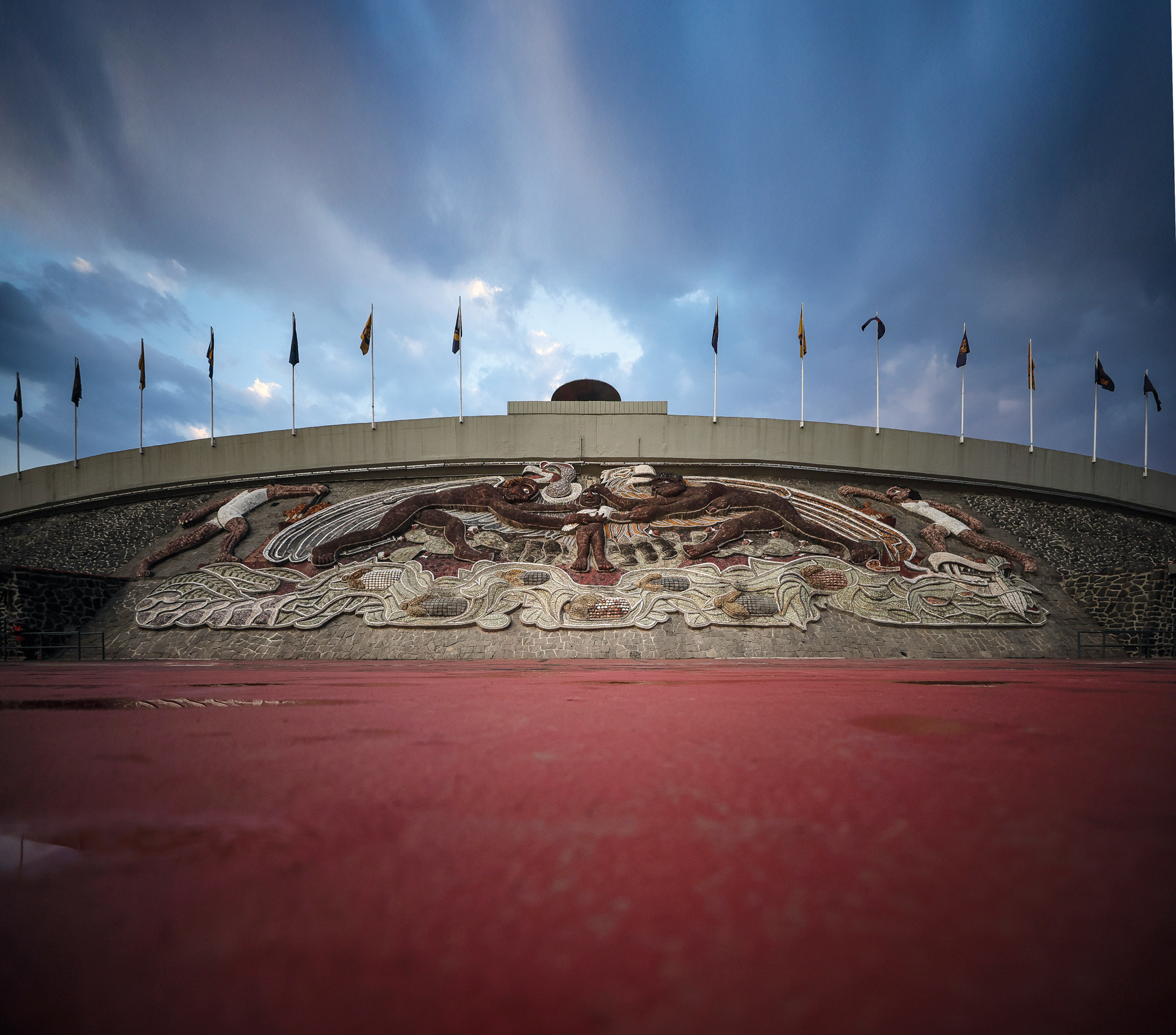 Mexico City’s Estadio Olimpico Universitario, which hosted World Cup matches in 1970 and 1986, feels less like an object placed on a site and more like a landmark that belongs to it.
World Cup Stadiums Built on Nations’ Living Heritage
Leave a reply

