
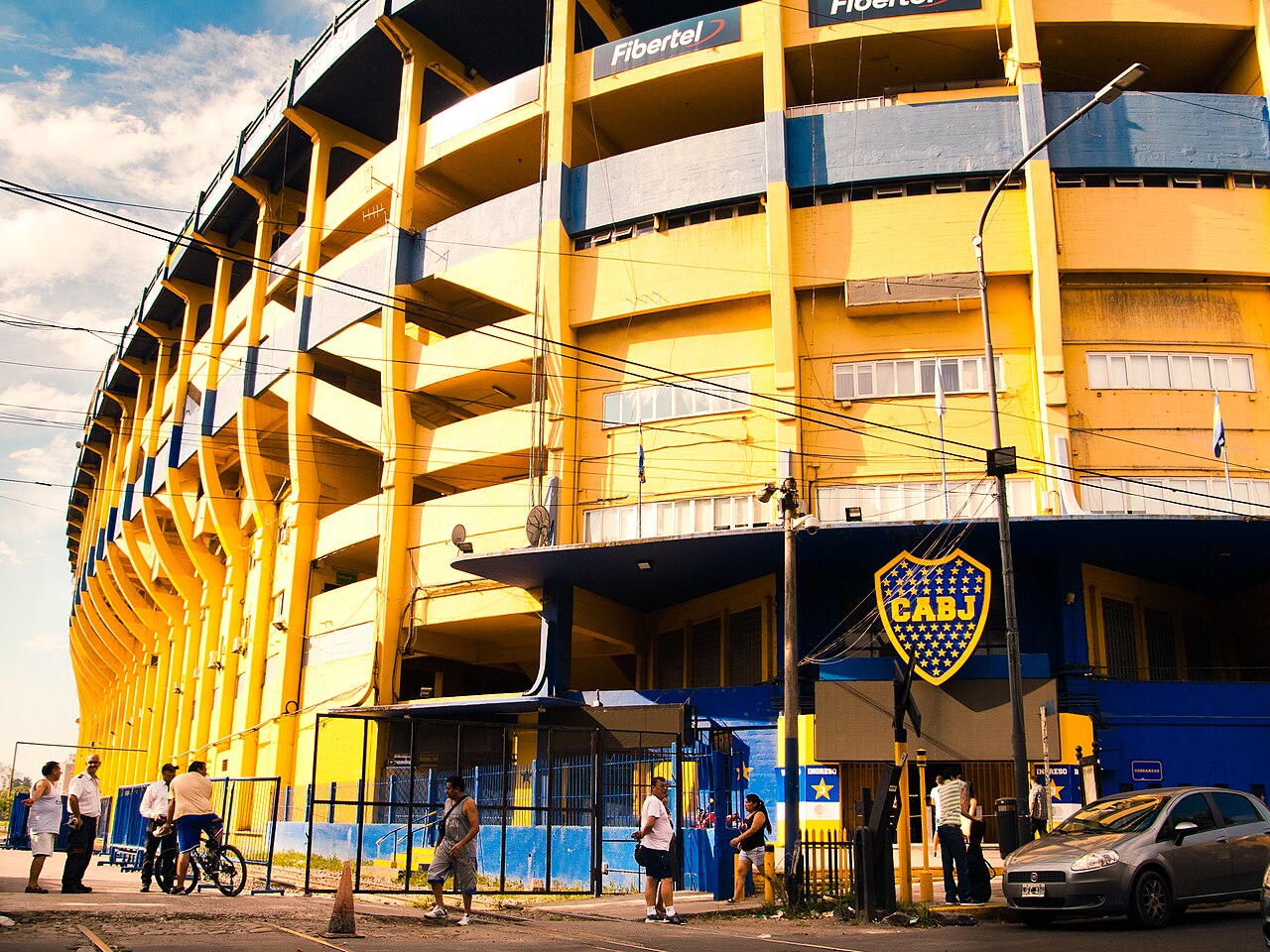
 “Clásicos are like Christmas for football. In these high-tension matches between fierce rivals, expectation almost always outstrips results. … For me, the Superclásico between Buenos Aires’s Boca Juniors and River Plate on May 4, 2008, was preceded by thirty-four years of anticipation. In 1974 I went to the Estadio Monumental to see River–Boca, but I had never been to the reverse fixture in La Bombonera, that exceptional stadium that should have been examined by Elias Canetti in Crowds and Power. The wait had charged the occasion with so much emotion that it was almost a shame it actually had to take place. Friends from Mexico, Colombia, and Spain had all similarly circled the date of May 4—the Argentine derby appeals not only to those who sleep in shirts emblazoned with the Quilmes beer logo but to an entire global tribe. …”
The Paris Review
W – La Bombonera, W – La Doce
amazon: Crowds and Power – Elias Canetti
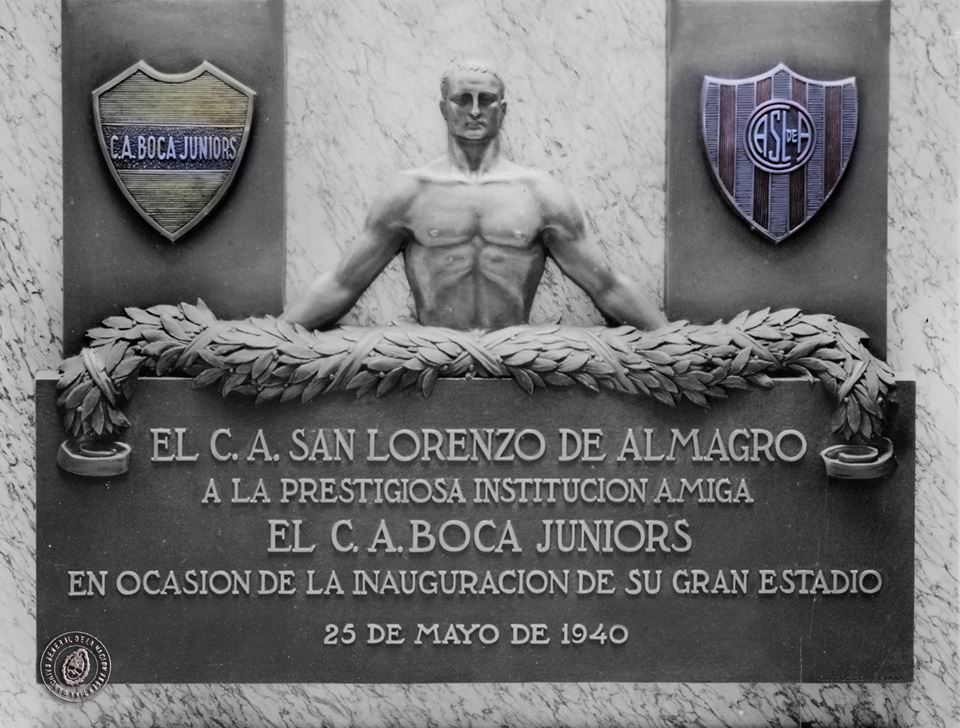 Plaque donated by San Lorenzo de Almagro on the occasion of the inauguration of La Bombonera, May 1940.
Sunday at La Bombonera
Leave a reply
 “Roberto Martinez has been to a Super Bowl here
  “There is always a slightly odd rhythm to the World Cup. The final round of qualifying games is almost invariably more exciting than the early games at the tournament itself, and now with 32 teams making it through the group stage and into the knockout rounds, that is likely to be even more true for the 2026 edition. Those final qualifiers in November were thrilling and meaningful –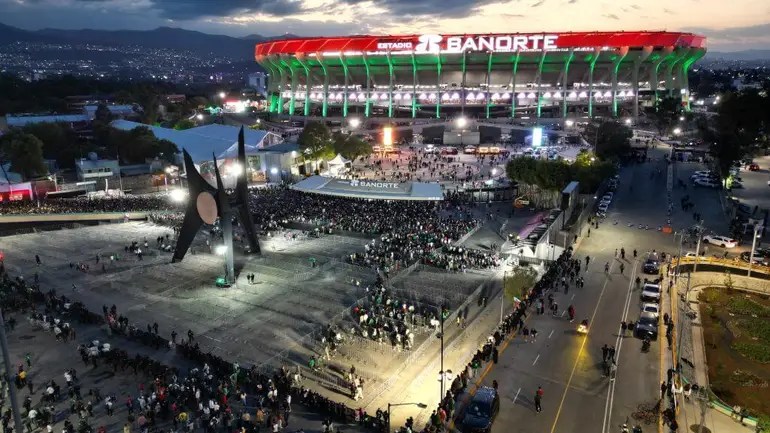
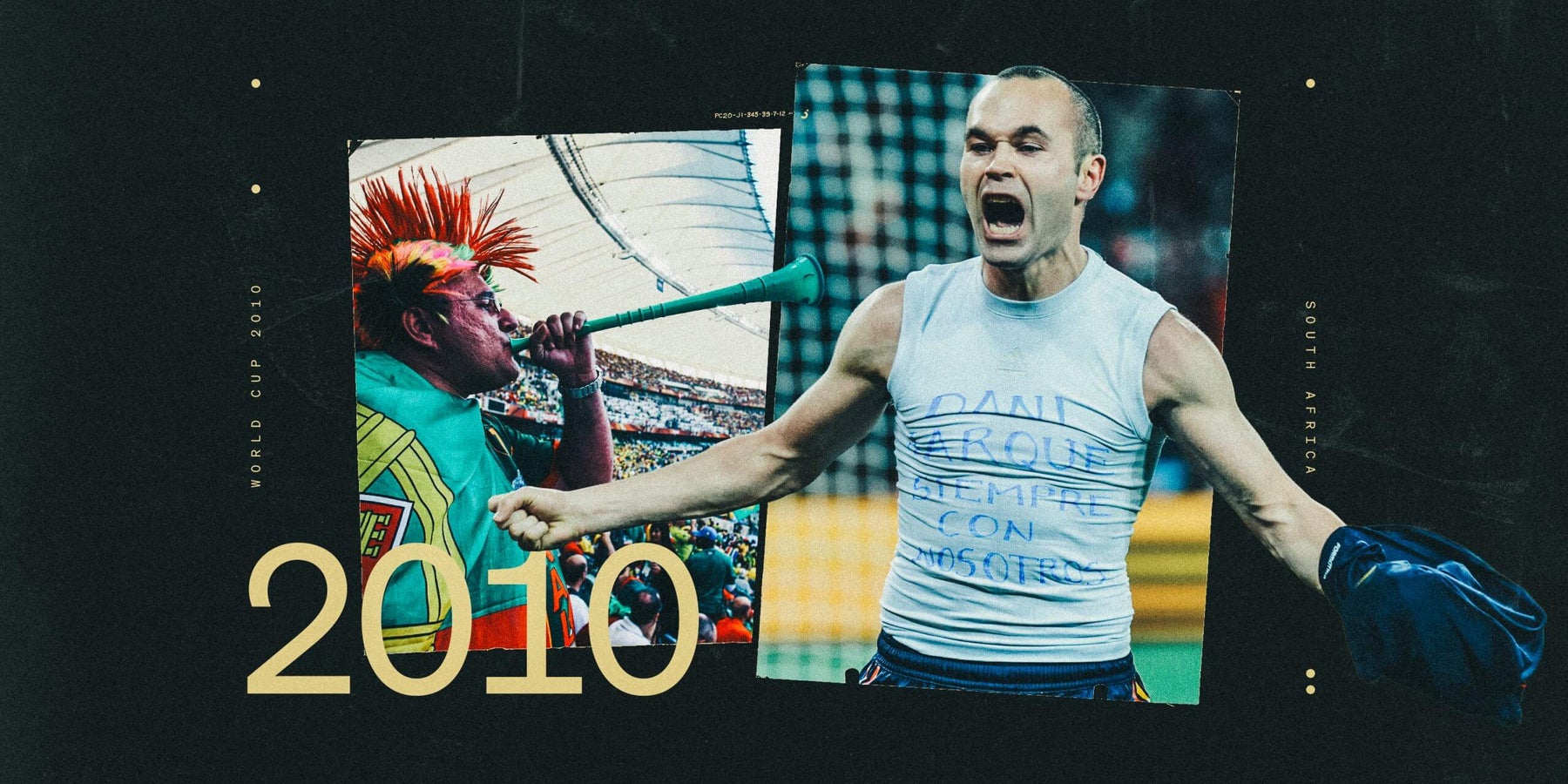 “Amid the focus on the winter climate and the vuvuzelas in South Africa, perhaps the most important theme of the tournament was the ball. While it had become common for goalkeepers to complain about new footballs ahead of the World Cup, this was the first tournament where outfielders seemed disgusted, too. The lack of panels on the Jabulani, and therefore the lack of ‘drag’, meant long passes became even longer, shots from range were launched miles over the bar, and the general quality of play was poor. Spain, though, seemed largely unaffected — partly because they were completely committed to short passing. …”
